Understanding Color Printing
Color printing is a complex process that involves the meticulous reproduction of images and designs in multiple hues to achieve vibrant, full-spectrum visuals. This process hinges on a thorough understanding of various color models, primarily CMYK and RGB, which are fundamental to producing high-quality printed materials.

Color Models in Printing: CMYK and RGB
At the core of color printing are two primary color models: CMYK and RGB. Each serves a distinct purpose in the production and display of colors, influencing how digital designs are converted into physical prints.
CMYK Color Model
The CMYK model, which stands for Cyan, Magenta, Yellow, and Key (Black), is the standard in commercial color printing. It operates on the subtractive color principle, where colors are created by subtracting wavelengths of light from a white background. Printers use cyan, magenta, yellow, and black inks in overlapping layers to produce a broad spectrum of colors. The precise mixing of these inks allows for detailed and vibrant color reproduction, essential for professional printing tasks like brochures, posters, and packaging.
RGB Color Model
In contrast, the RGB model — Red, Green, and Blue — is primarily utilized for digital displays, including computer monitors and digital proofs. RGB operates on an additive color principle, where combining the three colors in varying intensities creates a wide range of hues. While RGB is crucial in designing graphics intended for screens, the transition from RGB to CMYK is necessary before printing to ensure color fidelity.
Relevance in Printing Services
Understanding these color models is vital for anyone involved in printing projects. Accurate color management ensures that the colors seen on the screen can be faithfully reproduced in print, avoiding mismatched hues and ensuring brand consistency. Modern printing services employ advanced color calibration tools, digital proofs, and color profiles to maintain this accuracy across different media and devices.

Moreover, the choice of color model influences print technology selection, ink formulation, and media compatibility. Skilled printers leverage this knowledge to optimize printing workflows, select appropriate substrates, and deliver precise color output tailored to client specifications. The result is high-quality printed products that meet professional standards and stand out visually in competitive markets.
Understanding Color Printing
Color printing is a specialized process that requires careful planning and execution to achieve vibrant, accurate, and consistent results. The use of sophisticated printing techniques and precise color management ensures that the final output faithfully represents the initial digital design. When printing in color, selecting the appropriate method and understanding its nuances are critical for producing professional-grade materials.
The Digital Color Workflow
The process begins with digital design files, commonly created in graphic software such as Adobe Photoshop or Illustrator. These files are typically prepared in RGB color mode for ease of editing and display on digital screens. However, because most commercial printing processes utilize the CMYK color model (Cyan, Magenta, Yellow, Black), a conversion is necessary to ensure color accuracy during the print process. This conversion requires precise color management techniques, including the use of color profiles and calibration tools.
Color calibration across devices allows for consistent color reproduction from screen to print. Pre-press professionals often utilize digital proofs—highly accurate digital representations of the print—to assess how colors will appear once printed. Adjustments can be made during this stage to refine hues, brightness, and contrast, minimizing discrepancies and ensuring that the finished product aligns with client expectations.
Color Management and Calibration
Implementing meticulous color management workflows involves calibrating monitors, printers, and proofing devices regularly. Color profiles embedded within design files guide the printing device to reproduce colors precisely. Technologies such as spectrophotometers enable consistency by measuring color output and adjusting ink density and color balances accordingly.
Equipped with these tools and knowledge, printing professionals can produce high-fidelity color prints suitable for marketing materials, product packaging, and custom artwork. Such precision is essential for brand integrity, especially when color plays a pivotal role in product recognition and aesthetic appeal.
Impact of Material and Ink Choices
The substrate (paper, fabric, or plastic) and ink selection significantly influence the final color output. Different materials absorb inks differently and may alter hues or reduce vibrancy. High-quality media designed for color printing ensures smoother surfaces, better ink adhesion, and richer color reproduction. Similarly, using specialized inks, such as UV or metallic inks, can add unique visual effects that standard inks cannot achieve, elevating the overall quality and impact of printed materials.
Technical Considerations for Optimal Results
- Color profiles need to be properly embedded into files to ensure predictable color translation across devices.
- Regular calibration of printers and monitors helps maintain color consistency over time.
- Proper choice of substrates based on the intended purpose and visual requirements of the project.
- Utilization of high-quality inks to prevent fading, smudging, or color shift over time.
Adoption of these practices results in prints with accurate, vivid colors that enhance the overall visual impact and support the communication goals of any project.
Types of Color Printing Techniques
Different color printing methods are suited to varying project requirements, budget constraints, and material choices. Understanding these options enables optimal selection for high-quality and cost-effective results.
Digital Printing
Digital printing involves directly transferring digital images onto substrates using inkjet or toner-based printers. It offers exceptional flexibility for short runs, quick turnaround times, and personalized printing. Digital printing is ideal for custom materials, promotional items, and on-demand printing due to its rapid setup and minimal waste.
Offset Printing
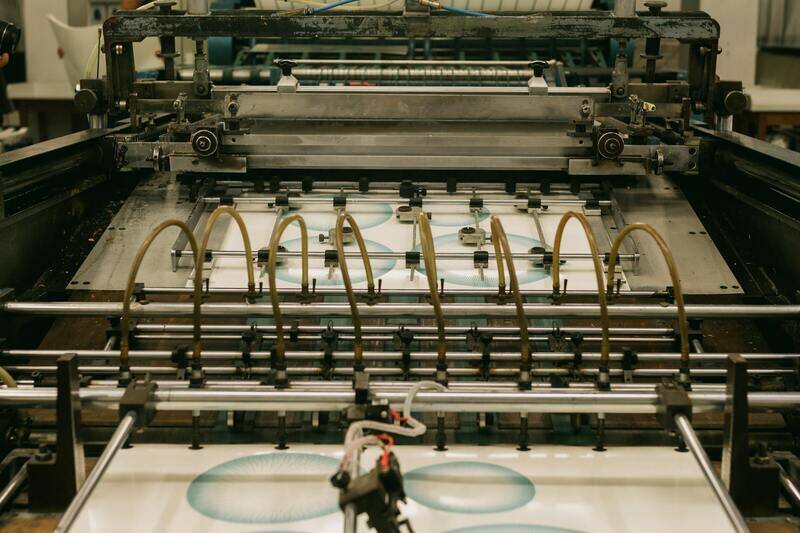
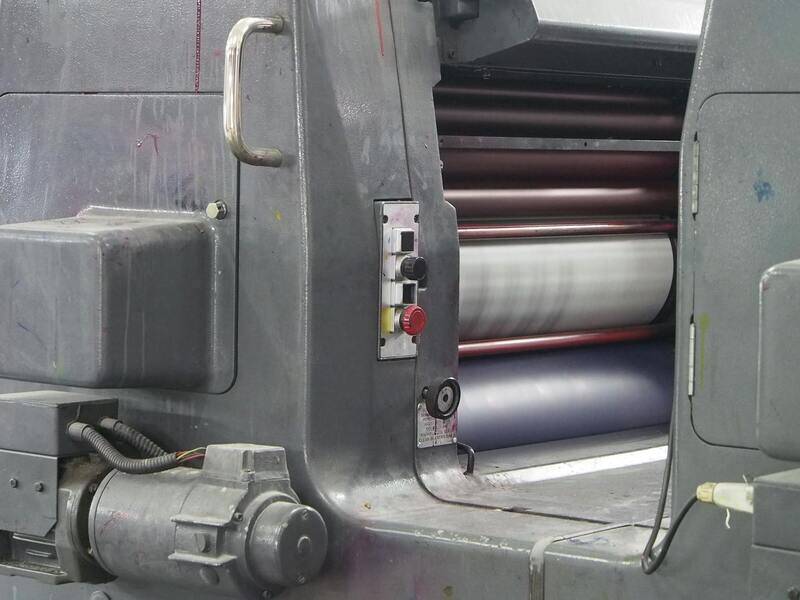
Offset printing employs a traditional lithographic process where inked plates transfer images onto rubber rollers before reaching the substrate. This method is highly cost-effective for larger print runs, providing excellent color consistency, sharp detail, and vibrant hues. Offset is preferred for high-volume projects such as magazines, catalogs, and large-format posters.
Inkjet Printing
Inkjet printing is widely used for photo printing, fine art reproductions, and specialized marketing materials. It utilizes small nozzles to spray tiny ink droplets directly onto substrates, allowing for detailed, high-resolution images with a broad color gamut. Inkjet printers are adaptable to different media types and are suitable for both small-scale and large-format applications.
Comparison and Application Suitability
- Digital Printing: Suitable for short runs, fast turnaround, customization, and variable data printing.
- Offset Printing: Best for large volumes requiring consistent color quality and high precision.
- Inkjet Printing: Perfect for high detail, photographic quality, and unique surface finishes.