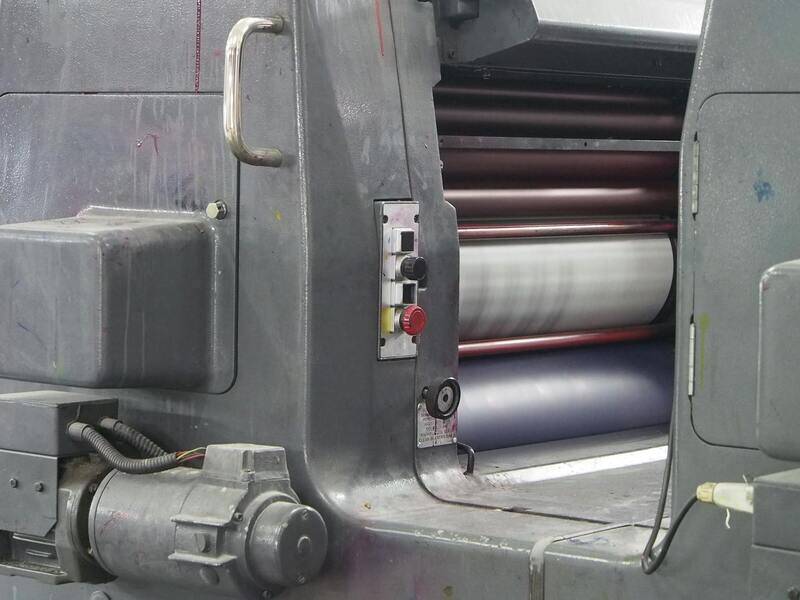
Overview of Colour Printing Services

Colour printing services have become an integral component in numerous industries worldwide, serving as a cornerstone for branding, marketing, and communication efforts. These services encompass a variety of printing techniques that produce vibrant, high-resolution images, making them ideal for promotional materials, packaging, banners, and more. The ability to render accurate and vivid colours plays a crucial role in attracting attention and conveying messages effectively. From small business advertisements to large-scale corporate campaigns, colour printing provides a visual impact that helps distinguish brands and communicate professionalism. Considering the increasing demand for visually appealing printed media, professional colour printing services are now more accessible and vital than ever. They enable businesses to translate digital designs into tangible assets that command attention and foster customer engagement. The shift toward high-quality, dynamic colour prints underscores their importance in creating memorable visual impressions and supporting various operational needs across sectors, including retail, hospitality, education, and healthcare. As technology advances, the range of options and the quality of outputs continue to improve, making it easier for companies to leverage colour printing for strategic branding initiatives and everyday communication purposes.
Types of Colour Printing Technologies
Understanding the different types of colour printing technologies available is essential for selecting the right service provider. Each method offers unique advantages depending on the specific requirements of the project, such as material, volume, and colour accuracy. Common technologies include:
- Digital Colour Printing: Ideal for short runs and quick turnaround times, digital printing produces vibrant colours directly from digital files. This method is cost-effective and offers high flexibility for customization.
- Offset Colour Printing: Suitable for large volume orders, offset printing delivers exceptional colour consistency and sharpness. It involves transferring ink from plates to printing surfaces, making it optimal for high-quality brochures, newspapers, and packaging.
- Flexographic Printing: Often used for packaging materials and labels, flexography utilises flexible relief plates to print on a variety of substrates, providing bright and durable colours.
- Gravure Printing: Typically employed for high-volume commercial printing, gravure offers excellent colour fidelity and is used for magazines, wallpaper, and packaging.

Key Factors to Consider When Choosing Colour Printing Services
Selecting the appropriate colour printing provider involves evaluating several critical factors to ensure quality, efficiency, and value. Consider the following:
- Print Quality and Colour Accuracy: Look for a service that guarantees high resolution and colour fidelity aligned with your design specifications.
- Turnaround Time: Fast delivery is often essential, especially for time-sensitive projects. Confirm the provider’s capability to meet deadlines.
- Range of Printing Options: Ensure they offer a variety of substrates, finishes, and binding options suitable for your materials.
- Experience and Expertise: An established provider with a proven track record typically delivers better results and reliable service.
- Pricing and Quotes: Transparent pricing with detailed quotations helps in budget planning without surprises.
- Customer Support and Consultation: Access to professional guidance during the design and printing process contributes to overall satisfaction.
Careful consideration of these factors will help in choosing a colour printing partner capable of meeting your specific needs with consistent quality.
Overview of Colour Printing Services
Colour printing services play a vital role in transforming digital designs into tangible, vibrant visuals that effectively communicate brand messages and product details. The variety of colour printing techniques available allows businesses and individuals to choose solutions tailored specifically to their project needs, whether for marketing materials, packaging, or personalized items.

Some of the most common technologies include digital printing, offset printing, and large-format printing. Digital printing is renowned for its quick turnaround and cost-effectiveness for short runs, making it ideal for promotional materials, business cards, and personalized prints. Offset printing, on the other hand, offers superior colour accuracy and consistency, making it suitable for high-volume projects such as magazines, catalogues, and corporate reports. Large-format printing is perfect when producing banners, posters, and signage that require attention-grabbing visuals at grand sizes.
Each method has distinct advantages aligned with specific project requirements. Selecting the appropriate technology depends on factors such as print volume, colour fidelity, speed, and the materials involved. For example, digital printing is preferred for smaller batches with urgent deadlines, while offset printing excels when precise colour matching and large quantities are needed. Large-format printers utilize specialized inks and substrates to produce visually impactful large-scale images for various display purposes.

By understanding these different printing approaches, clients can better align their project goals with the suitable technology, ensuring optimal results in terms of vibrancy, detail, and longevity. Consulting with professional printing service providers can provide valuable insights into which method best suits the intended outcome, considering factors like substrate compatibility, colour management, and production timelines.
Understanding the Limitations and Capabilities of Official Colour Printing Techniques
When considering professional colour printing services, it is crucial to understand the inherent capabilities and limitations of the various technologies involved. Each printing method, whether digital, offset, or large-format, operates within specific parameters that influence the final output quality, colour fidelity, and durability.
Digital printing, frequently used for short runs and rapid turnaround projects, offers exceptional flexibility and quick processing times. It relies on electronically charged inkjet or laser printers that reproduce images directly onto substrates. While digital printing achieves vibrant colours and sharp details, it may face limitations in achieving the exact colour matches of traditional print processes, especially with complex colour gradients or Pantone-specific hues. Nevertheless, advancements in ink formulations and colour management software have significantly enhanced digital print accuracy, making it suitable for most commercial purposes.
Offset printing, a method that involves transferring ink from a plate to a rubber blanket before printing onto substrates, remains the gold standard for high-volume, high-quality colour outputs. It provides consistent colour reproduction across large batches, thanks to precise ink control and colour calibration processes. Offset presses can incorporate custom Pantone colours and achieve superior colour matching, making them ideal for brand-critical materials such as packaging, magazines, and catalogs. However, offset printing requires longer setup times and higher initial costs, rendering it less practical for small runs or quick deployments.

Factors That Limit or Enhance Colour Fidelity in Professional Printing
Several factors influence the overall quality and colour accuracy achievable through professional printing services. These include the calibration of printers, the quality of inks and substrates used, and adherence to colour management protocols.
- Colour Calibration: Regular calibration ensures colour consistency across different runs and machines, maintaining brand accuracy and visual coherence.
- Ink Quality and Types: High-quality, well-formulated inks provide richer colours, better fade resistance, and more precise colour matching.
- Substrate Compatibility: Selecting the appropriate paper or material affects colour vibrancy and durability. Matte, gloss, and uncoated papers respond differently to inks, influencing the final appearance.
- Colour Management Protocols: Advanced colour profiling systems, such as ICC profiles, are employed to ensure digital and physical colours align, minimizing discrepancies between the design and the final printed product.

Maximizing Output Quality through Professional Oversight
Collaborating with experienced print service providers guarantees adherence to these technical considerations. They utilize sophisticated colour management systems and routinely perform quality checks to detect deviations early in the production process. This proactive approach ensures the colours reproduced match the intended design specifications, particularly important for branding, marketing collateral, and fine art reproductions.
In addition, clients are encouraged to review proofs before full production. Digital proofs allow for colour verification and adjustments, reducing the risk of costly reprints or mismatched colours. By understanding both the technological capabilities and constraints, businesses can set realistic expectations and work closely with printing experts to achieve visually compelling, lasting results.
Overview of Colour Printing Services
Colour printing services encompass a broad spectrum of printing solutions designed to produce vibrant, accurate, and high-quality images and text across various mediums. Whether for marketing campaigns, packaging, or personal artwork, these services leverage advanced printing technologies to ensure color fidelity and consistency. The burgeoning demand for visually compelling materials has driven print providers to refine their techniques and expand their capabilities, making colour printing an essential component in achieving professional-grade visual outputs.
Delivering exceptional colour vibrancy requires a combination of sophisticated machinery, skilled operators, and high-grade materials. Colour printing services cater to clients seeking precise colour reproduction, seamless gradients, and durable finishes. The availability of tailored options allows businesses to customize their printed products according to specific branding and aesthetic requirements, ensuring that every detail from hue to texture aligns perfectly with their vision.
Types of Colour Printing Technologies
Understanding the primary printing methods is crucial when selecting the appropriate colour printing service. Each technology offers distinct advantages in terms of colour accuracy, speed, and cost:
- Offset Printing: Known for its excellent colour consistency and high-volume efficiency, offset printing employs plates and rubber blankets to transfer ink onto the substrate. It is ideal for large runs where maintaining colour fidelity over thousands of copies is essential.
- Digital Printing: Suitable for short to medium print runs, digital printing offers rapid turnaround times and the ability to produce customized, on-demand colour outputs. Advanced digital presses can closely match Pantone colours, ensuring brand colours are consistent across multiple projects.
- Flexography: Commonly used for packaging and labels, flexographic printing utilises flexible relief plates and speedy production, providing vibrant colours on a variety of substrates, including plastics and metallic foils.
- UV Printing: Utilizing ultraviolet light to cure inks instantly, UV printing produces sharp, vivid colours on a range of unconventional surfaces, including glass, wood, and plastics, making it popular for decorative and promotional items.
Considerations When Selecting a Colour Printing Technology
Key factors such as production volume, substrate choice, desired colour accuracy, and budget influence the choice of printing technology. Offset remains the top choice for large-scale runs requiring consistent quality, while digital printing is preferred for copy customization and quick turnarounds. Combining today's technological advancements allows providers to deliver high-fidelity, cost-effective solutions tailored to specific project requirements.
It is essential to work with a reputable service provider that employs proven colour management protocols and maintains state-of-the-art equipment. This commitment ensures that the output not only meets industry standards but also aligns precisely with the client's original design intentions.
Advantages of Using Professional Colour Printing Services
Opting for professional colour printing services equips businesses and individuals with high-quality, consistent results that are difficult to achieve through amateur or in-house methods. These services leverage state-of-the-art equipment and expert knowledge to produce vibrant, precise colours that accurately reflect brand palettes or design specifications. This ensures that marketing materials, packaging, and promotional items maintain a cohesive visual identity across all platforms, which is vital for brand recognition and customer trust.
One of the significant advantages is the ability to handle large volume orders efficiently. Unlike home printers, professional printing setups are designed for high productivity, enabling rapid turnaround times without compromising quality. Furthermore, professional services offer advanced colour management protocols, including Pantone matching systems and calibration techniques, guaranteeing colour accuracy and consistency throughout multiple print runs. This level of precision is essential for branding, where even slight colour variations can impact perceived quality and abandon brand integrity.
In addition to superior print quality, professional print providers often have access to a broader range of substrates and finishing options. This allows clients to select from various paper types, textures, and coatings, enhancing the tactile and visual appeal of the final product. For instance, matte, gloss, or textured finishes can significantly influence the perception of printed materials such as business cards, brochures, or packaging. These finishing touches contribute to a more polished and professional appearance that elevates the overall brand presentation.
By partnering with experienced providers, clients also benefit from comprehensive colour management and proofing processes. Digital proofs or physical samples enable clients to verify the colour accuracy and overall look before the final print run, reducing the risk of costly errors or reprints. Moreover, professional services incorporate eco-friendly practices and high-grade inks that align with sustainability goals, providing environmentally conscious options for responsible branding.
Ultimately, professional colour printing services ensure that every print project meets exacting standards of quality and visual consistency. This reliability fosters confidence that delivered materials will resonate with target audiences and create a lasting impression. Their ability to adapt to diverse printing needs—from small, detailed projects to large-scale commercial campaigns—makes them an indispensable asset for businesses aiming for excellence in visual communication.

Understanding Offsets and Digital Colour Printing
Among the official methods used in professional colour printing, offset and digital printing stand out as the most prominent. Offset printing involves transferring ink from metal plates onto a rubber blanket, which then applies the image onto paper. This process is highly effective for large-volume orders due to its cost efficiency and consistent print quality. It excels at producing vibrant colours with precise details, making it ideal for brochures, posters, and high-volume marketing materials.
Digital printing, on the other hand, employs digital files directly onto printing substrates without the need for plates. This method offers quick turnaround times and cost-effectiveness for smaller runs or personalized prints. Digital printing is particularly advantageous for projects requiring variable data, such as customised direct mail or event programmes. The ability to produce small batches without setup costs makes it a practical choice for businesses seeking flexibility and speed.

Both offset and digital printing uphold strict standards for colour accuracy and detail portrayal through advanced technologies like CMYK colour models, colour calibration, and proofing techniques. These legitimate and established printing methods ensure that final outputs meet high visual standards and consistency requirements demanded by professional print projects.
Environmental Practices and Sustainable Colour Printing
As the demand for environmentally responsible practices rises, many reputable colour printing service providers adopt sustainable processes. This includes using eco-friendly inks with reduced volatile organic compounds (VOCs), recycling paper waste, and implementing energy-efficient production techniques. Such measures help minimise the environmental footprint of printing operations without compromising on quality and colour fidelity.
Opting for sustainable options not only aligns with global efforts to reduce environmental impact but also enhances brand image—especially among consumers who value corporate responsibility. Furthermore, environmentally conscious printing services often have certifications or adhere to industry standards that assure clients of their commitment to eco-friendly practices.

Legal and Technical Standards in Colour Printing
Maintaining the integrity of colour printing involves adhering to rigorous technical and operational standards. This encompasses precise colour matching through standardized colour management systems, proofing, and calibration procedures. Reliable service providers employ industry-recognized tools such as spectrophotometers and colour calibration software, ensuring the colours depicted in digital files match the final printed output accurately.
These responsible practices are crucial in preventing discrepancies, reprints, or project delays. By leveraging certified hardware and software compliant with established standards, professional colour printing services uphold the integrity of client visuals and branding assets.

Legal and Technical Standards in Colour Printing
Adhering to strict technical protocols ensures that the quality and consistency of colour printing meet the highest industry benchmarks. Reliable providers utilize state-of-the-art colour management systems that rely on advanced calibration and profiling techniques. These standards help achieve precise colour matching across different print jobs and materials, guaranteeing that the final output aligns perfectly with the original digital design. Calibration tools such as spectrophotometers and colour profiling software are integral to this process, enabling printers to detect and correct colour discrepancies before production begins. Regular calibration of printing devices maintains uniformity, especially when handling large batches or multiple projects, preventing issues like colour drift or mismatched hues. Furthermore, standardised proofing procedures allow clients to review a sample print before the entire batch is produced. Digital proofs and colour-accurate hard proofs provide a clear preview of the final product, reducing the risk of costly reprints. Through adherence to these standards, professional colour printing services safeguard the authenticity of visual branding, ensuring consistent, high-quality results that reflect brand integrity. Quality assurance protocols also encompass the selection of eco-friendly inks and sustainable substrates, which are subject to rigorous testing to ensure durability and vibrancy while aligning with eco-conscious practices. Such comprehensive standards reinforce the trust clients place in professional printing partners to deliver precise, vibrant colours every time.

Understanding Off-Set and Digital Colour Printing
When selecting a colour printing service, understanding the core printing methods available is essential for matching your project requirements with the appropriate technology. The two most prevalent techniques are offset and digital printing, each with distinct benefits and ideal use cases.
Offset Printing
Offset printing employs plates, usually made of aluminum, which transfer ink onto rubber blankets before applying it to the printing surface. This multi-step process allows for high-volume printing with excellent colour consistency and sharp image quality. Offset printing is particularly suitable for large batch productions such as magazines, brochures, and packaging materials. It facilitates the use of a wide range of substrates, including textured and coated papers, resulting in vibrant, professional finishes.
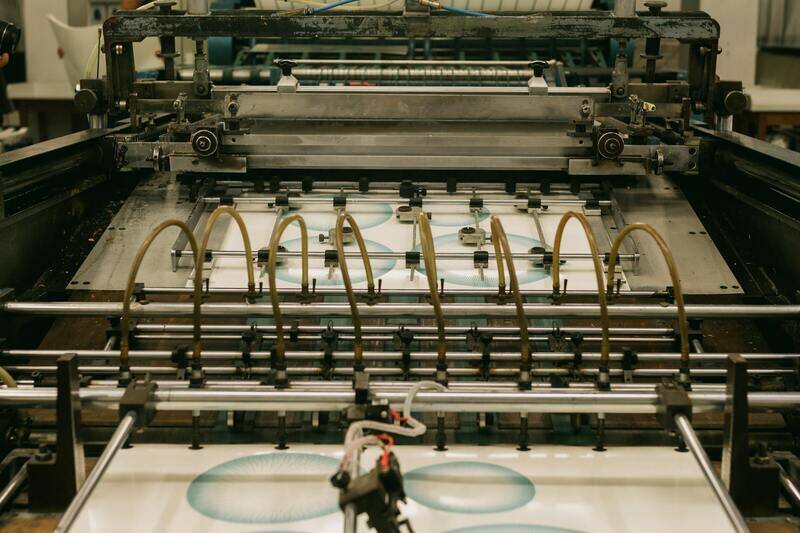
Digital Printing
Digital printing directly replicates digital files onto substrates without the need for physical plates. This method is highly flexible and allows for shorter turnaround times, making it ideal for smaller print runs or projects with frequent design updates. Digital printing offers excellent colour fidelity, especially with advancements in inkjet and toner technologies. It also supports personalization and variable data printing, enabling customized marketing materials, labels, and direct mail campaigns with unique colours tailored to target audiences.

Environmental and Sustainability Considerations
Modern colour printing services are increasingly committed to eco-friendly practices. This includes using vegetable-based, water-based, or soy-based inks that emit lower volatile organic compounds (VOCs). Additionally, many printers incorporate sustainable substrates made from recycled or responsibly sourced materials. Choosing a printing partner that prioritizes environmental responsibility not only aligns with sustainable business practices but also ensures the longevity and vibrancy of printed colours, as eco-conscious inks tend to produce more vivid results and better adhere to environmentally sensitive standards.
Ensuring Accurate Colour Reproduction
Colour management is an integral component of professional printing services. Standard procedures involve the use of colour calibration tools such as spectrophotometers and colour profiling software. These tools help in adjusting and maintaining colour consistency across different print runs and media. Digital proofs are provided for review, allowing clients to confirm a close approximation of colours before proceeding with large batches—a step that significantly reduces reprints, waste, and costs. This rigorous process ensures that the final printed colours match the digital design with precision, reinforcing brand accuracy and visual impact.