Understanding Color Printing and Its Benefits
Color printing has revolutionized the way businesses and individuals communicate through visual content. Unlike monochrome or black-and-white printing, color printing offers vibrant, dynamic visuals that can capture attention, convey messages more effectively, and enhance the overall aesthetic appeal of printed materials. Whether for marketing collateral, educational materials, or personal projects, the ability to reproduce images and designs in full color adds a layer of professionalism and impact that monochrome simply cannot match.
At its core, color printing involves using multiple color inks or toners to create a full spectrum of hues on a variety of media. The most common approach employs four main colors—cyan, magenta, yellow, and black (CMYK)—which combine in various proportions to produce a broad range of colors. This method allows for intricate details, gradients, and realistic imagery that elevate the quality of printed work. The advantages extend beyond visual appeal; color printing can also reinforce branding through consistent color schemes and logos, making printed materials more recognizable and memorable.

For businesses, using color printing can significantly boost marketing efforts—highlighting products, packaging, banners, and promotional materials with striking visuals that grab attention. Educational institutions benefit from full-color charts, diagrams, and posters that facilitate better comprehension and engagement. Additionally, personalized prints like greeting cards, invitations, and photo albums become more captivating when printed in full color.
While the initial investment might be higher compared to monochrome printing, the advantages of color printing—such as increased clarity, professionalism, and visual impact—often justify the expense. It enables precise reproduction of logos, images, and text, reinforcing brand consistency and recognition. The ability to convey emotion, depth, and detail intricately through color makes it an indispensable tool in various printing applications.

From small-scale projects to large commercial runs, color printing provides flexibility, quality, and a powerful means of communication. Selecting the appropriate type of color printing and ensuring proper file preparation are crucial steps in achieving optimal results. As printing technology continues to evolve, so does the capacity for producing even more precise, durable, and environmentally friendly color prints—ensuring that your printed material always stands out effectively.
Types of Color Printing Methods
Choosing the appropriate color printing technique is essential to achieving the desired quality, durability, and cost-efficiency for your project. Understanding the differences between the main methods can help in making an informed decision that aligns with your specific requirements.

Digital Color Printing
Digital printing is widely used for small to medium-sized runs, offering quick turnaround times and cost-effective solutions without the need for extensive setup. It allows for high-quality, full-color prints with detailed images and vibrant hues. This method is ideal for personalized projects like business cards, brochures, and promotional items, where customization and flexibility are priorities.
Offset Color Printing
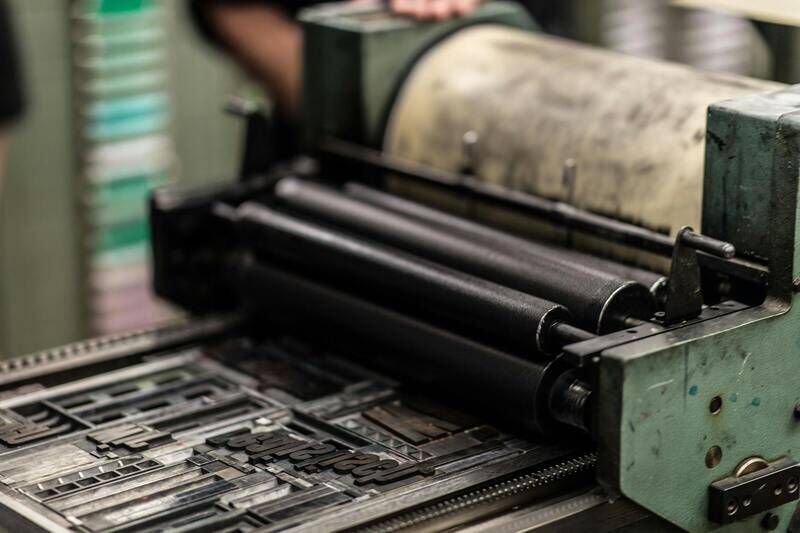
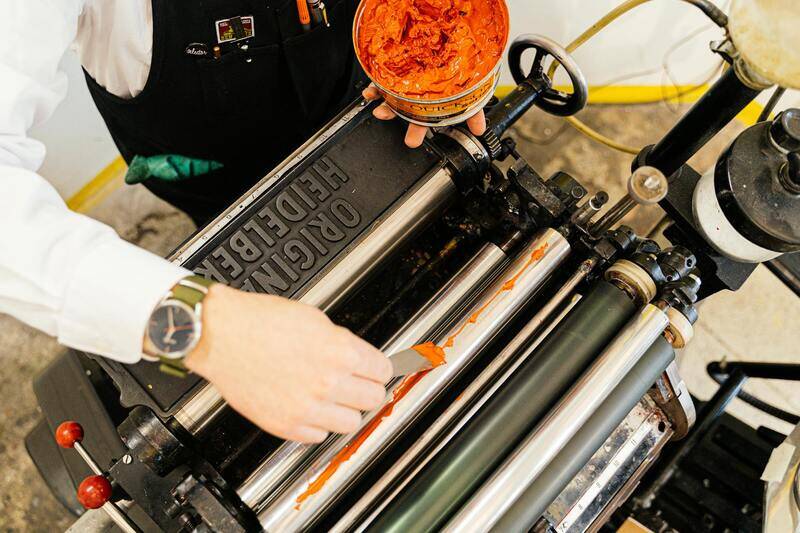
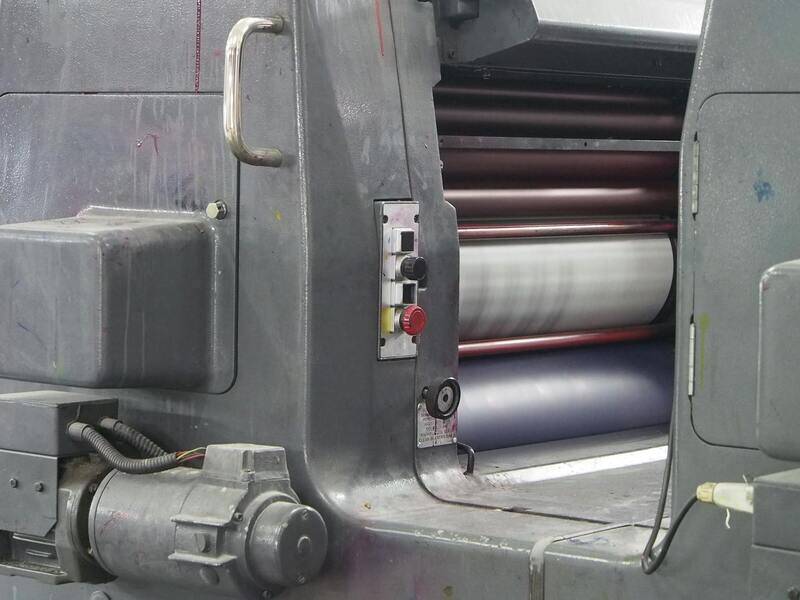
Offset printing is the preferred choice for large-scale production runs requiring high accuracy and consistent color reproduction. It involves transferring ink from plates onto a rubber blanket, then onto the printing surface. This technique excels in producing large quantities of posters, catalogs, and packaging materials with sharp images and rich colors. Although it involves longer setup times, the per-unit cost decreases significantly with larger orders, making it economical for bulk printing.
Large Format Color Printing
Designed for printing banners, signage, wall murals, and other oversized materials, large format printing offers exceptional color vibrancy and detail. It uses specialized printers capable of handling wide media, providing high-resolution output suitable for eye-catching displays, trade show graphics, and retail branding. This method ensures that large-format prints maintain color consistency and visual impact from a distance.
Additional Considerations for Color Printing Methods
- Material Compatibility: Not all techniques are suitable for every material type. For instance, digital printing works well on paper and cardstock, while large format printing can accommodate vinyl, fabric, and PVC sheets.
- Color Management: Different methods have varying capabilities for color accuracy, with offset printing generally providing the most consistent results in large volumes.
- Environment and Sustainability: Modern advancements have led to eco-friendly options across all methods, including the use of water-based inks and recyclable substrates.
Preparing Your Files for Color Printing
Proper file preparation is crucial for achieving vibrant, precise colors and sharp details in your printed materials. Ensuring your digital files meet specific requirements helps prevent misinterpretations of colors and avoids discrepancies during the printing process.
Color Mode and Resolution
Use the CMYK color mode, which closely matches how colors appear on print. Maintain a resolution of at least 300 DPI (dots per inch) for standard prints and higher resolutions for large-format or highly detailed images. This ensures clarity and color richness in the final output.
File Formats and Color Profiles
Submit your files in editable formats like PDF, TIFF, or EPS, which preserve quality and compatibility. Incorporate embedded ICC profiles to ensure consistent color reproduction across different devices and printing platforms.
Bleed and Safety Margins
Include bleed areas (usually 3mm) around your design to accommodate trimming inaccuracies. Keep critical text and images within safety margins to prevent unintended cropping.
Color Proofs and Revisions
Request digital or physical proofs before the final print run. This step allows you to verify color accuracy and make necessary adjustments, minimizing waste and ensuring your project aligns with your expectations.

Official Methods for Ensuring Accurate Color Reproduction
Achieving precise and consistent color output in print projects hinges on adhering to standardized and proven methods. Utilizing ICC (International Color Consortium) profiles embedded within digital files ensures that color data is accurately translated throughout the printing process. These profiles serve as a common language between your digital files and the printer, facilitating uniform color reproduction regardless of device differences.
By calibrating your monitor regularly with professional-grade hardware, you ensure that the colors displayed on your screen are an accurate representation of your intended output. This step is vital for color-critical projects, allowing you to make informed decisions on color choices and adjustments prior to printing.
When submitting files, employ widely accepted formats such as PDF, TIFF, or EPS, which preserve color profiles and image quality. Always include embedded ICC profiles within these files to maintain consistent color output across different viewing and printing devices. Properly prepared files minimize the risk of color mismatches and ensure that the final product aligns with your visual expectations.

Choosing the right printing substrate also influences color accuracy. Different materials can absorb inks differently, altering the perceived hues. By selecting substrates compatible with your design and characterized for color fidelity, you can optimize vibrancy and consistency across multiple print runs.
Another vital aspect involves meticulous proofing. Digital proofs simulate the printed piece, allowing you to verify colors and overall appearance before committing to the final production. Making necessary adjustments based on proof feedback enables precise control over the final output, reducing wastage and rework.
Implementing Quality Control Measures
Consistent quality control in color printing involves regularly inspecting print outputs against calibrated color standards. Employing spectrophotometers or colorimeters to measure color accuracy ensures that prints adhere to expected color values. Many professional printer setups incorporate inline color management systems that automatically adjust ink doses to correct color deviations during production. This ongoing monitoring guarantees the uniformity and precision of color throughout the print run.
Furthermore, establishing clear communication channels with your printing service provider is essential. Sharing detailed color specifications, reference samples, or approved color swatches helps align your expectations with the technical capabilities of the printer. Regular audits and feedback sessions enable continuous improvement in color reproduction quality, fostering trust and consistency across projects.
Understanding Color Printing and Its Benefits
Color printing offers a powerful way to communicate brand identity, enhance visual appeal, and convey detailed information effectively. High-quality color reproduction ensures that images, logos, and graphics are vibrant, accurate, and consistent across various print materials. When executed correctly, color printing can significantly elevate the professionalism of business collateral, promotional items, and packaging. It also helps in establishing a memorable brand presence by maintaining consistency in color schemes across different campaigns and mediums. The ability to reproduce a wide spectrum of colors with precision ensures that your message resonates clearly with your target audience, creating an impactful impression that aligns with your branding strategy. Additionally, color printing provides versatility, enabling the production of diverse materials such as brochures, banners, labels, and customized packaging, each requiring specific color fidelity standards to meet visual expectations.

Types of Color Printing Methods
Various printing techniques are available, each suited to different project requirements, budgets, and production volumes. Understanding these methods helps in selecting the most appropriate approach to achieve optimal results.
- Offset Printing: This traditional method uses metal plates to transfer ink onto paper. Offset color printing offers exceptional color accuracy, sharp detail, and cost-effectiveness for large print runs. It is ideal for producing high-volume projects like catalogs, magazines, and promotional brochures where consistent color reproduction over many copies is essential.
- Digital Color Printing: Digital presses directly print from digital files onto media, offering quick turnaround times and cost efficiency for short to medium runs. Modern digital printers can produce vibrant color outputs and accommodate variable data printing, making them suitable for customized marketing materials, direct mail, and short-run packaging.
- Flexography: Used mainly for packaging and labels, flexography employs flexible relief plates and fast-drying inks that work well with a variety of substrates, including plastics and flexible packaging materials. It supports high-speed production with excellent color consistency.
- Inkjet and Laser Printing: Commonly used for on-demand color printing, these methods provide excellent photo-quality images and are suitable for prototypes, personalized items, or small batch jobs. Although not typically used for large-scale commercial printing, advancements in these technologies have improved their color accuracy.

Preparing Your Files for Color Printing
Effective preparation of digital files is essential to ensuring that the final printed piece meets your expectations regarding color accuracy and overall quality. Start by working in a color-managed environment using design software that supports color profiles, such as Adobe Photoshop or Illustrator. Embed or assign the appropriate color profiles to your files, typically based on the printer’s specifications, to maintain color consistency across devices and workflows.
When designing for color printing, it’s vital to use the correct color mode, usually CMYK, since it closely represents how colors will appear on the printed material. Avoid relying solely on RGB colors from digital screens, as these can shift when converted for print output. Creating a color palette aligned with your branding and project goals ensures uniformity and helps manage expectations from your printing partner.
Proofing plays a critical role in the file preparation process. Digital proofs allow you to review how your colors will translate onto the printed medium. It’s advisable to request physical proofs from your printer before proceeding with the full run, especially for projects where color fidelity is crucial. Adjustments can be made at this stage to refine color accuracy, ensuring the final product closely matches your desired outcome. Additionally, organize your files with proper layers, export settings, and bleed margins to avoid unexpected trims or color inconsistencies during production.

Ensuring Accurate Color Reproduction Through Proper Printing Methods
When it comes to order color printing, selecting the appropriate official methods is fundamental to achieving accurate and vibrant results. Legitimate color printing techniques utilize proven technology and industry-standard processes that prioritize color fidelity, consistency, and overall quality. These methods encompass a range of professional printing processes that are fully compliant with established standards, ensuring your final product reflects your design intentions with high precision.
Official Color Printing Techniques
- Offset Printing: This industrial printing method is renowned for high-quality color reproduction, especially suitable for large-volume projects. Offset printing employs metal plates and precise ink application, which provides sharp details and consistent color output across multiple copies. It's ideal for branding materials, brochures, and premium stationery, as it ensures color accuracy over extensive print runs.
- Digital Color Printing: Utilizing advanced digital presses, this method allows for quick turnaround times and cost-efficiency for small to medium runs. Digital printers are equipped with specialized color management systems that align digital files with printed output, maintaining consistent colors from screen to print. This process supports variable data printing, enabling personalized marketing materials while retaining color quality.
- Flexography: Predominantly used for packaging, labels, and wrappers, flexography employs flexible plates and fast-drying inks. It’s capable of producing vibrant colors with excellent coverage, making it a popular choice for branding on various materials such as plastics and foils. Properly managed flexographic printing ensures the color consistency necessary for effective brand representation.
- Screen Printing: Ideal for printing on diverse materials, including textiles, glass, and metal. Screen printing uses stencils and mesh screens to apply ink, which allows for bold and opaque color layers. When executed with professional standards, it produces vivid colors and durable prints that stand the test of time.

Maintaining Color Consistency and Quality Control
Consistent color output across different print jobs hinges on strict adherence to standardized procedures and regularly calibrated equipment. Legitimate printers routinely calibrate their presses to match industry color standards, such as ISO certifications, which involve verification of color accuracy over time. They also employ advanced color management systems that monitor ink densities and gradients, ensuring predictable results.
During production, quality control measures include spectrophotometric measurements and visual assessments to detect deviations early. These evaluations verify that printed colors align with the approved proofs, reducing the risk of reprints and additional costs. An experienced printing provider will also implement feedback loops and adjustments, addressing any inconsistencies promptly.
Verification and Sample Proofing
Prior to full-scale printing, obtaining physical samples or proofs from authorized providers allows for thorough review of color fidelity. Proofing serves as a critical check, especially for projects with strict branding or color specifications. Legitimate printers produce multiple types of proofs, such as digital, soft proofs, or hard copy proofs, that help clients visualize and approve the final colors.

Advanced Techniques for Enhanced Color Accuracy
Some legitimate methods incorporate technologies like spectral color management, which uses precise measurement tools to reproduce colors within a very narrow tolerance. Others adopt special inks, such as PMS spot colors or metallic hues, to accurately replicate specific brand colors and visual effects. These approaches require sophisticated equipment and expertise but yield results that meet high standards of color fidelity.
Furthermore, digital workflows with embedded ICC profiles help maintain color consistency from file preparation through to printing. These profiles are color calibration tools that map colors accurately across devices and substrates, preventing undesired shifts and ensuring reliable reproduction.
Official Methods for Ordering Color Printing
When seeking to order color printing through reputable providers, it is essential to adhere to official and well-established procedures. This ensures that your project receives the highest quality results, consistent color accuracy, and reliable service. The process typically begins with selecting a trusted printing partner that offers comprehensive consultations and transparent communication channels.
The initial step involves clearly defining your project requirements, including specifications such as paper type, size, quantity, and color fidelity needs. A professional printing service will provide detailed guidelines for submitting your design files, emphasizing the importance of using the correct file formats, color profiles, and resolution standards.
To maintain the integrity of your colors, always prepare files according to the provider’s specifications. Commonly accepted formats include PDF, TIFF, and high-resolution JPEGs, often accompanied by embedded ICC profiles for color management. Proper file preparation minimizes errors and reduces the likelihood of reprints, which can delay delivery timelines and increase costs.
Once your files are ready, most providers offer secure online upload portals or dedicated email channels for submission. These official channels help track your order status and facilitate prompt communication with the printing team.
Throughout the ordering process, maintaining clear documentation and confirming your specifications with the service provider ensures alignment on expectations. This may include verifying proofing processes, color matching procedures, and delivery timelines.

Follow-up is a crucial part of the official ordering process. After the initial submission, requesting sample proofs or digital previews allows you to verify color accuracy before proceeding with the full batch. These controls enable adjustments if necessary, safeguarding your brand consistency and design precision.
Once approved, the printing service will produce your order using verified techniques and quality standards. Throughout the process, transparent communication regarding progress and potential issues ensures a seamless experience from start to finish.
Ensuring Color Accuracy and Quality Control
Maintaining consistent color fidelity across your printed materials is essential for brand integrity and visual appeal. Employing rigorous quality control measures can significantly reduce discrepancies and enhance the overall outcome of your order color printing projects.
Utilizing Digital Proofs and Sample Approvals
Before committing to a large print run, request digital proofs or physical sample prints from your printing service. These proofs serve as a critical step for verifying color accuracy, layout integrity, and material appearance, allowing for necessary adjustments prior to bulk production. Working closely with your provider during this stage helps ensure that the final prints reflect your intended design and color specifications.
Color Calibration and ICC Profiles
High-quality color reproduction relies on proper calibration of both digital devices and printing equipment. Use ICC (International Color Consortium) profiles embedded within your files to facilitate precise color management. These profiles describe the color characteristics of your input device (scanner, monitor) and output device (printer, press), enabling the translation of colors to match your original design as closely as possible.
Maintaining Consistent Printing Conditions
Printing environments should regularly undergo calibration and maintenance to uphold color consistency. Factors such as ambient lighting, temperature, humidity, and ink quality influence print results. When working with professional printing providers, inquire about their calibration routines and quality assurance practices to confirm they align with industry standards.
Clear Communication and Documentation
Early and open communication with your printing partner avoids misunderstandings regarding color expectations. Make sure to discuss specific color codes (e.g., Pantone references), material types, and finishing options. Documenting these details formalizes your requirements and provides a reference point throughout the production process.

Continuous Monitoring and Feedback
During the printing process, request regular updates and, if possible, review interim samples. Prompt feedback from your side allows adjustments to be made in real-time, avoiding major discrepancies upon project completion. This ongoing quality assurance fosters a collaborative approach, ensuring the final output adheres to your specifications with high precision.
Ensuring Accurate Color Reproduction Through Proper Printing Methods
Achieving consistent and vibrant color output hinges on employing the appropriate printing approach and adhering to best practices during the order process. Essential to this is understanding that not all methods are suitable for every project, and selecting the right technique directly influences the fidelity of the final product. Reliable color printing services utilize advanced technology and established procedures to ensure that colors are accurately reproduced, closely matching the original design intent.

Utilizing Professional Printing Techniques for Superior Results
Professional printing establishments typically incorporate various high-end methods tailored to specific project needs. These include digital printing, offset printing, and large-format printing, each chosen based on factors such as volume, detail complexity, and color requirements. Digital printing, for instance, offers quick turnaround times and excellent color precision for smaller batches, while offset printing excels in producing large quantities with consistent color quality. Large-format printing is ideal for banners and visual displays that demand high resolution and vibrant colors.
Effective color reproduction also depends on the use of calibrated equipment and industry-standard processes. Regular calibration of printers ensures that resultant colors are consistent across different runs and materials. Moreover, printing professionals often employ color management systems, including ICC profiles, to standardize color output across different devices and substrates, minimizing variation and guaranteeing that the printed colors match the digital design.
Choosing the Appropriate Substrate and Finishing Options
The choice of printing substrate significantly impacts color appearance and durability. For example, glossy paper enhances color vibrancy and sharpness, making images pop with depth. Matte surfaces, on the other hand, reduce glare and are preferable for designs requiring a muted or sophisticated finish. Additionally, the material's texture and weight can influence how colors are perceived, impacting the overall aesthetic and functional performance of the final product.
Finishing options such as lamination, coating, or special textures can further enhance color richness, protect the prints from environmental damage, and add a premium feel. When ordering color printing, consult with your printing provider about these options to ensure the final output aligns with your expectations and usage needs.
Color Consistency and Proofing Procedures
Before committing to large orders, it is vital to review proof samples. Color proofs serve as a tangible preview of the final product, allowing adjustments to be made prior to mass production. This step minimizes discrepancies, especially for complex designs with precise color matches, such as brand logos or product packaging. High-quality proofing can involve printed samples and digital versions that simulate the final appearance, providing an opportunity to assess color accuracy, contrast, and overall visual impact.
To effectively manage color consistency, consider requesting multiple proof stages and clear documentation of approved colors. This proactive approach ensures that the final printed pieces reflect your original design intent, reducing miscommunication and costly reprints.