Understanding the Purpose of Professional Brochures
Professional brochures serve as a cornerstone of effective marketing and branding strategies for businesses aiming to establish a strong market presence. These printed materials offer an opportunity to communicate a company’s core messages, showcase its products or services, and build credibility among target audiences. Unlike digital marketing tools, brochures provide a tangible, multidimensional experience that can leave a lasting impression when crafted with precision and professionalism.
At their core, professional brochures are designed to inform, persuade, and reinforce brand identity. They act as a visual and textual representation of a company's values, mission, and unique selling propositions. Whether distributed at trade shows, included in direct mail campaigns, or handed out during client meetings, these materials help guide potential customers through the buyer’s journey with clarity and confidence. When created with attention to detail, brochures can elicit trust, demonstrate expertise, and foster long-term relationships with clients and partners.

Furthermore, professionally designed brochures encapsulate the brand’s story in a comprehensive yet digestible format. They serve as a portable reference document, often providing potential clients with essential contact information, comprehensive product descriptions, and case studies or testimonials that validate the quality of your offerings. Strategic use of visuals, layout, and copy in these brochures ensures that your message resonates clearly and stays memorable.
In competitive markets, the role of a professional brochure extends beyond mere information dissemination. It functions as a trust-building tool that distinguishes your business from rivals, communicates your commitment to quality, and offers a tactile experience that digital channels cannot replicate. As such, investing in high-quality brochures aligns with a strategic approach to brand positioning and customer engagement, ultimately contributing to business growth and market differentiation.

Choosing the Right Brochure Format and Size
Selecting an appropriate format and size for your professional brochures is crucial to effectively communicate your brand message and ensure ease of handling by your target audience. Different formats serve distinct purposes, so understanding the advantages and considerations of each is essential for crafting impactful marketing materials.
- Bi-Fold Brochures: Comprising two panels that fold in half, bi-folds offer a clean, organized layout ideal for showcasing products or services sequentially. They are cost-effective and easy to distribute, making them suitable for general promotional purposes.
- Tri-Fold Brochures: Divided into three panels, tri-folds provide six separate sections for content segmentation. Their popularity stems from readability and portability, often used for menus, event programs, or comprehensive service descriptions.
- Z-Fold Brochures: Similar to tri-folds but with a zigzag fold, Z-folds allow for dynamic unfolding and reveal sections sequentially. They are effective in storytelling and guiding the reader through a structured narrative.
- Gate Fold Brochures: Featuring two end panels that open to reveal a larger central panel, gate folds deliver a sophisticated presentation suitable for high-end branding or product launches.
- Booklet or Zine Formats: For more extensive content, booklets provide the space for detailed information, case studies, or portfolios. Their format encourages readers to explore multiple pages in a cohesive flow.

In addition to selecting the format, consider the overall size of the brochure. Common dimensions like A4 (8.27 x 11.69 inches) or DL (110 x 210 mm) are versatile choices that balance professional appearance with functional portability. Larger formats, such as A3, can accommodate detailed visuals and extensive content, while smaller sizes are more convenient for distribution and mailing.
By aligning the brochure format and size with your content needs and target audience preferences, you establish a foundation for a compelling, well-structured marketing piece that enhances your brand's professional image.
Choosing the Right Brochure Format and Size
Selecting the appropriate format and dimensions for your professional brochure is a crucial step in creating an impactful marketing tool. The choice largely depends on your specific objectives, target audience, industry standards, and the type of content you wish to display. When considering formats, traditional options such as bi-fold and tri-fold are versatile and widely used across various sectors. These formats facilitate straightforward navigation and easy handling, making them suitable for retail, real estate, and service industries.
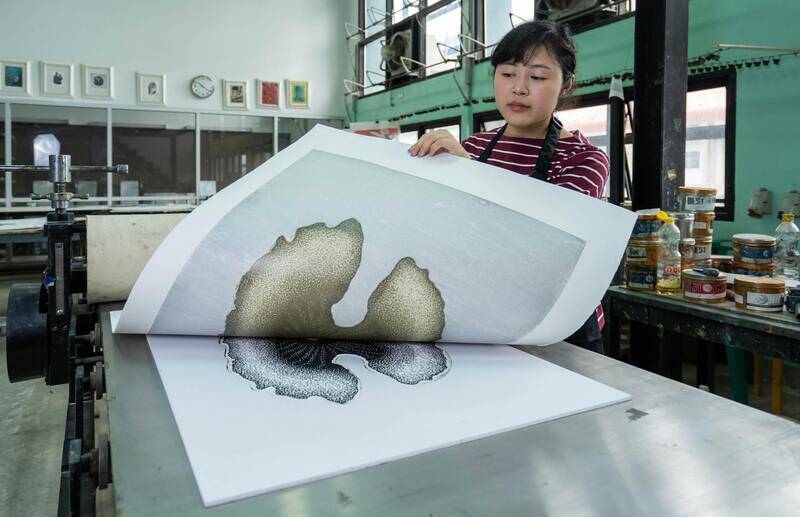
For more extensive content, be it detailed product descriptions or company portfolios, larger formats like A3 or A4 booklets offer additional space. These formats support detailed visuals and multi-page layouts, ideal for corporate presentations, event programs, or comprehensive service catalogs. Conversely, smaller sizes such as DL (110 x 210 mm) are convenient for distribution, fitting neatly into mailings, folders, or brochures placed in customer touchpoints.
Material selection also plays a vital role in the effectiveness of your brochure. Thicker paper stocks, matte or gloss finishes, and specialty textures can elevate the perceived value of your printed piece. For instance, gloss finishes highlight vibrant visuals, making images pop, while matte surfaces provide a refined, professional appearance that reduces glare, improving readability. Additionally, consider sustainability options, such as recycled paper or eco-friendly inks, aligning your marketing efforts with environmentally responsible practices.
Ultimately, the best choice balances visual appeal, practical portability, content volume, and budget considerations. By aligning your brochure's size and format with your messaging goals, you can effectively communicate with your target audience and reinforce your brand’s professional image. Collaborate with printing specialists to explore various configurations and ensure that the final product meets your expectations for quality and functionality.
Choosing the Right Brochure Format and Size
When determining the optimal brochure format for your needs, consider both the nature of your message and the context in which it will be presented. The format influences not only the visual impact but also how easily your target audience can carry and reference your brochure. Common formats include tri-fold, bi-fold, z-fold, and multi-page booklets, each suited for different purposes.
The most popular sizes in professional brochure printing are A4 (210 x 297 mm) and A5 (148 x 210 mm). A4 is often used for detailed product catalogs, corporate profiles, or comprehensive service descriptions, providing ample space for high-resolution images and extensive text. A5, being more compact, is perfect for quick overviews, event handouts, or promotional flyers, ensuring easy distribution and portability.
Size selection should be aligned with distribution channels and audience engagement strategies. Larger formats like A3 can be used for impactful displays or point-of-sale materials, where catching the eye is paramount. Smaller sizes such as DL (110 x 210 mm) are excellent for direct mailing campaigns or inserts within folders, making them convenient for recipients to keep and review later. Incorporating creative folding techniques can also enhance the functionality and appeal, making your brochure stand out through unique presentation styles.

Material choice significantly impacts the brochure’s durability and tactile appeal. Thicker paper stocks, such as 170 gsm or higher, lend a premium feel while ensuring longevity during handling. Matte finishes provide a sophisticated, glare-free surface suitable for extensive reading, while gloss coatings enhance vibrant visuals, making colors pop and images more striking. Specialty textures, such as linen or soft-touch finishes, can add a tactile dimension that reinforces the high quality of your brand.
Environmental considerations are increasingly influencing material selections. Opting for recycled paper or eco-friendly inks demonstrates a commitment to sustainability without compromising visual quality. These options also appeal to eco-conscious consumers, aligning your business values with modern expectations. When choosing the right materials and sizes, collaborating with experienced printing providers can help you explore innovations and custom options that elevate your brochure’s overall impact.
Design Principles for Professional Brochures
Creating an effective brochure involves more than just choosing attractive visuals and compelling text; it requires the application of solid design principles that ensure clarity, visual appeal, and brand consistency. When executed properly, these principles guide the viewer’s eye through the content seamlessly, emphasizing key messages while maintaining aesthetic harmony.
Hierarchy and Visual Flow
Establishing a clear visual hierarchy is fundamental. Use size, color, and placement to direct attention toward the most critical information first—such as your main value proposition or call to action. Headings should be prominent, with subheadings supporting the flow of information. Effective use of whitespace enables the content to breathe, preventing overcrowding and enhancing reader focus.
Color and Typography
Color schemes should align with your brand’s identity and evoke the desired emotional response. Consistent use of brand colors reinforces recognition, while contrasting hues can highlight essential points. Typography choices should prioritize readability, opting for professional fonts that complement the overall design style. Limit font variety to maintain cohesion and avoid visual clutter.
Imagery and Graphics
High-quality images and custom graphics significantly boost a brochure’s professionalism. Authentic visuals that accurately represent your products or services build trust. Incorporate icons and infographics to communicate complex information efficiently, making content more engaging and easier to comprehend.
Consistent Branding
Your brochure should reflect your brand identity uniformly across all design elements. This includes logo placement, color schemes, font styles, and tone of voice. Maintaining consistency helps enhance brand recognition and reinforces your message’s credibility.

Applying these design principles ensures your professional brochures are not only visually appealing but also effective communication tools that support your marketing objectives. Working with skilled designers and utilizing professional print services like printservicesingapore.com can further refine your brochure’s quality, ensuring it meets high standards of appearance and durability.
Understanding the Importance of High-Quality Printing for Your Brochures
Achieving a professional appearance for your brochures extends beyond design; selecting the right printing techniques and materials is essential. When you opt for premium printing options, your printed brochures will not only look more polished but will also better withstand regular handling and environmental factors, ensuring that your marketing message remains attractive and effective over time.
Printing Techniques
There are several printing methods suitable for professional brochures, each offering distinct advantages:
- Offset Printing: Ideal for large print runs, offset printing produces sharp, high-quality images and consistent color fidelity. This method is cost-effective for bulk orders and ensures uniformity across all copies.
- Digital Printing: Suitable for short runs or quick turnaround, digital printing allows for customization and variable data printing. The results are comparable to offset, with the added benefit of flexibility.
- Spot UV and Coating: Applying UV coating or gloss varnishes enhances visual appeal by adding a glossy finish to specific areas, emphasizing images or text and providing additional protection against scratches and smudges.
Paper Quality and Finishes
The selection of paper significantly impacts the tactile experience and durability of your brochures:
- Matte Finish: Offers a non-reflective surface, ideal for readability and a sophisticated look.
- Gloss Finish: Provides vibrant color reproduction and a shiny appearance, making images stand out and catching attention.
- Uncoated Paper: Durable and easy to write on, suitable for informational brochures that may require note-taking.
- Heavyweight Stock: Thicker paper enhances durability and affords a premium feel, often preferred for high-end marketing materials.
Additional Material Features
Enhancements such as textured finishes, embossed elements, or lamination can add tactile interest and elevate the perceived value of your brochures. These options also provide extra protection, helping your printed materials maintain their aesthetic appeal for longer periods.

Choosing the appropriate print method and materials is a strategic decision that aligns with your brand image, budget, and intended brochure use. Collaborating with experienced printing providers ensures that the final product accurately reflects your vision while adhering to high standards of quality and durability. By paying close attention to these aspects, your brochures will serve as effective communication tools, reinforcing your professional reputation and supporting your marketing goals.
Implementing Quality Control Throughout the Printing Process
To maintain the highest standards in your professional brochures, it is essential to establish comprehensive quality control measures at each stage of production. This proactive approach ensures that every brochure meets your specifications and project expectations, safeguarding your brand image and message integrity.
Begin with pre-press checks, which include verifying color accuracy, alignment, bleed settings, and font consistency. Engaging in proofing processes—either via digital proofs or printed samples—allows for tangible evaluation of the design, color fidelity, and overall layout before proceeding to full-scale printing.
During printing, close monitoring of equipment calibration and print runs is vital. Regularly inspecting print batches for issues such as smudging, color inconsistencies, or misregistration helps identify problems early. Employing batch control and automated quality checks can further enhance consistency across large quantities.
Post-printing, a thorough inspection should be conducted to examine edges, finishing quality, and binding (if applicable). Ensuring that the final product aligns with your approved proofs and specifications solidifies the credibility of your marketing collateral.

Partnering with a reputable printing service with certified quality assurance practices can significantly streamline this process. Such providers employ advanced technology and experienced personnel dedicated to upholding high production standards. This collaborative effort guarantees that the final brochures are polished, durable, and effective communication tools.
Furthermore, establishing standardized procedures for receiving and assessing quality at each stage minimizes errors and reprints. Detailed checklists, regular staff training, and client feedback loops are essential components of a robust quality management system. By prioritizing quality throughout, your organization's professional brochures will deliver maximum impact, enhance brand trust, and achieve your marketing goals effectively.
Implementing Ethical Distribution of Brochures
Ensuring that your professional brochures reach the right audience is crucial for maximizing their impact and maintaining the integrity of your marketing efforts. Ethical distribution strategies involve thoughtful planning and execution to avoid waste and ensure that your brochures are accessible to potential clients and stakeholders who will benefit from them.
Targeted Distribution Channels
Using multiple targeted channels guarantees that your brochures are placed in environments where your audience is most active. This may include placement in professional settings such as trade shows, exhibitions, or industry conferences. Additionally, direct mail campaigns, strategically sent to selected demographics or geographic areas, can significantly increase engagement.
- Identify key locations that attract your target demographic.
- Collaborate with business partners or event organizers to distribute brochures at relevant industry events.
- Utilize direct mailing services to reach specific segments with personalized messaging.
- Leverage corporate waiting areas, retail counters, or service centers to place brochures where customers spend time.
Respectful and Environmentally Friendly Practices
Respecting privacy and environmental considerations is essential in brochure distribution. Always seek permission before placing brochures in private or semi-private areas. Opt for sustainable materials and environmentally conscious printing practices to minimize ecological impact and demonstrate corporate responsibility.
Monitoring and Measuring Effectiveness
Implement tracking mechanisms to evaluate the success of your distribution efforts. Incorporate unique QR codes or URLs to measure engagement and gather data on how recipients interact with your content. Regular analysis of these metrics enables you to refine your distribution strategies for improved results.
Maintaining Brand Image Throughout Distribution
Consistent messaging and presentation are paramount when distributing brochures. Ensure that collection points, display stands, or handouts reflect your brand identity accurately. Staff tasked with handing out brochures should be trained to communicate key messages effectively, reinforcing your brand's professionalism and commitment to quality.