Understanding Poster Printing and Its Uses
Poster printing remains a powerful visual communication tool utilized across various industries and settings. Whether for advertising, educational purposes, event promotion, or informational displays, posters serve as an effective method to attract attention and convey messages succinctly. They are designed to grab the viewer’s eye and communicate key information quickly and clearly, often combining striking visuals with concise text.
The primary goal of poster printing is to create a visually compelling piece that can stand out in diverse environments. For instance, promotional posters are commonly seen in retail outlets, public transportation stations, and outdoor locations, aiming to influence consumer behavior and increase brand visibility. Meanwhile, educational posters are frequently used in schools, seminars, and conferences to inform audiences about specific topics efficiently.
Types of posters vary depending on their intended purpose. Promotional posters, such as those for events, products, or services, often prioritize bold imagery and minimal text to make immediate visual impact. Informational posters, on the other hand, tend to include detailed graphics, charts, and organized data to facilitate learning and comprehension.
The role of posters extends beyond mere advertisement; they also serve as tools for brand identity and corporate communication. Well-designed posters can reinforce brand recognition and communicate organizational messages eloquently. They act as constant visual reminders that resonate with target audiences, whether they are customers, employees, or the general public.
In modern poster printing, advancements in technology have expanded possibilities for customization, material choices, and production speeds. Digital printing methods allow for high-quality, short-run poster production with quick turnaround times. This flexibility makes poster printing highly adaptable to different project needs, whether for one-time events or ongoing campaigns.
Proper poster printing involves a combination of strategic design, material selection, and precise execution. As an essential component of visual marketing and communication strategies, posters continue to evolve with technological developments, maintaining their relevance and effectiveness across countless applications.
Choosing the Right Materials for Poster Printing
When it comes to printing out posters, selecting the appropriate materials is a critical factor that influences the final outcome, durability, and visual appeal. The choice of paper, vinyl, or other substrates depends largely on the intended use, display environment, and longevity requirements. Quality materials can significantly enhance the poster’s impact, ensuring that colors remain vibrant and details sharp over time.

Types of Printing Materials
- Glossy Paper: Ideal for vibrant, high-impact visuals, glossy paper enhances color depth and contrast, making images pop. Suitable for indoor displays where longevity is less of a concern.
- Matte Paper: Provides a non-reflective finish that reduces glare, making it suitable for posters that will be viewed under bright lighting or in settings requiring a more subdued look.
- Vinyl: Known for its durability and weather resistance, vinyl is perfect for outdoor signage and posters exposed to varying environmental conditions. It resists water, tearing, and UV damage.
- Canvas or Fabric: Used for premium displays, fabric posters offer a textured aesthetic and increased longevity, often utilized in art installations or upscale promotional environments.
- Backlit or Transparent Films: These materials facilitate light transmission, ideal for window displays or illuminated poster setups, providing a luminous and eye-catching effect.
Finishes and Treatments
In addition to raw material selection, finishing options such as lamination, UV coating, or matte varnish play vital roles in enhancing durability and appearance. Laminations can add scratch resistance, while UV coatings provide resistance to fading caused by sunlight. The choice of finish should match both the material and the display environment to optimize the poster’s lifespan and visual appeal.
Material Selection Based on Application
For indoor marketing campaigns, paper options like gloss or matte are generally sufficient and cost-effective. Conversely, outdoor or high-traffic areas demand more resilient materials like weatherproof vinyl or laminated fabric to withstand environmental stressors. Budget considerations also influence material choices; however, investing in higher-quality substrates ensures that the poster maintains its visual integrity over time, ultimately supporting more effective communication.
Options for Official Posters Printing Methods
When it comes to printing posters, selecting the method that aligns with your project's scope, quality expectations, and budget is essential. There are several official printing techniques commonly used by industry professionals to produce vibrant, durable, and high-resolution posters. Understanding these options can help you make an informed decision and ensure your visuals translate accurately on the final product.
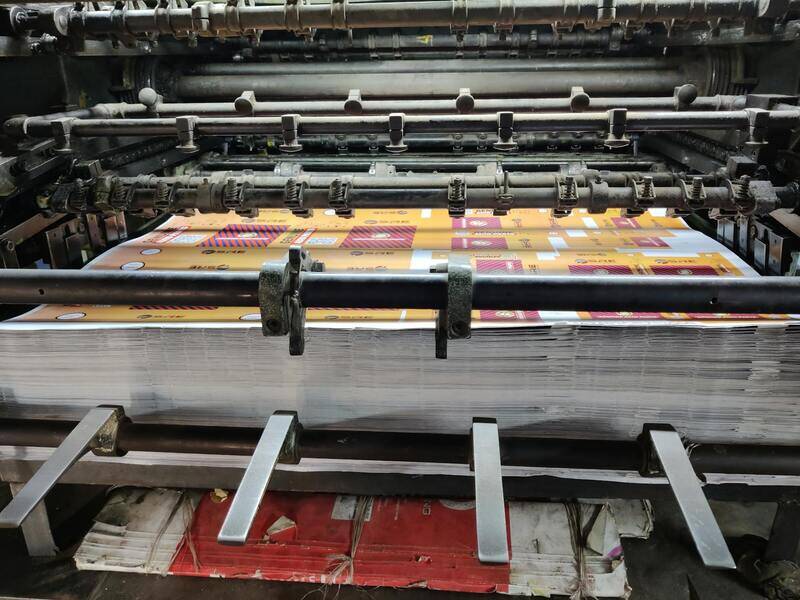
- Offset Printing: This traditional method is renowned for producing high-quality images with precise color reproduction. Offset printing involves transferring ink from a plate to a rubber sheet, then onto the printing surface. It is ideal for large volume runs due to its cost-effectiveness and consistency across copies. This technique suits promotional campaigns requiring multiple posters or large quantities without sacrificing detail or color fidelity.
- Digital Printing: Digital printing has gained prominence for its quick turnaround times and flexibility. Unlike offset printing, digital methods do not require plates, making it easier for short runs or customized posters. It is excellent for personalized posters, prototypes, or campaigns with frequent updates. The technology allows for high-resolution outputs, vibrant color matching, and the ability to print variable data seamlessly.
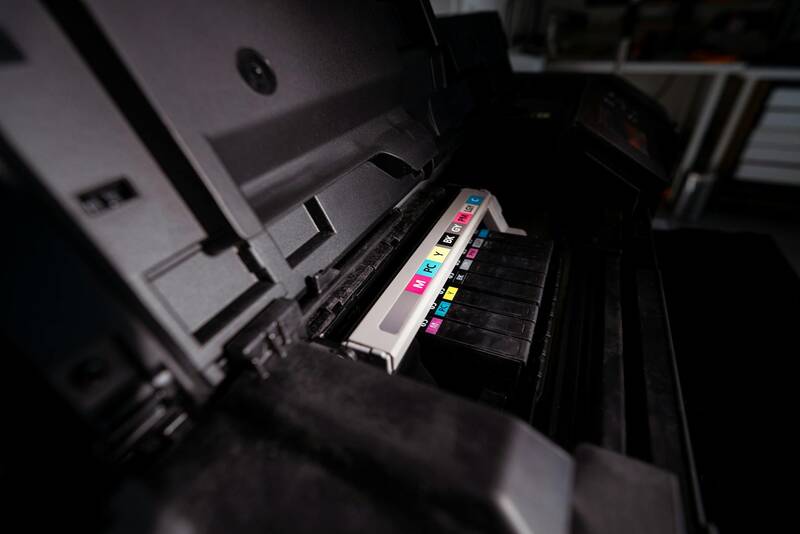
- Large Format Inkjet Printing: Most commonly employed for oversized posters or banners, large format inkjet printing provides crisp images over broad surfaces. Using dye or pigment-based inks, this method ensures color vibrancy and longevity, especially when printing on weather-resistant materials for outdoor use. It enables clients to produce eye-catching displays for events, exhibitions, or storefronts with detailed graphics and photographic quality.
- Screen Printing: When posters require specific effects, such as metallic finishes or textured elements, screen printing presents a versatile option. This technique involves forcing ink through a mesh stencil onto the substrate. While more time-consuming and costlier for small quantities, it offers durable, vibrant prints suitable for limited editions or specialty promotional items.
Legitimate Channels for Professional Poster Printing
To achieve the best results and preserve your investment, it is advisable to work with reputable printing service providers. Established companies that adhere to industry standards utilize advanced technology and quality materials, ensuring your posters meet specified requirements for size, durability, and visual impact. Engaging with certified printing businesses provides access to expert advice on material selection, finishing treatments, and color management, which are critical for producing effective promotional posters.
Qualified printers typically offer comprehensive pre-press services, including file verification, color calibration, and proofing. This process allows clients to review a digital or physical sample before the final print run, reducing the risk of errors and ensuring the poster aligns perfectly with your creative vision. Moreover, choosing a provider with proper credentials guarantees adherence to safety and environmental regulations, supporting sustainable practices in printing.
Official Methods for Poster Distribution
Once printed, the effective distribution of posters plays a vital role in maximizing their promotional impact. Distributing posters through official and legitimate channels guarantees broad visibility and maintains the integrity of your brand or message.
- Direct Distribution: Handing out posters at events, malls, or high-traffic locations ensures immediate exposure. It allows for targeted delivery to specific demographics and creates engagement opportunities.
- Post Office and Courier Services: Sending posters via postal or courier services provides secure delivery, especially for out-of-town locations. Most reputable couriers offer tracking and insurance options to safeguard your materials during transit.
- Partnership with Distributors: Collaborating with established partners such as advertising agencies or signage companies helps secure prominent display spots and ensures compliance with local regulations and display standards.
- Placement in Approved Public Spaces: Officially sanctioned billboard areas, community boards, or shop windows offer high visibility, but require adherence to respective zoning and posting policies. Securing permits and following guidelines prevents unwanted removal or penalties.
Legitimate distribution methods not only uphold the professionalism of your promotional campaign but also guarantee that your posters reach their intended audience effectively. Proper planning, along with the choice of official channels, results in sustained visibility and improved communication outcomes.
Types of Poster Printing Techniques Available
To ensure the highest quality and durability of your posters, selecting the right printing technique is crucial. The most common methods include offset printing, digital printing, and large-format printing, each suited for different needs and quantities.
- Offset Printing: Ideal for large volume orders, offset printing produces sharp, high-quality images with consistent color reproduction. This traditional method involves creating plates for each color, making it cost-effective for bulk production. It offers superior color accuracy and detail, making it ideal for marketing campaigns that require vibrant visuals.
- Digital Printing: Suitable for short runs or projects requiring quick turnaround times, digital printing directly transfers digital images onto poster substrates. This method supports variable data printing, allowing customization with different texts or images across posters. The cost-efficiency for small quantities makes it popular among local businesses and event organizers.
- Large-Format Printing: Designed specifically for creating posters at sizes larger than standard formats, large-format printing uses specialized printers capable of handling expansive media. This technique is essential for outdoor advertising or attention-grabbing displays, offering excellent color fidelity and weather-resistant outputs when printed on suitable materials.
Considerations When Choosing a Printing Method
Choosing the appropriate printing technology depends on several factors:
- Quantity: Offset printing is most economical for large volumes, whereas digital printing benefits smaller runs.
- Urgency: Digital and large-format printing typically offer faster turnaround times, suitable for last-minute projects.
- Design Complexity: Complex designs with vibrant colors and fine details benefit from offset printing’s precision, while simpler or variable graphics are well-suited for digital methods.
- Target Environment: For outdoor, weather-resistant posters, ensure the chosen printing process supports durable ink and substrates, especially with large-format options.
Additional Printing Options to Enhance Poster Impact
To further elevate your posters' appeal, consider incorporating finishing techniques such as gloss or matte lamination, which provide surface protection and aesthetic enhancement. UV coatings can also add durability against outdoor elements, prolonging the poster's lifespan. When planning your print job, consult with printing professionals to select options that best align with your campaign goals and environmental considerations.
Understanding Poster Printing and Its Uses
Poster printing serves a wide array of purposes, ranging from advertising and promotional campaigns to educational displays and artistic showcases. Businesses utilize posters to attract attention at events, communicate key messages, or promote products with visually compelling graphics. Educational institutions leverage posters to disseminate information efficiently within campuses or during conferences. Artists and designers also rely on poster printing to showcase their work in exhibitions or for personal portfolio displays.
The effectiveness of printed posters hinges on clarity, visual impact, and the ability to convey a message succinctly. High-quality poster printing ensures that every detail, color nuance, and emphasis point captures the viewer's attention. Whether used indoors or outdoors, posters must be durable, vibrant, and strategically placed to maximize visibility and engagement.

In the realm of marketing, printout posters have evolved from traditional paper mediums to advanced materials capable of withstanding weather and handling rigorous display conditions. For indoor environments, lightweight options like coated paper or cardstock are sufficient, providing sharp visuals and easy installation. Outdoor posters, however, demand robust media such as vinyl or mesh banners that resist moisture, UV rays, and tearing, ensuring sustained visual impact over extended periods.
Choosing the Right Materials for Poster Printing
The selection of materials directly influences the appearance, durability, and cost of your posters. For indoor applications, options like glossy or matte laminated paper offer vibrant color reproduction and a sophisticated finish. When outdoor exposure is anticipated, weather-resistant substrates like vinyl, canvas, or polycarbonate are preferable since they protect against harsh environmental elements.
- Glossy Paper: Enhances color brightness and detail; suitable for short-term displays.
- Matte Paper: Reduces glare, ideal for readability in bright environments.
- Vinyl: Durable, waterproof, ideal for outdoor advertising.
- Canvas: Provides a textured, artistic feel; suitable for wall art and gallery displays.
Considering the intended display environment and longevity requirements will help determine the optimal material choice, ensuring your posters remain impactful and professional-looking over time.
Design Principles for Effective Posters
Design plays a critical role in the success of a printed poster. Using clear, concise messaging with bold typography ensures that viewers can easily grasp the main point at a glance. Strong visual hierarchy guides the viewer’s eye through the content, highlighting key information such as event dates, contact details, or promotional offers. Incorporate high-resolution images and vibrant colors that align with your branding or message to create an aesthetic that draws attention.
Balance, contrast, and alignment are essential design principles that contribute to visual harmony and readability. Avoid clutter by limiting the amount of text, and position essential elements prominently. Including a call-to-action or contact information in a conspicuous area encourages viewers to respond or seek more details.
Selecting the Appropriate Size and Format
The size and format of your poster significantly influence both its visibility and effectiveness. Larger posters, such as those measuring 24x36 inches or more, are suitable for outdoor billboards or large event displays, ensuring the message is legible from a distance. Smaller formats, like A3 or A4, work well for indoor use, handouts, or detailed presentations.
Choosing the right aspect ratio and orientation—portrait or landscape—depends on the content emphasis and display location. For instance, vertical posters are ideal for promoting vertical spaces like poles or columns, whereas horizontal formats suit banners and wide storefront displays. Custom sizes can also be printed to meet specific spatial requirements or design needs, offering flexibility for diverse marketing strategies.
Professional print service providers can assist in determining the optimal size and format, ensuring your poster's dimensions align with the intended display environment and audience distance.
Proper Techniques for Reproducing Posters Accurately
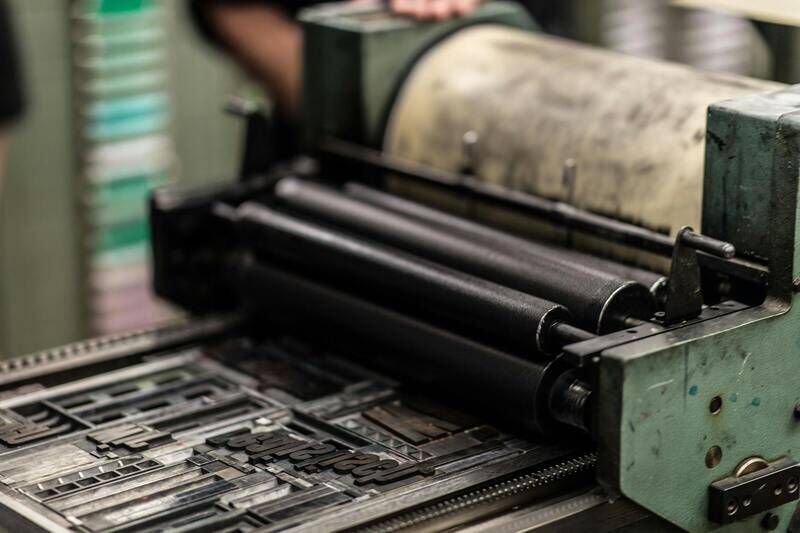
When it comes to producing professional-quality posters, understanding the various printing methods available ensures that the final product meets your expectations and adheres to your project's standards. Accurate reproduction relies heavily on selecting the appropriate method, which depends on factors such as volume, desired detail, material compatibility, and budget constraints.
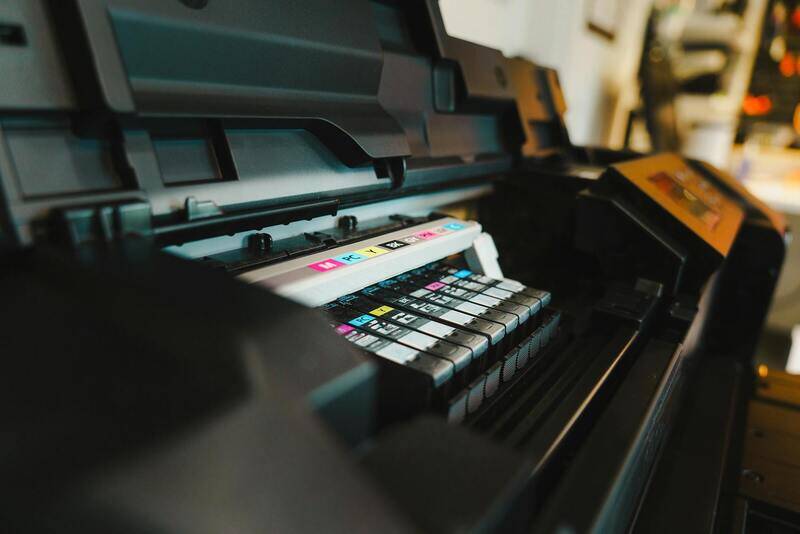
Digital printing is the most common method for poster reproduction due to its speed, affordability, and versatility. It allows for high-resolution prints with vibrant color fidelity, ideal for short to medium print runs. Digital printers are capable of handling various substrates, from standard poster paper to synthetic materials, accommodating a range of display needs.
Large format printing is specifically designed for wide and oversized posters, often utilizing wide-format inkjet or solvent-based printers. These printers can produce posters measuring up to 60 inches or more, suitable for outdoor advertising or large-scale displays. The print process employs UV or solvent inks, providing durability and resistance against environmental factors.
Screen printing remains relevant for specific poster types that require special effects, unique textures, or custom colors. While generally more suited for bulk production, it offers vibrant color outputs and can print on diverse surfaces, including fabric and rigid materials. However, it involves a more complex setup process and higher initial investments, making it less flexible for small runs or rapid changes.
Ensuring Quality and Consistency in Poster Printing
Achieving consistent and high-quality posters requires meticulous attention at every stage of the printing process. Collaborating with reputable print service providers ensures access to advanced equipment and skilled technicians who can manage color calibration, material selection, and finishing treatments effectively.
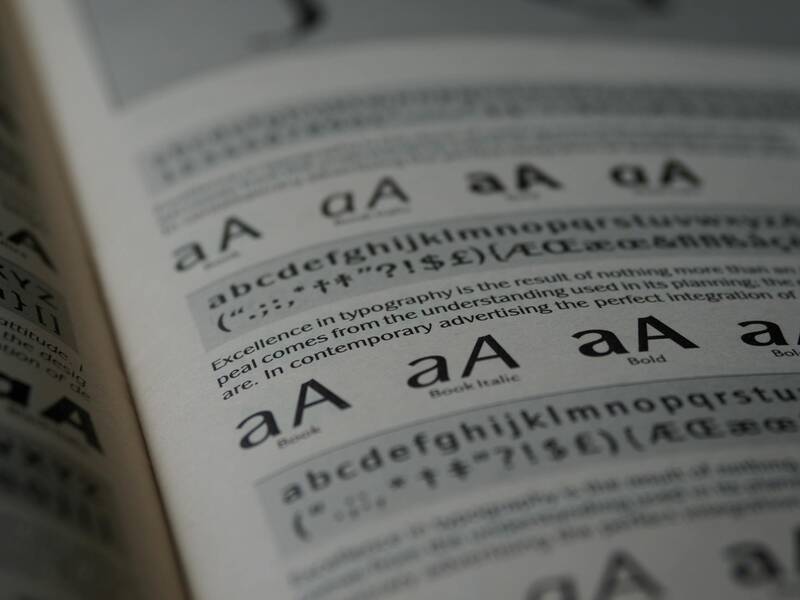
Color management plays a vital role in maintaining visual consistency, especially when reproducing brand colors. Utilizing color profiles such as CMYK or Pantone ensures that the digital design translates accurately onto the printed surface. Printing in high resolution, typically 300 dots per inch (DPI) or above, guarantees crisp details and sharp images.
Inspection and quality control during and post-printing are critical steps. Checking for issues such as color inconsistencies, registration errors, or ink smudging helps to mitigate rework and material wastage. Using test prints for evaluation before the full production run can prevent costly mistakes, especially for large or high-value posters.
Best Practices for Securing Office or Business Signage Posters
Securing posters in outdoor or high-traffic environments involves selecting appropriate mounting and reinforcement techniques. Proper installation not only preserves the visual integrity of posters but also ensures safety and durability over time.
- Using high-quality adhesives designed for outdoor conditions guarantees that posters stay affixed despite weather changes.
- Removable mounts and frames facilitate replacement and repositioning, maintaining a professional appearance without damaging the poster or the mounting surface.
- Reinforcing posters with lamination or UV coating extends their lifespan, protecting them from fading, moisture, and physical wear.
- Employing sturdy mounting hardware such as hooks, rails, or brackets allows for secure attachment on various surfaces, including brick, metal, or wood.
- Strategic placement at eye level or in highly visible areas maximizes exposure and impact, making sure the message reaches the intended audience effectively.
Best Practices for Printing and Distributing Posters
Distributing printed posters effectively ensures that your visual message reaches the intended audience with maximum impact. While the legitimacy of printing methods is essential, focusing on proper distribution techniques enhances visibility and engagement. Professional printing services, such as those offered through printservicesingapore.com, utilize industry-standard printing methods that guarantee high-quality results, giving your posters a professional appearance that commands attention across various environments.
Strategic Placement of Posters
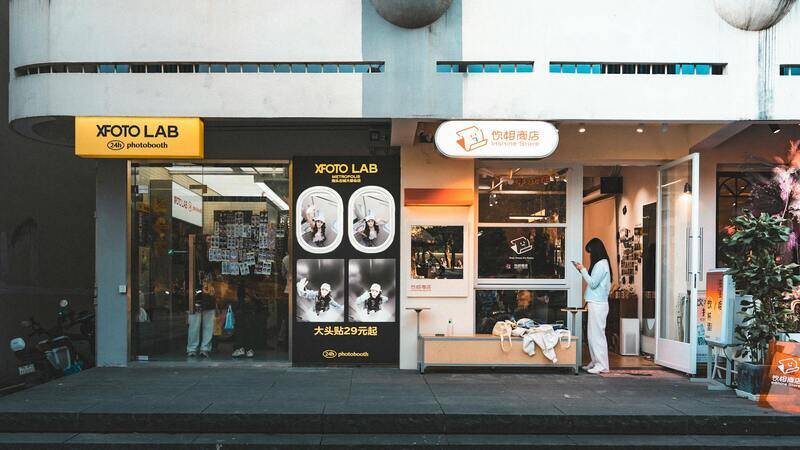
Identifying high-traffic and high-visibility areas is critical for maximizing exposure. Common venues include storefronts, community centers, transportation hubs, and event spaces. Placement at eye level is especially effective in capturing immediate attention. When selecting locations, consider environmental factors such as sunlight and weather conditions, which can affect the durability and readability of posters over time.
Adopting a strategic approach to placement not only increases the likelihood of reaching your target demographic but also ensures that your investment yields optimal results. Utilizing professional installation ensures posters are affixed securely, avoiding damage or unintentional removal that could diminish their visual impact.
Utilizing Proper Mounting and Framing Techniques
Proper mounting techniques are fundamental to maintaining the visual integrity of posters over time. Using high-quality adhesives designed for specific surfaces prevents damage and facilitates clean removal or replacement. Frames and mounting hardware, such as hooks or rails, add stability and make repositioning easier, especially for recurring campaigns or events.
Distribution Methods to Reach Wider Audiences
Beyond physical placement, distributing posters through strategic channels extends their reach. Consider partnering with local organizations, community boards, or social hubs to amplify your message. Handouts at events or through direct mailing methods can further enhance visibility. Leveraging digital platforms by integrating QR codes on posters allows viewers to access additional information online, bridging physical and digital marketing channels effectively.
Ensuring Consistency and Brand Recognition
Consistent branding across all posters reinforces message credibility and recognizability. Use uniform colors, fonts, and logos to maintain professionalism. When posters are distributed through multiple channels, ensuring design consistency prevents confusion and builds a cohesive visual identity that resonates across different audiences and environments.
Monitoring and Evaluating Effectiveness
To determine the impact of your poster campaign, consider methods like tracking QR code scans, gathering feedback, or observing foot traffic in key areas. This data helps refine future distribution strategies and improve overall campaign effectiveness. Regular evaluation ensures your poster printing and distribution efforts remain aligned with your marketing objectives.
Displaying and Distributing Printed Posters
Effective display and distribution are crucial components of any successful poster campaign. Proper display methods ensure the poster garners maximum attention, while strategic distribution channels expand its reach to the intended audience. Balancing these elements effectively enhances visibility, encourages engagement, and amplifies the message conveyed by the poster.
Optimal Display Techniques for Posters
- Location Selection: Choose high-traffic areas with good visibility, such as busy streets, shopping centers, community centers, and transportation hubs. Places where your target demographic frequently visits will maximize exposure.
- Height and Eye-Level Placement: Mount posters at eye level to catch the attention of passersby. Consider the average eye height of your audience and ensure the poster is unobstructed and well-lit.
- Material Durability: Use weather-resistant materials for outdoor installations to withstand environmental elements. For indoor displays, lightweight yet sturdy substrates prevent damage and facilitate easy mounting.
- Mounting Methods: Employ reliable mounting techniques such as adhesive hooks, acrylic frames, or velcro strips that preserve the poster’s integrity and facilitate quick changes when needed. Secure the edges to prevent curling or tearing over time.
- Lighting and Visibility: Enhance visibility with appropriate lighting, especially for posters placed in low-light environments. Lighting fixtures can highlight key areas of the poster, making it stand out.
Strategic Distribution Strategies
- Partner with Local Organizations: Collaborate with community centers, retail outlets, and social hubs to display posters on their premises. These partnerships can significantly broaden your campaign’s reach.
- Utilize Digital Integration: Incorporate QR codes or short URLs on posters to provide digital access to detailed information, interactive content, or online offers. This integration bridges offline and online engagement, increasing user interaction.
- Event and Community Engagement: Distribute posters at sponsored events, markets, or community gatherings where your target audience congregates. Handouts or mounted displays can reinforce your message.
- Transit Advertising: Place posters in public transportation stations, buses, and metro lines to reach commuters. These high-visibility locations are effective for widespread exposure.
- Direct Mail and Handouts: Send posters through direct mailing campaigns or distribute handouts during promotional events. Personalized distribution can increase engagement and recall.
Leveraging Digital Platforms for Amplification
While physical display remains essential, integrating digital strategies can significantly augment poster campaigns. Sharing images of posters on social media, websites, and online communities encourages wider dissemination. Additionally, digital signage can complement physical posters, offering dynamic content that captures attention. Ensuring consistency in message and visual identity across all channels enhances brand recognition and campaign coherence.