Understanding Large Image Printing
Large image printing refers to the process of producing high-resolution images on expansive surfaces, typically exceeding standard print sizes. This technique is employed to create visually striking displays that command attention and convey detailed messages effectively. Common applications encompass billboard advertisements, wall murals, trade show backgrounds, gallery displays, and retail signage, among many others. Industries such as marketing, interior design, event management, and arts benefit significantly from advanced large-scale printing solutions. The primary goal of large image printing is to produce vivid, sharp visuals that maintain clarity and color fidelity even at considerable sizes. This ensures that the intended impact and messaging are achieved without compromise. The demand for quality and durability in large images is fueled by the need for visual consistency across various environments—whether it’s outdoor harsh conditions or indoor aesthetic settings. As technology advances, the capability to print larger images with precise detail has become more accessible, transforming the way brands and creatives approach visual communication. The process involves meticulous planning, from design to execution, to ensure that images retain their quality, appear seamless, and withstand environmental factors. Consequently, understanding the fundamentals of large image printing is essential for making informed decisions that align with project goals and budget considerations.
Types of Large Image Printing Techniques
Various printing techniques enable the production of large images, each suited to specific applications and material types. The most prevalent methods include:
- UV Printing: Utilizes ultraviolet light to instantly cure ink, allowing for vibrant colors and the ability to print on diverse surfaces such as plastics, wood, and metal. UV printing offers exceptional durability, making it suitable for outdoor displays.
- Solvent and Eco-Solvent Printing: Employs solvent-based inks that penetrate substrates deeply, resulting in weather-resistant prints. This method is widely used for banners, billboards, and vehicle wraps.
- Latex Printing: Uses water-based latex inks that produce flexible, eco-friendly, and vivid images. Latex printers are versatile and ideal for fabric and vinyl applications.
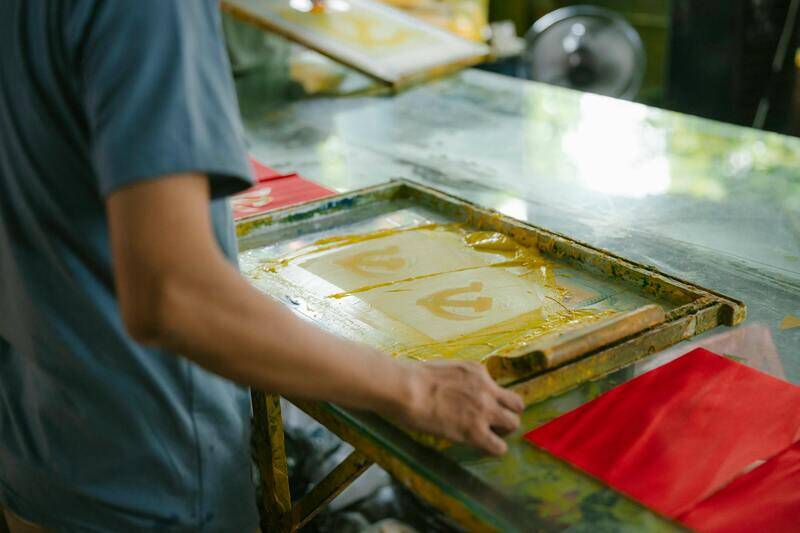
- Screen Printing: A traditional method involving pushing ink through a mesh stencil onto surfaces. It is cost-effective for high-volume production and works well with a variety of materials.
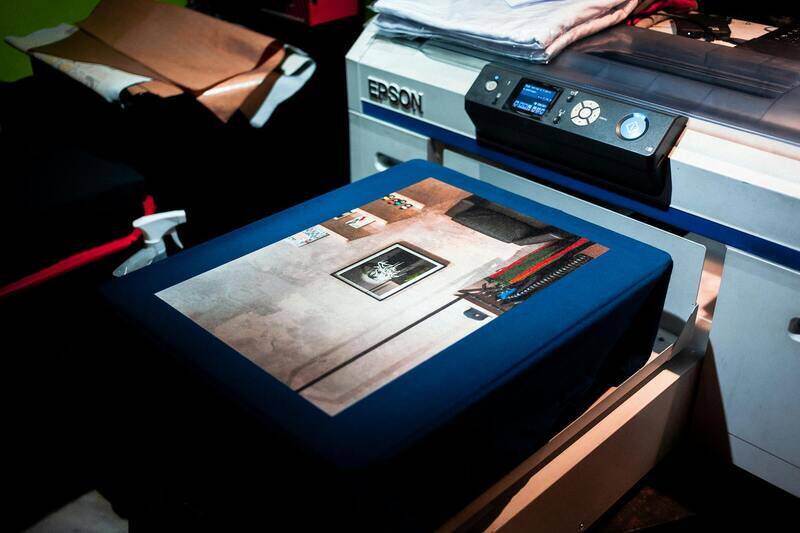
- Direct-to-Substrate (DTS) Printing: Applies ink directly onto non-paper surfaces, making it suitable for custom signage, promotional items, and interior décor.
Understanding Large Image Printing
Large image printing encompasses a variety of methods designed to produce high-quality visuals at significant sizes, suitable for a multitude of applications ranging from advertising displays to interior décor. As an integral part of visual communication, large-format prints serve to capture attention, convey messages effectively, and create immersive environments. The expansive scale of these images demands precision in printing techniques, selection of appropriate materials, and meticulous planning from conception to execution. Recognizing the nuances of different printing processes and their alignment with project requirements ensures optimal durability, vibrant color reproduction, and overall visual impact.
Types of Large Image Printing Techniques
Choosing the right printing technique is crucial for achieving desired outcomes in large image projects. Each method offers unique advantages tailored to specific substrates, environmental conditions, and budget considerations. The primary techniques include:
- UV Printing: Employs ultraviolet light to immediately cure inks on surfaces such as plastics, wood, or metal. It produces vibrant, detailed images with excellent weather resistance, making it ideal for outdoor signage and displays.
- Solvent and Eco-Solvent Printing: Uses solvent-based inks that deeply penetrate porous materials. This method delivers weather-resistant, durable prints suitable for billboards, vehicle wraps, and outdoor banners.
- Latex Printing: Utilizes water-based latex inks, providing flexibility and eco-friendliness. It is well-suited for fabrics, vinyl, and interior applications requiring vibrant, resilient images.
- Screen Printing: A traditional technique that pushes ink through a mesh stencil onto surfaces. It is cost-effective for large-volume orders and works well with a variety of materials, including textiles and plastics.
- Direct-to-Substrate (DTS) Printing: Applies ink directly onto non-paper surfaces such as wood, glass, or metal. This method is perfect for personalized signage and interior decor items.
Understanding Large Image Printing
Large image printing encompasses a range of techniques and materials designed to produce high-quality visuals at significant scales, suitable for a variety of applications from advertising to interior decoration. The process demands precision and expertise to ensure that the final output meets both aesthetic and functional expectations. By leveraging advanced printing methods and premium substrates, professionals can create impactful displays that retain clarity, color fidelity, and durability over time.
Key factors such as resolution, color accuracy, and material compatibility play vital roles in achieving optimum results. Proper calibration of printers, alongside high-quality digital files prepared with appropriate color profiles, ensures that the printed images precisely reflect the intended design. When executed by skilled technicians, large image printing becomes a powerful tool for branding, visual storytelling, and aesthetic enhancement across diverse sectors.
Types of Large Image Printing Techniques
Choosing the appropriate printing technique is fundamental to attaining the desired quality, durability, and cost-efficiency. Various methods exist, each suited to specific project requirements, substrate types, and environmental conditions:
- UV Printing: Uses ultraviolet light to instantly cure inks directly on surfaces such as plastics, glass, or metal. It produces vivid, detailed images with excellent weather resistance, making it suitable for outdoor signage and displays requiring longevity.
- Solvent and Eco-Solvent Printing: Employs solvent-based inks that penetrate porous materials deeply, resulting in weatherproof, durable prints. This method is ideal for billboards, vehicle wraps, and exterior banners exposed to outdoor elements.
- Latex Printing: Utilizes water-based latex inks that provide flexibility and environmental safety. It is perfect for printing on fabrics, vinyl, and interior decor, offering vibrant colors and resilience against environmental factors.
- Screen Printing: A traditional, cost-effective approach that presses ink through a mesh stencil onto various surfaces like textiles and plastics. Screen printing excels in large-volume production runs and custom designs with bold color applications.
- Direct-to-Substrate (DTS) Printing: Applies ink directly onto non-paper surfaces such as wood, glass, or metal. This method allows for highly personalized and permanent signage solutions that seamlessly integrate into interior or exterior designs.
The selection of a particular technique hinges on project specifics including substrate compatibility, environmental exposure, and budget constraints. Ensuring that the chosen method aligns with the intended application guarantees a high-quality and enduring visual display, essential for effective communication and branding.
Understanding Large Image Printing
Large image printing involves creating visuals that are significantly bigger than typical prints, often used for banners, billboards, murals, and other expansive signage. This process demands precise attention to detail in terms of resolution, color accuracy, and material selection to ensure the final output meets both aesthetic and functional expectations. High-quality large prints serve as powerful communication tools, capturing attention from afar and conveying messages in a visually compelling manner.
Successful large-format printing requires an understanding of the complexities involved, including how different printing techniques adapt to various substrates and environmental conditions. Given the scale, even minor errors can be magnified, making expert handling from file preparation to printing and finishing essential for achieving optimal results. Whether for outdoor advertising or interior decor, determining the appropriate approach hinges on specific project requirements and intended placements.
Types of Large Image Printing Techniques
Choosing the right printing method is fundamental to achieving durability, color fidelity, and resolution. Each technique offers unique advantages aligned with different substrate types and display conditions:
- Solvent and Eco-Solvent Printing: Utilizes solvent-based inks that penetrate porous surfaces deeply, resulting in weather-resistant and long-lasting prints. Ideal for outdoor signage, billboards, and vehicle wraps where exposure to the elements is significant.
- Latex Printing: Employs water-based latex inks that provide flexibility and environmentally friendly benefits. Suitable for printing on fabrics, vinyl banners, and wall coverings, delivering vibrant colors with resistance to environmental stressors.
- Screen Printing: A traditional printing method capable of producing bold, vivid colors cost-effectively, especially suitable for large volume runs on textiles, plastics, or metal surfaces. Its stencil-based technique handles extensive quantities efficiently.
- Direct-to-Substrate (DTS) Printing: Applies ink directly onto non-paper surfaces such as wood, glass, and metal, enabling permanent customization. Perfect for innovative signage or bespoke decorative panels where durability and aesthetic appeal are paramount.
Each method’s choice depends heavily on factors such as substrate compatibility, environmental exposure, and budget considerations. Proper selection ensures the final image maintains vibrancy, sharpness, and weather resistance over time.
Materials Used in Large Image Printing
Material selection is critical in large image printing, directly affecting the durability, visual impact, and application scope of the final product. Common materials include:
- Vinyl: A versatile and weather-resistant choice suitable for both indoor and outdoor banners, vehicle wraps, and signage. Available in matte or gloss finishes to enhance color vibrancy and reduce glare.
- Canvas: Often used for murals and fine art displays, delivering a textured appearance that adds depth and elegance to the print.
- Polyester and Polyester Mesh: Durable fabrics used for outdoor banners and sports-related signage, breathable and capable of withstanding harsh weather conditions.
- Rigid Substrates (Acrylic, Aluminum, Wood): Employed in direct-to-substrate printing for signage that demands permanence and a sleek, professional appearance.
Furthermore, the choice of material influences the specific printing technique employed, as well as post-printing treatments like lamination or coating, which enhance longevity and appearance.
Design Considerations for Large Images
When preparing a large image for printing, careful consideration of design elements is essential to ensure the final output meets both aesthetic and functional requirements. The resolution of the digital file must be sufficiently high, typically at least 150-300 DPI at the actual print size, to maintain sharpness and detail. For very large prints, such as banners or murals, a lower DPI may be acceptable due to viewing distance, but the image must still be optimized to prevent pixelation or blurriness.
Color accuracy is another critical factor. Precise color management involves using calibrated monitors and color profiles during file preparation. Embedding ICC profiles within the digital file ensures that colors are reproduced consistently across different devices and in the final print. It's advisable to use color-rich images with high contrast and vibrant hues, which translate more effectively in large-format prints.
Design layout and composition should take viewing distance into account. Elements intended for close-up viewing should be highly detailed and positioned strategically to avoid distortion or loss of clarity. Conversely, images viewed from afar can emphasize bold structures and large areas of color without requiring fine detail.
Additionally, margins, bleed areas, and safe zones must be incorporated into the design to accommodate trimming and installation tolerances. Properly prepared files reduce the risk of unwanted white borders or cropping errors, ensuring the visual impact of the finished piece aligns with the original concept.
File Formats and Preparation Tips
- Use lossless formats such as TIFF or PSD for the highest quality image retention.
- Avoid compressed JPEG files that may introduce artifacts and reduce clarity.
- Maintain proper layering and color profiles within the file for easier management and accurate color reproduction.
- Ensure resolution settings are appropriate for the print size to prevent pixelation.
- Consult with your printing provider for specific file preparation guidelines and preferred formats.
Understanding Large Image Printing
Large image printing encompasses the process of producing high-resolution images on expansive surfaces, often exceeding standard print sizes. This specialized printing technique enables the reproduction of visually striking visuals for various applications such as advertising billboards, murals, trade show displays, and interior decor. Precision and quality control are vital in large-format printing, ensuring that the final output maintains clarity, color fidelity, and durability. Factors such as the choice of printing technology, substrate material, and professional calibration directly influence the effectiveness and lifespan of the finished product.
Understanding the nuances of these processes allows clients to select appropriate solutions tailored to their specific needs. Whether for creating a captivating mural or professional signage, mastering the various technical aspects guarantees a seamless transition from digital design to physical display, emphasizing the importance of experienced service providers equipped with advanced equipment and industry knowledge.
Types of Large Image Printing Techniques
Numerous printing methods cater to large-format requirements, each with distinct advantages and ideal applications. The most common techniques include:
- Solvent and Eco-Solvent Printing: Utilized for outdoor signage and banners, these methods produce durable, weather-resistant images with vibrant color reproduction. They are suitable for vinyl, fabric, and PVC surfaces.
- UV Printing: Employing ultraviolet light to cure inks instantly on rigid or flexible substrates, UV printing offers high-resolution images with exceptional adhesion and scratch resistance. This method is ideal for signage, decorative panels, and display units.
- Latex Printing: Known for environmentally friendly attributes, latex printing provides flexible, breathable images capable of withstanding outdoor conditions. It also allows for a wide range of media and is favored for both indoor and outdoor applications.
- Solvent and Eco-Solvent Printing: Known for their durability and vivid color output, these techniques are common in producing large banners, vehicle wraps, and outdoor signage.
- Giclée and Dye Sublimation: Primarily used for high-quality art reproductions and fabric prints, these techniques can be adapted for large fabric banners or interior decor elements.

Materials Used in Large Image Printing
The choice of material significantly impacts the durability, appearance, and application of large prints. Key substrates include:
- Vinyl: Highly versatile and weather-resistant, vinyl is the most prevalent material for outdoor banners, wall coverings, and vehicle wraps.
- Canvas: Offers a textured, artistic look suitable for gallery wraps, interior decor, and fine art reproductions.
- Backlit Films: Designed for illuminated displays like lightboxes, enhancing visual appeal in night settings.
- Fabric: Used for banners, curtains, and soft signage, fabrics provide a lightweight, flexible option that can be easily transported and installed.
- Rigid Materials (Acrylic, PVC, Aluminum): For signs and decorative panels where durability and a premium finish are required.
Design Considerations for Large Images
Creating impactful large images requires careful planning of layout, resolution, and visual hierarchy. Designers should keep in mind the intended viewing distance; images viewed from afar benefit from bold colors and simple compositions, whereas close-up viewing demands high levels of detail and sharpness. Incorporating safe zones, margins, and bleed areas is also essential to prevent unintended cropping or border issues during installation.
- High-resolution files are critical; typically, a minimum of 150 dpi at final print size is recommended to prevent pixelation.
- Designs should leverage contrast and color vibrancy to maintain visual impact across various lighting conditions.
- Consideration of the viewing environment, lighting conditions, and surrounding architecture can enhance the overall effectiveness of the large image display.
Color Management and File Preparation
Achieving accurate color reproduction in large-format printing begins with meticulous file preparation. Use lossless formats such as TIFF or PSD to preserve image quality and ensure detailed color data. It's crucial to embed or assign color profiles compatible with the printer's color management system, often sRGB or Adobe RGB, to guarantee consistency in color output.
Ensuring the resolution is appropriate for the final print size minimizes pixelation. For instance, a typical standard for large prints is 150 dpi, but some applications may require higher resolutions. Designers should confirm the preferred file specifications with their print service provider to optimize the output quality.
- Maintain proper layering, masking, and transparent backgrounds as needed.
- Check that all text is outlined or embedded to prevent font issues during printing.
- Remove any unnecessary elements or artifacts that could interfere with the print quality.
- Review and proof the file in a scaled version to catch potential issues prior to printing.
Care and Maintenance of Large Image Prints
Preserving the visual appeal and integrity of large image prints extends their lifespan and maintains their impact over time. Proper care practices minimize damage from environmental factors, handling, and aging, ensuring that vibrant visuals continue to impress viewers long after installation.
Environmental Controls
Optimal environmental conditions are essential for the longevity of large prints. Humidity and temperature fluctuations can cause materials such as vinyl and fabric to warp, peel, or develop mold. It is recommended to keep prints in a stable environment with controlled humidity (ideally between 40-60%) and temperatures around 20-25°C. Direct sunlight exposure should be minimized, as UV rays accelerate fading and deterioration.
Cleaning and Dusting
Routine cleaning involves gentle dusting with a soft, lint-free cloth or a soft brush to remove surface debris. For more thorough cleaning, use specialized cleaning solutions designed for the specific material—strictly avoiding harsh chemicals or abrasive cleaners that could damage the print surface. When cleaning larger installations such as murals or banners, careful manual cleaning or professional services may be necessary to prevent accidental damage.
Handling Precautions
- Wear gloves during handling to prevent oil transfer from hands.
- Avoid folding or creasing large prints; store rolled with the printed side outside on acid-free tubes or cores.
- When installing or repositioning, use proper support structures to prevent tears or sagging.
Protective Measures
Applying protective coatings can prolong a print’s lifespan, especially for outdoor or high-traffic displays. UV coatings or laminates serve as shields against UV rays, moisture, dirt, and scratches. For indoor applications, matte or gloss laminates can also enhance visual appeal and provide additional protection without altering the print's appearance significantly.
Long-term Storage Solutions
If large prints need to be stored temporarily, roll them carefully with the printed surface facing outward to prevent cracking or surface damage. Store in a cool, dry environment away from direct sunlight, ideally in acid-free containers or tubes. Ensure that storage areas are free from pests and pollutants that could compromise the material’s integrity over time.

Ensuring Proper Handling and Maintenance of Large Image Prints
When it comes to the upkeep of large image prints, proper handling and maintenance practices play a crucial role in preserving their visual impact and structural integrity over time. High-quality large prints, whether displayed indoors or outdoors, demand careful attention to environmental conditions, cleaning methods, and handling protocols to extend their longevity and maintain their aesthetic appeal.
Handling Large Image Prints with Care
Handling large prints requires strategic measures to prevent accidental damage such as tears, creases, or surface abrasions. Always wear clean, lint-free gloves when touching the printed surface to avoid transferring oils or dirt. Use both hands for support when moving or adjusting large-format prints, ensuring that the print is adequately supported throughout the process. Avoid folding or creasing, and when storage is necessary, roll the print with the printed side facing outward around acid-free cores or tubes. This prevents unnecessary stress on the material and helps maintain surface quality.
For installations or repositioning, employ support structures such as tension poles or mounting frames to evenly distribute weight and prevent sagging or tears. When dealing with outdoor banners or murals, use appropriate lifting techniques and support tools to minimize physical stress on the material, especially at corners or attachment points.
Environmental Conditions and Storage
Maintaining optimal environmental conditions is key to preserving large image prints. Avoid exposure to direct sunlight, extreme heat, or high humidity, as these factors can cause fading, warping, or deterioration of the print material. When not on display, store prints in controlled environments that are cool, dry, and protected from pollutants and pests.
For short-term storage, carefully roll the print with the printed side facing outward to prevent surface cracking, and keep it in acid-free containers or tubes. Ensure the storage area is free of dust, moisture, and temperature fluctuations, which can all negatively impact the material's integrity over time. Implementing these precautions helps preserve the color vibrancy and structural stability of large-format images.
Cleaning and Maintenance Practices
Cleaning large images requires gentle and deliberate techniques to avoid surface damage. Use soft, lint-free cloths or brushes to remove dust and loose debris. For more stubborn dirt or smudges, lightly dampen a cloth with distilled water or a specialized cleaning solution designed for the print material, avoiding harsh chemicals or abrasive cleaners. Never use rough scrubbing tools or solvents that could degrade the surface or alter colors.
For outdoor prints vulnerable to environmental exposure, applying protective clear coatings such as UV-resistant laminates or varnishes adds an extra layer of defense against fading, dirt, and moisture. Regular inspections can help identify early signs of wear or damage, allowing timely intervention to prevent further deterioration.
Prolonging the Lifespan of Large-Format Prints
To maximize the lifespan of large image prints, consider applying professional-grade protective coatings before display, especially for outdoor installations. These coatings can inhibit UV damage, moisture infiltration, and surface abrasions. For indoor displays, using anti-glare or matte laminates not only shields the print but also reduces glare, enhancing visibility and visual appeal.
Complement these protective measures with consistent cleaning routines and environmental controls. Regularly inspecting the print quality and promptly addressing any issues can significantly extend the visual and physical life of large image displays, ensuring they remain impactful for years to come.