Understanding Big Size Photo Printing
Big size photo printing has become an essential service across multiple industries, including advertising, interior design, event planning, and fine art. This process involves producing high-resolution images on large substrates, often exceeding standard dimensions such as 24x36 inches, and reaching sizes like 4x8 feet or even larger. The significance of large-format photo prints lies in their ability to create striking visual impacts, serve as decorative elements, or provide detailed visual information in large public spaces.
In commercial contexts, big size photo prints are used for billboards, backdrops for exhibitions, and promotional displays that demand eye-catching visuals, often combined with vibrant colors and sharp details. In residential and commercial interiors, oversized photographs are used to transform spaces, providing focal points that convey emotion, style, or brand identity. Additionally, photographers and artists utilize large format prints to exhibit their work vividly, capturing every nuance of their imagery with clarity.
The process of creating big size photo prints involves specialized equipment and materials to ensure that the enlarged images remain clear, vibrant, and durable. High-resolution digital files are essential, and choosing the appropriate printing method determines the final quality of the print. When executed properly, large photo prints can preserve intricate details, smooth color gradations, and resist fading over time.
Given their diverse applications, big size photo printing has evolved as a vital aspect of visual communication, offering unparalleled versatility and creative potential. Whether used for personal expression, marketing campaigns, or decorative enhancements, the ability to produce high-quality large prints ensures that the visual message resonates with viewers effectively and professionally.
Choosing the Right Material for Large Format Prints
Selecting the appropriate material is fundamental to achieving high-quality big size photo prints that meet specific display requirements and environmental conditions. Each material offers unique advantages, depending on the intended use, location, and desired aesthetic. Common options include canvas, vinyl, and specialty photographic papers, each tailored for different applications and durability needs.
Canvas is frequently employed for artistic and interior decorative purposes. Its textured surface mimics traditional art paintings, adding a sophisticated look while offering a degree of flexibility and stretchability. Canvas prints tend to be more tolerant of slight surface imperfections and are ideal for gallery walls or custom framing projects. They also have a natural, matte finish that minimizes glare, making them suitable for well-lit environments.
Vinyl materials are the preferred choice for outdoor applications and large banners. Their water-resistant, weatherproof properties ensure longevity when exposed to elements such as rain, sunlight, and temperature fluctuations. Vinyl is highly versatile, allowing for vibrant, eye-catching graphics that retain color fidelity over time. Matte or gloss finishes can be selected based on desired visual effects, with gloss providing a more vibrant appearance and matte reducing reflections.
For indoor displays or fine art reproductions, photographic papers such as glossy, semi-gloss, or matte papers remain popular options. These materials deliver crisp details and vivid colors, ideal for showcasing photographic artwork or portfolios. Their smooth surfaces enhance sharpness, but they may be more susceptible to fingerprints, scratches, and fading over extended periods if not properly protected.
In addition to the primary material, environmental factors must be considered. UV-resistant coatings and anti-fade laminates can significantly extend the lifespan of prints, especially in spaces with direct sunlight. Moreover, weight and installation logistics vary between materials. Heavy, rigid substrates like aluminum or Forex boards can provide a sleek, durable finish while facilitating simpler installation, especially for large, vibrant prints meant for permanent display.

The selection process should account for both aesthetic preferences and practical requirements ensuring the print’s performance and preservation over time. Consulting with professional printing services can provide guidance tailored to specific project needs, ensuring that the chosen material complements the image content and display environment, ultimately enhancing the visual impact of the large-format photograph.
Understanding Big Size Photo Printing
Creating impactful large-scale photographs requires more than just enlarging a digital image; it involves selecting the appropriate printing techniques and materials that preserve image clarity, color vibrancy, and durability. When opting for big size photo print, professionals emphasize high-resolution source images, precise color management, and modern printing technologies to achieve the desired visual effect. These elements, combined with suitable materials and finishing touches, ensure that each print stands out, whether it’s for art displays, commercial advertising, or personal mementos.
High-quality big prints demand meticulous attention to detail throughout the printing process. From the initial image selection and preparation to the final output, each step influences the overall result. Digital images used for large format printing should possess a minimum resolution of 150 dpi at the final desired print size, with 300 dpi preferred for extremely detailed work. It’s essential to work with high-resolution files to prevent pixelation or loss of clarity when the image is scaled to large dimensions.
Optimal Image Resolution and Editing Techniques
- Resolution standards: Use images with a resolution suitable for the final print size, typically 300 dpi for crisp detail.
- Image cropping: Maintain aspect ratios that match the print size to avoid unnecessary cropping or distortion.
- Color correction: Adjust brightness, contrast, and saturation to ensure color accuracy and vibrancy in the final print.
- Utilizing editing tools: Advanced photo editing software enables precise adjustments, noise reduction, sharpening, and color matching to optimize images for large-scale output.
- Proofing: Always review digital proofs or test prints to align expectations before the final production run.
By adhering to these guidelines, it becomes possible to produce large photo prints that faithfully reproduce the original image with exceptional clarity and color fidelity, making the final display both eye-catching and professional.
Technological Innovations Enhancing Large Format Printing
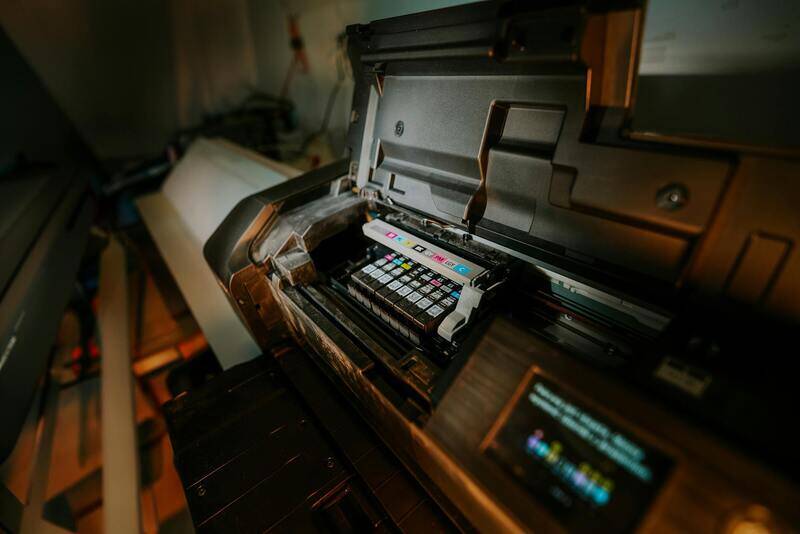
Modern printing technologies play a pivotal role in achieving high-quality large photo prints. Ultrasonic and aqueous inkjet printers equipped with wide-gamut color cartridges deliver wider color ranges and smoother gradations. Additionally, UV-curable printers allow for printing directly onto various rigid materials, providing durability and versatility. Continuous advancements in printhead precision, ink formulation, and substrate handling have resulted in sharper details, more accurate color transitions, and longer-lasting results, suitable for both indoor and outdoor displays.
Choosing the right printing technique depends on the intended use, display environment, and material compatibility. Flatbed printers are ideal for printing directly onto rigid surfaces like plexiglass or aluminum panels, while roll-to-roll printers excel in producing large, continuous banners and murals. Hybrid options combine both capabilities, offering flexibility for diverse projects. Ultimately, utilizing the latest printing technologies ensures that big size photo prints achieve maximum visual impact and longevity, whether for commercial showcases or personal installations.
Selecting Appropriate Printing Techniques to Enhance Big Size Photos
Choosing the right printing technique is essential for capturing the fine details, vibrant colors, and overall integrity of large photo prints. Inkjet printing remains the most prevalent method for producing high-quality, large-format images. It allows for precise control over color application and detail reproduction, making it suitable for both personal and commercial projects. Modern inkjet printers utilize aqueous, solvent, or UV-curable inks, each catering to specific needs regarding durability, environmental resistance, and surface compatibility.
Solvent printing, for example, is favored for outdoor applications due to its resistance to moisture, UV exposure, and environmental pollutants. This method uses solvent-based inks that penetrate the substrate surface, resulting in highly durable prints capable of withstanding harsh conditions. Conversely, aqueous inkjet printers are often used for indoor displays where high color fidelity and fine detail are priorities. UV-curable printers further expand versatility by printing directly onto rigid surfaces like acrylic, metal, or glass, offering exceptional durability and a sleek aesthetic.
Understanding Color Management in Large Photographic Prints
Color accuracy is paramount when producing large-format photographs. Effective color management begins with a calibrated monitor and professional-grade color profiles, ensuring that the digital image matches the final print as closely as possible. During the printing process, color calibration of printers and monitors ensures consistent output, especially critical for those demanding precise color reproduction.
Utilizing standardized color spaces, such as Adobe RGB or sRGB, helps maintain color consistency across devices. Additionally, selecting the correct ICC profiles for specific inks and substrates optimizes color fidelity and tonal range. Regular calibration and profiling of printing equipment prevent color drift and ensure that the vibrancy and subtleties of the image are preserved at a large scale.
Workflows that include proofing and soft-proofing steps enable adjustments before the final print, reducing errors and waste. For displays or exhibitions where exact color matching to branding or artistic vision is necessary, meticulous color management protocols are essential for achieving the desired visual impact.

Strategies for Ensuring Perfect Installation and Framing of Large Prints
The presentation of big size photo prints greatly depends on professional installation and framing. Proper mounting techniques prevent warping or damage over time, especially for outdoor or high-traffic indoor environments. Depending on the material, different mounting methods—such as adhesive mounting, framing, or tension systems—are employed to secure the print firmly and evenly.
Framing not only enhances aesthetic appeal but also provides physical protection. For large prints, durable framing with UV-protective glass or acrylic shields can safeguard against dust, UV rays, and accidental contact. Specialized framing options, such as float mounting or direct print on substrates, create modern visual effects suitable for contemporary spaces.
Additionally, precise measurement and handling during installation are critical to maintain the integrity of the printed image. Employing experienced professionals ensures a seamless and secure setup that showcases the artwork at its best while preventing common issues like sagging or misalignment.

Cost Management for Large Photo Printing Projects
Understanding cost factors helps managing budgets effectively for big size photo prints. Expense components include media materials, printing technology, labor, and finishing requirements. High-quality rigid substrates or specialty media can significantly influence overall costs. Additionally, larger prints require more material and ink, naturally increasing expenses.
Choosing appropriate materials and printing techniques aligned with the purpose and display environment optimizes costs. For instance, opting for durable but cost-effective substrates like aluminum composite panels or heavy-duty vinyl can balance longevity with affordability. Bulk printing or volume discounts from service providers may also reduce per-unit costs for large projects.
Additional costs may involve framing, installation, and post-printing treatments, such as laminating or coating. Planning these aspects early in the project ensures a comprehensive budget that covers all necessary stages without surprises. Quality and longevity should be prioritized to avoid frequent replacements or repairs, ultimately providing better value for investment.
Installation and Framing of Large Prints
Proper installation and framing are critical steps to ensure that big size photo prints are showcased effectively and maintained in optimal condition over time. When handling such sizable pieces, precision in mounting is essential to prevent sagging, warping, or detachment, which could compromise both the aesthetic value and the safety of the display. Employing specialized hardware, such as heavy-duty wall anchors, level installation tools, and secure mounting brackets, guarantees a stable and visually appealing setup.
Framing large photo prints not only enhances their appearance but also provides vital protection against environmental factors such as dust, moisture, and physical impacts. Frames made from durable materials like aluminum, wood, or custom-engineered composites should be selected based on the environment where the print will be displayed. Additionally, framing techniques like using UV-resistant glass or acrylic shields can significantly prolong the visual clarity and color fidelity of the print while shielding it from harmful rays and scratches.
Cost Considerations for Big Size Photo Printing
The costs associated with large-format photo printing extend beyond the initial printing process. Essential factors include the choice of media, type of printing technology, and the complexity of installation and framing. Materials such as aluminum panels, heavy-duty vinyl, or canvas each carry different price points, and selecting the appropriate one impacts both quality and budget.
High-end printing technologies, such as ultra-high-resolution inkjet printers and color-managed workflows, ensure the fidelity and vibrancy of large images but may add to the overall expense. Additionally, finishing touches like mounting, lamination, or coating are integral to preserving the print's integrity and enhancing its appearance but can contribute significantly to costs.
Volume discounts, package deals, and choosing cost-effective yet durable materials can help manage the overall expenditure for large-scale projects. When planning for a big size photo print, it's important to account for all these factors upfront to avoid unforeseen expenses and ensure the desired quality outcome.

Maintenance and Longevity of Large Photo Prints
Ensuring the longevity of big size photo prints involves a combination of proper maintenance practices and selecting suitable materials for long-term durability. Regular dusting with soft cloths or gentle cleaning solutions is sufficient to keep the surface clear of dirt and pollutants. Avoiding exposure to direct sunlight and high humidity conditions can prevent fading and material degradation.
Strategic placement in controlled environments helps maximize the lifespan of large photo prints. For outdoor displays, weather-resistant substrates and protective coatings are vital to withstand environmental stressors such as rain, UV rays, and temperature fluctuations. Periodic inspections allow for early detection of any damages, enabling timely repairs or reconditioning.
Investing in high-quality materials and protective treatments upfront may incur additional costs but ultimately offers better resistance to wear and tear, reducing the need for frequent replacements. Proper handling during maintenance and professional advice on cleaning techniques further ensure the long-lasting visual appeal of large photo prints.
Understanding Big Size Photo Printing
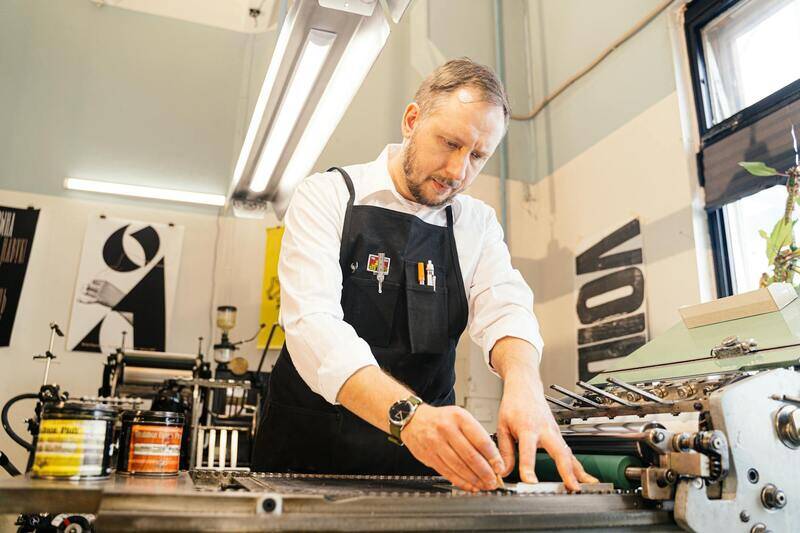
Large format photo printing is an art that combines both technical precision and creative vision. When producing big size photo prints, the goal is to translate digital images into tangible displays that retain their sharpness, color fidelity, and overall visual impact on a much larger scale. The process requires careful planning, from selecting the appropriate materials to understanding the technical aspects that influence output quality. A key consideration in big size photo printing is ensuring that the image resolution is sufficient for enlargement. Unlike standard prints, where pixel density might be less critical, large-scale prints demand a higher resolution to maintain clarity and detail at viewing distance. This can involve upscaling images or starting with high-resolution original files, especially when projecting detailed landscapes, artistic compositions, or commercial advertisements. The choice of printing technology plays a significant role in the result. Modern methods like inkjet printing, particularly with wide-format printers, offer notable advantages in color accuracy and material compatibility. These printers use specialized inks that adhere well to diverse substrates, producing vibrant and durable images. The printing process itself must be meticulously calibrated, involving precise color management techniques to ensure consistency across the entire surface. When producing big size photo prints, professionals often utilize large-format printers that accommodate various sizes, ranging from several feet in width to billboard-scale dimensions. This flexibility enables customization according to the client's specifications, whether for indoor wall art, outdoor signage, or event backdrops. The careful handling of large prints during and after printing minimizes risks of damage, creasing, or misalignment. Below are specific factors that influence the overall quality and success of big size photo prints:
- Image resolution and file quality: Opt for high-resolution images with ample pixel dimensions to avoid pixelation or blurriness when enlarged.
- Material compatibility: Choose substrates that suit the intended display environment (indoor vs. outdoor, weather resistance, etc.).
- Color accuracy: Employ precise color calibration protocols to match digital files and printed outputs closely.
- Printing method: Select appropriate printing techniques based on project requirements and budget considerations.
Understanding Big Size Photo Printing
Producing large-scale photographs that retain their visual impact requires careful planning and execution. Big size photo print projects often involve high-resolution digital files that maintain clarity when scaled up. Selecting an appropriate printing process, such as UV flatbed printing or solvent-based inkjet technology, ensures that the final output aligns with the desired quality standards and display requirements. These methods permit printing on a variety of surfaces, including rigid substrates like acrylic, aluminum, or canvas, making them versatile options for different display environments.
One of the pivotal aspects is mastering the alignment and precision of the printing hardware. Advanced big format printers utilize multi-head setups enabling consistent ink dispersal over large surfaces. This consistency is critical for avoiding color banding or uneven ink coverage, which could compromise the visual integrity of the image. Likewise, software solutions for tiling or seam management help in assembling large images seamlessly, ensuring that each segment aligns perfectly to form a cohesive final piece.
Choosing the Right Material for Large Format Prints
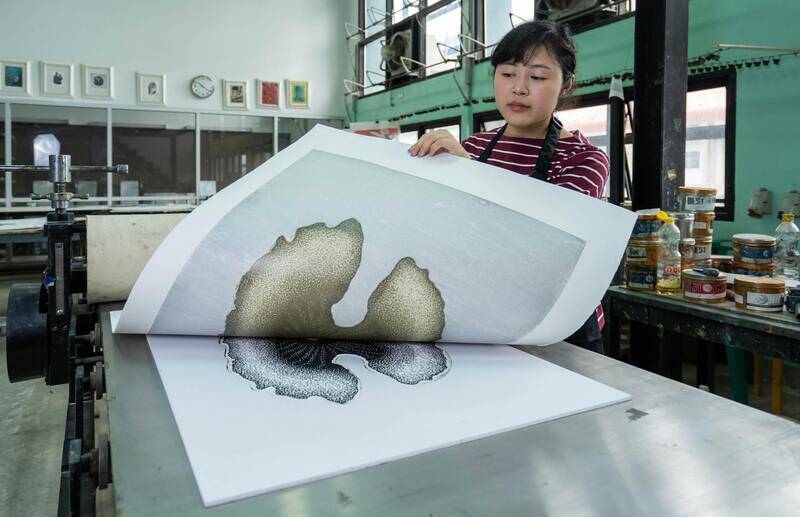
The selection of material significantly influences both the aesthetic appeal and durability of big size photo prints. Materials such as vinyl, canvas, acrylic, and fabric each have unique properties suited to specific display contexts. For indoor displays, canvas and acrylic provide a premium look with vibrant color reproduction and a polished finish. For outdoor usage, weather-resistant vinyl or specialized outdoor fabrics ensure longevity despite environmental exposure.
- Vinyl: Ideal for banners, signage, and outdoor advertisements due to its durability and weather resistance.
- Canvas: Offers a classic art-piece appearance, great for gallery displays or home decor.
- Acrylic: Provides a sleek, modern look with vibrant color rendering, suited for high-end installations.
- Fabric: Used for soft signage or lightweight backdrops, enhancing portability and ease of installation.
It’s crucial to select a material that matches the environmental conditions, expected lifespan, and the visual preferences of the client. Additionally, the surface texture and thickness influence how the print absorbs ink and how colors appear once printed, which necessitates samples and tests before proceeding with large-scale projects.
Photo Resolution and Quality for Large Prints
Ensuring high image resolution forms the backbone of successful big size photo printing. For large-scale outputs, a minimum of 150-300 dots per inch (dpi) at the final print size is recommended to achieve sharpness and detail. The source imagery must possess sufficient pixel dimensions, with images being at least several thousand pixels wide to avoid pixelation when scaled.
During preparation, professionals utilize image editing and pre-press software to adjust sharpness, contrast, and color balance. A vital step involves performing a raster image correlation analysis to verify whether the digital file can be enlarged without losing clarity. In cases where the original images lack sufficient resolution, interpolation techniques can help, but they are no substitute for high-quality source material.
Printing Techniques and Technologies
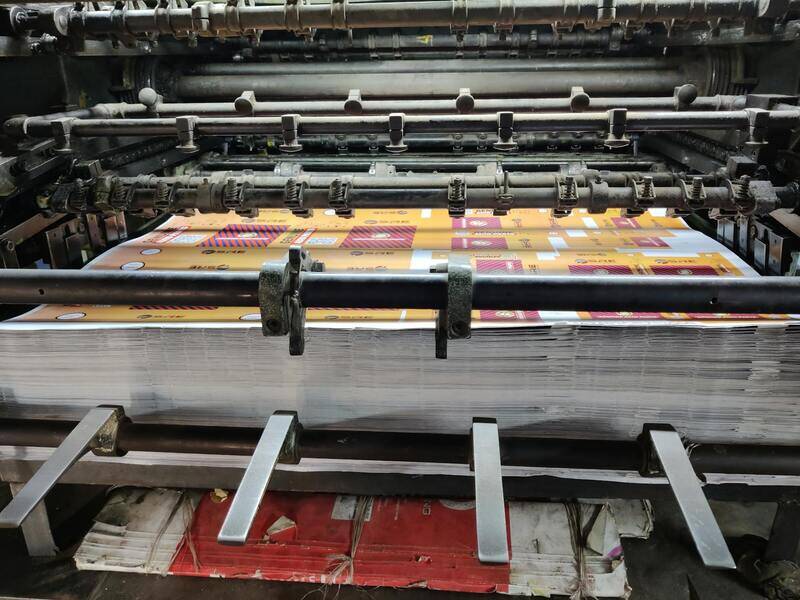
Choosing the appropriate printing technology impacts the durability and visual fidelity of oversized photos. UV flatbed printers are widely used for their ability to print directly onto rigid surfaces, offering vibrant colors and scratch resistance. Solvent and eco-solvent printers excel in outdoor applications due to their weatherproof inks, prolonging the lifespan of the print.
Additionally, dye-sublimation printing is preferred for fabric substrates, enabling rich color transfer with seamless gradations. Latex printing presents an eco-friendly alternative, combining the benefits of durability and vibrant color reproduction while minimizing environmental impact. Each technique involves specific process parameters, from ink chemistry to curing methods, ensuring that the final product meets rigorous quality standards.
Color Management and Calibration
Accurate color reproduction is essential to maintain visual consistency between digital files and printed outputs. Color management involves documentation and adjustments across various stages, including monitor calibration, soft-proofing, and printer profiling. Using industry-standard color spaces like Adobe RGB or sRGB helps in achieving precise color rendition during editing, while ICC profiles specific to the printer and substrate ensure consistency in production.
Regular calibration of devices prevents color drifts and ensures that printed colors align with the digital file. Soft-proofing techniques allow previewing how colors will appear post-print, enabling minor adjustments before the actual printing process begins. This systematic approach reduces costly reprints and guarantees client satisfaction with the final outcome.
Maintenance and Longevity of Large Photo Prints
To ensure that big size photo prints retain their visual impact over the years, implementing proper maintenance and preservation practices is essential. Large-format prints, often displayed in prominent areas, are exposed to environmental factors that can degrade their quality. Therefore, understanding how to care for these prints can significantly extend their lifespan and maintain their vibrancy.
Regular Cleaning Procedures
Routine cleaning of large photo prints should be performed with gentle, non-abrasive methods to prevent damage. Using soft, lint-free cloths or microfiber cloths helps remove dust and fingerprints without scratching the surface. For more stubborn dirt or smudges, lightly dampen the cloth with distilled water or a specially formulated cleaning solution compatible with the print material. Harsh chemicals or abrasive scrubbers must be avoided, as they can cause discoloration or surface deterioration.
Applying Protective Coatings
Protective coatings, such as varnishes or laminates, create a barrier against physical damage, UV exposure, and moisture. These coatings can be matte, gloss, or satin, depending on the desired finish and the location of the display. Applying a high-quality, UV-resistant laminate can prevent fading and discoloration caused by prolonged exposure to sunlight. For indoor displays, an anti-reflective coating may enhance visibility and reduce glare, ensuring that the photo remains visually appealing over time.
Environmental Control for Display Areas
The environment in which large photo prints are displayed plays a crucial role in their longevity. Maintaining stable temperature and humidity levels minimizes expansion, contraction, and eventual stress on the material. Avoid placing prints in areas prone to high humidity, direct sunlight, or temperature fluctuations. Installing UV-filtering window films or window treatments can effectively reduce UV exposure, preserving the vibrancy of the inks and the overall quality of the print.

Proper Framing and Mounting Techniques
Choosing the right framing and mounting options not only enhances aesthetic appeal but also offers physical protection. Frameless mounting with UV-protective glass or acrylic shields the print surface from dust, scratches, and accidental impacts. When framing, use acid-free mats and backing to prevent chemical interactions that could cause discoloration over time. Additionally, professional installation ensures that the print is evenly secured and reduces the risk of warping or sagging, especially for very large formats.
Limitations and Best Practices for Preservation
Although proper care extends the lifespan of large photo prints, it is important to recognize limitations posed by environmental conditions and material qualities. When possible, select durable, weather-resistant materials and inks suited for the specific display environment. Regular inspections help identify early signs of deterioration, allowing for timely intervention. Always keep detailed records of the printing and preservation process to ensure consistent care and maintenance.