Understanding Large Print Photography
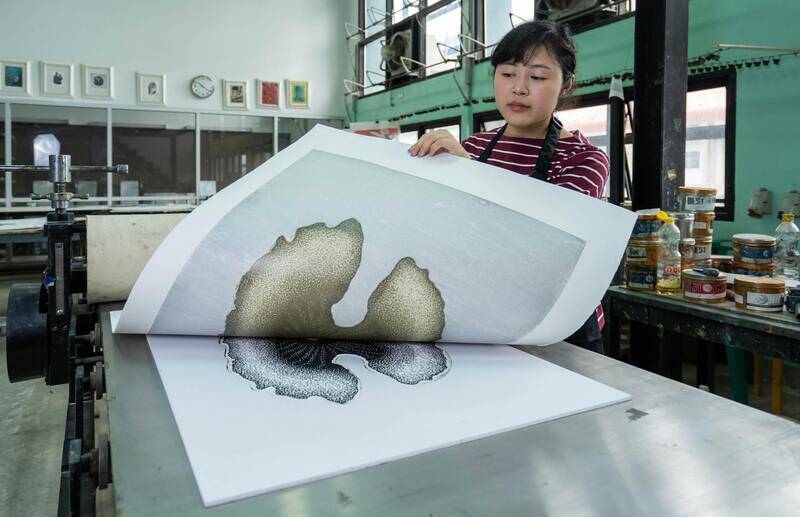
Large print photography involves the process of producing high-quality photographic images in significantly enlarged formats while maintaining clarity, detail, and color accuracy. This specialization caters to a diverse range of applications, from artistic displays and exhibitions to commercial advertising and interior decor. The visual impact of a well-executed large print can transform a space, capturing viewers' attention through its impressive scale and vivid imagery.
In the realm of professional printing services, large print photography requires precise planning and execution. The process begins with capturing or sourcing images that possess high resolution and fine detail. These images are then scaled to a larger size, with careful attention paid to resolution, dpi (dots per inch), and file preparation to ensure they maintain their original quality without becoming pixelated or blurry.
The significance of large print photography extends beyond mere size; it profoundly influences how viewers engage with the image. Big photographic prints are often used to evoke emotion, make bold statements, and enhance visual storytelling. In commercial sectors, such as retail displays, billboards, and gallery exhibitions, the prominence of these prints can directly impact viewer perception and response.
Additionally, the scope of large print photography spans multiple industries and settings. It is pivotal in creating immersive environments in interior design, showcasing artworks in galleries, and printing impactful signage in public spaces. The ability to reproduce detailed imagery at a large scale ensures that the image's intent and message are effectively conveyed, regardless of viewing distance or environment.
Achieving optimal results in large print photography depends on the right combination of high-resolution images, advanced printing technology, and knowledge of material properties. The expertise within professional printing services like PrintServicesSingapore.com ensures that clients receive prints that are not only visually striking but also durable and suitable for various display conditions.
Materials and Printing Techniques for Large Prints
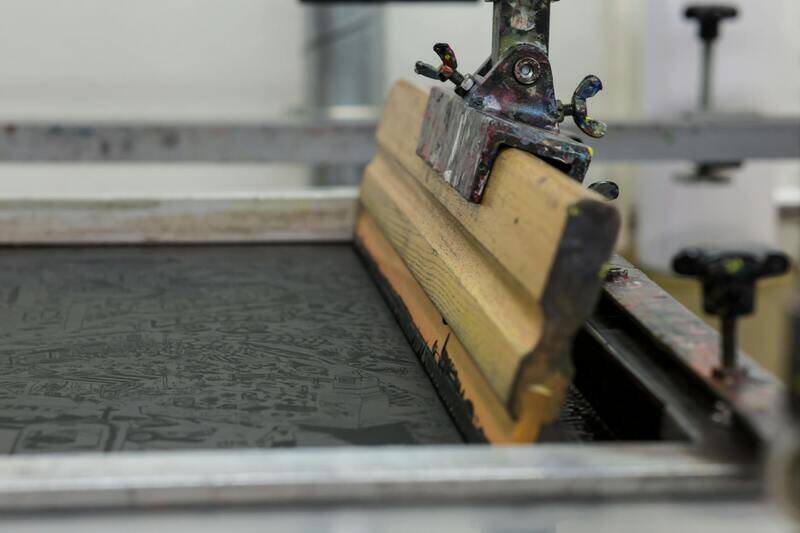
When rendering large print photography, selecting appropriate materials and printing methods is crucial to achieving the desired visual impact and longevity. Professional printing services utilize a range of high-quality substrates, each tailored to specific display needs and environmental conditions. Common options include archival-grade photo papers, vinyl banners, canvas, and textured fabrics, all designed to preserve vibrant colors and sharp details over time.
High-end inkjet printers equipped with UV-resistant, pigment-based inks are typically employed to produce durable, fade-resistant images. These inks offer a broad color gamut and excellent color retention, ensuring that the vividness of the original photograph is maintained even after prolonged exposure to light. The choice of printing technique and material also influences the texture, gloss level, and overall aesthetic of the final piece.
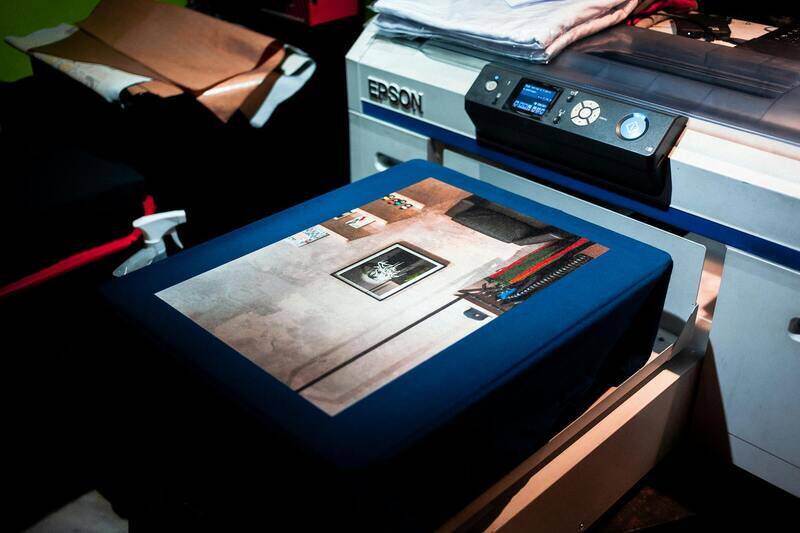
Seamless color gradation and fine detail reproduction at large scales demand meticulous calibration of the printer and consistent color management processes. Advanced RIP (Raster Image Processing) software optimizes printing parameters to match the media and inks used, preventing color inconsistencies. Digital printing is preferred over traditional methods due to its ability to accurately reproduce complex images at sizeable dimensions, with minimal loss in quality.
For outdoor applications, weatherproofing treatments and laminated coatings are often applied to protect against UV exposure, moisture, and scratches. These protective layers extend the lifespan of large prints and keep colors vibrant under varying environmental conditions. Internally, matte or satin finishes can reduce glare, making large photographic displays more viewing-friendly in well-lit spaces.

Choosing the right materials and techniques involves a comprehensive understanding of the environment where the print will be displayed, the desired visual effect, and maintenance expectations. Professional print service providers bring expertise in this domain, utilizing the latest technology and premium substrates to produce impactful, long-lasting large photographs that meet both aesthetic and practical requirements.
Design Considerations for Large Scale Photography
When creating large print photography, attention to design elements is paramount to achieving a compelling visual impact. One of the primary considerations is image resolution; high-resolution files ensure that details remain sharp and clear when scaled to larger dimensions. It is recommended that photographers and designers work with images that have a minimum of 300 DPI at the intended print size, allowing for crisp lines and fine details without pixelation.
Composition also plays a crucial role. Large prints tend to magnify every element within the frame, so careful cropping and element placement are necessary to guide viewers' focus effectively. Utilizing principles such as the rule of thirds, leading lines, and balanced negative space ensures that the image remains engaging at a grand scale. Excessive clutter can diminish clarity, so simplifying complex scenes helps emphasize the main subject.

Color accuracy and contrast are other vital aspects. Since large prints are often displayed in well-lit environments, maintaining consistent color reproduction is essential to preserve the intended mood and visual harmony. Employing proper color management workflows and color calibration tools during the creation process helps achieve this goal. Additionally, adding contrast and depth through tone adjustments enhances the 3D effect, making the photograph more immersive at large scales.
Pattern repetition and symmetry should be considered, as they can add rhythm and structure to the overall presentation. Conversely, asymmetry can be used intentionally to draw attention or create visual tension, but it must be balanced within the composition to avoid visual dissonance. When designing for large format display, previewing the image at scaled sizes during the editing process helps identify potential issues and ensure the final output aligns with artistic intentions.
- Prioritize high-resolution images with at least 300 DPI at intended print size.
- Ensure thoughtful composition with clear focal points and adequate negative space.
- Use color management tools to maintain hue consistency across prints.
- Adjust contrast and tonal range for depth and visual impact.
- Preview scaled versions to identify and address potential composition concerns.
Proper Color Calibration and Proofing Processes
Achieving consistent color accuracy across large print runs demands meticulous calibration and proofing techniques. Professional printers employ advanced color management workflows to ensure that the hues, tones, and gradations in the digital image are faithfully reproduced on physical prints. This process begins with calibrating monitors using specialized hardware tools, ensuring that the digital workspace reflects the true colors of the final product. Consistent color profiles are then embedded into the images to facilitate accurate rendering throughout the printing process.
Proofing serves as a critical step where test prints are produced and compared against digital proofs. These proofs act as benchmarks, allowing adjustments to be made to the color profiles, ink consistency, or media settings before the final large-scale print is produced. Proper proofing minimizes discrepancies in color rendition, especially important for photographic works that rely heavily on subtle tonal variations and accurate color rendering. This stage ensures that the final product aligns with artistic intent and client expectations, providing peace of mind and reducing costly reprints.

Employing standardized proofing techniques, such as using neutral gray and color charts, allows for precise adjustments to ink density and media settings. The collaboration between photographer, printer technician, and client during this phase helps finalize the parameters for high-quality output. As a result, large print photography not only captures the aesthetic finesse of the original image but also ensures that every detail, from the deepest shadows to the brightest highlights, is faithfully rendered on expansive surfaces.
Handling and Storage of Large Prints
Proper handling and storage are essential to maintaining the integrity and longevity of large print photographs. Large prints are inherently more susceptible to physical damage, environmental factors, and deterioration. To prevent creasing, tearing, or surface abrasion, handling should be performed with clean, dry hands or via professional-grade gloves, especially for finished pieces destined for display or sale.
When not on display, large prints should be stored flat in a high-quality, acid-free environment. Rolling large prints onto sturdy tubes with protective wrapping is an alternative for space-efficient storage, but care must be taken to prevent fold marks or pressure-induced distortions. Humidity and temperature control are equally crucial; excessive moisture can lead to warping or mold, while fluctuating temperatures may cause material degradation. Using display frames with UV-filtering glass or acrylic protects artwork from harmful light exposure, preserving vivid colors over time and ensuring that the investment in large print photography continues to impress for years to come.
Challenges in Large Print Photography and Solutions
Creating large print photography involves overcoming specific technical and logistical challenges to ensure the final product meets high standards of quality and durability. One prominent obstacle is achieving accurate color reproduction at a scaled size, which requires meticulous color management throughout the printing process. Variations in monitor calibration, printer profiles, and ambient conditions can influence color fidelity, making it vital to perform rigorous calibration and use high-quality, certified materials.
Another challenge lies in maintaining sharpness and detail in large prints. As the size of the print expands, any pixelation or blurriness in the digital image becomes more evident. This necessitates capturing images at high resolutions and performing careful image processing to enhance clarity without introducing artifacts. Resolution, in this context, should ideally be at least 300 DPI (dots per inch) at the final output size to ensure crisp details are preserved.
Physical handling and transportation can also pose risks to large prints. These prints are more susceptible to tears, creases, and surface abrasions during movement or installation. To mitigate this, employing professional handling techniques—such as using protective coverings, alkali-free backing, and proper mounting methods—is crucial. Protective materials like UV-resistant coatings or lamination provide additional safeguards against environmental damage, including fading due to light exposure or surface scratching.
Environmental factors like humidity and temperature fluctuations further complicate storage and display. Excess moisture can lead to warping, mold growth, or adhesive breakdown, while dryness may cause cracking or brittleness. Optimal storage involves climate-controlled environments with stable humidity levels, ideally around 40-50%, and temperature control between 18-22°C (64-72°F).
Implementing these solutions requires experienced professionals who understand the nuances of large format printing techniques. Collaborating with skilled printers ensures not only the technical precision of the final product but also consistency across multiple projects. Advanced software for color profiling, along with quality inks and substrates, plays an integral role in producing large prints that are true to the original image while maintaining longevity.
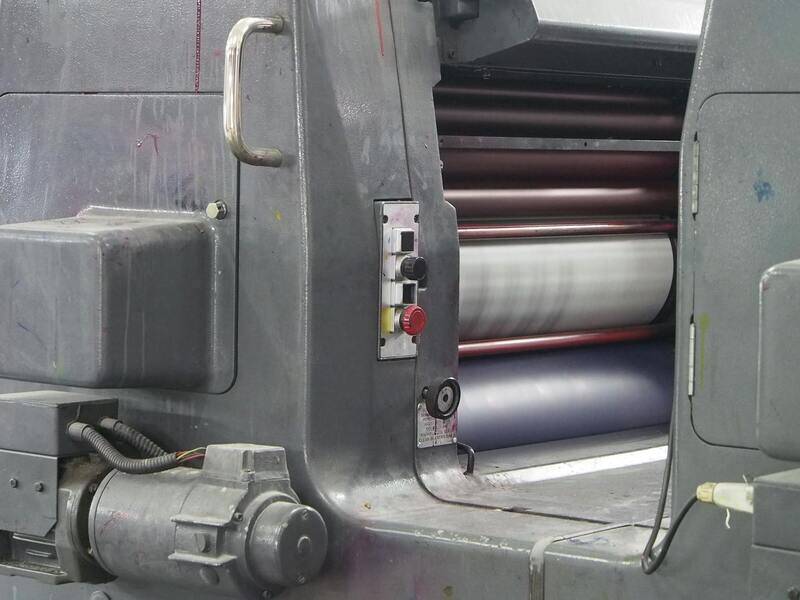
Addressing these challenges head-on results in stunning, large-scale photographic displays capable of captivating audiences and enhancing various visual environments. With the right methods and technologies, large print photography can be a highly effective medium for art, commercial, and decorative purposes, offering impactful visuals on an impressive scale.
Color Management and Calibration
Effective color management is essential to achieving consistent and accurate results in large print photography. Variations in lighting conditions, monitor calibration, and printing process settings can significantly impact the final output. To mitigate these issues, practitioners employ comprehensive color profiling, which involves creating precise color profiles for monitors, printers, and substrates involved in the process. This ensures that colors displayed on screens match the ones printed, maintaining visual fidelity from digital to physical form.
Advanced calibration devices are used to regularly recalibrate monitors, ensuring they reflect true colors throughout the production process. Similarly, printers used in large print photography are calibrated with specific profiles tailored to the inks and papers. This calibration minimizes discrepancies, providing high fidelity in color reproduction. It is particularly important when working with complex images that rely heavily on subtle color gradations, such as portraits or nature photography, where color accuracy directly influences the emotional impact of the artwork.

Practitioners often utilize software solutions that facilitate color matching and profiling at each stage of workflow. These systems can detect minor deviations and automatically correct them, ensuring the final product remains true to the artist’s original vision. Maintaining rigorous quality control from file preparation through printing is critical, especially when producing large-scale works intended for public display or commercial use.
Applications of Large Print Photography in Singapore
Large print photography has become increasingly popular across various sectors in Singapore, driven by the desire for impactful visual displays. In the art world, galleries and artists leverage large prints to showcase detailed and immersive works that captivate viewers. Commercial businesses utilize large photographs to create striking visual identities, often featuring grand images in retail spaces, corporate lobbies, or hospitality venues, amplifying brand visibility and aesthetic appeal.
Architectural firms adopt large prints as part of interior design schemes, incorporating panoramic images or thematic visuals to enhance spatial ambiance. The hospitality industry uses oversized photographs to evoke mood and reinforce thematic concepts, creating memorable guest experiences. Moreover, large print photography is essential in outdoor advertising, where striking visuals attract the attention of passersby and elevate marketing campaigns.

Given Singapore’s vibrant urban landscape and emphasis on innovative visual expression, the demand for quality large prints continues to grow. This trend supports a dynamic environment where artistic, commercial, and creative pursuits converge, making large print photography a versatile tool for impactful visual storytelling and brand communication.
Cost and Turnaround Time for Large Print Orders
When planning large print photography projects, understanding the associated costs and production timelines is essential for effective project management. The pricing for large print photographs can vary significantly based on several factors, including the size of the print, the choice of materials, the complexity of the image, and any additional finishing requirements such as mounting or lamination. Higher-quality materials, such as premium photo papers or specialized canvas, generally command higher prices but offer superior durability and visual clarity. The resolution and detail of the original image also influence the printing cost; high-resolution files require precise printing setups to achieve the desired quality.
Production times for large print photography are typically influenced by the printing method, the complexity of color calibration, and the current workload of the printing service provider. In general, standard large-format prints may be completed within 2 to 5 business days. However, projects requiring custom finishes or intricate color matching might extend this timeline. It is advisable to communicate clear expectations and schedule your orders well in advance, especially for time-sensitive events or exhibitions.
To optimize costs and timelines, consider the following tips:
- Plan your project in advance to accommodate potential delays.
- Request detailed quotes that outline all costs involved, including setup fees, material upgrades, and finishing services.
- Choose a reputable printing provider with efficient workflow processes to ensure quality and timely delivery.
- Factor in buffer time for unforeseen adjustments or corrections that may arise during the production process.
By thoroughly understanding these factors, clients can better manage their budgets and expectations, ensuring a smooth large print photography process from conception to final display.

Additional Considerations for Large Print Photography on Different Materials
When opting for large print photography, selecting the appropriate materials is critical to achieving optimal visual impact and longevity. Common choices include traditional photographic paper, canvas, acrylic, and metal substrates, each offering unique advantages based on their physical properties and aesthetic appeal.
Photographic paper, often utilized for indoor displays or gallery settings, provides sharp detail and vibrant color reproduction. High-quality matte or gloss finishes can significantly enhance the visual texture, depending on the desired presentation style. Canvas prints, on the other hand, lend a more artistic and textured appearance, suitable for both indoor and outdoor environments. Durable and resistant to environmental factors, printed canvas offers a classic look that complements various interior décors.
Acrylic prints are prized for their modern, sleek appearance and exceptional clarity. They boast high resistance to UV light and scratches, making them ideal for focal points or statement pieces in public or commercial spaces. Metal prints, typically aluminum-based, are known for their vibrant color rendition, sturdiness, and weather resistance, making them suitable for outdoor installations and areas exposed to moisture or sunlight.

Each material requires specific printing techniques to ensure the highest quality output. For example, dye-sublimation is commonly employed for metal and acrylic prints, transferring dyes onto surfaces with excellent color vibrancy and durability. Inkjet printing, especially with pigment-based inks, is widely used for canvas and photographic paper, providing excellent color stability and resistance to fading over time.
Implementing Proper Mounting and Framing Techniques
Proper mounting and framing are essential to preserve the integrity of large prints and present them professionally. When dealing with substantial dimensions, rigid substrates like foam boards or aluminum backing can prevent warping and facilitate safer handling and installation. Matte or gloss acrylic covers can protect the print surface while adding a polished look. For canvas prints, gallery stretching or framing enhances the visual appeal and ensures durability during display.
Environmental Considerations in Large Format Printing
Large print photography often involves careful environmental control to prevent damage. Maintaining stable temperature and humidity levels in storage and display areas helps preserve the vibrancy and material integrity of the prints. Additionally, employing UV-resistant coatings or glass shields during presentation can mitigate fading caused by sunlight exposure.
Expert Consultation and Customizations
Collaborating with experienced printing professionals enables clients to explore custom finishes, such as specialty coatings, textured surfaces, or unique framing options tailored to specific project requirements. These expert insights ensure that the final display aligns with artistic vision and spatial considerations, particularly for large-scale photographic installations.