Understanding Large Print Photo Printing
Large print photo printing is a specialized process that involves creating high-quality, enlarged reproductions of photographs suitable for display in various settings such as homes, galleries, commercial spaces, and exhibitions. This service caters to individuals and organizations seeking impactful visual displays that capture details and colors vividly at sizeable dimensions. When considering large print photo printing, it is crucial to understand the optimal sizes and common applications. Typically, large photo prints range from 24 inches up to 96 inches in width, with heights proportionally scaled. These prints are widely used as wall art to bring visual interest into interior spaces, as well as for exhibitions and promotional displays where the goal is to attract attention and convey messages effectively. The process ensures that image resolution and quality are maintained despite the increased size, enabling viewers to appreciate fine details without distortion or pixelation. High-resolution digital files are essential for achieving such clarity. Common formats used include TIFF, PSD, and high-quality JPEGs, which preserve image quality during enlargement. The materials chosen for large photo prints can significantly influence their durability and aesthetic appeal. Options include various types of photographic papers, canvas, and vinyl, each suited to different environments and maintenance requirements. Effective large print photo printing also necessitates precise calibration and the use of advanced printing techniques such as inkjet or dye sublimation printing, which can reproduce a wide color gamut and subtle tonal differences. To maximize the impact of a large photograph, correct preparation and finishing are vital, including proper mounting, framing, or applying protective coatings. Overall, large print photo printing transforms ordinary images into spectacular visual displays, making them ideal for personal achievements, artistic exhibitions, or commercial branding. For those seeking excellence in their visual presentations, understanding the fundamental aspects of this process ensures that the final product meets expectations and fits the intended environment.
Choosing the Appropriate Image Resolution and Format
When preparing a photo for a large print, selecting the correct digital file resolution is crucial to achieve a crisp, clear image. A common guideline for large format printing is to aim for a resolution of at least 150 dots per inch (dpi) at the final print size. For example, for a 4-foot by 6-foot photograph, the image should ideally be at least 9000 x 6000 pixels, assuming a 150 dpi output. The higher the resolution, the more detail the image retains upon enlarging, minimizing pixelation or blurriness.
Regarding file formats, formats that preserve image integrity, such as TIFF or PSD, are preferred due to their lossless compression and ability to retain high-quality information. JPEGs, if saved at the highest quality settings, can also be suitable, especially for images originating from digital cameras or smartphones. It is essential to avoid excessive compression or low-quality settings that could introduce artifacts detrimental to the final output.
Color Profiles and Image Editing
Prior to printing, images should be embedded with color profiles like Adobe RGB or ProPhoto RGB, which provide a wide color gamut essential for high-quality large prints. Editing images using calibrated software ensures that the colors remain consistent and true to the original. Adjustments such as sharpening, contrast, and brightness should be optimized carefully since these modifications impact the final appearance. It is advisable to perform final edits on a calibrated monitor to accurately interpret color and tones.
Beyond resolution and file format, the aspect ratio of the image should align with the desired print size to prevent unwanted cropping or distortion. Cropping should be done thoughtfully, maintaining important elements within the composition and avoiding heavy cropping that could degrade quality. When in doubt, consult with printing professionals who can advise on appropriate adjustments to maximize the visual impact of the final large print.
Choosing the Appropriate Printing Material for Large Photo Prints
When preparing for large photo printing, selecting the right material is crucial to achieving the desired aesthetic and ensuring longevity of the image. The choice of material impacts the visual depth, texture, and durability of the final piece, making it essential to consider the specific application and display environment.
Common materials for large photo prints include:
- Canvas: Canvas prints offer a textured surface that resembles traditional artwork. They are popular for creating a gallery-like effect and are relatively easy to mount or frame. Canvas materials are also breathable and less prone to glare, making them suitable for well-lit spaces.
- Glossy Paper: Glossy finishes enhance color vibrancy and sharpness, resulting in a vivid, eye-catching image. This material is ideal for images requiring high contrast and detail but should be placed away from direct sunlight to prevent fading.
- Matte Paper: Matte finishes provide a non-reflective surface, reducing glare and fingerprint smudges. They produce softer, muted tones, which can be advantageous for certain artistic styles or viewing environments with bright lighting.
- Metal Prints: Metal surfaces give a sleek and modern appearance, with vibrant colors and durability resistant to moisture and scratches. Metal prints are often chosen for contemporary decor and high-impact visual displays.
- Acrylic Prints: Acrylic backgrounds lend a glossy, glass-like finish that amplifies color depth and clarity. These prints are suitable for upscale environments where a contemporary look is desired.
Choosing the right material can significantly influence the visual impact and durability of your large photo print. Printing Techniques and Their Effect on Large Photos
The method of printing also plays a significant role in the final quality. Utilizing high-quality techniques ensures sharp detail, accurate color reproduction, and longevity.
- Inkjet Printing: Widely used for large-format photo printing, inkjet technology allows for precise color matching and high resolution. Modern printers use pigment-based inks that resist fading over time.
- Dye Sublimation: Ideal for metal and acrylic surfaces, this process involves transferring dye-based inks onto specially coated substrates, resulting in vibrant and durable images.
- Lithographic and Screen Printing: Usually reserved for mass production, these techniques can produce consistent high-quality images but are less flexible for bespoke large photo prints.
Choosing the right printing technique depends on the intended material, desired finish, and budget considerations, with high-resolution inkjet printers remaining the most versatile choice for custom large photos.
Advanced printing techniques help preserve detail and color accuracy in large photo reproductions. Finalizing Material and Technique Selection
To optimize your large photo print, it is advisable to collaborate with experienced printing professionals. They can advise on the best material and technique based on your specific image and display environment. Consider requesting sample prints or proofs to evaluate how different surfaces and finishes affect the appearance before committing to a final run. This step can help ensure the final product meets expectations in terms of color fidelity, texture, and durability.
Ensuring Proper File Preparation for Large Print of Photo
To achieve the best possible outcome for your large print photo, meticulous preparation of the digital file is paramount. High-resolution images are essential to maintain clarity and detail when enlarged, preventing pixelation that can ruin the visual impact of the final print. A common guideline is to aim for a resolution of at least 300 DPI (dots per inch) at the size you intend to display. For example, if you plan to produce a 4-foot-wide print, your source image should ideally be at least 3600 pixels wide (12 inches x 300 DPI), ensuring sharpness and crispness throughout.
High-resolution digital files are critical for large photo printing accuracy Optimal Image Resolution and Size
Using images with insufficient resolution can lead to blurry or pixelated results when scaled up for large prints. It is advisable to start with the highest quality original files possible, preferably raw images or uncompressed formats like TIFF or high-quality JPEGs. When preparing images for print, avoid excessive compression or resizing, as this can degrade quality. If the original image resolution isn’t adequate, consider cropping or editing to maximize the visual impact within the output size constraints.
Color Management and Consistency
Color accuracy is essential for a realistic and vibrant finished product. Implement proper color management practices, including:
- Working in color spaces like Adobe RGB or ProPhoto RGB that encompass a wider gamut for more accurate color reproduction.
- Calibrating your monitor regularly to ensure on-screen colors match printed results.
- Converting your files to CMYK color profiles as recommended by your printing service to match the printer's color space.
File Formats for Large Format Printing
Choosing the right file format is crucial. Preferably, submit your files in lossless formats such as TIFF or PSD to preserve image quality. High-quality JPEGs can be used if they are saved with maximum quality settings, but avoid compression artifacts. Always consult with your printing service about preferred file specifications to facilitate smooth processing and optimal results.
Final Checks and Tips
- Inspect your digital files closely for dust, scratches, or spots that might become more apparent in large prints.
- Make sure your images are properly aligned, cropped, and free of unwanted borders or watermarks.
- Request a test print or a proof if available, to verify color fidelity, sharpness, and overall appearance before proceeding with the full batch.
Investing effort into precise file preparation directly translates into a high-quality, visually stunning large print of your photo that will serve as a captivating display or cherished keepsake.
Proper Mounting and Finishing Techniques for Large Photo Prints
Achieving a striking visual impact with your large print of a photo extends beyond the printing process itself. Proper mounting and finishing significantly enhance the presentation, durability, and overall aesthetic appeal of your artwork. Select mounting methods that complement both the material of your print and its intended display environment to ensure longevity and maintain image quality.
To start, consider the most suitable mounting options, such as:
- Gallery Wraps: The image is stretched around stretcher bars, giving a frameless, modern appearance. This method is popular for canvas prints and creates an immersive visual experience.
- Hinging and Framing: Using a frame not only protects your large print but also reinforces its structure. Make sure the frame matches the style and color scheme of your space.
- Adhesive Mounting: For prints on rigid materials like acrylic or gatorboard, professional adhesive mounting ensures a seamless, durable bond between the print and the backing material.

High-quality mounting adds to the visual impact and longevity of your print Once mounted, additional finishing steps can elevate the overall presentation:
- Varnishing or Coating: Applying a protective coating guards against UV damage, fingerprints, and environmental wear, especially for prints displayed in high-traffic areas or outdoors.
- Edge Finishing: Ensuring clean, smooth edges for perfect alignment and a polished finish, particularly important for frameless presentations.
- Lighting Considerations: Proper illumination minimizes glare, enhances color vibrancy, and draws attention to key features within the photograph.
Additional tips include ensuring the mounting surface is clean and even before application, which minimizes air bubbles and irregularities. For large-scale prints, professional handling and mounting services are highly recommended to avoid damage and ensure precise alignment.
Incorporating these finishing touches not only preserves the integrity of your large print but also transforms it into a sophisticated display that elevates any setting. High-quality mounting and finishing are essential investments for showcasing your photographic work at its best and ensuring enduring enjoyment.
Ensuring Vibrant and Accurate Colors in Your Large Photo Prints
Achieving color fidelity is paramount when producing large print of photo, particularly because scaling images differentially can often lead to color distortions or loss of vibrancy. To maintain the integrity of the original image, it is essential to utilize professional color calibration tools during the editing and printing process. This involves calibrating the monitor used for designing the print, ensuring its display aligns with standardized color profiles, and selecting high-quality inks and substrates that can accurately reproduce the subtle nuances in tones and hues. Color calibration typically involves the use of specialized hardware and software that measures the display's output, creating a custom profile that guides color reproduction. When preparing your digital image, it is advisable to work within a color space such as Adobe RGB or sRGB, depending on your print service provider's standards. These color spaces support a wider gamut, allowing for more precise color rendition. During the printing process, the choice of inks—whether dye-based or pigment-based—significantly influences color longevity and vibrancy. Pigment inks are generally preferred for large prints intended for display, as they offer superior durability and resistance to fading over time. Additionally, selecting a substrate that complements the inks enhances the color clarity and overall visual impact. Quality-controlled printing facilities employ high-resolution printers, often utilizing multiple color channels, to ensure rich, detailed images with accurate gradation. These printers are calibrated regularly to maintain consistency across batches, which is vital for large projects or series of prints. Furthermore, spot-checks and proofing prior to the final print allow adjustments to be made, ensuring that the finished product meets the desired standards for color accuracy. Advanced print services also provide consultation on optimal material choices and technical settings, empowering clients to achieve the best possible outcome for their large photo print projects.
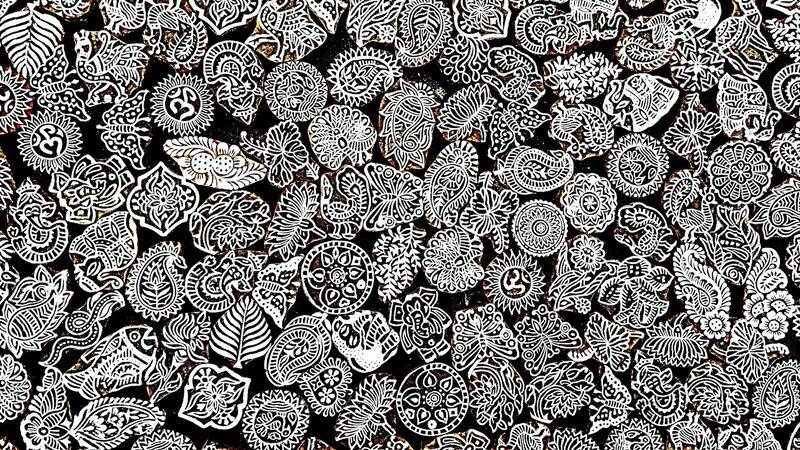
Color calibration and professional inks are essential for vivid, true-to-life large photo prints. Understanding Large Print of Photo
Creating a large print of a photograph involves more than simply enlarging an image; it requires careful attention to the technical and artistic aspects to ensure the final product is vibrant, detailed, and durable. These large prints serve as focal points in various settings, from home galleries to corporate displays, making their quality crucial. It’s essential to work with reputable print service providers who utilize state-of-the-art equipment and adhere to best practices for large-format printing. This guarantees that your chosen image retains its original clarity, color richness, and emotional impact when scaled to a much larger size.
The process begins with selecting an image that maintains high resolution and detail at larger dimensions. Digital files must be prepared with precise attention to resolution and aspect ratio to prevent pixelation or distortion. Advanced large-format printers employ multiple color channels and high-resolution printing capabilities, delivering crisp images with smooth gradations and accurate color reproduction. Professional printers also provide options for selecting ink types—dyes or pigments—that influence the vibrancy and longevity of the print, with pigment-based inks generally offering superior durability for prominent display pieces.
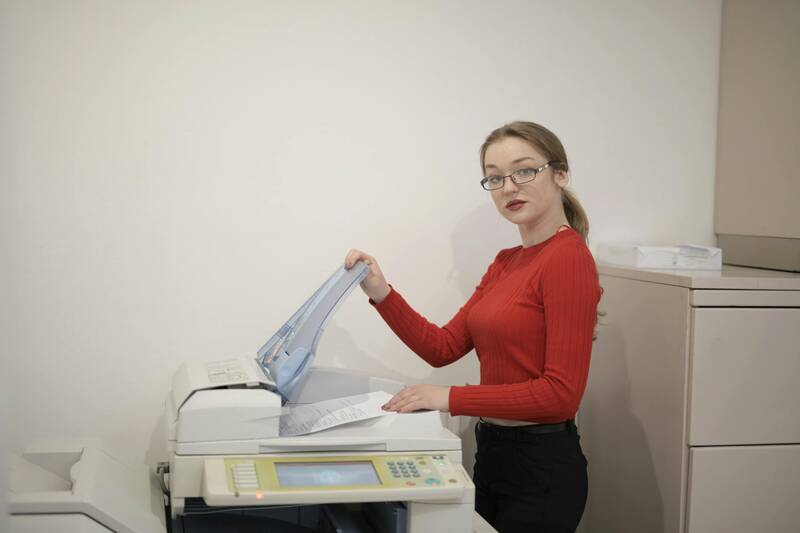
High-quality large photo printing ensures vibrant images that withstand the test of time. Beyond the printing process itself, proper material selection plays a key role. Options include various types of photo papers, canvas, or alternative substrates, each offering unique visual effects and structural qualities. The choice of material should complement the image content and intended display environment, whether it’s a glossy finish to emphasize vibrancy or a matte surface to reduce glare. Additionally, finishes such as lamination or protective coatings can enhance the durability of large prints, safeguarding against environmental factors like UV exposure, moisture, and handling damage.
To achieve optimal results, many professional printing services also provide consultation on layout, framing options, and mounting techniques. Proper mounting not only ensures the stability of large prints but also enhances their presentation, allowing viewers to appreciate fine details and color nuances. When choosing a provider, inquire about their calibration and proofing processes. These quality control measures help verify color accuracy and ensure the final output aligns with the original vision, producing a large print that is both captivating and true to the original photograph.
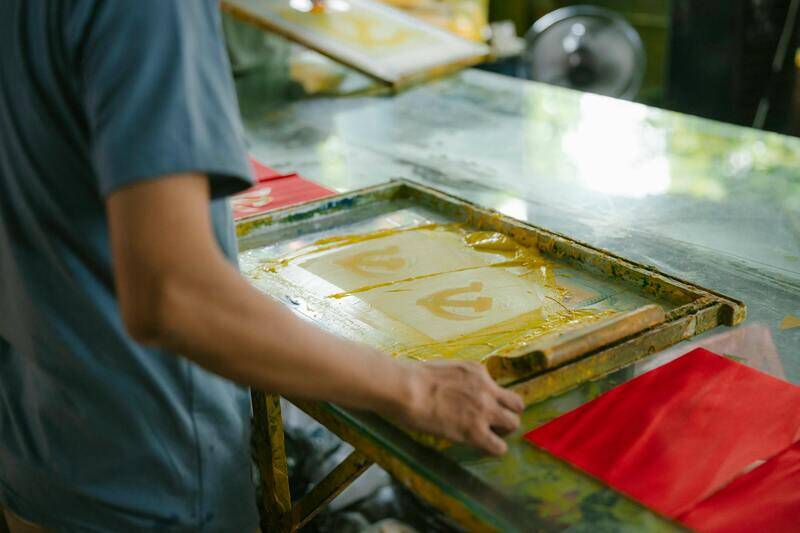
Detail-oriented finishing and mounting techniques maximize the visual impact of your large format photo. Maintaining and Displaying Large Photo Prints
Once your large print of a cherished photo has been expertly crafted and mounted, proper care and display are essential to preserve its visual appeal and structural integrity over time. Large-format prints are delicate artworks that require attentive maintenance to prevent damage and ensure they remain vibrant for years to come.
Proper Handling and Cleaning
Handling large prints with clean, dry hands or with gloves minimizes the risk of transferring oils, dirt, or moisture that could degrade the surface. When cleaning, use a soft, lint-free cloth to gently dust the surface. For stubborn smudges or dirt, lightly dampen the cloth with distilled water or a specialized art cleaner designed for the material—avoid harsh chemicals or abrasive materials that could scratch or damage the print.
Optimal Display Environments
Displaying large photo prints in environments with controlled light, temperature, and humidity prolongs their lifespan. Avoid exposing the print to direct sunlight, which can cause fading or discoloration; instead, opt for indirect or filtered lighting solutions. The ideal temperature range is between 18°C and 24°C (65°F to 75°F), with relative humidity maintained around 40–50%. These conditions prevent warping, cracking, or mold growth.
Placement Tips for Durability and Aesthetic Appeal
- Position large prints away from heat sources, such as radiators or fireplaces, and avoid areas prone to excess moisture, like bathrooms or kitchens.
- Use secure mounting methods that distribute weight evenly to prevent sagging or warping. Wall anchors, specialized hooks, or framing with UV-protective glass can provide additional stability and protection.
- Consider framing behind UV-resistant glass or acrylic to shield the print from environmental pollutants, dust, and physical contact. Matting can also add depth and a refined look, enhancing visual impact.
Long-term Preservation Techniques
For valuable or highly sentimental pieces, archival-grade materials are recommended. Using acid-free backing, UV-protective coatings, and moisture barrier lamination significantly extends the life and appearance of large prints. Regularly inspecting the display condition ensures early detection of issues such as fading, discoloration, or damage, permitting timely intervention.

Properly maintained large photo print in a well-lit display environment