Overview of Large Format Printing
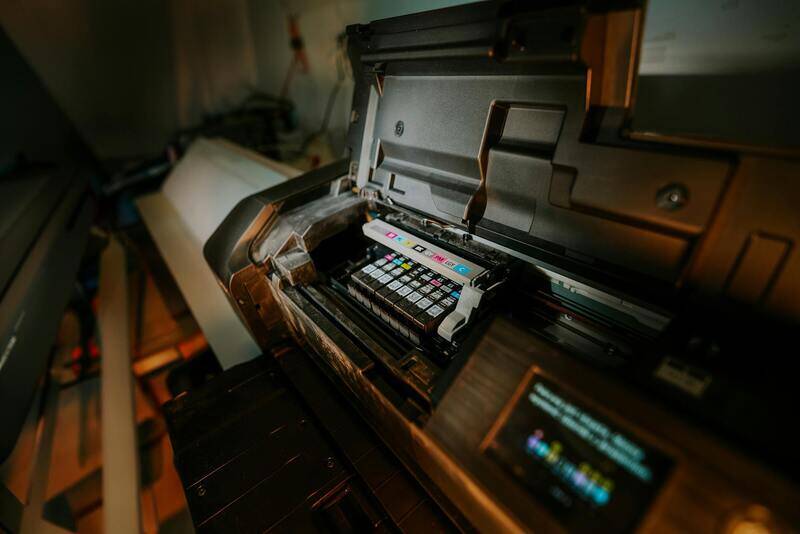
Large format printing is an advanced printing technology designed to produce high-quality images and graphics on expansive surfaces. This method is widely used across various industries, including advertising, interior decoration, architecture, and event management. It enables the creation of banners, posters, murals, trade show displays, and other visual materials that demand large-scale visuals with exceptional clarity and detail. The ability to print on diverse substrates such as vinyl, fabric, canvas, and paper makes large format printing a versatile solution for both promotional and decorative purposes.
Effective large format printing relies on precise technological processes that accommodate the expansive dimensions while maintaining image resolution and color fidelity. The significance of this technology lies in its capacity to cater to large-scale visual communication, ensuring brands and designers can achieve maximum impact in their display and marketing efforts. Whether for outdoor advertising billboards or indoor visual installations, large format printing offers a durable and visually compelling solution aligned with project specifications and operational requirements.
Standard Large Format Printing Sizes
Manufacturers and service providers typically offer a range of standard sizes, optimized to meet the most common project needs. These dimensions serve as the baseline for most printing tasks, simplifying the production process while ensuring consistency. Standard sizes often include widths such as 24 inches, 36 inches, 48 inches, 60 inches, and up to 63 inches, with variable lengths based on the material roll or sheet used. These sizes facilitate quick turnaround times and are widely supported by printing machinery, enabling efficient production workflows for clients and providers.

Depending on the project scope, other standard dimensions may include variations for transit posters, point-of-sale displays, and architectural drawings, all tailored to facilitate hassle-free printing processes. It is essential to select appropriate standard sizes to match the specific requirements of each application while optimizing material use and reducing waste.
Factors Influencing Size Selection
- Intended Display Environment: Indoor or outdoor settings influence the size choice, affecting visibility requirements and environmental resistance.
- Viewing Distance: Larger sizes are preferable for remote viewing distances such as billboards, while smaller sizes may suffice for close-up displays.
- Material Limitations: The physical properties of substrates can restrict achievable dimensions due to roll length or sheet size.
- Project Budget: Larger formats typically entail higher costs, influencing size decisions based on budget constraints.
- Print Equipment Capabilities: The maximum print width available on the equipment limits feasible size options, ensuring production efficiency and quality.
Material Compatibility with Printing Sizes
The choice of material directly impacts the maximum achievable size and the quality of the final output. For instance, flexible materials like vinyl rolls are available in large widths, accommodating expansive banners and wraps, while rigid substrates such as aluminum panels are used for specific structural applications. Understanding material thickness, flexibility, and durability is crucial when selecting sizes for a given project. Proper material compatibility ensures the longevity of the print, aesthetic appeal, and adherence during installation.
Maximum Printable Dimensions and Limitations
Every printing device has inherent limitations regarding maximum print width and length, dictated by machine specifications and material handling capabilities. Most large format printers can handle widths up to 16 feet (around 5 meters), with some specialized equipment reaching even larger dimensions. However, printing beyond these limits requires either image segmentation, where the graphic is divided into sections and assembled post-print, or the use of specialized machinery capable of handling oversized media.
Limitations are not solely based on machine capacity but also involve considerations like ink transfer quality, material handling, and substrate stability. When working with exceptionally large projects, meticulous planning and sometimes custom solutions are employed to achieve seamless, large-scale visuals that meet project specifications without sacrificing resolution and color consistency.
Custom vs. Standard Sizes in Printing
While standard sizes are convenient and cost-effective for most applications, custom sizes are often necessary to fulfill specific project requirements. Custom dimensions are typically determined by precise measurements of installation space, client specifications, or unique design elements. Opting for custom sizes allows for maximized material efficiency and tailored aesthetic outcomes. However, they may incur additional setup times and costs due to material trimming and machine adjustments.
Application Considerations for Custom Sizes
- Design adaptability and flexibility
- Optimal use of available space
- Enhanced visual impact through precise sizing
- Minimized material waste and reduced costs
Preparing Files for Large Format Printing
High-quality large format printing demands meticulous file preparation. Files should be set up with the appropriate resolution—typically 150 to 300 DPI at final viewing size—to ensure sharpness and clarity. Vector graphics are preferred for logos and text, as they can be scaled without loss of quality. Additionally, color profiles and bleed settings must comply with printing specifications to maintain color accuracy and prevent unwanted margins.
Key File Preparation Tips
- Use native or high-resolution images to avoid pixelation.
- Apply correct bleed and margin settings to prevent cropping issues.
- Embed or convert fonts to prevent substitution errors.
- Utilize color management for consistent output across devices.
- Segment complex designs into printable sections if exceeding device dimensions.
Cost Factors and Pricing for Large Sizes
Pricing for large format printing varies significantly based on size, material, complexity of design, and finishing requirements. Larger sizes typically demand more ink and materials, leading to increased costs. Additionally, intricate designs or the use of specialty inks or finishes can further influence the overall price. Understanding these cost components helps clients and service providers plan projects effectively, balancing quality and budget considerations.
Standard Large Format Printing Sizes
Large format printing accommodates a diverse array of applications, each requiring specific dimensions to optimize visual impact and functional use. The industry standard sizes cater to common needs such as advertising banners, promotional posters, and signage, ensuring consistency across projects while providing flexibility for customization.

- Banners: Common sizes include 3x6 ft, 4x8 ft, and 5x10 ft, suitable for outdoor and indoor advertising.
- Posters: Standard poster sizes such as 24x36 inches (61x91.4 cm), 27x40 inches, and 36x48 inches are widely used for promotional displays and exhibitions.
- Signage: Often produced in sizes ranging from 48x48 inches to 72x96 inches, designed for building signs, directional signs, and storefront displays.
- Backdrops and Panels: Large backdrop pieces can extend to dimensions such as 10x20 ft or larger, used in event setups and stage decorations.
While these standard sizes serve most commercial needs, many projects demand custom dimensions tailored to specific site requirements or unique design elements. Understanding the typical industry measurements provides a solid foundation for planning and ensures compatibility with manufacturing equipment and display spaces.
Factors Influencing Size Selection
The decision-making process around selecting the appropriate size for large format printing hinges on various factors:
- Viewing Distance: Larger sizes are essential for displays meant to be viewed from afar, such as billboards or outdoor banners, ensuring visibility and readability.
- Installation Space: The physical dimensions of the installation site constrain the maximum printable size, necessitating precise measurements prior to ordering.
- Intended Use: Promotional campaigns may favor bold, oversized visuals, while informational signage might prioritize clarity and scale.
- Material Constraints: Different substrates and printing methods impose size limitations based on equipment capabilities and material roll widths.
- Transportation and Handling: Larger items may require specialized transportation, influencing size decisions to optimize logistics.
Material Compatibility with Printing Sizes
Choosing the right material is crucial for achieving optimal print quality and durability, especially at larger sizes. The compatibility between printable media and size hinges on several considerations:
- Material Width: Most large format printers operate with roll widths up to 5 meters (approximately 197 inches), dictating maximum printable dimensions in width.
- Thickness and Flexibility: Rigid substrates like foam board or aluminum sheets accommodate smaller sizes but are less suitable for large, flexible banners.
- Durability Requirements: Outdoor applications demand weather-resistant materials like vinyl or mesh fabrics that can withstand environmental elements at large sizes.
- Cost Implications: Thicker or specialty materials typically incur higher costs, impacting overall project budgets.

Maximum Printable Dimensions and Limitations
Most large format printing machines have defined maximum dimensions based on their design and technology. For example, solvent and UV flatbed printers often support materials up to 10x12 ft, while roll-to-roll printers may extend beyond 16 ft in width. However, physical limitations such as material rigidity, handling, and transport constraints can influence the actual maximum size achievable for a given project.
- Seamless Printing: For projects exceeding maximum dimensions, designs are segmented and assembled meticulously to ensure seamless appearance.
- Overlap and Seams: When larger displays are required, seams are strategically placed and aligned to minimize visual disruption.
- Design Considerations: High-resolution files must account for repetition and seamless pattern creation when sizes surpass device capabilities.
Custom vs. Standard Sizes in Printing
While standard dimensions provide quick turnaround and compatibility, custom sizes cater to specific project demands that do not conform to typical measurements. Customizing sizes allows for precise utilization of available space, adherence to unique architectural features, or branding requirements. The decision to pursue custom dimensions involves evaluating factors such as:
- Design Flexibility: Unique shapes or features that necessitate bespoke sizing.
- Cost Considerations: Custom sizes may incur additional setup, material wastage, or labor costs compared to off-the-shelf dimensions.
- Project Timeline: Custom sizing often requires additional planning and time, impacting delivery schedules.
- Equipment Constraints: Not all printers support arbitrary sizing; confirming device capabilities is vital before finalizing design dimensions.
Optimal planning involves a detailed assessment of project specifications, material selection, and equipment capabilities to determine the most efficient approach for achieving the desired large format output.
Factors Influencing Size Selection
Choosing the appropriate size for large format printing requires careful consideration of multiple factors to ensure the final output meets both functional and aesthetic goals. The purpose of the print, whether it’s for advertising, informative displays, or artistic installations, heavily influences size decisions. Larger prints catch more attention and can communicate messages effectively from greater distances, but they also demand higher costs and more significant material usage.
Viewing distance plays a critical role in determining the optimal size. For displays intended to be viewed from afar, larger dimensions make text and images legible and impactful. Conversely, for closer inspection, smaller but highly detailed prints may suffice. Material limitations also come into play; some substrates have maximum printable areas or require specific handling to prevent warping or damage, which can restrict achievable sizes.
In addition to environmental factors, logistical considerations such as installation space and supporting infrastructure influence size choices. Larger prints may necessitate specialized mounting solutions or scaffolding, adding to project complexity. Therefore, a comprehensive assessment of the location, audience engagement, and budget constraints is essential to determine the most suitable large format printing size for each project.
Material Compatibility with Printing Sizes
The compatibility of printing materials with target sizes significantly impacts the feasibility and quality of the final product. Different substrates, including vinyl, fabric, paper, or rigid panels, have inherent size limitations based on their dimensions, flexibility, and stability. For instance, vinyl banners can typically be produced in very large sizes by seaming multiple panels seamlessly, while rigid materials like foam boards or acrylic sheets have fixed dimensions that restrict maximum print size.
It’s crucial to verify material dimensions and handling requirements early in the planning process. Larger substrates may require special transportation or storage considerations to prevent damage prior to printing. Additionally, some materials can be digitally joined to create large seamless images, provided that the resolution is maintained and seams are carefully aligned during installation.
Maximum Printable Dimensions and Limitations
Most large format printers have defined maximum printable dimensions, which are determined by the width and length of their printing beds and the capabilities of their mechanisms. Common wide-format printers can handle widths ranging from 1.3 meters (54 inches) up to 5 meters (196 inches) or more. Length limitations are typically subject to the material roll length and the printer’s mechanical design.
Beyond the mechanical constraints, resolution and color consistency over large areas impose additional considerations. Larger prints often require stitched panels or multi-pass printing techniques, which necessitate precise calibration to ensure seamless appearance. Recognizing these limitations allows for proper planning, with segmentation of artwork when needed to produce large-scale imagery without compromising quality.
Custom vs. Standard Sizes in Printing
While standard sizes streamline production and reduce costs, many projects benefit from customizing dimensions to fit specific spaces or design requirements. Standard sizes, such as 4x8 feet or 5x10 feet, are widely supported and quick to produce, making them suitable for typical applications. However, bespoke sizes enable optimal utilization of available architectural features, improve visual impact, and align precisely with branding specifications.
The decision to select custom dimensions hinges on multiple factors. Custom sizes may involve increased setup time and material wastage, especially when designing to fit irregular spaces or non-standard aspect ratios. They also demand confirmation of equipment capabilities, as not all printers can accommodate arbitrary dimensions without adjustments or specialized setups. Proper planning ensures that custom sizes do not incur unnecessary delays or costs while achieving the desired presentation quality.
Preparing Files for Large Format Printing
High-quality file preparation is instrumental in producing large format prints that are sharp, vibrant, and true to the original design. Files should be created at the intended final resolution, typically 300 DPI or higher, depending on the viewing distance and material. To accommodate scaling, designers often use vector graphics for logos and illustrations, ensuring that images do not lose resolution when enlarged.
Patterns and repetitive elements should be seamlessly tiled, and the overall layout must be meticulously aligned to prevent visual discrepancies during assembly. Color profiles should be calibrated to match the output device’s color gamut, maintaining consistency across different sections of the print. Additionally, files must be formatted according to the printer’s specifications, commonly in formats such as PDF, TIFF, or EPS, with all fonts embedded and images embedded or linked correctly.
Cost Factors and Pricing for Large Sizes
The expense associated with large format printing scales with size, material choice, and complexity. Larger dimensions require more material, longer production times, and possibly additional labor for assembly or finishing. Unique designs or custom sizes may incur setup charges, especially when multiple panels or seams are involved. The choice of material further influences cost; premium substrates or those requiring special handling increase overall expenses.
Manufacturers often provide cost estimates based on square footage, with premium finishes or expedited turnaround times adding to the final bill. Transparent communication of size, material, and design complexity helps clients optimize their budgets without compromising on quality. Bulk orders or long-term contracts may secure better pricing, particularly for ongoing large installation projects. Accurate estimation and planning are vital to balance project goals with financial constraints effectively.
Maximum Printable Dimensions and Limitations
Understanding the maximum printable dimensions available for large format printing is essential for efficient project planning and execution. Most professional large format printers typically accommodate widths ranging from 1.5 meters (approximately 4.9 feet) to 3.2 meters (about 10.5 feet), with some specialized equipment capable of printing even larger panels. The length of the print is generally unlimited, constrained mainly by the material roll length, which can extend from 30 meters (around 98 feet) to 50 meters (approximately 164 feet) or more, depending on the supplier and equipment specifications. However, exceeding these dimensions may require specialized printing techniques such as tiling or seam stitching, which involve printing separate sections that are subsequently joined seamlessly.
Limitations are also influenced by the resolution capabilities of the printer, material handling constraints, and the physical size of the printing environment. Larger formats demand meticulous handling and stabilization to prevent distortions or misalignments during the printing process. When designing for sizes approaching or exceeding typical maximums, it is crucial to coordinate with printing professionals who can advise on optimal methods to achieve high-quality results within equipment constraints.

Custom vs. Standard Sizes in Printing
Choosing between custom and standard sizes for large format printing hinges on project requirements, budget, and timeline. Standard sizes, such as 24x36 inches, 48x72 inches, and 60x120 inches, offer the advantage of cost efficiency and quicker turnaround times due to readily available materials and streamlined workflows. These sizes are suitable for posters, banners, and exhibition displays where precise dimensions align with common standards.
Conversely, custom sizes provide flexibility to match specific design needs, architectural features, or branding requirements. When opting for custom dimensions, it is important to consider the potential for increased setup times, material wastage, and higher costs associated with tailoring materials and adjusting printing parameters. Custom sizes may necessitate specialized equipment or techniques, such as tiling or seaming, especially when exceeding standard width limits.
Ultimately, the decision should be guided by the intended use, visual impact, and budgetary considerations. Collaborating with experienced printing specialists ensures that custom sizes are executed flawlessly, maintaining image quality and structural integrity.
Maximum Printable Dimensions and Limitations
When planning for large format printing, understanding the maximum printable dimensions achievable by current technology is essential for ensuring the project’s success. Most commercial large format printers are designed to handle wide media rolls, typically ranging from 24 inches to 120 inches in width, with lengths that vary depending on the media and machine specifications. For standard roll-fed printers, the maximum print width is often restricted to about 60 inches, though high-end models can reach up to 120 inches or more, enabling the production of expansive banners, wall coverings, and signage without seams.
However, the maximum dimensions also depend on the length of the media roll and the ability of the printer to manage extended print runs. Extended lengths can sometimes be a challenge due to media feed limitations, which could require multiple rolls and seams to achieve the desired size. Seam placement becomes a crucial consideration to maintain the visual integrity of large-scale prints, especially when dealing with intricate designs or high-resolution images that demand a seamless appearance.
Beyond equipment constraints, certain materials impose additional size restrictions. Vinyl, fabric, and certain types of paper or wallpaper each have unique width and roll length limitations that must be factored into the planning stages. For instance, vinyl banners may be produced up to 60 inches wide with lengths extending several meters, but beyond that, seaming or tiling becomes necessary. These joins must be carefully aligned to preserve print quality and avoid visible seams that can detract from the overall presentation.

While high-capacity printers allow for enormous printed surfaces, respecting the operational constraints of the equipment ensures the durability and visual quality of the final product. Any attempt to exceed these specifications could result in compromised image resolution, seam visibility, or media misalignment, all of which impact the overall effectiveness of the print.
Ultimately, successful large format printing hinges on understanding these dimensional boundaries and working within the technical capabilities of chosen printing solutions. Consultation with experienced technicians can help optimize the print process, ensuring high-quality results without unnecessary waste or delays. Planning for size limitations early in the project timeline allows clients to explore practical options such as tiling or precise seam placement, enabling large visuals to be assembled seamlessly on-site or in their final location.
Overview of Large Format Printing
Large format printing encompasses a variety of methods designed to produce expansive visual displays, signage, banners, wallpapers, and other wide-format graphic solutions. Utilizing specialized high-capacity printers, this technique allows for high-resolution outputs on diverse materials, offering clients the flexibility to create impactful visual communications. The process involves digital printing technologies such as inkjet, UV, or solvent printing, each suited for different applications and media types, ensuring vibrant colors and durability even on large surfaces.
Standard Large Format Printing Sizes
When discussing standard sizes for large format printing, several dimensions are widely used across the industry, based on popular media roll widths and common display requirements. Typical widths include 24 inches, 36 inches, 48 inches, and 60 inches, with thicknesses varying according to material specifications. These sizes serve as benchmarks for many printing projects, simplifying the planning process and ensuring compatibility with most printing machinery. For instance, posters, banners, backdrops, and wall coverings often adhere to these standard dimensions, allowing for efficient production and straightforward installation.
Commonly Used Sizes
- 24 inches (61 cm) wide: Ideal for smaller banners and signs
- 36 inches (91 cm) wide: Suitable for medium-sized displays and art prints
- 48 inches (122 cm) wide: Perfect for larger banners and wall coverings
- 60 inches (152 cm) wide: Commonly used for expansive murals and backdrops
These standard dimensions are typically available in roll media, which makes them adaptable for various project requirements. They facilitate quick turnaround times and consistent quality, especially when working with reputable printing service providers that maintain calibrated equipment for these common sizes.
Factors Influencing Size Selection
Choosing the right size for a large format print involves multiple considerations that go beyond mere dimensions. Key factors include the intended viewing distance, installation space, material constraints, and the desired visual impact. For example, highly detailed images may require larger sizes to be appreciated fully, while murals meant for close-up viewing should prioritize resolution and seam minimization. Material cost and custom fabrication requirements can also influence size decisions, as larger prints may demand more media and increased production time.
Operational Constraints
- Printer width limitations determine maximum printable areas, often restricting the width to equipment capabilities.
- Material roll lengths can limit the overall size or necessitate seaming or tiling for larger visuals.
- Design adjustments such as image scaling or segmentation help accommodate fixed size constraints efficiently.
Material Compatibility with Printing Sizes
The selection of media plays a vital role in the printing size process. Certain materials excel at larger dimensions due to their structural integrity and compatibility with specific printing technologies. Vinyl banners, for example, are available in rolls up to 60 inches wide, which accommodates most large signage applications with minimal seaming. Other materials like fabric, wallpaper, or canvas may have different width limitations and require careful planning to avoid unnecessary joins or seams. Additionally, thicker or textured substrates might restrict maximum printable width, necessitating custom solutions or multiple panels assembled on-site.

Maximum Printable Dimensions and Limitations
Maximum printable dimensions are defined largely by the printer's physical capabilities and the media roll sizes used. Standard flatbed and roll-to-roll printers provide expansive widths, often capable of printing up to 126 inches (320 cm) or more for specialized high-end equipment. However, beyond certain sizes, seaming or tiling techniques are employed to create seamless large visuals. These methods involve precise image alignment and color matching to avoid visible joins, ensuring cohesive final results. It's essential to recognize the operational limits of the chosen printing technology to prevent issues such as resolution loss, media misalignment, or print failure. Accurate planning, including the consideration of material roll lengths and printer width, helps streamline production and achieve high-quality outcomes.
Understanding Official Methods for Large Format Printing Sizes
Adherence to Industry Standards and Equipment Specifications
When determining the appropriate dimensions for large-format prints, it is essential to work within the specifications set forth by the printing equipment and media manufacturers. Most professional large format printers are designed with defined maximum width capacities, often ranging from 60 inches to 126 inches, and their height capabilities are similarly constrained by the machine's architecture. These dimensions are established based on the mechanical design, motor strength, and precision of the print heads, ensuring consistent quality and reliability during operation.
In addition to the printer's hardware limitations, material roll sizes naturally influence the maximum width achievable. For example, standard vinyl rolls commonly reach widths of 54, 60, or 72 inches, which align with the commonly used sizes for banners, signage, and wall coverings. Utilizing these standardized media rolls ensures that the printing process stays within the operational parameters of the equipment, reducing the risk of alignment issues or material wastage.
Utilizing Tiling and Seaming Techniques
For projects requiring larger visuals than the maximum printable width, professional methods such as tiling and seaming are employed. This process involves dividing a large design into smaller, printable sections that are precisely aligned and assembled on-site. The segmentation is planned carefully, ensuring that seams are positioned in less conspicuous areas or incorporated into design elements like backgrounds or patterns to minimize visibility.
Accurate image alignment during the tiling process is critical. Advanced software solutions facilitate the precise matching of colors and graphics across panels, maintaining visual continuity. Overlapping edges slightly can also aid in seam concealment, resulting in a cohesive final presentation. These techniques are widely accepted in official large-format printing workflows, providing solutions that meet both aesthetic and functional demands.
Guidelines for File Preparation and Technical Compliance
Proper file preparation is a key aspect of adhering to best practices in large format printing. Ensuring high-resolution files, typically 300 DPI or higher at the final print size, prevents pixelation and preserves image clarity. Files should be formatted correctly—preferably in lossless formats such as TIFF or in vector formats like PDF or AI when dealing with logos and graphical elements—so they are scalable without loss of quality.
Color management is equally important. Recognizing the color profile used during the design phase and ensuring it aligns with the printer’s profile guarantees color accuracy. Including bleed areas and safe margins in the layout minimizes errors during trimming and installation. Additionally, it is recommended to work with professional pre-press services for comprehensive file checks, pre-flighting, and color calibration to secure optimal output quality.
Operational Considerations and Limitations
Even within the confines of official methods, awareness of operational limitations remains important. Excessively large files can strain the processing capabilities of printing hardware and software, potentially causing delays or requiring segmentation. Understanding the maximum printable dimensions, media roll lengths, and the printer’s physical dimensions allows for efficient planning and production management.

Maximum Printable Dimensions and Limitations
Understanding the maximum printable dimensions is essential for leveraging large format printing capabilities within official standards. Each printing device possesses specific limits dictated by its build and design, often outlined by the manufacturer. Typical commercial wide-format printers can handle widths ranging from 1.5 meters (approximately 59 inches) to over 3.2 meters (around 126 inches), depending on the model. Lengths are generally constrained by media roll lengths, which can extend up to 50 meters (roughly 164 feet) or more, enabling extensive banners or murals in a single piece.
Despite these impressive maximum dimensions, operational limitations such as media handling, printing speed, and resolution can influence the achievable print size or quality. When working near the maximum capacity, some printers may require segmentation or paneling techniques, where the design is printed in overlapping sections and assembled afterward. Proper alignment during installation ensures seamless visuals, maintaining high aesthetic standards.

It’s also critical to recognize the physical constraints of the printing environment, such as space availability and environmental control. Handling those larger outputs demands adequate room, specialized handling equipment, and safety considerations. Consult the technical specifications of the selected printing hardware and work with experienced service providers to optimize the output within these constraints, ensuring both quality and efficiency in production.
Custom vs. Standard Sizes in Printing
While standard sizes serve most business and advertising needs, custom-sized prints are increasingly common to meet specific project requirements. Printing services typically offer standard sizes like 24x36 inches, 48x72 inches, or 60x120 inches, which are suitable for common applications such as posters, banners, or wall coverings. Custom sizes, however, provide flexibility for unique spaces and creative concepts, requiring precise file dimensioning and often more intricate production planning.
Choosing between standard and custom sizes involves evaluating project scope, budget, and the practicality of assembly or installation. It is vital to communicate these specifications clearly with the printing service to ensure material handling, machine setup, and finishing processes accommodate the desired dimensions effectively.
Preparing Files for Large Format Printing
Proper file preparation is the cornerstone of achieving impeccable large format prints. High-resolution images are not just recommended—they are mandatory. Files should be prepared at 300 DPI or higher at the final dimension, if raster-based, to maintain clarity and detail. For vector-based graphics, formats like AI, EPS, or PDF are ideal, as they can scale without quality loss.
Color accuracy is paramount, requiring the correct use of color profiles, such as CMYK, aligned with the printing device's specifications. Incorporating bleed margins and safe zones ensures that the final cut or trim does not compromise critical visual elements. When working with complex images or extensive designs, it’s advisable to utilize professional pre-press services for file pre-flighting, color calibration, and proofing.
Material Compatibility with Printing Sizes
The choice of material impacts not only the durability and finish of the print but also its maximum feasible size. Vinyl, fabric, paper, canvas, and specialized polymers each have specific sheet or roll dimensions. For example, vinyl media rolls tend to offer wider options, accommodating large banners or billboards. Fabric substrates are often used for wall coverings or displays requiring flexible or textured finishes.
The compatibility of the material with the desired print size should be confirmed prior to production. It is necessary to ensure that the material width matches the printer's capabilities, or if paneling is required, that the design can be seamlessly assembled afterward. Consideration of material weight and rigidity also influences transportation, installation, and long-term usage.
Cost Factors and Pricing for Large Sizes
Pricing for large format printing is primarily influenced by the size of the output, with factors such as material cost, ink usage, machine setup, and processing time playing significant roles. Larger dimensions naturally require more material and longer production times, resulting in higher costs. Additionally, finishing processes such as lamination, mounting, or framing add to the overall expense.
Efficient planning helps to optimize costs, such as grouping multiple prints on a single media roll or utilizing standard sizes wherever feasible. Understanding these cost dynamics allows clients to allocate budgets effectively while achieving high-quality results tailored to their specific needs.