Understanding Large-Format Printing
Big size picture printing is a specialized segment within the printing industry that focuses on producing high-quality images on a grand scale. This process involves creating visual displays that are often used for advertising, interior decor, events, exhibitions, and public installations. Unlike standard printing, which is designed for smaller formats such as documents and photographs, large-format printing demands advanced equipment and meticulous techniques to ensure clarity, color accuracy, and durability. The critical aspect of large-format printing lies in its ability to produce images at a resolution and size that maintain visual impact even from a distance, making it ideal for commercial and artistic purposes.

Industry standards for large-format output typically refer to the technical parameters that guarantee the print's resolution, color consistency, and material durability. Common applications include billboards, banners, wall coverings, vehicle wraps, fine art reproductions, and retail displays. Each application has unique requirements regarding size, longevity, and visual quality. For instance, outdoor advertising necessitates weather-resistant materials and UV-resistant inks, whereas interior decor might prioritize vibrant colors and fine detail. Properly executed big size picture printing thus demands adherence to these standards to ensure that the final product functions effectively in its intended environment.
Types of Printing Technologies Used
Several advanced printing technologies are employed in large-format printing, each suited to specific needs and material types. The primary methods include:
- Solvent and Eco-Solvent Printing: Known for their durability and resistance to weather, these printers use solvent-based inks suitable for outdoor applications like banners and vehicle wraps.
- UV Printing: This technology employs ultraviolet light to cure inks instantly on various rigid and flexible substrates, providing vibrant colors and sharp details.
- Latex Printing: Recognized for its eco-friendliness, latex printing offers excellent color vibrancy, flexibility, and outdoor durability, making it popular for banners and point-of-sale displays.
- Piezoelectric Inkjet Printing: Commonly used in high-resolution fine art and photographic reproductions, this method delivers detailed images on a variety of media.
Choosing the right technology depends on the intended use, material compatibility, budget, and expected environmental conditions. Professional printing service providers often utilize a combination of these technologies to meet diverse client requirements effectively.
Material Options for Big Size Pictures
The selection of materials plays a crucial role in the appearance, durability, and application suitability of large-format prints. Typical material choices include:
- Vinyl: A versatile and weather-resistant material ideal for banners, vehicle wraps, and outdoor advertising. Vinyl can be laminated for extra protection against UV rays and scratches.
- Canvas: Suitable for fine art reproductions and interior decor, canvas offers a textured finish that enhances visual depth and artistic appeal.
- Wallpaper and Wall Coverings: Designed for interior environments, these materials allow for large-scale murals and intricate designs with a seamless appearance.
- Rigid Substrates: Including foam board, acrylic, aluminum, and PVC panels, these materials are commonly used for signage, point-of-sale displays, and art installations.
Material choices are influenced by the environment where the final print will be installed, budget considerations, and the desired aesthetic effect. Opting for high-quality materials ensures longevity and maintains vibrant image clarity over time.
Design and Resolution Requirements
Preparation of artwork for large-format printing involves strict adherence to design standards to ensure the final output is visually striking and accurate. Key considerations include:
- Resolution: Generally measured in dots per inch (DPI), high-resolution images—typically 150 DPI or higher at the final print size—are essential to prevent pixilation and maintain image clarity.
- File Format: Vector-based files (such as AI, EPS, or PDF) are preferred for logos and text, while high-resolution raster images (like TIFF or PNG) are suitable for photographs and detailed artwork.
- Color Space: Using the CMYK color profile ensures color consistency and accuracy during the printing process.
- Design Layout: Consideration of safe margins, bleed areas, and alignment is vital to produce a seamless and professional appearance.
Proper file preparation reduces the risk of errors during printing and ensures the final product meets the client's expectations for quality and visual impact.
Color Management and Proofing
Achieving accurate color reproduction is a cornerstone of successful large-format printing. Color management involves calibrating monitors, printers, and inks to ensure consistent output across all devices. Proofing processes, including soft proofing and physical proofs, allow clients and printers to review color accuracy before the final run. This step is critical when matching brand colors, reproducing artwork, or ensuring that visual effects are preserved in the print. Advanced color profiling ensures that the colors observed on screen accurately translate into the physical print, reducing discrepancies and enhancing client confidence in the final product.
Material Options for Big Size Pictures
Selecting the appropriate material for large-scale images is crucial to achieving durability, visual impact, and suitability for the intended environment. Common materials include vinyl, fabric, canvas, and rigid substrates such as aluminum or foam board. Vinyl banners and adhesive films are popular choices for temporary or outdoor displays due to their resilience against weather conditions. Fabric materials, often used in tension fabric displays or backdrops, provide a sleek, professional appearance and are easy to transport and store.
Canvas and fine art papers are ideal for gallery or interior décor applications, offering excellent detail and color reproduction. Rigid substrates like aluminum panels and foam boards are preferred for long-lasting, high-impact signage. These are especially suitable for indoor displays where a smooth surface enhances image clarity.
Choosing the right material depends on several factors: the environmental exposure, longevity expectations, installation location, and overall aesthetic. Durability considerations and visual requirements should align with material properties to ensure the integrity of the image over time and the desired visual appeal.
Design and Resolution Requirements
To produce stunning large-scale images, adhering to specific design and resolution standards is essential. High-resolution images are necessary to prevent pixelation upon scaling and viewing at close distances. As a standard guideline, a resolution of at least 150 DPI at the final printed size should be maintained, though for extremely large prints viewed up close, 300 DPI is preferable. For digital artwork such as logos or text, vector files that can scale infinitely without loss of quality are ideal.
Design considerations include incorporating safe zones, bleed areas, and alignment markers to facilitate accurate trimming and installation. Ensuring that the visual elements are well-positioned and proportioned prevents distortion and maintains the intended aesthetic.
Color Management and Proofing
Precise color reproduction is fundamental to creating impactful large-format prints. This involves a rigorous process of color calibration across all devices involved, including monitors, printers, and inks. Soft proofing allows designers to preview how colors will appear once printed, enabling adjustments before the actual production. Physical proofs or samples further confirm color accuracy, reducing the risk of surprises in the final output.
Consistent color management ensures that promotional materials, brand logos, and detailed artwork are faithfully reproduced, preserving their visual integrity across different media. Through this meticulous process, clients can be confident that the final product aligns with their brand standards and aesthetic expectations.
Material Options for Big Size Pictures
Choosing the appropriate substrate is a critical step in large-size picture printing, as it directly impacts the durability, appearance, and suitability of the final product for its intended environment. Among the most popular options are canvas, vinyl, fabric, and specialty papers, each offering unique benefits tailored to different applications.
Canvas is widely favored for its textured finish, which lends a fine art feel to large photographs and murals. Its natural surface enhances color depth and provides a classic aesthetic that works well in interior decor, galleries, or promotional displays. Premium canvas materials are often coated with a protective layer to prevent fading and damage when exposed to sunlight or moisture.
Vinyl is an ideal choice for outdoor advertising or signage due to its resistance to weather conditions, UV rays, and tearing. Its flexibility allows for installation on uneven surfaces and temporary displays. Vinyl can be printed with high-resolution images and finished with laminate coatings for added longevity and scratch resistance. This makes it suitable not only for banners but also for vehicle wraps and large signage.
Fabric options, such as polyester or polyester-blend textiles, are commonly used for fabric posters, backdrops, and event displays. Fabrics can produce vibrant, matte finishes that minimize glare and reflections, ideal for indoor settings. Special coatings can enhance color vibrancy and improve washability if the display requires frequent handling or cleaning.
High-quality specialty papers and fine art papers are preferred when fine details, color accuracy, and a premium appearance are desired. These are often used in limited edition prints or gallery installations, where presentation quality is paramount. It is essential to select papers with appropriate weight and coating to ensure the best color reproduction and durability.
Considerations for selecting the right material include environmental exposure, desired lifespan, visual effects, and installation location. Consulting with printing professionals can help determine the most suitable substrate to achieve desired aesthetics while ensuring resilience and ease of installation.
Ultimately, understanding the characteristics and applications of various materials allows clients to make informed choices that align with their branding goals, spatial considerations, and long-term project objectives. Proper material selection ensures that large-format prints will maintain their visual impact and structural integrity over time.
Ensuring Optimal Results: Official Printing Methods for Big Size Pictures
When it comes to producing large-format images that truly stand out, relying on established, professional printing techniques is essential. These methods are designed to deliver consistent results, sharp details, and vibrant colors, regardless of the size. A key approach involves stitching smaller images seamlessly, known as tiling or panel printing, which creates larger visuals without sacrificing resolution or clarity. This technique allows for high detail preservation and ensures uniform color matching across the entire piece.
Furthermore, single-pass large-format printers utilize advanced inkjet or UV printing technology to directly produce expansive images in one continuous process. This method minimizes alignment issues and enhances durability, making it suitable for both indoor and outdoor displays. Such printers use eco-solvent or UV-cure inks that provide excellent color fidelity, resistance to environmental factors, and longevity of the print.
Another pivotal method involves the use of modular printing systems tailored to large-scale projects. These systems consist of multiple interconnected print heads and modules that work in harmony to create expansive prints with exceptional precision. They are particularly effective for custom installations, billboards, banners, and large signage where image quality and durability are paramount.
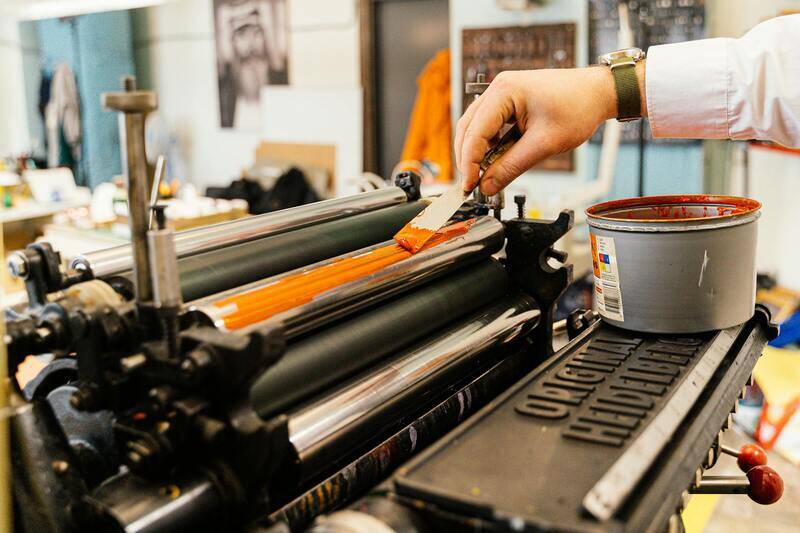
All these official methods prioritize adherence to rigorous quality standards, ensuring the final product meets professional expectations. They involve comprehensive calibration processes, color accuracy checks, and print testing phases, which are crucial for achieving flawless large-scale images.
Using professionally certified printing equipment and adhering to strict material handling procedures guarantees that big size pictures maintain their visual impact over time. These methods also support eco-friendly practices by utilizing sustainable inks and recyclable substrates, aligning with environmentally conscious standards in the printing industry.
In summary, employing official large-format printing techniques—such as stitching, single-pass UV printing, and modular printing systems—enables consistent production of high-quality, durable images. These methods are widely recognized within the industry for their ability to handle large-scale projects efficiently while delivering exceptional visual performance.
Understanding Large-Format Printing
Large size picture printing encompasses a variety of techniques designed to produce expansive images with impeccable clarity and fidelity. Such methods are pivotal in applications like billboards, banners, trade show displays, and murals. To ensure that the final output stands up to high standards, it is essential to employ legitimate printing methods that utilize advanced machinery and certified materials. These processes uphold strict quality benchmarks, deliver consistent results, and guarantee durability for extended outdoor or indoor use.
Precise Image Calibration and Control
Achieving optimal results in big size picture printing begins with meticulous calibration of all printing components—color profiles, print heads, and media handling. Professional printers routinely perform calibration to ensure color consistency, even when producing large images across multiple panels. Continuous color management processes, including color profiling and calibration, help maintain the vibrancy and accuracy of colors across extensive prints. This disciplined approach minimizes discrepancies and ensures the imagery aligns with client expectations.

High-Precision Printing Equipment
Utilizing official large-format printers equipped with multiple synchronized print heads allows for high-resolution output across vast surfaces. These machines leverage technologies like UV-curable, solvent, and latex printing, each suited for different material compatibilities and environmental conditions. The machinery is regularly maintained and calibrated to ensure consistent quality, precise color reproduction, and sharp image details. These capabilities are essential for producing memorable visual statements on a large scale, whether for advertising, branding, or artistic purposes.
Quality Assurance and Testing
Prior to final production, test prints are performed on selected substrates to evaluate color fidelity, adhesion, and overall print quality. Adjustments are made based on these test results to refine color profiles and media compatibility. Routine inspection during the printing process—including checks for banding, color consistency, and resolution—ensures the final large-format image upholds the highest standards. Post-print quality assessments verify that the output will withstand environmental stresses and maintain brilliance over time.
Material Selection for Durability and Visual Impact
Choosing the appropriate substrates is critical in large-format printing. Options include vinyl, fabric, mesh banners, photo paper, backlit films, and rigid materials like acrylic and aluminum. Each medium offers unique benefits—vinyl is durable and weather-resistant, fabric provides a softer aesthetic, and rigid substrates are ideal for high-end displays. The selected materials are handled with care, ensuring they meet strict surface and adhesion requirements. Proper material handling and storage prevent damage prior to printing, preserving the integrity of the final image.
Maintenance of Printed Large-Format Images
Post-installation, it is vital to maintain the appearance and integrity of large prints through routine cleaning and inspections. Special cleaning techniques prevent dirt or debris from degrading the surface without damaging the print. Protectant coatings can be applied to enhance scratch resistance and UV stability. Regular checks for peeling, fading, or warping allow prompt action, extending the lifespan of the print and ensuring continued visual impact for clients and viewers alike.
Ensuring Accurate Color Reproduction and Calibration
Achieving consistent and vibrant colors in large-format printing demands meticulous color management protocols. High-quality large size picture printing utilizes sophisticated color calibration techniques to align monitor displays with the printer output. This involves regularly calibrating color profiles, using standardized color targets, and employing advanced spectrophotometers to ensure color fidelity throughout the production process.
Color proofing plays a vital role in validating the final appearance before full-scale printing. Soft proofing on calibrated monitors allows designers to preview color accuracy, while hard proofing produces sample prints to evaluate colors under real-world conditions. Adjustments based on these proofs guarantee that the final output reflects the intended visual impact.

Implementing Quality Assurance in the Printing Workflow
Quality assurance measures encompass every stage, beginning with file preparation. Files must be checked for resolution, color mode, and correct dimensions. Handling techniques such as flattening layers, embedding fonts, and converting color modes to CMYK ensure compatibility with printing equipment.
During printing, continuous monitored checks are essential. This includes verifying ink levels, print head alignment, and color consistency across long runs. High-resolution test strips are often printed first to evaluate color accuracy and material adherence, with adjustments made as needed to prevent issues during full production.
Post-print inspections are equally critical. The final product undergoes visual reviews for color accuracy, surface defects, and physical integrity. Any imperfections identified can generally be addressed through corrective steps such as reprinting or surface treatments, safeguarding the integrity of the final large size picture.
Protecting and Preserving Large-Format Prints
Post-production care enhances the longevity of big size pictures, especially when displayed outdoors or in high-traffic environments. Applying protective coatings like lamination or gloss varnish provides a barrier against UV radiation, scratches, and environmental pollutants. These coatings not only extend the lifespan but also enhance visual clarity and vibrancy.
Routine maintenance includes cleaning with non-abrasive, pH-neutral solutions and inspecting for signs of wear such as fading, peeling, or warping. Proper storage when not in use involves rolling or flat storage in dry, temperature-controlled environments to prevent material deformation and damage.
Summary of Best Practices in Large-Format Printing
- Utilize high-resolution source files and verify image quality before printing.
- Implement regular calibration of printers and monitors for consistent color reproduction.
- Choose the appropriate material based on environmental requirements and display purpose.
- Perform test prints and proofing to ensure color accuracy and material adherence.
- Apply protective coatings to resist environmental damage and prolong lifespan.
- Conduct routine inspections and cleaning to maintain visual impact over time.

Understanding Large-Format Printing
Large size picture printing involves creating high-quality prints that surpass standard dimensions, allowing for impactful visual displays in both indoor and outdoor settings. This specialized process ensures the images maintain sharpness, clarity, and vibrancy despite their expansive scale. The key to successful large format printing lies in meticulous planning, choosing the appropriate materials, and leveraging advanced printing technology. Whether for advertising, artistic displays, or personal projects, mastering the nuances of big size picture printing results in visually striking displays that command attention and deliver messages effectively.
Types of Printing Technologies Used
Several printing technologies are employed to produce large size pictures, each with specific advantages suited to different project requirements:
- Inkjet Printing: This is the most prevalent method, known for its high resolution and ability to produce detailed, vibrant images. Wide-format inkjet printers use aqueous, solvent, or UV-curable inks, which are chosen based on the material and intended display environment.
- Solvent and Eco-Solvent Printing: Ideal for outdoor applications, these inks offer excellent weather resistance and color durability. They are capable of printing on a wide range of media, including vinyl and canvas.
- Latex Printing: Combining the benefits of inkjet and solvent printing, latex technology provides eco-friendly options with durable, water-resistant outputs. It’s suitable for both indoor and outdoor big size visuals.
- Screen Printing: While less common for highly detailed images, screen printing can be effective for large banners and textiles, especially when producing multiple copies of the same design.

Material Options for Big Size Pictures
Choosing the right substrate is crucial for durability, visual impact, and environmental considerations. The typical materials include:
- Vinyl: Popular for outdoor banners due to its weather resistance and flexibility.
- Canvas: Offers a classic, artistic feel, suitable for gallery displays and indoor décor.
- Backlit Films: Ideal for illuminated signs and visual backdrops that require translucency.
- Polyester and Polyester Fabrics: Used for lightweight, durable, and versatile large-format prints—especially with dye sublimation techniques.
- Foam Boards and Aluminum Panels: Rigid materials that provide structural support and are often used for indoor signage and exhibits.
Design and Resolution Requirements
High-resolution, optimized design files are essential to achieving crisp visuals at large scales. When preparing files, keep in mind:
- Minimum DPI: For large prints viewed from distance, a resolution of 72-150 DPI may suffice, whereas close-up displays require 300 DPI or higher.
- File Format: Use lossless formats such as TIFF or PSD to preserve image quality. Ensure all color profiles are embedded for consistent output.
- Color Accuracy: Use calibrated monitors and adhere to color management workflows to maintain fidelity from digital design to print.
- Design Elements: Keep text and fine details clear by avoiding overly complex imagery that may lose detail in large formats.

Color Management and Proofing
Precise color matching is a vital factor in producing large-scale prints that accurately represent the digital design. Best practices include:
- Color Calibration: Regular calibration of monitors, printers, and proofing devices to ensure color consistency across the production process.
- Color Profiling: Employ device-specific ICC profiles to manage color profiles accurately during design and output stages.
- Proofing: Create small-scale or section proofs to verify color accuracy, especially for complex images with gradients or subtle hues. This step minimizes costly reprints and ensures the final product meets expectations.
- Environmental Control: Maintain stable lighting and viewing conditions both during proofing and inspection to ensure accurate color assessment.

Ensuring Proper Installation and Maintenance of Large-Size Prints
Achieving optimal visual impact from big size pictures extends beyond the printing process itself. Proper installation plays a pivotal role in preserving image quality, structural integrity, and aesthetic appeal over time. Careful handling during installation prevents damage such as tearing, cracking, or surface scratches that can compromise the overall appearance.
For installations on wall surfaces, it's crucial to select appropriate mounting hardware compatible with the material of both the print and the structure. Using the correct fasteners, spacers, and adhesives ensures that the print remains securely positioned without warping or detachment. Employing level tools and measuring devices during installation guarantees precise alignment, avoiding distortions that diminish visual impact.

Post-installation maintenance is equally important. Regular cleaning with soft, non-abrasive cloths and mild cleaning solutions helps keep large prints vibrant and free from dust, dirt, or smudges. Avoid harsh chemicals or abrasive materials, which can degrade the surface or cause discoloration.
Environmental conditions must also be managed. High humidity, direct sunlight, or extreme temperature fluctuations can accelerate material degradation or cause fading. Installing UV protective coatings or applying UV-resistant films can significantly extend the lifespan and preserve the vividness of the colors.
Protection and Longevity Measures
- UV Protective Coatings: Applying a clear, UV-resistant layer shields the print from harmful ultraviolet rays, reducing fading and maintaining color vibrancy over time.
- Use of Laminates: Laminating large prints offers physical protection against scratches, moisture, and environmental contaminants.
- Climate Control: Controlling indoor humidity and temperature levels minimizes warping, bubbling, or deterioration of materials.
- Routine Inspections: Regular check-ups help identify early signs of damage or wear, enabling timely interventions that prolong the display’s lifespan.
Handling and Transportation Tips
Transporting big size images requires careful planning and specialized equipment. For large prints, employing padded covers, corner protectors, and reinforced boxes reduces the risk of physical damage. When moving heavy or awkwardly shaped prints, using appropriate lifting techniques and multiple transport personnel helps prevent accidental tears or bends.
Once in place, consultation with professional installers ensures the right support structures are utilized, which can accommodate internal stresses and prevent sagging or warping over time. Proper storage when not on display involves storing large-format items flat or rolled with protective wrapping to prevent deformation and surface damage.
Documenting and Archiving Large-Format Prints
Maintaining digital records of your big size pictures secures the original design files, color profiles, and installation instructions for future reference or reprints. High-resolution scans or photos of the finished product serve as reference points for quality checks or reproductions. Archive documentation should include details about materials used, environmental conditions, and maintenance history, aiding in the effective care and preservation of large-scale visuals.