Overview of Large Scale Picture Printing
Large scale picture printing has become an essential component across numerous industries, including advertising, interior design, event planning, and art exhibitions. This method involves producing high-resolution images on expansive surfaces, allowing for impactful visual displays that attract attention and communicate messages effectively. As the demand for bigger, more vivid visual representations grows, advances in printing technologies have enabled the production of high-definition, large-format images with remarkable clarity and color accuracy. Whether deployed for outdoor billboards, wall murals, or retail displays, the ability to print banners and images at a substantial size with crisp detail has expanded creative possibilities and improved branding strategies.
The evolution of printing technology, particularly in the realms of high-definition (HD) and large-format printing, has paved the way for more efficient, economical, and durable large scale prints. These advancements have made it possible to produce vibrant, detailed images on a variety of materials, each suited to specific environments and display requirements. As industries push for more eye-catching visual content, the significance of large scale picture printing continues to grow, enabling businesses and artists to elevate their visual communication to new levels of impact and effectiveness.
Types of Printing Technologies Used
To achieve premium quality on a massive scale, several printing methods are predominantly employed, each suited for specific applications and materials. Inkjet printing stands out due to its versatility and ability to produce highly detailed images. It is widely used for producing banners, murals, and fine art reproductions. UV printing is another popular method, especially when printing directly on non-porous surfaces such as acrylic, metal, or glass. This technique offers exceptional durability and vibrant color outputs, making it suitable for both indoor and outdoor displays.
Solvent and eco-solvent printers are also commonly utilized for large scale picture printing, particularly in outdoor settings where weather resistance is crucial. These methods allow for intense color saturation, longevity, and resistance to environmental factors such as UV rays and moisture. Meanwhile, dye-sublimation printing is often employed for high-quality fabric displays and soft signage, providing clean, vivid images with excellent color fidelity.
Factors Influencing Technology Choice
- Material compatibility
- Required durability and weather resistance
- Color vibrancy and resolution needs
- Production speed and cost considerations

Materials and Substrates for Large Scale Prints
The selection of materials is vital to ensure the longevity, visual impact, and functionality of large-scale images. Common substrates include vinyl, canvas, fabric, paper, acrylic, metal panels, and various plastics. Vinyl banners and mesh materials are favored for outdoor displays due to their resistance to weather and UV exposure. Canvas and fabric substrates are preferred for interior murals and art reproductions, offering a textured finish that enhances visual appeal.
Each material comes with specific characteristics that influence the printing process and final outcome. For example, vinyl is flexible and easy to install, making it ideal for large banners, while acrylic and metal substrates provide a sleek, modern appearance suitable for upscale environments. It is crucial to choose the right substrate based on the intended display location, lifespan requirements, and aesthetic goals.
Considerations for Material Selection
- Environmental exposure during display
- Desired visual texture and finish
- Ease of installation and maintenance
- Cost and availability

Different Large Format Printing Technologies and Their Applications
Choosing the appropriate large scale picture printing technology plays a crucial role in achieving high-quality results that meet the specific demands of each project. Several advanced printing methods are prevalent in professional large format printing, each offering unique benefits suited to diverse applications.
- Inkjet Printing: This is the most common method for large scale images, renowned for its precision, vibrant color reproduction, and ability to print on a variety of substrates. Industrial-grade inkjet printers utilize piezoelectric or thermal bubble technology to deposit ink accurately, enabling detailed images and smooth color gradations. They are ideal for indoor murals, fine art reproductions, and high-resolution advertising displays.
- Solvent and Eco-Solvent Printing: These methods employ solvent-based inks that penetrate the substrate surface, resulting in durable and weather-resistant prints. Suitable for outdoor signage, banners, vehicle wraps, and building graphics, solvent printing offers excellent UV resistance and longevity. Eco-solvent variants reduce environmental impact while maintaining robustness.
- UV Printing: Ultraviolet curing technology allows direct printing onto non-porous surfaces such as acrylic, metal, and glass. This method provides vibrant colors, highly detailed images, and quick curing times. It is well-suited for creating stunning signage, decorative panels, and custom art pieces with a sleek, modern appearance.
- Latex Printing: As a versatile and environmentally friendly option, latex printing combines durability with flexibility. The water-based inks are safe for indoor and outdoor applications, producing prints that resist cracking, fading, and weather conditions. Latex printers are often used for retail displays, event banners, and wall coverings.
Each technology is selected based on project specifications, including the desired durability, image quality, material compatibility, and environmental considerations. For example, outdoor banners require UV and weather-resistant capabilities, making solvent or latex printing preferable. Conversely, high-resolution indoor murals or art reproductions benefit from the precision and color fidelity of inkjet printing.
Factors Influencing Technology Selection
When determining the most suitable large scale picture printing method, several technical and practical factors are considered. Understanding these elements ensures the final output aligns perfectly with the intended use and environment.
- Material Compatibility: Not all printing technologies are compatible with every substrate. Inkjet printers, for instance, work well with paper, fabric, and vinyl, while UV printers excel on rigid surfaces like acrylic and metal. Selecting the right technology depends on the material's ability to absorb, resist, or complement the ink used.
- Durability and Weather Resistance: Outdoor displays require materials and inks that withstand UV exposure, moisture, wind, and temperature fluctuations. solvent and latex printers are preferred for these conditions due to their longer-lasting results.
- Color Vibrancy and Resolution: High-resolution outputs with precise color reproduction are essential for visual impact, especially in art reproduction or high-end signage. Inkjet technology often provides superior resolution, making it suitable for applications demanding fine detail.
- Production Speed and Cost: Large scale projects with tight deadlines and budget constraints benefit from high-speed printing options. Solvent and UV printers typically offer faster turnaround times, although cost considerations vary based on ink, material, and equipment investment.
Understanding these factors helps ensure the chosen printing method will meet both aesthetic expectations and functional requirements, resulting in displays that are visually striking, durable, and cost-effective.
Materials and Substrates for Large Scale Prints
Choosing the appropriate substrate is crucial in large scale picture printing, as it directly impacts the visual quality, durability, and suitability of the final display. The selection process involves understanding the specific requirements of the project, including environmental exposure, aesthetic needs, and budget constraints.
One of the most common substrates for large scale printing is vinyl, which offers excellent versatility, weather resistance, and ease of installation. Vinyl is particularly popular for outdoor banners, vehicle wraps, and large signage, thanks to its durability and ability to withstand UV rays, moisture, and physical wear.
Fabric substrates are favored for high-end displays, backdrops, and interior décor. They provide a soft, professional appearance with vibrant color rendition, making them ideal for events, exhibitions, and retail settings. Certain fabrics are specially coated to enhance ink adhesion and resistance to fading over time.
Paper remains a practical choice for indoor applications such as posters, art reproductions, and promotional displays. Specialized papers like fine art textured or glossy finishes can elevate visual impact, ensuring the artwork or message is presented beautifully.

Composite materials, including aluminum composites and acrylic sheets, are increasingly popular for their sleek appearance and robustness. These materials are well-suited for sophisticated signage and directional displays where a modern, clean aesthetic is desired. UV printing technology often complements these rigid substrates, producing high-resolution images with excellent adhesion and longevity.
It's essential to assess the environmental context where the print will be displayed. For instance, outdoor installations demand weather-resistant materials like laminated vinyl or coated fabrics, while indoor displays might prioritize visual appeal and ease of handling. Additionally, considerations around maintenance and longevity should guide the choice of substrate to ensure the display remains vibrant and intact over its intended lifespan.
Factors Influencing Material Selection
- Environmental Exposure: UV stability, moisture resistance, and wind tolerance.
- Duration of Use: Short-term promotions versus permanent signage.
- Visual Impact: Texture, gloss level, and color fidelity.
- Installation Method: Wall mounting, hanging, or custom fixtures.
- Budget Constraints: Cost of substrate and printing process.
By aligning the material properties with the specific requirements of each project, clients can achieve high-quality, durable, and impactful large-scale prints that serve their intended purpose efficiently and attractively.
Materials and Substrates for Large Scale Prints
Choosing the right material for large scale picture printing is pivotal in achieving the desired visual impact and ensuring durability. The selection process involves understanding the characteristics of various substrates, the environmental conditions where the print will be displayed, and the specific goals of the project. Different materials offer unique advantages, whether it's flexibility, rigidity, weather resistance, or ease of installation.
Common Substrates and Their Characteristics
- Vinyl: One of the most popular materials for outdoor signage due to its weather resistance, flexibility, and affordability. It is compatible with multiple printing methods, including solvent, eco-solvent, and UV printing.
- Fabric: Ideal for banners and indoor displays. Fabric options like polyester offer excellent color vibrancy, foldability, and lightweight handling, suitable for dye sublimation or UV printing.
- Aluminum composites: Perfect for modern signage requiring durability and a sleek appearance. These panels resist corrosion and are suitable for both indoor and outdoor use, often combined with UV printing for sharp images.
- Acrylic sheets: Known for their glossy, high-end finish, acrylic is used in signage, art displays, and decorative installations. UV printing on acrylic provides high resolution and vibrant color matching.
- Paper and Fine Art Canvas: Suitable for large-scale artistic reproductions or interior decor, emphasizing detail and color fidelity.
Specialized Materials for Specific Applications
- Laminated vinyl: Used for outdoor signage to further enhance weather resistance.
- Wood or composite panels: For artistic installation or specialty displays where a natural or textured appearance is desired.
- Flexible LED panels: Integrating digital displays with printed elements for dynamic visual effects.
Environmental factors play a crucial role in material choice. For outdoor environments subject to harsh weather, materials must withstand UV exposure, moisture, and wind. In contrast, indoor displays prioritize aesthetic qualities such as gloss, matte finish, and tactile texture. Proper assessment ensures the printed visuals remain vibrant and intact over the intended lifespan, contributing to effective branding and visual communication.
Materials and Substrates for Large Scale Prints
Choosing the right material is fundamental to achieving optimal quality and longevity in large scale picture printing. A variety of substrates are available, each suited to different applications and environmental conditions.
- Polyester Canvas: Widely used for fine art reproductions, polyester canvas offers high-resolution image reproduction, excellent color vibrancy, foldability, and lightweight handling. Ideal for gallery displays and artistic installations, it supports dye sublimation or UV printing techniques that render detailed and vivid images.
- Aluminum Composites: These panels provide a sleek, modern appearance with enhanced durability. Made from aluminum sheets bonded with a core material, they resist corrosion and are suitable for both indoor and outdoor signage. UV printing on aluminum panels produces sharp, high-contrast images that stand the test of weather conditions.
- Acrylic Sheets: Known for their glossy, high-end finish, acrylic substrates are frequently used in decorative signage and art displays. UV printing on acrylic yields vibrant colors and high resolution, offering a premium look for visual installations.
- Paper and Fine Art Canvas: These traditional materials are preferred for artistic reproductions and interior decor. They emphasize minute details, color fidelity, and texture, making them suitable for gallery exhibitions and interior enhancements.
Specialized Materials for Specific Applications
For tailored projects, specialized substrates enhance durability, visual effects, or thematic expression.
- Laminated Vinyl: Designed for outdoor signage, laminated vinyl provides additional weather resistance and UV protection, ensuring the printed visuals remain vibrant over prolonged exposure to elements.
- Wood or Composite Panels: These substrates offer a natural or textured appearance, suitable for artistic displays or thematic installations requiring an organic aesthetic.
- Flexible LED Panels: Integrating digital displays with printed graphics, flexible LED panels enable dynamic visual effects and interactive visual storytelling within large-scale presentations.
Environmental factors are critical in material selection. Outdoor locations demand materials capable of withstanding UV radiation, moisture, temperature fluctuations, and wind forces. Conversely, indoor settings prioritize finishes that emphasize visual impact, such as gloss, matte textures, or tactile surfaces. Proper material assessment guarantees that the visuals will maintain vibrancy and structural integrity, ensuring effective communication and branding.

Print Production Process
The production phase for large scale picture printing involves several critical steps that ensure the final output meets client expectations and industry standards. After finalizing the digital design, files are meticulously prepared for printing. This preparation involves color calibration, resolution checks, and file formatting to align with the chosen printing technology. Ensuring the image resolution is high enough—typically a minimum of 150 to 300 dots per inch (DPI)—is paramount to achieve sharp, vivid visuals on large formats.
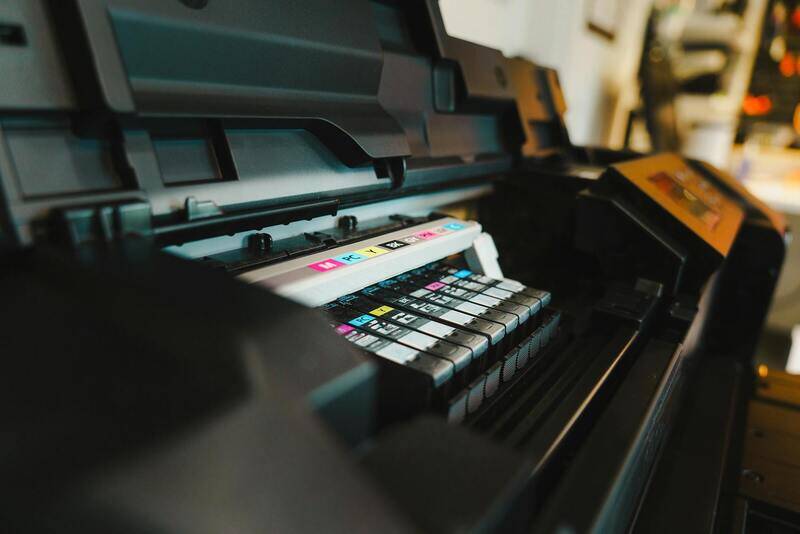
Once files are ready, the printing process commences, utilizing advanced large format printers capable of handling expansive substrates. These printers, such as solvent, UV, or aqueous inkjet systems, deposit precise layers of ink onto the material, rendering the intricate details and vibrant colors envisioned in the design. During printing, quality control measures are implemented, including color consistency verification and defect inspection, to avoid issues like bleeding, misalignment, or color inaccuracies.
Following the printing phase, many projects undergo a curing or drying process to ensure durability and stability of the inks. UV-curing systems are frequently used for instant curing, enhancing adhesion and color vibrancy while enabling immediate handling and installation. Post-printing, optional surface treatments, such as lamination or protective coatings, are applied. These layers safeguard against scratches, UV fading, and environmental damages, prolonging the visual integrity of the large format images.
The final stage involves meticulous quality assurance, including color matching and structural assessments, to confirm that the print aligns with design specifications and quality standards. Only after passing these inspections is the piece deemed ready for delivery and installation.
Installation and Display Considerations
Achieving the desired visual impact with large scale picture printing requires meticulous attention to installation and display strategies. Proper handling and mounting not only ensure the longevity of the print but also optimize its aesthetic appeal. Before installation, comprehensive site evaluation is essential, including assessing surface conditions, ambient lighting, and environmental factors that could influence the display quality.
Depending on the size and weight of the print, different mounting methods are employed. Conventional techniques include framing, direct wall mounting using industrial-strength adhesives, or suspending via cables or rods for a floating effect. For acrylic or glass-backed prints, precise measurement and alignment are critical to achieve a seamless and professional appearance. When mounting on textured surfaces or uneven walls, specialized adhesives or structural supports might be necessary to ensure a smooth and secure display.

Environmental considerations, such as exposure to sunlight or humidity, demand the use of protective coatings or UV-resistant laminates during installation. These layers act as barriers against fading, scratches, and environmental damage, preserving the vibrancy and clarity of the image over time. Additionally, for outdoor installations, weatherproofing is vital to withstand elements like rain, wind, and temperature fluctuations.
Safety and Maintenance
Safety protocols during installation are paramount, especially when working with large, heavy, or elevated pieces. Proper scaffolding, safety gear, and trained personnel help prevent accidents. Once installed, regular maintenance involves periodic cleaning with soft, non-abrasive materials to eliminate dust and dirt that can diminish visual clarity. Avoiding harsh chemicals ensures the integrity of the print's surface and colors.
Transport and Handling
Handling large format prints during transit necessitates protective measures such as custom crating, edge protection, and climate-controlled conditions to prevent warping or damage. Experienced logistics providers specializing in large-scale graphics can facilitate safe delivery, ensuring that the print arrives in optimum condition for installation.
Optimizing the presentation of large scale pictures maximizes their environmental integration and viewer engagement. Whether for corporate branding, public art displays, or decorative interior elements, strategic placement coupled with expert installation techniques ensures the artwork’s durability and visual effectiveness, making a lasting impression on viewers.
Final Considerations and Best Practices in Large Scale Picture Printing
Successfully executing large scale picture printing involves a meticulous approach that combines technical expertise, high-quality materials, and precise installation techniques. A comprehensive planning process should encompass an understanding of the environment where the print will be displayed, ensuring the chosen materials and printing methods align with both aesthetic and durability requirements. Proper material selection not only enhances the visual impact but also extends the lifespan of the artwork, especially in challenging outdoor conditions where exposure to sunlight, moisture, and temperature variations can accelerate deterioration.
When preparing the digital files for printing, it is essential to adhere to the recommended resolution standards—generally a minimum of 150 DPI at final size for outdoor displays and higher for indoor environments where viewers are closer. Ensuring that the images are correctly scaled and color-corrected before production can significantly reduce errors and material wastage, streamlining the entire workflow.
Installation Techniques and Their Crucial Role
Proper installation is crucial to ensure the longevity and visual impact of large scale prints. Depending on the material and the location, various mounting methods can be used, including tension systems, framing, or adhesive supports designed specifically for large graphics. For outdoor installations, weatherproofed mounting hardware and protective coatings help mitigate environmental damage. Ensuring the print is taut and securely fastened minimizes sagging, wrinkling, or detachment over time.
Accessibility during installation is a factor that necessitates planning for elevated or hard-to-reach locations. Using scaffolding, lifts, or scaffolding allows installers to work with precision, reducing the risk of damage or misalignment. Post-installation inspections are vital to check for any issues that could compromise the visual quality or structural integrity of the display.
Maintaining Large Scale Prints for Optimal Appearance
Ongoing maintenance strategies are essential to sustain the vibrancy and clarity of large images. Regular cleaning with non-abrasive, environmentally friendly materials prevents dust buildup and surface contaminants without compromising the print surface. For outdoor displays, applying protective coatings or anti-graffiti films can enhance durability and ease future maintenance efforts. Periodic inspections should be conducted to identify areas of wear or damage early, allowing for prompt repairs or touch-ups that preserve the overall aesthetic appeal.
Cost Considerations and Budget Planning
While quality is paramount, understanding the costs associated with large scale picture printing helps in effective budget allocation. Factors influencing expenses include the choice of material, printing technology, size, and complexity of design. Investing in high-resolution printing and durable materials initially may incur higher upfront costs but often results in lower long-term maintenance and replacement expenses. It is advisable to collaborate closely with printing service providers to develop cost-effective options tailored to specific project needs.
Custom Solutions and Unique Design Opportunities
One of the most compelling benefits of large scale picture printing lies in its adaptability for bespoke projects. Custom designs or proprietary art integrations foster unique visual statements that differentiate brands or artistic expressions. Employing innovative printing techniques such as edge-to-edge printing, textured surfaces, or experiential installations can transform standard large format prints into immersive visual environments, enhancing viewer engagement and emotional impact.
Great care and expertise are required to translate creative visions into tangible, durable large scale displays. By employing official, proven methods and adhering to best practices, organizations can achieve stunning results that stand the test of time, resonate with audiences, and maximize the value of their investments in large scale picture printing.