Understanding Large Size Picture Printing
Large size picture printing is a specialized process that involves creating high-quality images on sizeable substrates, often used for visual displays, advertising, and artistic installations. This form of printing is characterized by its ability to produce expansive visuals that capture attention and convey messages effectively across wide surfaces. Common applications include banners, wall murals, fine art reproductions, event backdrops, and retail displays. The primary advantage of scaling up images is the enhanced visual impact; larger images can be viewed from greater distances, making them ideal for public events and commercial settings. Moreover, advancements in printing technology have significantly improved the clarity and color fidelity of large-scale prints, ensuring that even detailed images retain their sharpness and vibrancy at larger sizes. Properly printed large images not only enhance the aesthetic appeal of a space but also serve as powerful marketing tools, drawing viewers’ eyes and communicating brand messages effectively. Additionally, large size picture printing allows for customization, enabling businesses and artists to bring their creative visions to life on impressive scales. The process demands precision in material selection, resolution considerations, and the right choice of technology to achieve optimum results, which will be discussed in subsequent sections.
Choosing the Right Materials and Substrates
One of the foundational steps in achieving high-quality large size picture printing involves selecting appropriate materials and substrates. Different projects demand specific surface qualities, durability levels, and aesthetic effects, all of which influence the choice of material. Common options include vinyl, which offers excellent durability and weather resistance—ideal for outdoor banners and signage; fabric substrates, prized for their elegant appearance and flexibility, suitable for wall displays and backdrops; and high-quality photo paper or canvas for fine art reproductions and gallery-like presentations. Each material interacts differently with printing inks and surfaces, affecting color vibrancy, sharpness, and longevity.
When evaluating substrates, consider the environment where the print will be displayed. For outdoor use, materials with UV resistance and waterproof features are essential to prevent fading or damage. Indoor applications might prioritize aesthetic qualities like texture, gloss, or matte finish to complement interior decor. Additionally, the size and weight of the material can impact installation processes, meaning thicker or heavier substrates may require specialized mounting solutions.
For instance, vinyl banners are lightweight, cost-effective, and quick to produce, making them suitable for temporary promotions. Conversely, fabrics with minimal wrinkles and high color fidelity are preferred for more permanent, sophisticated displays. Printing providers often offer a range of material options and can advise on the most appropriate substrate based on project specifications, budget, and display conditions.
Choosing the right substrate is crucial for ensuring that the final print not only meets visual expectations but also withstands handling and environmental factors over time. An experienced printing service will use high-quality, compatible materials optimized for specific printing technologies, leading to vibrant, resilient results that elevate any large-scale visual project.
Printing Technologies for Large Pictures
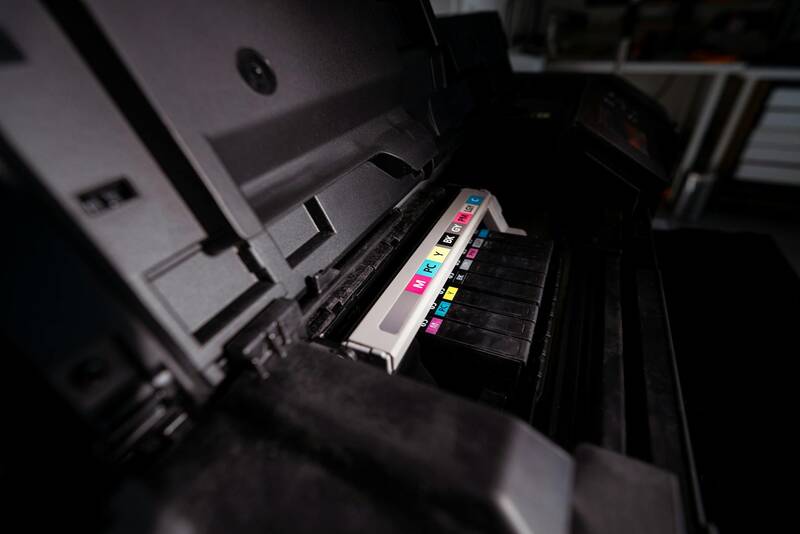
Advancements in printing technology have expanded the possibilities for producing striking large size images with exceptional clarity and color accuracy. Recognized methods include UV printing, solvent and eco-solvent printing, dye sublimation, and aqueous-based inkjet printing. Each technique offers unique advantages suited for different materials and output requirements. UV printing, for example, uses ultraviolet light to instantly cure inks directly onto rigid or flexible surfaces, resulting in highly durable images with vivid colors and enhanced adhesion. It is particularly advantageous for printing on non-porous substrates like acrylic, metal, or glass.
Solvent and eco-solvent printing methods utilize solvent-based inks that bond well with vinyl and other plastics, providing longevity and weather resistance, perfect for outdoor signage. Dye sublimation involves transferring dye-based inks onto fabric through a heat press, yielding vibrant, detailed images suited for soft textiles and event backdrops. Aqueous inkjet technology excels in producing fine art reproductions due to its remarkable color range and detail fidelity, especially when printing on paper or fabric designed for high-resolution imaging.
The choice of technology depends heavily on the project’s specific requirements, including surface material, desired durability, print size, and budget. Well-equipped printing providers often combine multiple methods to optimize results, ensuring high quality and longevity across various formats and applications.
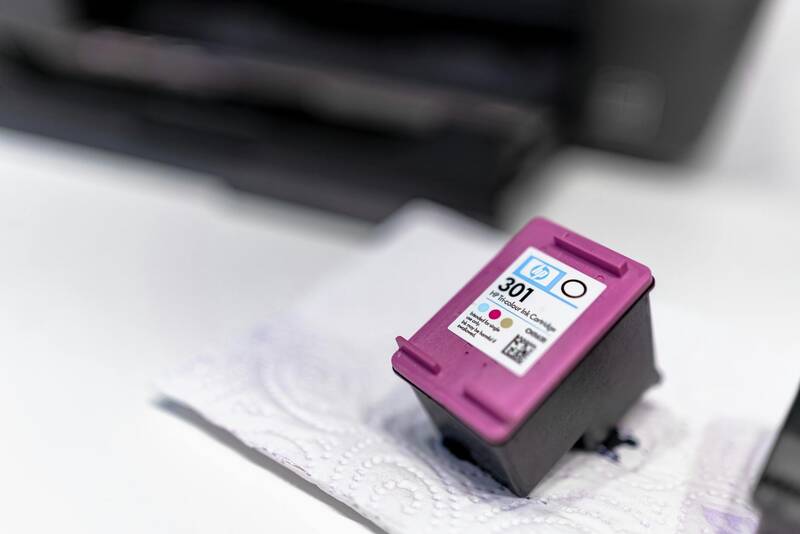
Understanding the capabilities and limitations of each printing process helps clients achieve the best results for their particular needs, whether creating expansive promotional banners or museum-quality reproductions. The selection of the appropriate technology is integral to safeguarding the visual integrity and lifespan of large size pictures.
Understanding Large Size Picture Printing
Large size picture printing involves the creation of high-quality, sizable images designed to make a visual impact across various environments, from outdoor billboards to indoor murals. This process requires specialized printing techniques and materials that can faithfully reproduce intricate details and vibrant colors at expansive dimensions. Achieving the best results depends on matching the specific demands of the project with appropriate printing methods and surface substrates. Factors such as intended display location, durability requirements, and budget play vital roles in selecting the optimal approach. When executed with precision, large format printing yields striking visuals that can transform spaces, convey messages effectively, and enhance brand visibility.
In professional settings, understanding the nuances of large picture printing—covering aspects like material compatibility, resolution, and finishing—is essential for producing enduring and visually appealing images. Proper planning, combined with skilled execution, guarantees that the final print maintains clarity, color fidelity, and structural integrity over time. Leveraging the latest advancements in printing technology ensures that clients achieve the desired aesthetic impact, whether for commercial advertising, decorative purposes, or artistic displays. The choice of printing parameters directly influences the longevity, appearance, and overall effectiveness of the large size images.
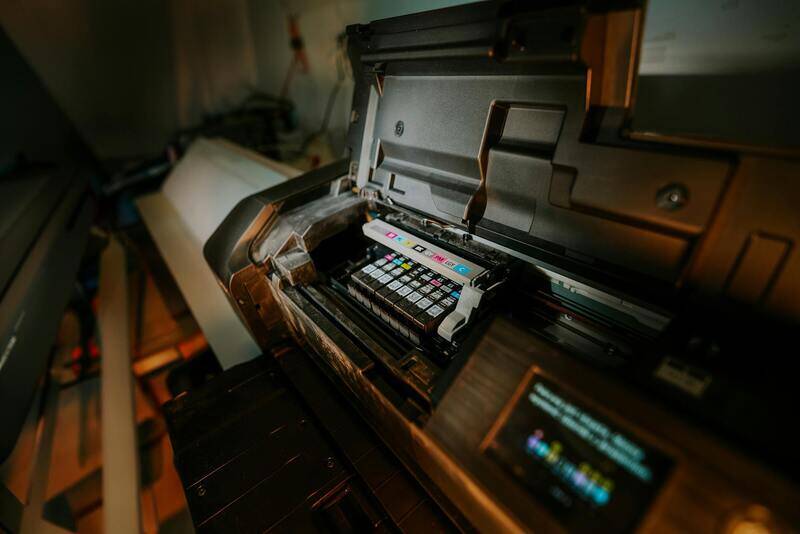
Key Factors in Producing High-Quality Large Format Prints
- Surface Compatibility: Selecting the right substrate, such as vinyl, fabric, acrylic, or metal, ensures that the print adheres well and maintains durability under specific environmental conditions.
- Resolution and Image Quality: High-resolution images are crucial for retaining details during magnification. Optimizing digital files for large format printing minimizes pixelation and enhances vibrancy.
- Color Accuracy: Proper color calibration between digital files and printed output guarantees that the final image accurately reflects the intended palette, crucial for branding and artistic reproductions.
- Environmental Considerations: Choosing weather-resistant materials and inks for outdoor displays prolongs the lifespan and maintains visual quality despite exposure to elements like sunlight, rain, or wind.
Selecting the Appropriate Printing Method
The particular method employed in large size picture printing significantly impacts the final result. Inkjet printing, especially with UV or solvent inks, is widely favored for its ability to produce detailed, vibrant images on diverse materials. Solvent printing is renowned for outdoor durability, making it suitable for signage exposed to environmental stresses. UV printing offers rapid curing of inks, enabling the production of rigid and flexible surfaces with excellent color accuracy. Dye sublimation is predominantly used for fabric-based applications, providing bright, high-resolution images that are soft to the touch and resistant to fading.
Each method has distinct strengths and limitations, which should be considered in relation to project specifics. For example, solvent and UV printing excel in outdoor environments, while dye sublimation is ideal for textile applications. Combining multiple technologies can also address diverse design requirements within a single project, ensuring comprehensive visual quality and durability.
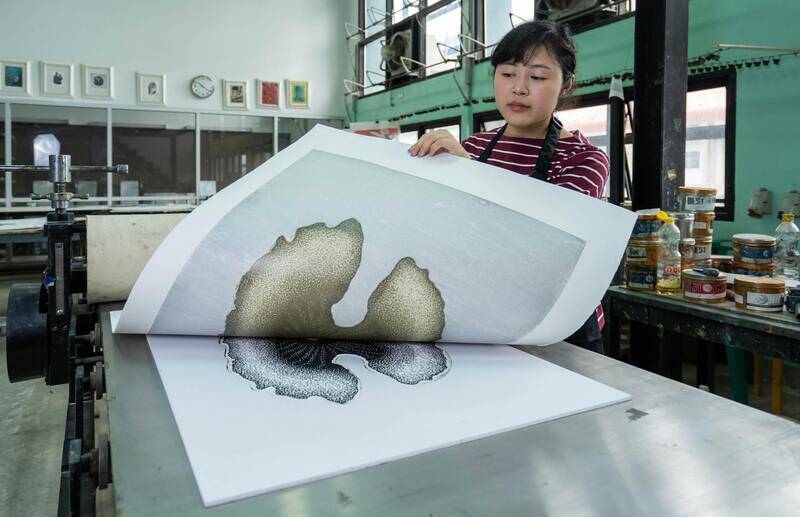
Choosing the Appropriate Printing Method for Large Size Pictures
When planning to produce large size pictures, selecting the proper printing technique is fundamental to achieving optimal results. Each method offers specific advantages tailored to different types of projects, substrate compatibility, and end-use requirements.
One widely used technology is professional inkjet printing, which employs high-resolution printers capable of applying detailed imagery onto various substrates. Within inkjet printing, UV and solvent ink systems are prominent choices for large format applications. UV printing utilizes ultraviolet light to cure inks instantly, enabling the creation of rigid and semi-rigid displays with excellent color fidelity and durability. This method is especially suitable for mounting onto substrates such as acrylic, wood, or metal, and often used for signage and artistic displays.
Solvent printing, on the other hand, uses solvent-based inks that penetrate the material surface, offering excellent weather resistance and longevity. Such prints are ideal for outdoor advertising, banners, and building wraps that require exposure to sunlight and varying weather conditions. Solvent inks' resistance to fading, water, and scratches ensures the visual integrity of large outdoor displays over time.

Dye sublimation remains popular for textile applications, providing vibrant, soft touch images on fabrics, which are often used for banners, fabric backdrops, and custom apparel. This process involves transferring dye-based inks onto a coated fabric via heat, resulting in bright, high-resolution images that resist fading and wear. However, it requires special materials and is typically limited to fabric substrates.
To match the project's specific needs, combining different printing methods can be advantageous. For example, employing UV printing for rigid signage alongside solvent printing for outdoor banners can maximize both durability and visual quality. Careful consideration of factors such as substrate compatibility, environmental exposure, and desired finish helps in choosing the most appropriate technology.
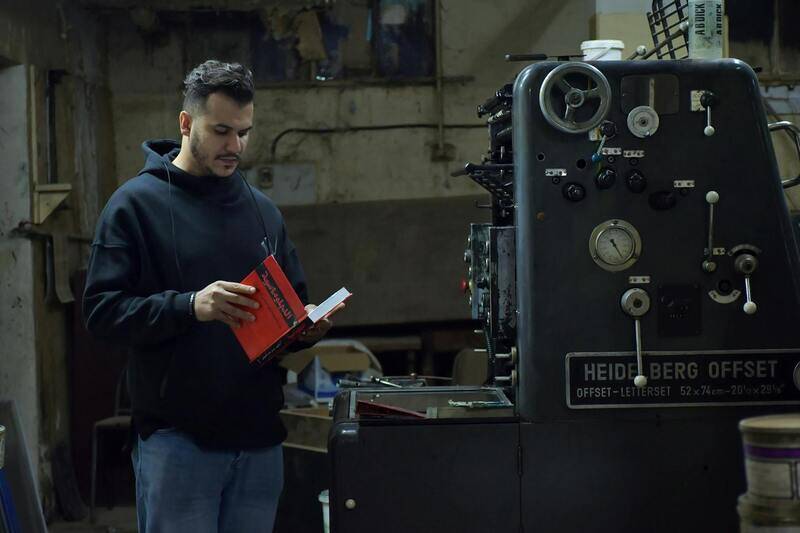
Cost implications and turnaround times vary across these technologies. UV printing often entails higher setup costs but offers rapid production cycles with immediate curing, reducing post-processing time. Solvent printing may involve ongoing maintenance costs for solvent inks and equipment but provides longstanding outdoor resilience. For fabric and soft materials, dye sublimation can deliver high-quality results efficiently but with dedicated equipment and material restrictions.
Ultimately, choosing the right printing technology entails aligning project requirements with the strengths of each method. For large size picture printing demanding vibrant visuals and weather durability, UV and solvent solutions are predominant. A trusted printing service partner will assess these factors comprehensively to recommend the most suitable approach, ensuring the final product meets expectations for brilliance, clarity, and longevity.
Size Limitations and Printing Dimensions
When exploring options for large size picture printing, understanding the maximum achievable dimensions is essential for ensuring the final output aligns with your project's expectations. Although modern printing technology has advanced significantly, certain constraints still exist based on the specific equipment and material capabilities. Typically, large format printers can handle dimensions ranging from 60 inches to over 120 inches in width, with variable lengths depending on the model and substrate used.
Determining the suitable size involves considering several factors:
- Printer specifications: Not all printers support the same maximum width; verifying the capacity is critical.
- Material dimensions: The size of the substrate or backing material often dictates the maximum print size.
- Design resolution: Larger sizes require higher resolutions to maintain image clarity at viewing distances.
- Intended display environment: The viewing distance influences the optimal size and resolution. For example, billboard images are larger and viewed from afar, allowing for lower resolution, whereas gallery prints demand high detail for close inspection.
In instances where a project exceeds standard dimensions, options such as segmented printing—where the image is printed in sections and assembled later—become viable. This method allows for creating oversized visuals without compromising quality, provided precise alignment and finishing are executed. For indoor displays or smaller large-format banners, standard printers typically suffice, but for outdoor signage or expansive murals, specialized equipment designed for ultra-large formats is preferable.
Another consideration involves the material’s stability during the printing process. Flexible substrates like vinyl or fabric can often be rolled and transported easily, accommodating very large sizes. Rigid substrates, such as panels or acrylic sheets, require careful handling and transportation logistics but are suitable for permanent displays. Determining the right balance between size, durability, and installation feasibility will influence the choice of printing approach and substrate selection.
In summary, while technological capabilities have expanded the potential for large size picture printing, practical limitations and technical considerations guide the optimal dimensions. Working closely with a professional printing service ensures accurate size planning, proper material selection, and high-quality final results that meet your project’s specifications and expectations.
Understanding Large Size Picture Printing
When aiming to create impactful visual displays, large size picture printing offers a platform for expressing creativity and conveying messages with maximum visibility. This process involves expanding traditional printing techniques to accommodate larger formats without sacrificing image integrity or quality. A comprehensive understanding of this field encompasses the selection of appropriate materials, advanced printing technologies, and meticulous design preparation.
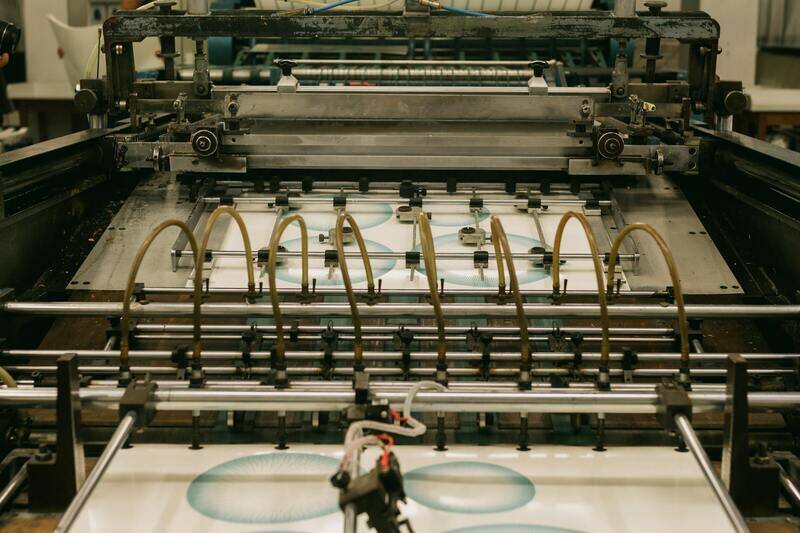
Professionals in the printing industry leverage an array of techniques and materials tailored to specific project requirements. Whether producing a massive billboard or an intricate mural, selecting the right approach ensures durability, clarity, and visual impact. As technology continues to evolve, so do the possibilities for scaling images to extraordinary sizes while maintaining high fidelity.
Choosing the Right Materials and Substrates
The choice of substrate is fundamental, influencing both the aesthetic outcome and the longevity of the print. Flexible materials such as vinyl, fabric, and mesh are popular for their ease of transport and installation, especially for outdoor banners, building wraps, and event backdrops. These substrates are lightweight, cost-effective, and offer excellent ink adhesion, making them suitable for high-resolution applications.
Rigid substrates like aluminum panels, acrylic sheets, foam boards, and wood panels are preferred for permanent indoor applications or where a high-end finish is desired. These materials provide a sturdy base, facilitating sharp image reproduction and a sleek appearance. However, their weight and handling require careful logistics during installation.
Surface textures also play a role; smooth surfaces enhance color accuracy and crispness, while textured surfaces can add unique tactile qualities, ideal for artistic displays. Selecting the correct material involves assessing environmental conditions, installation location, budget constraints, and desired longevity.
Printing Technologies for Large Pictures
Numerous printing technologies enable the reproduction of large images with high precision. Inkjet printing remains the most versatile and widely used method, offering excellent color accuracy and the ability to print directly onto various substrates. Large-format inkjet printers utilize UV, solvent, or latex inks, each suited for different applications, such as outdoor durability or indoor display.
Giclée printing, a high-quality inkjet variant, is favored for art reproductions where detail and color fidelity are paramount. For extremely large production runs, grand-format printers with multi-head configurations can produce images efficiently without compromising resolution.
Segmented or tiled printing methods are employed for sizes exceeding printer bed limits. In this process, the image is divided into manageable sections, each printed separately, then assembled with precise alignment to form a seamless final piece. This technique requires meticulous planning and finishing but enables the realization of enormous visual works that would otherwise be unattainable.
Design and Resolution Considerations
Effective large-size printing hinges on optimal design and resolution specifications. Typically, the minimum resolution for large-format prints is around 150 dpi at the final viewing distance. For highly detailed images, especially those viewed from close proximity, a resolution of 300 dpi is preferable. Designing images with scalable vector graphics (SVGs) or high-resolution raster images preserves clarity during enlargement.
Color profiles and calibration are essential to ensure accurate color reproduction across different devices and substrates. Designers should work closely with the printing team to establish color management protocols, adjusting for variances in ink, material, and lighting conditions.
Templates and mockups provide invaluable previews, helping clients visualize the final appearance and make necessary adjustments beforehand. Adequate consideration of mounting, finishing, and framing further complements the design process, ensuring the final installation seamlessly blends into its environment.
Color Management and Finishing
Color consistency is maintained through rigorous calibration of devices and adherence to standardized color profiles. This process guarantees that hues and shades remain true to the original design, regardless of material or ink type.
Finishing touches can significantly enhance the look and durability of large prints. Laminating the surface provides protection against UV rays, scratches, and moisture, extending the lifespan of outdoor installations. Mounting options—including direct adhesive, framing, or industrial adhesives—are chosen based on the type of display and permanence requirements.
Special effects like matte, gloss, or satin finishes are applied to influence the visual texture and tactile feel. These choices can help reduce glare, highlight colors, or create a unique aesthetic that aligns with branding or artistic intent.
Proper handling during the finishing process minimizes defects such as bubbles, wrinkles, or misalignment, ensuring a smooth, professional presentation. Detailed attention to these steps translates to a high-quality, impactful final product that effectively communicates your message and stands the test of time.
Understanding Large Size Picture Printing
Large size picture printing involves transforming digital images into oversized physical displays that can serve various purposes, from promotional banners to artistic murals. The process requires meticulous attention to detail, ensuring that the resolution and quality are maintained across expansive dimensions. High-resolution images are essential because enlarging a photo can cause pixelation or blurriness if not properly prepared. To achieve stunning results, the selection of appropriate images with sufficient DPI (dots per inch) is critical. Typically, for large prints viewed from a distance, a resolution of 72-150 DPI suffices, but for closer viewing, higher resolutions ensure clarity and sharpness. Furthermore, considering the viewing environment — whether indoor or outdoor — influences material choice and finishing techniques. Large format printing often involves advanced printing technologies capable of reproducing vivid colors and fine details uniformly across the entire surface, delivering an impactful visual experience. Precision in color reproduction and high-quality inks are foundational to producing durable and vibrant large prints. These detailed and meticulously produced images can act as impactful visual statements, promotional displays, or welcoming murals, transforming plain walls into engaging visual narratives.
Choosing the Right Materials and Substrates
The foundation of a successful large format print lies in selecting suitable materials that align with the intended display environment and aesthetic goals. For outdoor applications, weather-resistant substrates such as vinyl, mesh fabric, or laminated banners withstand elements like rain, UV exposure, and wind, ensuring longevity. Indoor displays may favor substrates like photo paper, canvas, or PVC boards, which allow for a refined, gallery-like presentation. The choice of material influences not only durability but also the visual texture and finishing options available. For example, vinyl offers flexibility and durability, while canvas provides a rich, artistic finish suitable for murals or gallery displays. Special coatings on substrates, like matte or gloss laminates, reduce glare and enhance color vibrancy. Additionally, the thickness and weight of the material impact ease of installation and overall presentation, particularly for large-scale wall murals or banners. High-quality substrates combined with the right adhesive methods ensure that large prints are securely mounted, flat, and free of bubbles or wrinkles, maximizing visual impact and lifespan.
Printing Technologies for Large Pictures
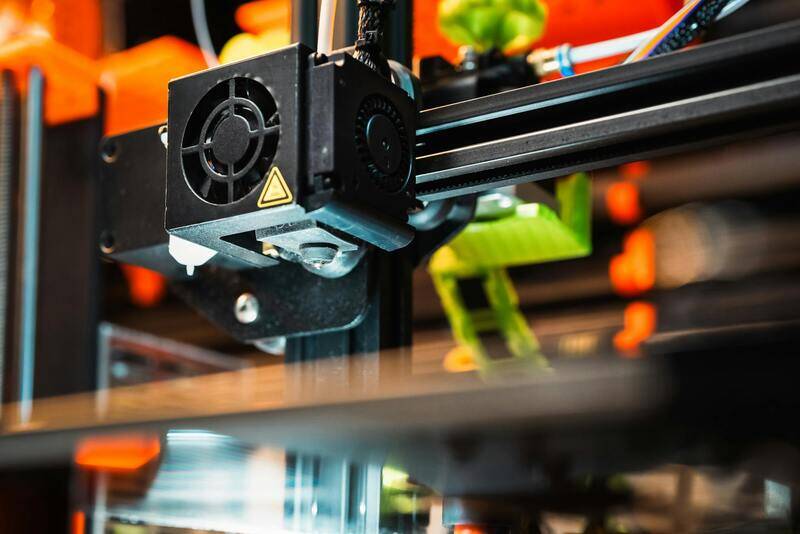
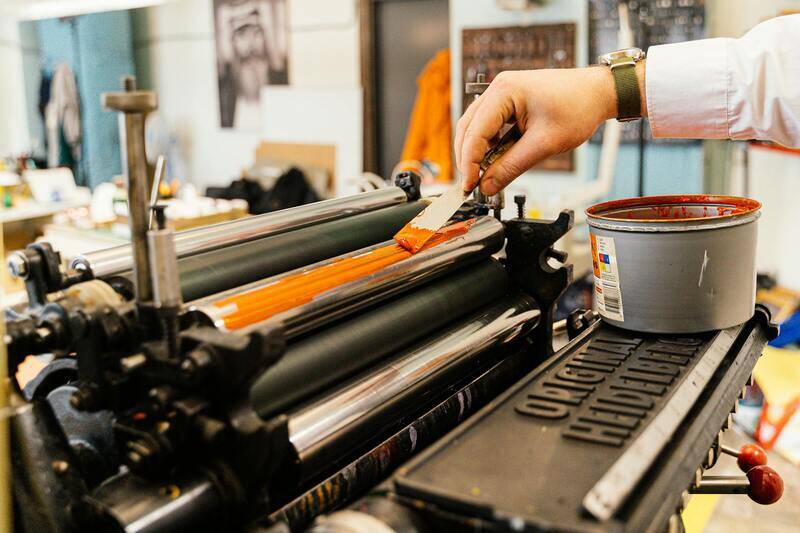
Employing the right printing technology is pivotal to achieving high fidelity in large size picture printing. Wide-format printers, such as UV flatbed printers, solvent printers, or latex printers, are commonly used for this purpose. UV flatbed printing is renowned for its ability to print directly onto rigid and flexible materials with precision, producing vibrant colors and sharp details. Solvent and eco-solvent printers are favored for outdoor banners and signage, offering weather resistance and durability. Latex printers excel in producing flexible, environmentally friendly prints with excellent color gamut and quick drying times. The choice among these technologies depends on the project scope, material, and desired finish. UV printing, for instance, allows for direct printing on unconventional surfaces like wood, glass, or metal, expanding creative possibilities. Additionally, multi-layer printing techniques can create textured effects or incorporate specialty inks like metallic or white, further elevating the visual appeal. Consistent calibration and maintenance of these printers are essential to ensure color accuracy, sharpness, and overall print quality.
Design and Resolution Considerations
Designing for large size picture printing demands meticulous planning, especially concerning resolution and layout. Artwork must be created or adapted at a size that corresponds with the final print dimensions and viewed distance. Low-resolution images, even if aesthetically appealing here in digital form, can become pixelated and lose detail when enlarged. Therefore, designers should employ images with high DPI, typically 300 DPI at the final output size when viewed up close, or lower DPI for wide-distance viewing. Vector images are ideal for logos or graphics because they can be scaled infinitely without loss of quality. When preparing a design, consider aspect ratios and bleed areas to accommodate trimming or mounting. It’s essential to verify color profiles and ensure that the artwork aligns with the intended material and printing technology. Mockups and proofs help to visualize how the final product will look, allowing for adjustments prior to mass production. Paying attention to alignment, layering, and compositional elements ensures a balanced, professional outcome, elevating the overall impact of the large print.
Color Management and Finishing
Accurate color reproduction is crucial when producing large size pictures to ensure that the printed output matches the original artwork or photograph as closely as possible. Color management involves calibrating monitors and printers regularly and utilizing standardized color profiles, such as ICC profiles, to maintain consistency across devices and materials. During printing, color fidelity can be affected by substrate reflectivity, ink absorption, and ambient lighting conditions. Employing color calibration techniques ensures vibrant, true-to-life hues, especially for branded or artistic prints. Finishing options further enhance the appearance and durability of large prints. Applying protective coatings such as matte, gloss, or satin laminates can influence visual texture, reduce glare, and add a layer of protection against UV rays, scratches, and moisture. These coatings can be selectively applied to create desired effects, emphasizing colors or reducing reflections for outdoor installations. Proper finishing requires precise handling to eliminate imperfections like bubbles, wrinkles, or misalignment, ultimately delivering a high-quality, polished presentation that meets professional standards and withstands environmental challenges.
Size Limitations and Printing Dimensions
While large size picture printing aims for expansive visuals, certain limitations exist concerning maximum achievable dimensions that are dictated by printer specifications, material handling, and substrate size. Most industrial large format printers can accommodate printing widths of up to 5 meters, with some specialized models reaching even wider. However, the total project dimensions are often achieved through seamless panel joins, where multiple printed sections are precisely aligned to create a continuous image. When working with modular panels, careful planning of overlaps and joint treatments ensures cohesive appearance and color consistency across seams. It’s also important to consider transportation and installation constraints; oversized prints may need to be rolled, folded, or segmented for easier handling. Additionally, the resolution must be tailored to both the final viewing distance and the medium’s size, balancing clarity with practicality of production. Advanced software tools aid in stitching, seamless printing, and previewing, allowing for adjustments that prevent distortions or mismatches. Understanding the natural limitations of printing equipment and substrates enables the creation of impressive, high-quality large visuals that meet spatial and aesthetic requirements without compromise.
Understanding Large Size Picture Printing
Large size picture printing demands meticulous planning and execution to achieve visuals that are both impactful and durable. To ensure optimal results, it is critical to select the right printing technology, materials, and finishing processes that align with the specific requirements of a project. Whether for commercial displays, personal art installations, or architectural features, the process involves multiple technical considerations that influence the ultimate appearance and longevity of the print.
Choosing the Right Materials and Substrates
The foundation of a high-quality large format print lies in the selection of appropriate materials and substrates. Common options include vinyl, canvas, fabric, acrylic, and specialty papers. Each material offers unique benefits; for instance, vinyl is highly durable and weather-resistant, making it ideal for outdoor applications, while canvas provides a more artistic, textured appearance suited for interior art displays.
In addition to material selection, substrate thickness, weight, and surface finish are pivotal in determining the print’s visual impact and durability. Matte finishes reduce glare and reflections, ensuring clear visibility from different angles, whereas glossy surfaces enhance color vibrancy and sharpness. Proper surface preparation, including cleaning and mounting surfaces, ensures adherence and consistency across large sections.
Printing Technologies for Large Pictures
The core of large size picture printing is driven by advanced printing technologies designed to produce high-resolution images over expansive areas. Large format inkjet printers utilizing solvent, eco-solvent, UV, or latex inks are prevalent in this context. Each technology offers specific advantages concerning color accuracy, drying times, and environmental considerations.
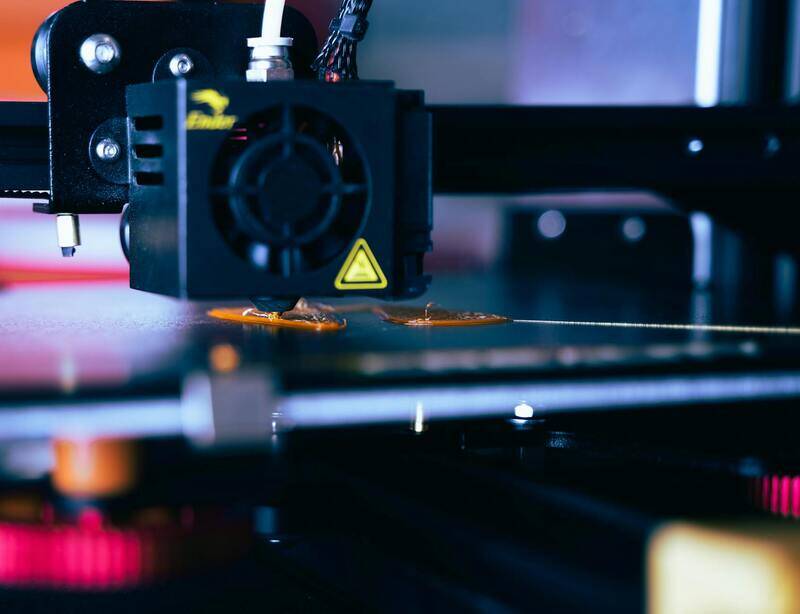
Solvent and eco-solvent printers are particularly suitable for outdoor signage due to their resistance to weather elements, while UV printing is valued for its crisp detail and adhesion on rigid surfaces like acrylic or metal. Latex printers combine durability with eco-friendliness, making them a popular choice for versatile applications.
Design and Resolution Considerations
Design intricacies significantly influence the printing outcome. For large images, maintaining high resolution is essential to prevent pixelation and ensure clarity. Industry standards recommend a minimum of 150 dpi at the final viewing distance, although this can vary based on the expected proximity of viewing. Using vector graphics for logos or text ensures sharp edges, while raster images should be prepared at the highest possible resolution.
To facilitate seamless large prints, design software with stitching and tiling capabilities is often employed. These tools allow for accurate alignment and color consistency across sections, which is crucial when multiple panels are assembled to form a single unified image.
Color Management and Finishing
Accurate color reproduction is achieved through professional color management systems that calibrate monitors, printers, and profiles specific to the media used. This ensures that the final print closely matches the original design, which is particularly important for branding or artistic projects requiring precise color fidelity.
Finishing processes—such as lamination, mounting, back reinforcement, and edge sealing—add protective layers and enhance durability. UV lamination can improve resistance to scratches, moisture, and UV damage, prolonging the vibrancy and lifespan of the print. Proper finishing not only enhances aesthetic appeal but also ensures the print withstands environmental stressors over time.
Size Limitations and Printing Dimensions
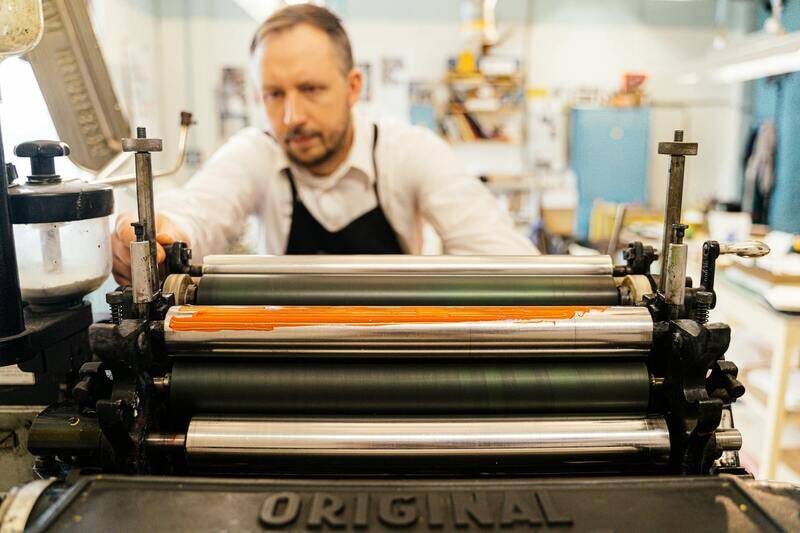
Manufacturers of large format printers typically handle widths of up to 5 meters, with some specialized equipment capable of wider outputs. For dimensions exceeding these limits, prints are often created through panel assembly with precise overlaps and alignment. This technique allows for expansive visuals without compromising resolution or quality.
When planning large projects, it is essential to consider transportation logistics. Oversized prints may require rolling or segmenting into manageable sections for installation. Seam treatment—such as heat welding, adhesive bonding, or stitching—ensures the alignment remains inconspicuous, maintaining the illusion of a seamless image.
Cost Factors and Budgeting
Pricing for large size picture printing varies based on several factors including material selection, print dimensions, ink type, and finishing requirements. High-quality durable materials and advanced printing technologies typically incur higher costs, but these investments ensure longevity and visual fidelity.
Budgeting should also consider costs related to design, preparation, transportation, and installation. For large projects, obtaining detailed quotations from reputable printing service providers that consider all these aspects ensures that expectations are aligned with budget constraints, and that the final product meets the desired standards of quality and durability.