Overview of Large Scale Image Printing
Large scale image printing refers to the process of reproducing high-resolution images onto expansive surfaces, often exceeding standard dimensions to create impactful visual displays. This specialized printing technique is integral to various industries, including advertising, interior design, fine art exhibitions, and outdoor signage. Its primary purpose is to produce vivid, detailed visuals that can be viewed from considerable distances, ensuring visibility and aesthetic appeal in large formats.
The significance of large scale image printing in today’s visual communication landscape cannot be overstated. It enables businesses and artists alike to transform plain surfaces into captivating visual statements. Whether it’s an eye-catching billboard, a striking mural on a building facade, or a detailed backdrop for events, large scale printing enhances brand visibility and artistic expression. Advances in printing technologies have facilitated the production of ultra-wide, seamless images with minimal loss in quality, making it possible to realize even the most intricate designs at enormous scales.

The industry must maintain high standards of accuracy, color fidelity, and durability to meet the demanding needs of clients. This involves utilizing precise printing methods, selecting appropriate substrates, and implementing robust quality control measures. As a result, large scale image printing has become a cornerstone in creating impactful visual environments across various sectors, providing a powerful medium for communication and artistic expression at an impressive scale.
Types of Large Scale Printing Technologies
Large scale image printing relies on several advanced technologies, each tailored to specific project requirements, substrate compatibilities, and desired results. Understanding these methods is crucial for selecting the most effective approach to ensure high-quality output and durability.
Digital Printing
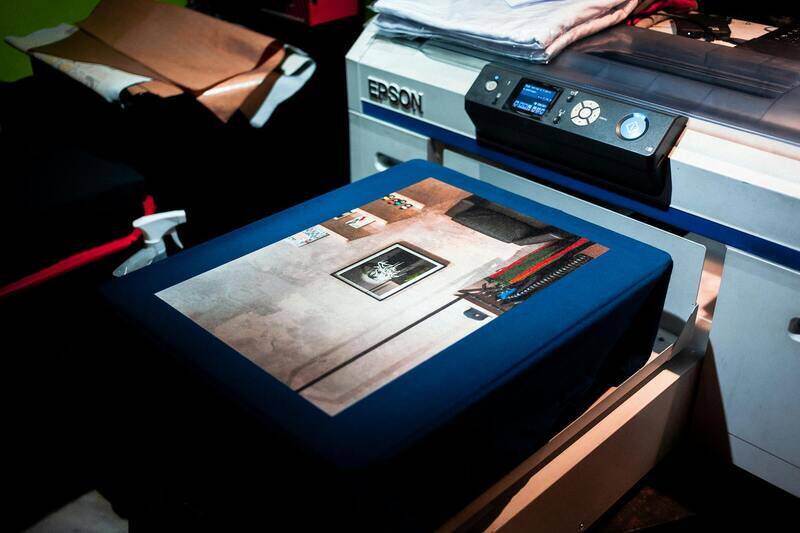
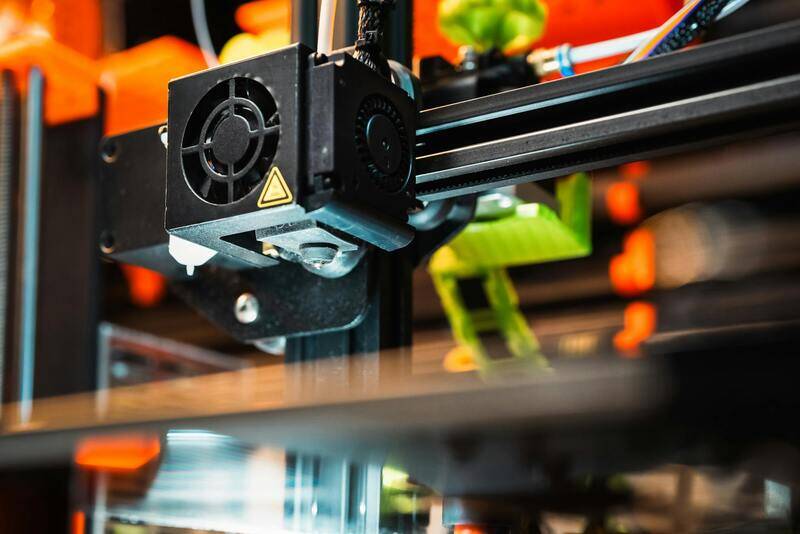
Digital large format printing is among the most popular choices due to its versatility and ability to produce highly detailed images rapidly. It employs inkjet or laser printers capable of handling wide formats, often exceeding 10 feet in width. Digital printing supports a wide color spectrum and allows for quick adjustments and customizations, making it ideal for short runs, personalized designs, and intricate visuals. Its limitation lies in the potential for slower production speeds on very large projects compared to other methods, but ongoing technological advancements continue to enhance its efficiency.
Screen Printing
Screen printing involves creating a mesh stencil (or screen) for each color in the design. Ink is pushed through the screen onto the substrate, layer by layer, enabling the production of vibrant, opaque colors. This process is especially effective for large quantities of the same design, such as banners and fabric prints. While screen printing offers outstanding color consistency and durability, its setup costs and longer preparation times make it less suitable for small or highly detailed images.
Inkjet Printing
High-end inkjet printers designed for large format applications are renowned for their ability to produce photo-realistic images with precise color gradations. They use specialized inks that adhere to a variety of substrates, including vinyl, fabric, and paper. Inkjet technology is flexible in handling different media types and thicknesses, making it a preferred choice for murals, art reproductions, and event backdrops. However, maintaining color consistency and optimizing ink systems are essential for achieving optimal results in large scale executions.
UV Printing
UV printing employs ultraviolet light to instantly cure inks onto surfaces, enabling direct printing onto rigid or non-porous materials such as acrylic, glass, and metals. This technique is notable for its fast turnaround, excellent adhesion qualities, and vibrant color output. UV printing is excellent for creating durable, weather-resistant graphics suitable for outdoor installations, signage, and decorative elements. It also allows for high-resolution images and complex textures, broadening creative possibilities.

Overview of Large Scale Image Printing
Large scale image printing has become an indispensable facet of modern visual communication, particularly in advertising, interior decoration, and outdoor signage. This method involves printing images on expansive surfaces, typically exceeding the dimensions of standard printing formats. Such prints serve as impactful visual statements, capable of transforming spaces and conveying messages with high visibility. The process requires specialized equipment, advanced substrates, and meticulous planning to ensure high-quality results that meet the specific needs of each project. Precision, color fidelity, and durability are the main concerns when executing large scale print jobs, demanding expertise and sophisticated technology to achieve professional outcomes.
Types of Large Scale Printing Technologies
Choosing the appropriate printing technology is crucial for producing vibrant, durable, and precise graphics on large surfaces. Each method offers distinct advantages that suit different applications, materials, and budget considerations:
- Inkjet Printing: High-end inkjet printers tailored for large formats excel in creating photo-realistic images with accurate color transitions. They utilize specialized inks compatible with diverse substrates like vinyl, fabric, and paper. This versatility makes inkjet printers ideal for murals, artwork reproductions, and event backdrops. Maintaining consistent color output and optimizing ink systems are key to achieving consistent results in large-scale formats.
- UV Printing: UV printing employs ultraviolet light to cure inks instantaneously upon contact with surfaces. This technology allows for direct printing onto rigid and non-porous materials such as acrylic, metal, and glass. Its rapid processing, excellent adhesion, and high vibrancy make UV printing suitable for outdoor signage, decorative panels, and textured graphics. The capacity for high-resolution outputs and complex textures expands creative options for various large-scale projects.
Materials and Substrates Suitable for Large Scale Printing
The selection of substrates significantly influences the visual impact and longevity of large format prints. Diverse materials are available, each offering unique properties to cater to specific environments and aesthetic goals:
- Vinyl: Popular for outdoor banners and wall coverings due to its weather-resistant properties and flexibility. It can be mounted on various surfaces or used as a standalone banner.
- Fabric: Used for soft signage, backdrops, and art displays. Its lightweight nature allows for easy installation and a refined appearance.
- Wallpaper and Canvas: Ideal for interior decor, providing textured finishes that enhance visual richness.
- Acrylic and Metal Sheets: Provide sleek, modern backgrounds for high-end signage and decorative features. Their rigidity and durability suit high-traffic environments.
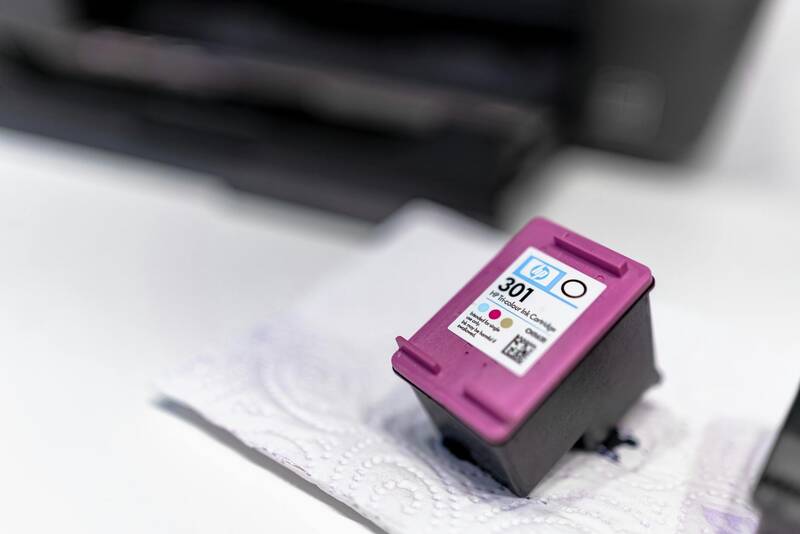
Determining the appropriate material involves considering factors such as environmental exposure, installation location, desired aesthetics, and budget constraints. Each substrate requires specific handling and finishing processes to ensure the print remains vibrant and intact over time.
Materials and Substrates Suitable for Large Scale Printing
Choosing the right substrate is crucial to achieving optimal visual effects and ensuring the longevity of large format prints. The selection depends on environmental conditions, installation surfaces, desired finish, and budget considerations. Various materials offer distinct advantages, allowing for tailored solutions to meet diverse project requirements.
- Vinyl: Renowned for its weather-resistant qualities, vinyl is widely used in outdoor signage, banners, and wall coverings. Its flexibility allows for easy installation on uneven surfaces and its ability to withstand harsh weather conditions makes it a durable choice for outdoor displays.
- Fabric: Ideal for soft signage, fabric displays, backdrops, and art installations, fabric substrates provide a lightweight, flexible option that offers a sophisticated, high-quality appearance. Their breathability and ease of handling make them suitable for temporary and semi-permanent installations.
- Wallpaper and Canvas: These textured materials are favored for interior decor, providing a rich aesthetic coupled with durability. Canvas printing is often used for fine art reproductions and murals, while wallpaper offers decorative effects that can transform retail or residential interiors.
- Acrylic and Metal Sheets: For high-end signage and architectural features, acrylic and metal substrates provide sleek, modern finishes. Their rigidity and resistance to impact allow for crisp, vibrant images in settings requiring high durability, such as retail environments or public spaces.
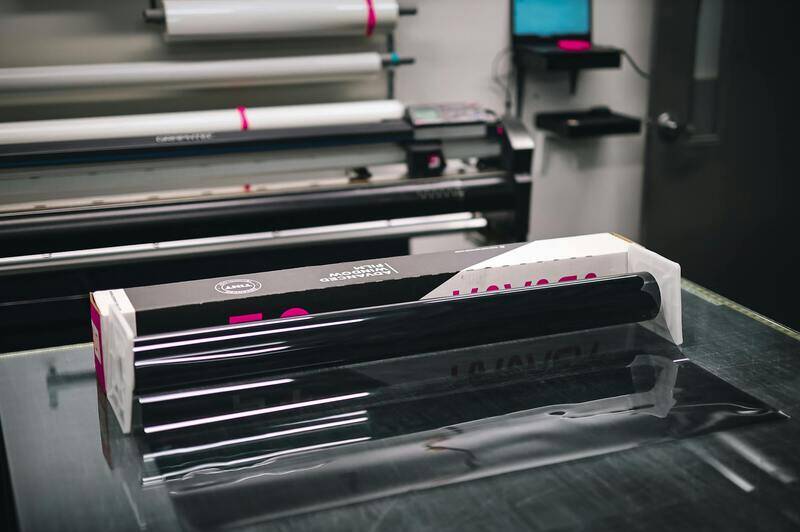
When selecting substrates, it’s essential to evaluate environmental exposure, the surface where the print will be installed, and the desired visual outcome. Proper handling, finishing, and protective coatings can further enhance the lifespan and appearance of large-format prints, ensuring they maintain their impact over time. Considering these aspects enables the creation of impressive, durable large-scale visual displays that meet both aesthetic and functional needs.
Materials and Substrates Suitable for Large Scale Printing
Choosing the right materials and substrates is critical in achieving vibrant, durable, and impactful large-scale images. The selection process involves considering factors such as environmental exposure, installation surface, and visual objectives, ensuring the final output aligns with the intended purpose.
- Vinyl: Vinyl remains a popular choice due to its versatility and weather-resistant properties. It is suitable for both indoor and outdoor displays, including banners, billboards, and vehicle wraps. Their ability to withstand sun, rain, and wind ensures longevity, even under extreme conditions.
- Fabric: Fabric substrates provide a lightweight, flexible, and high-end aesthetic option. They are ideal for soft signage, fabric backdrops, and art installations. Their breathability and easy handling facilitate quick setup and removal, suited for events or temporary displays.
- Wallpaper and Canvas: These textured materials are frequently used for interior decorative purposes. Canvas lends itself well to reproducing fine art and murals, while wallpaper offers customizable visual effects that can fundamentally alter interior spaces.
- Acrylic and Metal Sheets: For signage and architectural features requiring sleek finishes, acrylic and metal sheets provide flat, polished surfaces. These materials are impact-resistant and offer crisp clarity for high-resolution images, suitable for environments demanding robustness and a modern look.
- Polypropylene and Polycarbonate: These substrates are often chosen for their chemical resistance and toughness. They are suitable for industrial applications or environments with high exposure to chemicals or physical stress.

It is essential to evaluate each project's specific needs before selecting a substrate, taking into account environmental conditions and the surface where the print will be installed. Implementing proper handling procedures, protective coatings, and finishing techniques can significantly extend the lifespan and visual impact of large-format prints. This attention to detail ensures that the final product remains visually striking and durable over time, whether displayed indoors or outdoors.
Color Management and Quality Control
Effective color management is paramount in large scale image printing to ensure that the final output accurately reflects the original design's hues and tones. This involves utilizing calibrated color profiles and advanced color matching systems to maintain consistency across different prints and substrates. High-end printers are often equipped with built-in spectrophotometers that facilitate real-time color adjustments, minimizing discrepancies caused by material variations or environmental factors.
Quality control measures should be ingrained at every stage of the printing process. From the selection of materials and calibration of equipment to the final inspection, meticulous attention helps in identifying issues such as color shifts, streaks, or pixelation. Implementing standardized checks, such as visual inspections and measurement of color accuracy using colorimeters, guarantees that each large format print meets the desired standards of vibrancy, sharpness, and uniformity.
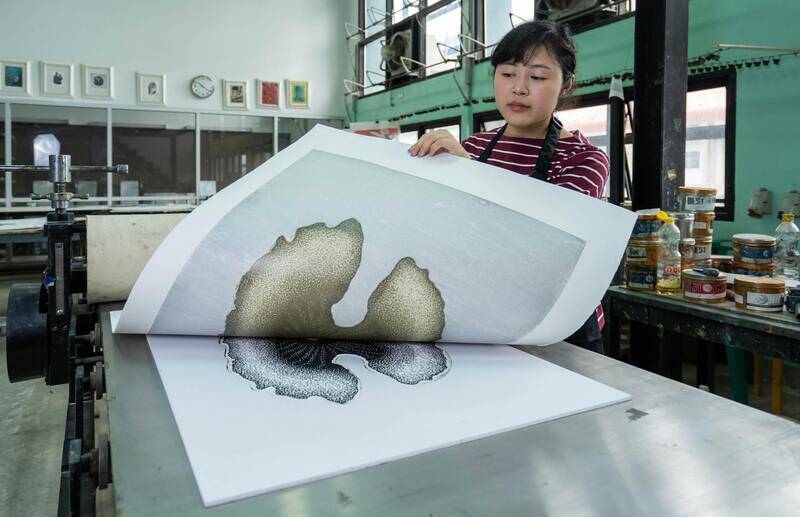
Additionally, soft proofing techniques enable designers and production teams to preview how images will appear when printed, allowing for adjustments before the actual printing process begins. This proactive approach reduces waste, saves costs, and enhances the overall quality of the final product.
Maintaining consistent environmental conditions, such as temperature and humidity, within the printing area further reduces variables that can impact print quality. Proper storage of materials and timely replacement of consumables like ink cartridges and print heads play crucial roles in preserving the integrity of the output. By adhering to rigorous quality control protocols, print service providers can deliver large-scale images that are not only visually stunning but also durable and true to the original design intent.
This comprehensive approach to color management and quality assurance ensures that each large format print achieves high fidelity, sharp details, and vibrant color reproduction—key factors in client satisfaction and project success.
Methods for Producing Large Scale Image Prints Using Official Technologies
When it comes to executing large scale image printing projects, employing tried-and-true official methods guarantees high-quality, durable, and accurate results. Professional large format printing relies heavily on specialized equipment and processes designed to handle expansive images without compromising detail or color fidelity. These methods include the usage of high-end printers, precise color management, and suitable substrates, all of which contribute to creating vibrant, consistent, and long-lasting visual displays.
High-End Inkjet Printing Technologies
At the forefront of large scale image printing are advanced inkjet printers, such as solvent, eco-solvent, UV, and latex printers. These machines are engineered specifically for producing large-format images with exceptional resolution and color accuracy. Solvent and eco-solvent printers utilize fast-drying inks capable of adhering to a wide range of substrates, making them ideal for outdoor signage, banners, and murals.
UV printers, on the other hand, employ ultraviolet light to instantly cure inks upon contact with the substrate. This technology allows for printing directly onto rigid or curved surfaces, expanding design flexibility. Latex printers utilize water-based latex inks that are eco-friendly and capable of delivering vibrant colors with excellent durability, suitable for both indoor and outdoor applications.

Calibrated Color Management Systems
Maintaining color accuracy across large prints demands comprehensive color management using official calibration tools. Color profiles are carefully created and embedded into the printing workflow, ensuring consistent reproduction regardless of the material or size. Professional-grade colorimeters and spectrophotometers are employed to calibrate monitors, printers, and viewing conditions, which collectively uphold color fidelity.
Soft proofing and standardized viewing environments also play crucial roles in preparing images for large-scale output, ensuring that what is designed digitally mirrors the final printed product. This meticulous approach minimizes discrepancies and guarantees that color vibrancy and sharpness match client expectations.
Utilization of Certified Materials and Substrates
To complement official printing methods, using authorized materials and substrates is essential for achieving durable results. Reputable manufacturers offer substrates specifically engineered for large format printing, including vinyl, canvas, film, fabric, and rigid boards. These materials are designed to work seamlessly with high-quality inks, providing resistance to environmental factors such as UV rays, moisture, and abrasion.
Substrate selection must align with the intended application—whether for indoor displays, outdoor signage, or special installations—to optimize longevity and visual impact. Employing officially sourced materials also ensures compliance with safety standards and guarantees consistency in the production process.
Image Preparation and File Management
Preparing images with precision is a foundational step in large scale printing. Files should be configured at high resolution (typically 300 dpi or higher at final print size) to ensure sharpness. Existing digital assets are scaled according to the final desired dimensions without sacrificing image quality through proper resampling techniques.
Designers and print technicians utilize official color profiles and layer management to optimize clarity and contrast. Attention to bleed margins, safe zones, and embedding fonts further enhances the printing process, minimizing errors that could compromise the visual integrity of the large image.
Quality Assurance and Inspection Procedures
Post-print inspections involving calibrated viewing conditions and professional measurement tools are crucial. Visual assessments complemented by colorimetric verification allow technicians to verify uniformity, vibrancy, and accuracy. Implementing repeatable quality control steps ensures consistent output across multiple large-scale projects.
Employing official calibration standards and quality management protocols not only guarantees high standards but also boosts client confidence. It underscores a commitment to delivering images that faithfully reproduce the original design intent with outstanding precision and durability.
Advanced Techniques for Large Scale Image Printing
Achieving high-quality results in large scale image printing involves employing sophisticated and verified methods that ensure durability, vibrancy, and precision. Industrial-grade printers equipped with multi-pass print heads and advanced ink delivery systems are fundamental in producing consistent, crisp images at grand dimensions. These printers utilize precise calibration protocols and allow for seamless color matching and gradient transitions, essential for large-format works where subtle tonal variations are noticeable across expansive surfaces.

Employing vetted technology also entails meticulous substrate handling, with controlled environments to reduce the risk of dust, static, and environmental fluctuations affecting the final output. This reduces instances of misalignment or color inconsistency, which are common challenges in large-scale productions. The integration of image stitching software allows technicians to combine multiple high-resolution segments into a cohesive final piece, maintaining image fidelity and alignment across the entire print.
Verification and Consistency Using Professional Standards
Ensuring consistent quality across varying large format projects involves strict adherence to professional standards for color management and calibration. Using industry-standard color profiles such as ICC profiles guarantees that colors are reproduced accurately, matching the original digital files. Regular calibration of printers, including print heads and ink systems, ensures that output remains consistent over time, minimizing deviations that could compromise the image quality on extensive surfaces.

Employing Proven Secure Data and File Management Protocols
A critical component of large scale printing is the management of digital assets. Using secure file transfer methods and validated file formats prevents tampering or corruption during transmission. Files are usually prepared in high-resolution vector formats or raster formats with embedded color profiles, providing maximal detail reproduction. Proper file version control and documentation are maintained for efficiency and traceability, especially important in projects involving multiple stakeholders or recurring large-scale prints.
Maintaining Environmental and Handling Standards
Operational environments are maintained within specified temperature and humidity ranges to preserve the integrity of the printed materials during and after the process. Handling procedures include protective coverings and storage practices that prevent surface scratches, smudges, or fading caused by environmental exposure. Using officially sourced inks and materials guarantees optimal adhesion, weather resistance, and longevity of the printed images, especially for outdoor displays or installation with long-term exposure.
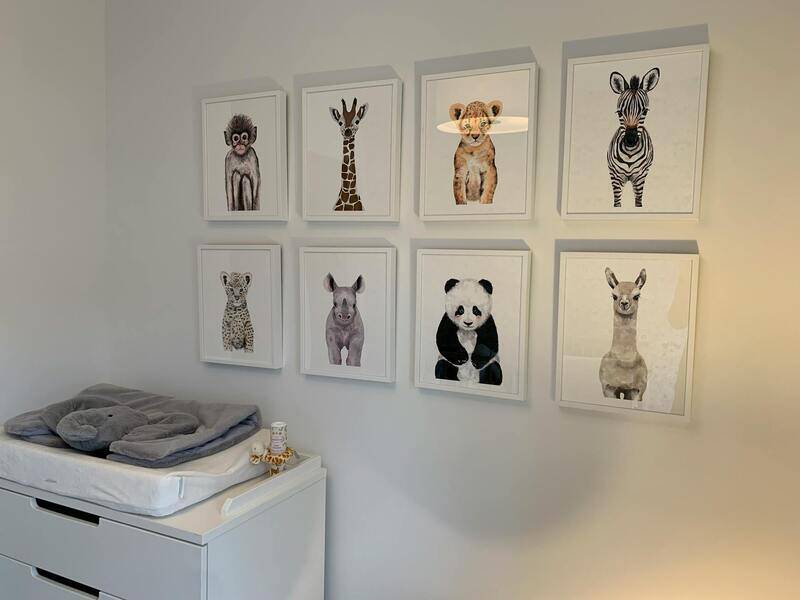
Utilizing Validation and Inspection for Quality Assurance
Post-production quality control is fundamental, involving detailed inspections under calibrated lighting conditions. Technicians use measurement devices such as spectrophotometers and densitometers to verify color accuracy and uniformity across the entire print surface. Defect detection tools help identify inconsistencies or issues like ink bleed, color mismatch, or surface blemishes. Formalized inspection protocols ensure each large-scale print meets the predetermined standards, reducing waste and rework.
Focus on Sustainability and Long-term Durability
Eco-friendly practices are integrated through the use of sustainable materials and inks that do not compromise print quality. UV-curable inks and water-based inks are common choices for their minimal environmental impact and superior durability. Proper sealing and lamination techniques further enhance weather resistance, UV protection, and ease of maintenance, extending the visual lifespan of large-scale images especially in outdoor contexts.