Overview of Large Format Printing in Singapore
Large format printing refers to the process of producing high-quality prints on materials that exceed standard printing sizes, typically ranging from 24 inches up to several meters in width. This form of printing is essential in creating impactful visual displays, marketing materials, and environmental graphics that demand visibility and scale, making it an indispensable component of Singapore's vibrant marketing and advertising industry.
Within Singapore’s diverse and competitive market, large format printing has established itself as a key service for various sectors including retail, real estate, events management, and corporate branding. Its capacity to produce eye-catching banners, posters, signage, and murals directly contributes to brand visibility and customer engagement.

Applications of large format printing are widespread, with notable examples including billboard advertising along busy city streets, large-scale retail store signage to attract shoppers, and customized visuals for exhibitions and trade shows. The versatility of this printing method allows businesses to communicate their messages dynamically and effectively in both indoor and outdoor environments.
Singapore’s strategic focus on innovation and high-quality visual presentation has driven demand for advanced large format printing solutions. This industry continually evolves with new technologies and materials, providing local businesses with the tools necessary to stand out in a bustling marketplace.

Common Materials Used in Large Format Printing
Choosing the appropriate material is a critical step in achieving the desired visual impact and durability of large format print projects. The selection hinges on factors such as the intended display environment, longevity requirements, and budget considerations. Several materials are commonly employed in the industry, each with specific properties suited to different applications.
- Vinyl: The most widely used material in large format printing due to its versatility and weather resistance. Vinyl is ideal for outdoor banners, signage, vehicle wraps, and other applications that require resilience against the elements. It comes in various finishes, including gloss, matte, and satin, providing flexibility in visual presentation.
- Fabric: Usually made from polyester or cotton blends, fabric is popular for trade show displays, backdrop banners, and interior branding. It offers a premium look with vibrant color reproduction and is easily foldable for transport. Fabric prints tend to have a softer, more sophisticated appearance, making them suitable for upscale environments.
- Rigid Materials: Including foam boards, aluminum panels, acrylic sheets, and PVC boards. These materials are chosen for signage that requires rigidity and structural integrity. Rigid substrates are perfect for point-of-sale displays, exhibition panels, and directional signage.
- Canvas: Often used for fine art reproductions, murals, and interior decorative elements. Canvas printing provides a textured finish that enhances visual depth and offers a more artistic feel.
Each material demands specific printing techniques and finishing options. For instance, vinyl and fabric typically utilize solvent or UV printing methods to ensure durability, especially for outdoor or high-traffic applications. Rigid materials require flatbed printing technology, which accommodates thick substrates and produces precise, high-quality images.

Regarding sustainability, many suppliers now offer eco-friendly materials such as recyclable vinyl and cloth substrates, supporting environmentally conscious branding initiatives without compromising quality or longevity.
Impact of Material Selection on Output Quality and Application Longevity
The choice of printing material not only influences the aesthetic appeal but also determines the lifespan and performance of the final product. High-quality materials coupled with advanced printing techniques yield sharper images, more accurate color reproduction, and enhanced resistance to environmental factors such as UV rays, moisture, and abrasion. Proper material selection ensures that brands and organizations can maintain a professional appearance over time, no matter the display environment.
Types of Large Format Printing Technologies
Understanding the array of printing technologies available for large format projects is crucial for achieving optimal results in Singapore’s competitive market. These methods encompass a range of processes designed to cater to diverse material types, project requirements, and durability standards, ensuring that each printed output meets the specific demands of signage, advertising, or artistic display.
Solvent and UV Printing
Solvent printing stands out for its robust ink formulations that penetrate substrates, resulting in vibrant, resistant colors. It is particularly effective for outdoor signage that demands longevity and resistance to weather conditions. UV printing, on the other hand, employs ultraviolet light to instantly cure inks on various surfaces, including rigid materials like acrylic or metal. This technology enables high-detail prints with a glossy finish and excellent color accuracy, making it ideal for premium signage and artistic applications.
Flatbed Printing
Flatbed printing technology is essential when working with rigid substrates such as foam boards, glass, or wood. This method allows printing directly onto thick or uneven surfaces, producing detailed, high-resolution images with color consistency. It is often employed in creating trade show displays, wall murals, and custom signage, where precision and material compatibility are paramount.
Roll-to-Roll Printing
For banners, backdrops, and wide-format posters, roll-to-roll printing offers a continuous printing process on flexible media. This technique ensures seamless images across large stretches of material, eliminating joins that could detract from visual appeal. It is favored for large-scale advertising campaigns, event banners, and window graphics due to its speed and efficiency.
Other Advanced Technologies
- Latex Printing: Provides environmental benefits with water-based inks, offering flexibility and eco-friendly output suitable for both indoor and outdoor use.
- Electrophotographic Printing: Useful for producing high-volume prints with consistent quality, often in applications where quick turnaround is needed.
- Hybrid Printing Systems: Combine multiple techniques to optimize project requirements, balancing durability, image quality, and turnaround time.
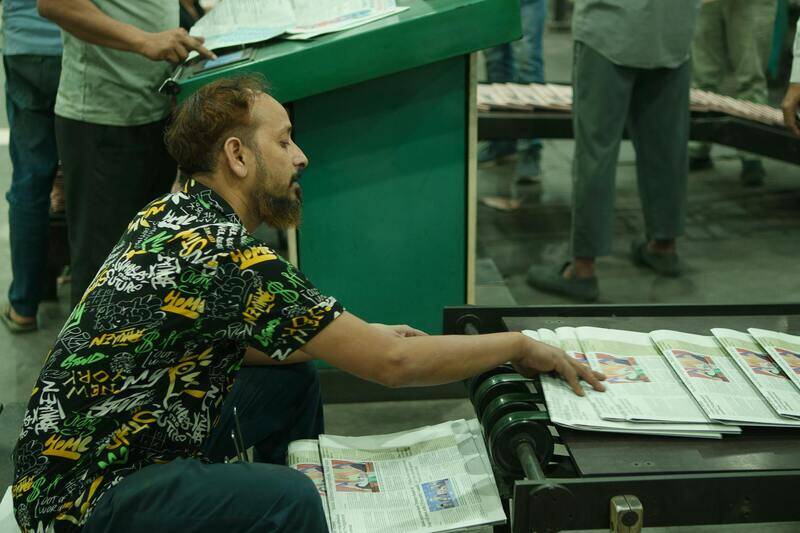
Choosing the right technology entails evaluating factors such as the intended application, material compatibility, environmental exposure, and budget constraints. Collaborating with experienced service providers ensures selection of the most suitable process that guarantees high-quality output with longevity and visual impact.
Design and File Preparation for Large Format Printing
Effective design and meticulous file preparation are essential to achieve optimal results in large format printing. High-resolution artwork, ideally 300 DPI or higher, is critical to maintain image sharpness when scaled to large dimensions. Designers should utilize vector files for logos and graphics that require scaling without loss of quality, while high-resolution raster images are suitable for photographs and detailed imagery.
Color accuracy and consistency are paramount, especially for branding purposes. Applying correct color profiles, such as Adobe RGB or CMYK, ensures that printed colors closely match digital previews and client expectations. When preparing files, it is important to embed or include linked files, fonts, and assets to prevent discrepancies during printing.
File formats commonly accepted include PDF, AI, EPS, and TIFF, which preserve quality and support complex vector and raster data. Proper cropping, bleed settings, and trim marks facilitate smooth finishing processes and avoid unwanted borders or cut-off details. Additionally, checking for any resolution issues, color mismatches, or artifacts before submission minimizes the risk of errors, reduces rework, and ensures project timelines are met.

Working closely with professional printing service providers can provide valuable guidance on file specifications and optimal settings tailored to specific materials and technologies. Clear communication and thorough review of proofs help align expectations and guarantee a successful print outcome.
Techniques for Ensuring Precise Color Matching and Consistency
Achieving consistent color reproduction in large format printing is vital for maintaining brand integrity and visual appeal. Professional printers employ advanced color management workflows that include calibration of devices and the use of standardized color profiles. Implementing ICC profiles tailored to specific printers, inks, and materials ensures that digital colors translate accurately into the physical print. This process minimizes color discrepancies across different print runs and materials, providing predictable and reliable results.
Moreover, it is essential to create and review print proofs meticulously. Soft proofs offer an initial approximation but verifying against hard proofs—actual printed samples—stands as the most effective method for confirming colors before full-scale production. This step enables adjustments to ink density, color saturation, and contrast, which are critical for achieving the desired visual impact.
When working on large-scale projects, especially those involving brand logos, packaging, or critical graphics, collaborating with experienced professionals who understand the nuances of large format color management can significantly reduce the risk of errors. They can advise on optimal color specifications, including the appropriate use of CMYK or spot colors, to ensure that the final printing closely matches client expectations.

File Preparation for Large Format Printing
Proper file preparation is a cornerstone of successful large format printing. Files should be created or converted into formats that support high-resolution and color fidelity, such as PDF, TIFF, or EPS. Ensuring that images and graphics are embedded with the correct resolution—generally 300 DPI or higher—is critical for avoiding pixelation or blurriness when enlarged.
Designers must pay attention to bleed, trim marks, and safe margins during file setup. Bleed allows for printing beyond the final cut line, preventing unprinted edges, while crop marks guide precise trimming. Safe margins safeguard vital content from being accidentally cut off during finishing.
Vector graphics are preferred for logos and text elements because they scale without loss of quality. When raster images are necessary, choosing high-resolution sources prevents degradation during enlargement. Consistent color modes, preferably CMYK for accurate printing, should be maintained throughout the file creation process.
Furthermore, detailed review processes—including proofing on calibrated screens and physical proofs—are essential. Confirm that colors, graphics, and text align with client specifications before proceeding to full production. Clear communication with the printing provider regarding file specifications and expectations can prevent costly errors and time-consuming reprints.

Environmental and Sustainability Considerations
As large format printing continues to flourish across Singapore's vibrant commercial landscape, an increasing focus is being directed toward environmentally responsible practices. Selecting eco-friendly materials and inks is fundamental to minimizing the ecological footprint of printing projects. Many printing service providers now incorporate sustainable options such as biodegradable substrates, recyclable banners, and water-based eco-solvent inks that emit lower volatile organic compounds (VOCs). By prioritizing these choices, businesses can effectively reduce indoor air pollution and environmental impact.
Waste management also plays a crucial role in sustainable large format printing. Implementing recycling programs for unused materials and off-cuts ensures that waste is minimized and diverted from landfills. Some providers adopt digital workflows to optimize material usage, preventing excess production and reducing unnecessary waste. Additionally, LED and UV-cure printing technologies are gaining popularity for their lower energy consumption and faster curing times, affirming their status as environmentally conscious choices.
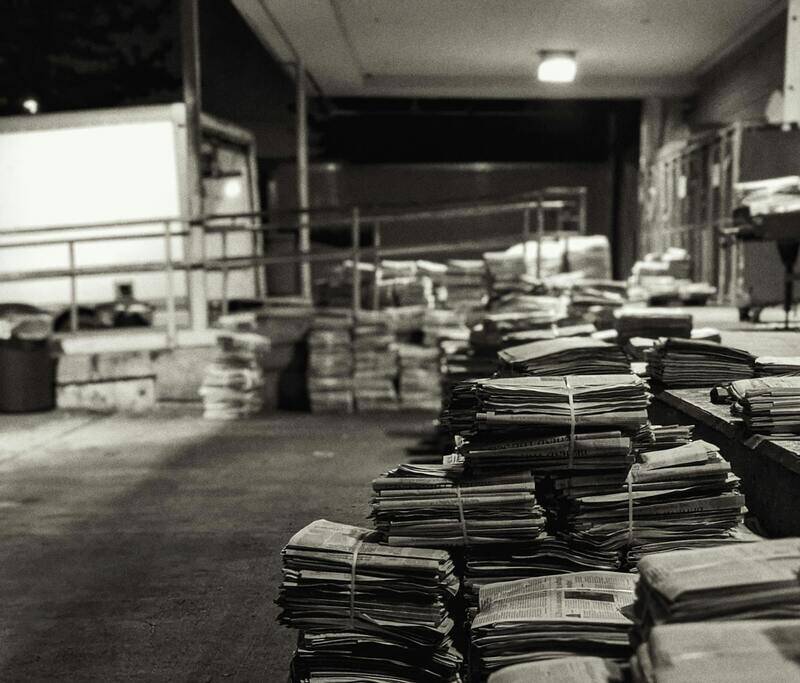
Transportation logistics also influence the environmental sustainability of printing endeavors. Consolidating shipments and selecting local suppliers can significantly reduce carbon emissions associated with delivery. Some printing companies are exploring green logistics solutions, including electric vehicles and optimized routing algorithms, to further lessen their ecological footprint.
In addition to operational practices, transparency and certification are increasingly valued. Industry-standard certifications such as FSC (Forest Stewardship Council) and GREENGUARD ensure that materials meet strict environmental criteria. Clients seeking environmentally responsible large format prints should collaborate with providers who hold these certifications and openly share their sustainability policies.

By integrating these environmentally mindful practices, the large format printing industry in Singapore not only supports corporate social responsibility initiatives but also aligns with government directives aimed at sustainable urban development. This proactive approach helps businesses meet consumer expectations for environmentally responsible branding while maintaining high-quality visual outputs.
Legal and Contractual Considerations in Large Format Printing
When engaging in large format printing projects, establishing clear contractual agreements with your chosen service provider is vital. These agreements should delineate project scope, timelines, quality expectations, and ownership rights of the final artwork. Ensuring these details are transparent helps prevent misunderstandings and guarantees that both parties have aligned goals from inception to completion.
It is equally important to verify that all artworks submitted for printing are free from unauthorized use of copyrighted content. Reproducing protected images, logos, or branding elements without proper permissions can lead to intellectual property disputes. Working with reputable printers who adhere to strict compliance protocols helps ensure that all artwork respects copyright laws, reinforcing the integrity and professionalism of your project.
Additionally, considering liability clauses within the contractual framework protects both parties in case of unforeseen issues such as delays or printing defects. A comprehensive agreement should specify procedures for addressing discrepancies, damages, or misprints, establishing a clear pathway for resolution and compensation if needed.
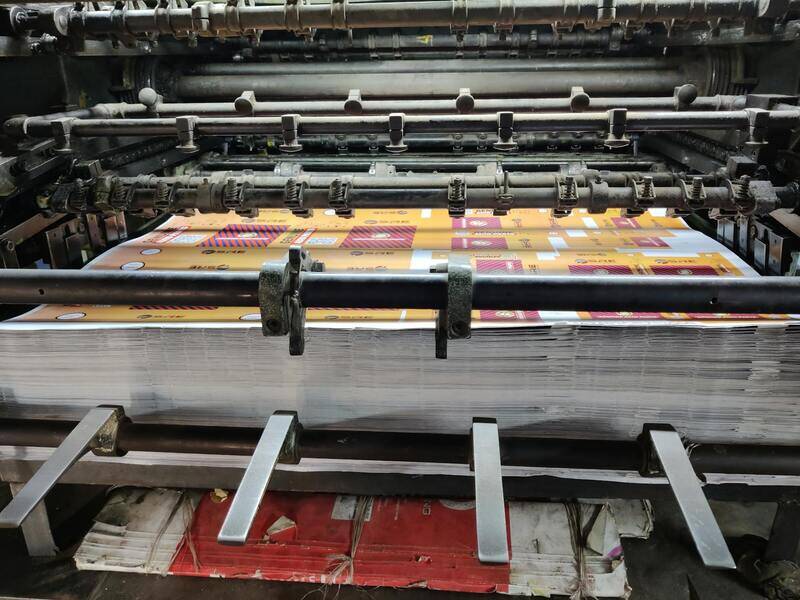
Clients should also prioritize vendors with transparent service policies, including detailed quotations and documented quality assurance processes. Vetted providers often offer sample prints and client testimonials, which serve as indicators of their commitment to high standards and accountability. This thorough vetting process contributes to a smoother project experience and desired outcomes.
Proper Methods for Verifying the Authenticity of Large Format Prints in Singapore
Ensuring that large format prints are authentic and meet the expected standards involves a combination of thorough verification processes and reliance on reputable service providers. Given the significance of high-quality output in branding, promotional displays, and artistic installations, clients must adopt official and legitimate methods to confirm the durability, accuracy, and overall quality of their large format prints.
1. Evaluate the Printer’s Certification and Credentials
One of the primary steps in verifying the legitimacy of a large format printing service is to examine their certifications and industry credentials. Reputable printers in Singapore often hold certifications such as ISO for quality management or environmental standards. These credentials indicate adherence to international standards and commitment to consistent quality. Additionally, membership in professional associations related to printing and graphic arts can further attest to their professionalism and adherence to best practices.
2. Review Sample Prints and Portfolio

Authentic large format print providers maintain a comprehensive portfolio of past projects, often showcasing their capabilities across various materials and finishes. Reviewing samples allows clients to evaluate factors such as color fidelity, resolution, and surface integrity—crucial markers of genuine, high-quality prints. Requesting physical samples or viewing high-resolution images from reputable vendors helps ascertain whether the final product will meet expectations.
3. Confirm Material Specifications and Compatibility
Official print providers supply detailed information about the materials they use, including type, weight, UV resistance, and suitability for specific environments. Verifying that the materials match the specifications outlined in your project ensures authenticity. For instance, if a print requires weather-resistant vinyl for outdoor use, confirm that the provider exclusively utilizes materials that meet these criteria.
4. Implement Quality Assurance Checks
Reliable large format printing services implement strict quality assurance protocols at various stages of production. Inspection during and after printing ensures that colors are accurate, edges are clean, and the print aligns with the original design files. Some providers offer pre-shipment quality checks, allowing clients to approve the final output before delivery. This step helps prevent discrepancies and confirms the legitimacy of the finished product.
5. Utilize Digital Verification Tools
Modern verification methods include digital tools such as color calibration and metadata analysis. Digital color management systems can compare the printed output against digital proofs, ensuring consistency with design intent. Metadata embedded in digital files may include print settings, printer details, and version history, providing an additional layer of confirmation regarding the authenticity of the process.
6. Engage with Experienced and Reputable Vendors
Working with established vendors known for their transparency and professionalism significantly reduces risks associated with counterfeit or substandard prints. Reputable print service providers maintain transparent communication channels, provide detailed quotations, and share client testimonials and case studies. Such engagement facilitates trust and affirms that the printing process adheres to high standards.
7. Seek Certifications and Compliance Documentation
Request official documentation regarding compliance with safety and environmental standards. Certifications for eco-friendly printing practices, VOC emissions, and chemical safety illustrate responsible manufacturing and reinforce the authenticity of the process. These documents act as official attestations of adherence to recognized policies and standards, further confirming the legitimacy of the printing operation.
Images

Adopting these methods ensures that clients can validate both the authenticity and quality of their large format prints in Singapore. Prioritizing transparency, industry accreditation, and rigorous quality controls guarantees that the final product aligns with project specifications and upholds professional standards.