Understanding Business Card Printing
Business card printing remains a fundamental aspect of professional branding and networking. A well-designed business card serves as a tangible representation of an individual's or company's identity, leaving a lasting impression on recipients. It encapsulates essential contact information and visual branding elements, making it easier to establish and maintain professional relationships. In a marketplace where first impressions can influence opportunities, the importance of high-quality business card printing cannot be overstated.
Effective business card printing offers numerous benefits. It ensures clarity and professionalism in the presentation of contact details, which is crucial in fostering trust and credibility. The tactile experience of a well-printed card reinforces brand perception, especially when coupled with quality materials and finishes. Moreover, professionally printed business cards distinguish individuals or organizations from competitors, acting as an extension of their branding strategy.
From a networking standpoint, business cards are quick and accessible tools that facilitate seamless exchanges of information during meetings, conferences, or casual encounters. They serve as a physical reminder of the interaction, encouraging further engagement. Beyond simple contact exchanges, a thoughtfully printed card can convey personality and vision, providing insights into the brand’s identity through design choices.

In the digital age, while online contacts and social media serve as vital tools, the tangible nature of business cards remains a preferred method for establishing a concrete presence. Properly printed cards reflect attention to detail and professionalism, reinforcing the message of reliability and quality that businesses want to communicate.
As market competition intensifies, investing in skilled business card printing solutions becomes increasingly advantageous. It enables entities to craft cards that are not only informative but also memorable—capturing the essence of their brand through strategic design, material selection, and finishing touches. Therefore, understanding the significance of business card printing is essential for any organization aiming to maximize its outreach and foster meaningful professional relationships.
Design Considerations for Business Cards
The design of a business card is pivotal in conveying the brand’s message effectively. Elements such as layout, color scheme, typography, and logo placement need to be carefully curated to produce a cohesive and professional appearance. Consistency with the overall branding—such as matching the color palette and font styles—reinforces brand recognition and reinforces message clarity.
Effective design goes beyond aesthetics; it also accounts for functional aspects like readability and space utilization. Key contact details should be easily legible, and the card should not appear cluttered. Incorporating unique design features, such as embossed logos or strategic use of white space, can elevate the card's visual appeal and tactile experience.
When considering design, it’s critical to understand the target audience and the message the brand aims to communicate. Whether aiming for a sleek, minimalistic look or a more vibrant, creative presentation, the design elements should align with the company's identity and industry standards.

By paying close attention to design principles and aligning them with overall branding efforts, organizations can create business cards that serve as powerful tools for impression management and relationship building. The process involves collaboration between graphic designers, printing specialists, and branding experts to achieve optimal results.
Material and Finish Options for Business Card Printing
Choosing the right materials and finishes is crucial in determining both the tactile quality and visual impact of your business cards. Standard cardstock remains the most common choice, offering durability and affordability. However, many businesses seek to differentiate their cards through premium materials and unique finishes that elevate their brand presence.
Common material options include thick, high-quality paper stocks such as matte or gloss finishes, which can influence the card’s look and feel. Matte finishes give a sophisticated, non-reflective surface that is ideal for designs with intricate details or soft color palettes. Glossy finishes, on the other hand, provide a vibrant, eye-catching sheen that enhances vivid images and bold colors, making your design pop.
Specialty materials like textured paper, linen, or recycled stock are gaining popularity among environmentally conscious brands. They add tactile texture and reinforce a brand’s commitment to sustainability.

Finish options further personalize the presentation of your business cards. Options such as UV coating, spot embossing, foil stamping, and soft-touch coatings can add visual and tactile accents. UV coating offers a protective glossy layer that enhances durability and color vibrancy, while soft-touch coatings provide a velvety feel, adding a sense of luxury.
Embossing and foil stamping are advanced techniques that create raised or metallic effects, perfect for highlighting logos or key design elements. These finishing touches do more than decorate; they serve to create memorable impressions that align with your brand’s identity and the message you want to convey.
When selecting materials and finishes, consider durability alongside aesthetics. Your choice should not only reflect your brand’s image but also withstand the rigors of daily handling. Consulting with printing professionals can help identify the most appropriate options to deliver the desired combination of quality, cost-effectiveness, and environmental responsibility.
Understanding Business Card Printing
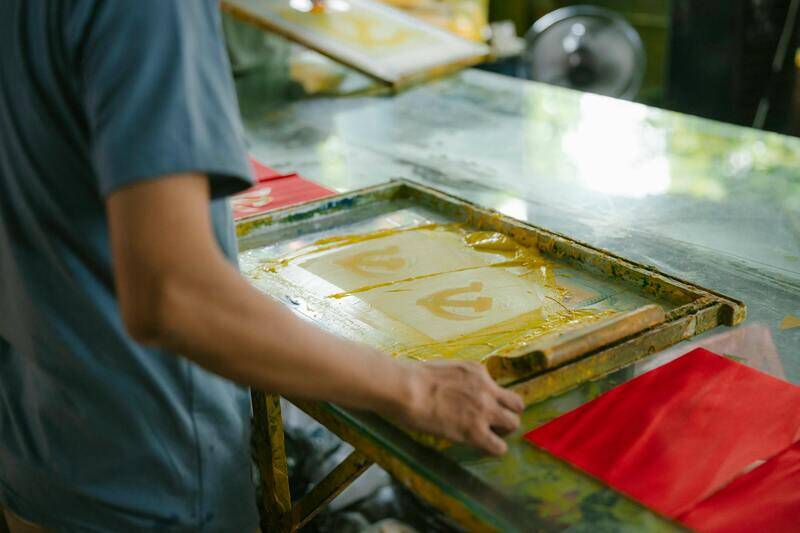
In the realm of professional networking and brand promotion, the choice of printing techniques and materials plays a crucial role in creating memorable and durable business cards. Accurate and high-quality printing ensures your card stands out and effectively communicates your brand identity. When selecting a printing method, it is vital to consider factors such as precision, color accuracy, and the ability to reproduce intricate design details. Digital printing has become the preferred choice for its speed and affordability, while offset printing offers superior color fidelity for bulk orders. Specialty techniques, such as letterpress, flexography, or screen printing, can add unique tactile qualities or metallic effects, elevating the perceived value of your business card.

Advancements in printing technology, especially digital printing, have made it possible to achieve high-resolution results with quick turnaround times. This allows businesses to customize cards with variable data, such as individual names or QR codes, without compromising quality. Meanwhile, offset printing provides consistency and cost-efficiency for large quantities, maintaining crisp images and vibrant colors. For designs that require special effects—such as metallic inks, textured surfaces, or embossed elements—specialized printing techniques and finishes are employed. These techniques enable brands to craft distinctive cards that not only carry visual appeal but also foster a tactile connection with recipients.
Cost Factors in Business Card Printing
Producing high-quality business cards requires an understanding of various cost components involved in printing. Factors that influence pricing include the choice of material, printing volume, complexity of design, and finishing options. Thicker, premium-grade paper stocks naturally incur higher costs but significantly enhance the card’s perceived quality and durability. Incorporating special finishes such as UV coating or embossing also adds to the overall expense; however, these investments contribute to a stronger brand statement. Additionally, complex designs with multiple colors or special effects may require additional setup time and printing passes, influencing the unit cost. When budgeting for business card printing, it’s vital to balance quality and cost-effectiveness, ensuring the final product aligns with your branding goals and target audience expectations.

Planning your printing volume according to your typical distribution needs can help optimize costs. Bulk orders often benefit from reduced per-unit pricing, and shared design templates or streamlined customization options might further lower expenses. Partnering with experienced printers can provide valuable insights into cost-saving techniques without compromising on quality, such as selecting standard sizes or simplifying intricate design elements. Remember, investing in premium materials and professional finishes can yield tangible benefits in brand perception, making it worthwhile to allocate a suitable budget toward high-impact options.
Choosing the Right Business Card Printer in Singapore
Selecting a reputable printing service is crucial for ensuring that your business cards meet professional standards. When evaluating printing providers, consider their portfolio of previous work, specialization in business card printing, and range of offered materials and finishes. An experienced printer will advise on optimal options tailored to your brand identity and budget constraints. It’s also beneficial to review their turnaround times and customer service reputation. Local printers in Singapore often have added advantages, such as faster delivery options and better communication, which streamline the entire process from design to delivery. Ensuring the provider adheres to quality control standards guarantees your cards will arrive consistent and flawless.

Consulting with commercial printers that offer sample kits can provide a tangible sense of how different materials and finishes look and feel. Moreover, exploring printers that prioritize eco-friendly practices—such as using recycled papers and environmentally conscious inks—aligns your branding with sustainable values. The right printer not only delivers a high-quality product but also offers strategic advice on design, materials, and technology to maximize the impact of your business cards.
Understanding Business Card Printing
Business card printing involves a meticulous process that extends beyond simple reproduction of your design. It encompasses selecting the appropriate printing technology, materials, and finishes to produce a card that effectively communicates your brand identity. When approached with professionalism, this process ensures that your cards not only convey essential contact information but also leave a lasting visual impression. The choice of printing method plays a pivotal role in the quality, texture, and durability of the final product, making it essential to work with experienced specialists who understand the nuances of business card production in Singapore's vibrant market.
Design Considerations for Business Cards
A compelling design is the foundation of an effective business card. Elements such as layout, typography, logo placement, and color scheme must be carefully balanced to reflect your brand's tone and message. Incorporating subtle design features like embossing, foil accents, or textured backgrounds can elevate the card’s aesthetic appeal and demonstrate attention to detail. Consistency with your overall branding strategy helps reinforce recognition and trust among clients and partners.
Opt for clarity in contact information, ensuring legibility regardless of the card's size. Use fonts that complement your branding, and avoid overloading the design with excessive visuals or text. The goal is to create a tactile experience that aligns with your corporate image while providing essential information in a professional, memorable manner.
Material and Finish Options
Choosing the right material sets the foundation for a durable, visually appealing business card. Common options include premium cardstock, recycled paper, plastic, or even metal, each offering distinct benefits. The thickness of the cardstock influences perceived quality, with thicker cards imparting a sense of sturdiness and prestige.
Finish options significantly impact the tactile and visual appeal of your cards. Matte finishes offer a sophisticated, non-reflective surface ideal for minimalist designs, while glossy finishes enhance vibrancy and detail, making colors pop. Soft-touch coatings provide a luxurious, velvety feel that can set your cards apart. For added elegance, specialty finishes like spot UV gloss, foil stamping, or embossing can create focal points, texture contrasts, and overall refinement.
Printing Techniques and Technologies
Diverse printing methods offer different advantages in terms of quality, cost, and design capabilities. Digital printing provides quick turnaround times and cost-effective options for small batches or designs that change frequently. Offset printing, on the other hand, excels in producing large quantities with consistent high quality, making it suitable for bulk orders requiring precise color reproduction.
For special effects, advanced techniques like foil stamping add metallic accents that catch the eye, while embossing or debossing create tactile surfaces that make your cards memorable. Spot UV coating highlights specific design elements with a glossy shine, adding depth and contrast. Each of these techniques enhances the surface texture and visual impact, allowing your business cards to stand out in a competitive environment.
Cost Factors in Business Card Printing
Pricing for business card printing varies based on several key parameters, including design complexity, chosen materials, quantity, and finishing features. Standard designs on basic cardstock tend to be more budget-friendly, whereas bespoke options with specialty finishes or unique materials naturally cost more. Bulk orders typically offer potential savings per unit, making they ideal for businesses with large distribution needs.
Additional costs may include setup fees for specialty finishes or premium options, and expedite services will likely add to the overall expense. Therefore, establishing a clear budget and working closely with your printer to balance quality with affordability can lead to optimal results without compromising your brand image.
Choosing the Right Business Card Printer in Singapore
Verification of a printer’s industry experience, portfolio, and customer reviews is crucial. A reputable service provider will offer a comprehensive consultation, guiding choices around materials, finishes, and technologies to match your brand aesthetics and budget. Local printers often facilitate faster delivery and more direct communication, streamlining the entire process from concept to product receipt. Consulting with providers who offer samples or mock-ups enables tangible evaluation of options before finalizing the design.
Eco-conscious printing options should also be considered, such as recycled papers and environmentally friendly inks, aligning your company’s values with sustainable practices. Partnering with a trusted printer ensures that your business cards will reflect professionalism through consistent quality and adherence to industry standards, reinforcing your brand reputation effectively.
Understanding Business Card Printing
Business card printing encompasses a range of techniques and processes that transform your digital designs into tangible, professional-grade cards. It involves selecting suitable materials, finishes, and printing methods to produce cards that effectively communicate your brand identity. Precision and quality control are crucial throughout the process, as the finished product serves as a personal or corporate introduction that leaves a lasting impression.
Key Steps in Business Card Printing
- Design Finalization: Ensuring designs align with your brand guidelines and are optimized for print, focusing on clarity, readability, and aesthetic appeal.
- Material Selection: Choosing appropriate paper stocks and finishes based on desired texture, durability, and presentation style.
- Printing Method: Selecting suitable printing technology such as digital, offset, or specialty techniques to ensure high-quality output.
- Quality Inspection: Conducting thorough checks to verify color accuracy, alignment, and overall presentation prior to distribution.
Each step requires attention to detail and understanding of available options, particularly when aiming for consistency across large batches. Working with experienced printers helps navigate complex specifications and ensures that the final product aligns with your expectations and branding standards.

Design Considerations for Business Cards
A well-designed card transcends basic contact information, serving as a medium to communicate your brand personality. Consider the following design principles:
- Brand Identity: Integrate your logo, color palette, and typography to reinforce your brand image.
- Clarity and Readability: Use legible fonts and appropriate font sizes to ensure contact details are easily readable.
- Visual Hierarchy: Prioritize key information such as your name, title, and contact details through size, color, or placement.
- Use of Space: Maintain a balanced layout that avoids clutter while making effective use of available space.
- Unique Elements: Incorporate design elements like textures, spot UV coating, or embossing to create tactile interest and visual impact.
Creativity in design should align with your industry standards and target audience expectations, ensuring your card stands out in a stack of competitors.
Material and Finish Options
The choice of material and finish can significantly influence the perceived quality of your business cards. Common options include:
- Paper Stocks: From standard cardstock to specialty papers like linen, textured, or recycled materials, each imparts a distinct tactile experience.
- Finish Types: Matte, gloss, or satin finishes enhance the visual appeal and protect the design from wear and tear.
- Specialty Coatings: Features like spot UV coating or soft-touch finishes can add luxury and uniqueness to your cards.
Matching the material and finish with your brand image and budget allows for tailored solutions that effectively convey professionalism and attention to detail. For brands committed to sustainability, options such as recycled paper with eco-friendly inks provide environmentally conscious choices without compromising quality.

Printing Techniques and Technologies
Advancements in printing technology enable a wide array of effects and finishes, tailored to diverse branding needs. Notable techniques include:
- Digital Printing: Ideal for short runs and quick turnaround times, offering high-quality results with cost efficiency.
- Offset Printing: Suitable for large volumes, providing consistent color accuracy and high detail reproduction.
- Letterpress: Creates an embossed effect that adds tactile depth and premium appeal.
- Spot UV and Aqueous Coatings: Enhance specific areas of the card with glossy finishes or protective layers, adding visual and tactile contrast.
- Specialty Printing: Techniques like foil stamping, thermography, or textured embossing allow for customization that makes your business cards memorable.
Each printing method offers distinct advantages related to texture, durability, and visual depth, permitting customization aligned with your branding strategy. Consulting with experienced printing providers can help identify the optimal combination of techniques to achieve your desired aesthetic while maintaining efficiency and cost-effectiveness.
Understanding Business Card Printing
Business card printing is a critical aspect of professional branding that involves translating your brand identity into a tangible, portable item. In Singapore, the process is supported by numerous reputable printing service providers employing advanced technology and eco-friendly practices. When considering business card printing, it is essential to evaluate various factors such as quality, durability, and customization options to ensure your cards make a lasting impression.
Legal and Legitimate Methods of Business Card Printing
To achieve high-quality results, it is advisable to work with established printing companies that adhere to recognized industry standards and use certified materials. This ensures consistency, precise color reproduction, and the durability of the final product. Reliable providers employ a suite of official methods to produce business cards that align with your branding goals while maintaining high quality and compliance with industry norms.
Professional Digital Printing
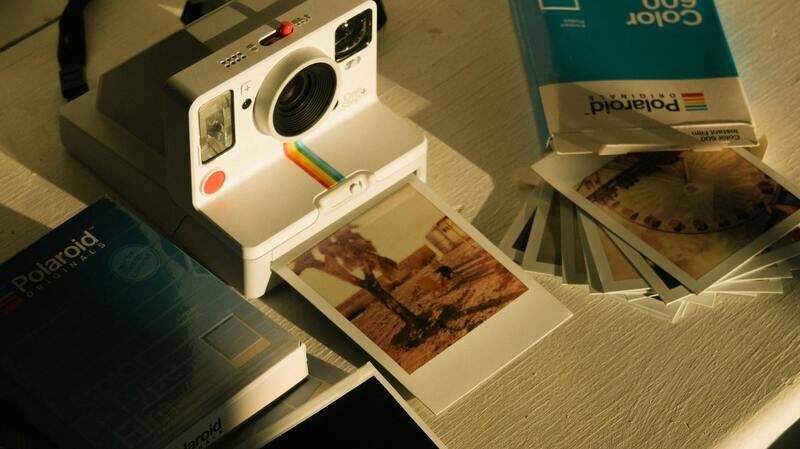
Digital printing stands out as a fast, efficient, and cost-effective method suitable for small to medium runs. This technology allows for quick turnaround times without compromising color accuracy or detail sharpness. Digital presses utilize high-resolution inks and precise color management systems to produce vibrant, crisp visuals that faithfully represent your brand identity. The process involves direct transfer of digital images onto premium substrates, enabling easy customization, variable data printing, and short lead times.
Offset Printing for Large Volumes
Offset printing is a traditional, highly reliable method for producing large quantities of business cards. It involves transferring ink from a plate onto a rubber blanket, which then prints onto the paper substrate. This process provides excellent color consistency, sharp image reproduction, and high detail fidelity, making it ideal for bulk orders. Offset printing is cost-efficient at scale, though it requires a slightly longer setup process compared to digital printing. For brands with extensive distribution needs, offset remains a popular, professional choice.
Specialized Printing Techniques
Beyond standard methods, legitimate business card printing providers also offer specialty techniques that enhance visual appeal and tactile experience. These include:
- Letterpress: Produces an embossed effect, adding tactile dimension that elevates perceived value.
- Spot UV Coatings: Highlights specific areas with gloss, creating contrast and visual focus.
- Foil Stamping: Adds metallic accents for a luxurious touch.
- Thermography: Produces a raised, textured finish that mimics engraving.
- Textured Embossing and Debossing: Introduces physical dimension for enhanced sensory impact.

Leveraging these techniques depends on your branding objectives and budget, but they are pivotal in creating truly memorable business cards that stand out in competitive environments.
Ensuring Quality Through Approved Methods
Utilizing official printing techniques from reputable providers guarantees adherence to quality standards, ensuring that your final product is consistent, durable, and visually appealing. Selecting a printer with certified processes and modern equipment minimizes risks associated with inferior results and ensures your business cards accurately reflect your brand ethos.
Understanding Business Card Printing
Choosing the right methods for business card printing involves a comprehensive understanding of official techniques that adhere to industry standards. It is essential to select reputable printing providers that utilize legitimate processes, ensuring the final product maintains high quality, durability, and aesthetic appeal. Properly printed business cards serve as a powerful tool in establishing professional credibility and making a memorable impression on clients and business partners.
Design Considerations for Business Cards
Professional design is fundamental to creating an impactful business card. Incorporating clear, concise information with visually appealing elements enhances memorability. When designing, consider factors such as:
- Brand consistency: Use colors, fonts, and logos that align with your brand identity.
- Readability: Ensure text size and style are easy to read at a glance.
- White space: Balance design elements to prevent clutter.
- Unique features: Incorporate distinctive shapes, textures, or finishes to stand out.
Material and Finish Options
The choice of material and finish significantly impacts the tactile feel and longevity of your business cards. Legitimate printing providers offer a variety of authentic options, including:
- Standard cardstock: Durable and versatile, available in various thicknesses.
- Matt finish: Offers a smooth, non-reflective surface that exudes professionalism.
- Glossy finish: Enhances color vibrancy and visual appeal.
- Soft-touch coating: Provides a luxurious, velvety feel.
Advanced finishes such as spot UV coating, embossing, or foil stamping can further elevate the tactile and visual quality of your cards, especially when produced by reputable printing specialists employing legitimate techniques.

Printing Techniques and Technologies
To achieve sharp, vibrant, and durable results, licensed printing providers utilize proven methods like offset and digital printing—both adhering to industry standards. Offset printing is preferred for large quantities due to its cost efficiency and superior consistency, whereas digital printing offers quicker turnaround times suitable for smaller batches. Additionally, specialty techniques such as letterpress, foil stamping, and thermography are available through authorized channels for those seeking premium quality and tactile distinction. These methods involve sophisticated equipment operated by trained professionals, guaranteeing high standards and uniformity across batches.
Cost Factors in Business Card Printing
The expense of legitimate business card printing depends on several key variables:
- Quantity: Larger orders generally reduce the per-unit cost due to economies of scale.
- Material choice: Premium papers and finishes elevate costs but significantly enhance perceived value.
- Design complexity: Intricate designs or specialty effects require additional setup and production time.
- Printing method: Offset printing typically offers lower costs for bulk runs, while digital printing tends to be more economical for smaller quantities.
- Additional features: Embossing, foil accents, and textured finishes add to the overall price.
Engaging with a licensed printer that transparently provides detailed quotations based on your specifications ensures smart investment and excellent return in brand presentation.
Ensuring Proper Business Card Printing Methods
Adopting official and recognized methods of business card printing guarantees that your final product aligns with industry standards and durability expectations. Authentic printing processes involve the use of certified equipment and materials, ensuring consistency in color, clarity, and overall finish. Offset and digital printing remain the most dependable technologies employed by professional print providers, with each suited for specific order sizes and quality preferences. Offset printing is a high-volume solution, providing sharp images and color fidelity, making it ideal for large batches. Digital printing, on the other hand, offers flexibility and quick turnaround options, perfect for smaller or customized runs.
In addition to primary printing techniques, advanced methods such as letterpress, foil stamping, and thermography are applied through authorized channels. Letterpress adds a tactile impression that conveys sophistication, while foil stamping provides metallic accents that elevate design impact. Thermography creates raised text, producing a high-end textured feel without extensive setup costs. All these specialty techniques require sophisticated machinery operated by trained technicians, underscoring the importance of engaging with licensed, reputable print shops to achieve optimal results.

Maintaining Consistency and Quality in Business Card Production
To ensure the excellence of your business cards, it is crucial to work with established print providers that uphold industry standards. They employ quality control processes, including color calibration and material inspections, throughout the production journey. When supplying your design files, adhering to correct formatting and file specifications prevents errors and ensures the printed output matches your vision. Consistent communication with your printer allows for adjustments and proofs, leading to a result that reflects your brand identity accurately.
Verification and Quality Assurance
- Request physical proofs prior to full batch production to review color accuracy, layout, and finish details.
- Confirm material specifications, including paper weight, texture, and finish, to match your branding requirements.
- Verify that specialty effects like foil or embossing are correctly applied and visible on the sample.
- Ensure consistent production standards are maintained across subsequent orders by establishing a relationship with your printer.
Official Documentation and Certification
Some trusted printers provide official certificates or documentation verifying the adherence to quality standards and technical specifications. This documentation serves as evidence of the authenticity of the printing process and guarantees that your business cards have been produced under rigorous guidelines. Such credentials mitigate concerns about craftsmanship and reinforce the overall value of your branding collateral. Always request detailed documentation or proof of process when collaborating with new or unfamiliar businesses to safeguard your investment.
Conclusion
Legitimate business card printing involves a combination of proven technologies, certified materials, and professional craftsmanship. Working with reputable providers ensures your cards not only look impressive but also withstand the rigors of daily handling, leaving a lasting impression with prospective clients and partners. Opt for established print services that prioritize transparency, quality assurance, and adherence to industry standards to safeguard your brand’s reputation and achieve the best possible outcomes.