Business Card Printing Price Factors And Budgeting In Singapore
Overview of Business Card Printing Costs
Business card printing costs in Singapore vary based on multiple factors, including material choices, design complexity, quantity ordered, and printing techniques. Typically, the price range for standard business cards can start from as low as SGD 30 for basic options and may go up depending on customization, bulk discounts, and specialized finishes. Understanding these factors helps businesses and professionals plan their budgets effectively while ensuring that the final product aligns with brand identity and professional standards.
Different business card designs and finishes showcase the range of printing options available in Singapore.
Several key elements influence the overall cost of business card printing services:
Material quality and type
Design intricacy and customization levels
Order quantity
Printing methods and techniques used
Add-on features such as embossing, foil, or specialty finishes
For those seeking the best balance between affordability and professional appearance, understanding these cost factors is essential. Competitive marketplace options in Singapore ensure businesses can find printing solutions that meet their quality and budget requirements, whether they need a small batch for events or large bulk orders for corporate branding.
Printing Material Options and Their Impact on Price
The choice of material significantly influences the cost of business card printing. Standard options like matte or gloss cardstock tend to be more budget-friendly, while premium materials such as textured, linen, or recycled papers can increase expenses. Thicker stock often conveys quality but comes at a higher price point. Additionally, special finishes like soft-touch coatings or transparent plastic cards add to the overall cost, providing a distinctive look and feel that can set a brand apart.
Business card options showcasing different finishes and materials, highlighting how material choices impact cost and aesthetics.
Choosing the appropriate material depends on the desired image and budget constraints. For instance, a startup may opt for economical cardstock, whereas an established luxury brand might invest in high-end textured or embossed materials to reinforce their premium positioning.
Design Complexity and Customization Fees
The design intricacy of a business card can significantly influence printing costs. Simple layouts with minimal customization are economical, while elaborate designs featuring detailed graphics, unique shapes, and special effects tend to incur higher charges. Customization options such as incorporating foil stamping, spot UV coating, embossed elements, or die-cut shapes require specialized printing techniques and additional setup charges.
Basic designs with standard features typically cost less.
Highly customized cards with multiple finishes and specialty effects can increase the price substantially.
Professionals often collaborate with designers to strike a balance between aesthetic appeal and cost-efficiency, ensuring the final product effectively communicates the brand message without exceeding budget limits.
Quantity and Price Scaling
The number of business cards ordered directly affects individual unit costs through economies of scale. Smaller batches, such as 100 to 250 cards, tend to have higher per-card costs, while bulk orders—ranging from 500 to 1000 or more—usually benefit from discounted rates. Many printing service providers offer tiered pricing structures, encouraging larger orders for cost savings. Planning for future needs and batch sizes can result in substantial cost efficiencies over time.
Example of bulk business card orders illustrating cost savings per unit with larger quantities.
It is advisable for businesses to assess their long-term usage and consider possible reordering or design updates that can streamline spending, especially when investing in high-quality or custom materials.
Printing Material Options and Their Impact on Price
Choosing the appropriate printing material is a crucial factor that influences the overall cost of business card printing. Standard cardstock options, typically 14-16pt thickness, provide a cost-effective solution while maintaining durability and professional appearance. For clients seeking a more substantial feel, premium materials such as velvet or linen textures may be selected, which generally carry higher prices due to material costs and processing requirements.
Paper finishes also play a significant role in pricing. Matte finishes tend to be slightly more affordable and provide a sleek, modern look, whereas gloss or satin finishes can add to the expense with their enhanced visual appeal and protective qualities. Uncoated papers are another option, often chosen for their tactile feel and ease of writing, but they may cost differently depending on suppliers.
Material selection significantly affects the final cost of your business cards.
Specialty finishes such as foil stamping, spot UV coating, or embossed textures can elevate the visual and tactile impact of your cards but come at an increased cost. These embellishments require additional printing steps, specialized equipment, and setup fees, which are reflected in the final pricing. When balancing quality and budget, selecting the right combination of materials and finishes ensures the creation of impactful business cards without exceeding financial constraints.
Design Complexity and Customization Fees
Design intricacy can noticeably influence the total cost of business card production. Simple, minimalistic designs with straightforward layouts typically incur lower charges, primarily due to reduced setup and printing time. Conversely, complex artwork involving multiple colors, intricate patterns, or layered graphics adds to the development effort and printing complexity, thereby raising the overall expense.
Customization options such as unique shapes, die-cut edges, or foldable formats frequently involve additional setup charges. These modifications require special dies or templates, which involve upfront costs that are passed on to the customer. For ongoing campaigns or branding initiatives, investing in customized business cards can offer a distinctive advantage, provided the budget aligns with the design complexity.
Quantity and Price Scaling
The size of your order directly correlates with per-unit costs, thanks to economies of scale. Small batches, commonly under 250 cards, tend to have higher individual prices due to setup fees and limited material optimization. Larger bulk orders, such as 500 or 1000 units, reduce the cost per card significantly, as the initial setup expenses are distributed across more units.
Tiered pricing models incentivize bulk purchases, making them advantageous for companies with ongoing networking or marketing needs. Strategic planning around order quantities — possibly combining multiple designs or reordering in phases — can maximize savings over time.
Economies of scale make bulk orders more cost-effective per card.
Evaluating long-term requirements and potential reordering schedules helps businesses optimize their budget allocation for business card printing. Aligning order quantities with future branding plans can minimize overall costs while maintaining high-quality output.
Design Complexity and Customization Fees
As businesses seek to stand out through their business cards, the level of design intricacy and the inclusion of customization features significantly influence the overall printing cost. Higher complexity designs often require more time and advanced printing techniques, which can escalate expenses. For instance, intricate graphics, detailed logos, and elaborate fonts demand precise alignment and higher resolution printing, increasing production time and material usage.
Custom features such as die-cut shapes, embossing, foil stamping, or spot UV coating introduce additional layers of cost. These options necessitate specialized equipment, custom dies, and extra steps in the printing process. Each of these features lends a premium look and feel to the finished product, making them especially popular for brands aiming to convey a sense of exclusivity or sophistication.
It's also essential to consider the choice of finish—matte, gloss, or satin—each impacting the price differently. For example, matte finishes may involve additional coating steps to achieve the desired texture, while gloss finishes can enhance vivid colors but might require more quality control. The combination of design complexity and finish preferences should be balanced against budget constraints to achieve the most impactful results without unnecessary costs.
Custom embossed and foil-stamped business cards exemplify premium design features that influence printing costs
Additional Costs and Optional Features
In addition to core design elements, optional features can add to the overall printing expense. These include:
Specialty Paper Stocks: Thicker, textured, or uniquely colored papers often come at a premium and can elevate the perceived value of the cards.
Rounded or Custom-Shaped Corners: Cutting cards into rounded edges or other shapes requires precise handling and additional die setups, increasing costs per unit.
Special Printing Techniques: Techniques such as letterpress, thermography, or silk screening are more labor-intensive and require higher skill levels, thus raising production costs.
Additional Printing Colors: Using more than the standard CMYK process can increase costs, particularly if special inks or colors are involved.
Packaging and Delivery: Customized packaging or expedited delivery options may also influence the final costs.
Estimating and Budgeting for Business Card Printing
Effective budgeting involves understanding all possible costs upfront. It is advisable to request detailed quotes from multiple providers, considering the base price, customization fees, and any additional charges for optional features. Establishing a clear priority list—such as opting for minimal customization to keep within budget—can help streamline the selection process.
Many printing service providers offer tiered pricing models based on order volume, so planning future reprint needs can yield cost savings. Review the quote thoroughly to identify potential bulk discounts, setup fees, and variable costs associated with design choices. This detailed approach ensures the final expenditure aligns with the intended marketing strategy without compromising on quality.
Accurate estimation of printing costs facilitates effective budget management for business cards
Printing Techniques and Their Cost Implications
Understanding the various printing techniques available is essential when assessing the business card printing price. Each method offers distinct advantages and influences overall costs differently. Standard offset printing remains the most economical choice for bulk orders and delivers consistent high-quality results suitable for most professional needs. Its cost-effectiveness makes it a popular selection for companies looking to balance quality and affordability.
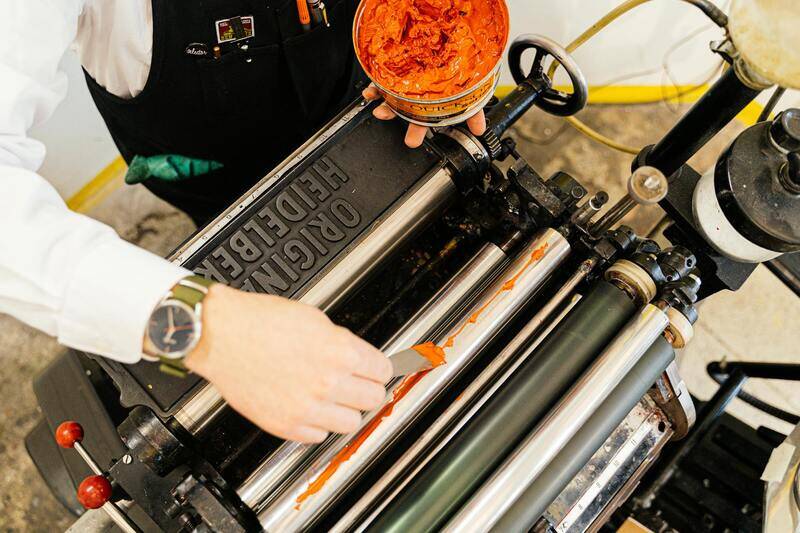
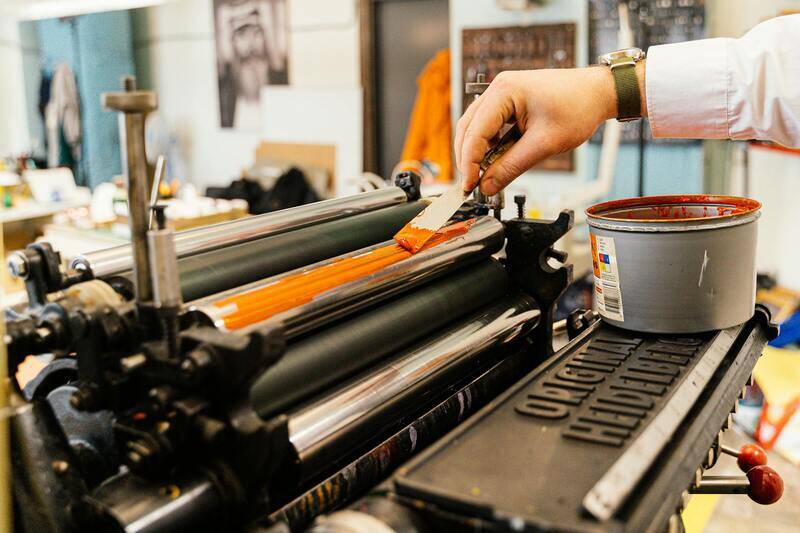
Letterpress printing, renowned for its tactile and embossed effects, adds a premium feel to business cards. However, the process requires intricate craftsmanship and specialized equipment, often resulting in higher unit costs. This technique is ideal for brands seeking a luxurious presentation but might not be suitable for budget-conscious projects.
Thermography involves applying a special powder to the ink while still wet, creating a raised, glossy text or design. The labor-intensive nature of this process increases production costs, yet it offers a striking visual that enhances the card's tactile appeal.
Silk screening, or screen printing, is effective for vivid color application and striking visuals, but it tends to be less cost-efficient for small quantities due to setup costs. For larger runs, it can be more economical, especially with multiple colors involved.
Various printing techniques influence business card costs and visual appeal
Choosing the most suitable technique depends on project scope, budget, and desired aesthetic. While premium methods increase immediate costs, they often provide a memorable first impression that can justify the investment.
Printing Techniques and Their Cost Implications
Understanding the different printing methods available is essential for making informed decisions that align with your budget and branding goals. Digital printing is often the most flexible option, suitable for short runs and quick turnaround times. It involves less setup, which generally leads to lower upfront costs, making it ideal for small to medium-sized orders. The quality of digital prints has significantly improved, providing crisp clarity and vibrant colors, although it might lack the tactile richness found in traditional methods.
Digital printing offers flexibility and quick turnaround for small batches.
Offset printing, known for its high quality and cost efficiency in larger quantities, utilizes plates to transfer ink onto paper. Although initial setup costs are higher due to plate creation, the per-unit expense decreases with volume, making it the preferred choice for bulk orders. This method produces consistent color reproduction and sharp details, suitable for intricate designs and complex color schemes. Larger businesses and organizations often opt for offset printing to maximize value over large quantities.
Offset printing delivers high-quality results, especially for sizable orders.
Embossing and foiling are specialized techniques that add texture and metallic accents, respectively. Embossing creates a raised effect, providing a tactile dimension that enhances branding elements like logos or key contact information. Foiling incorporates metallic foils—gold, silver, or holographic—to achieve an eye-catching finish. While these features significantly elevate the perceived value, they also increase manufacturing complexity and costs. Their use is recommended for premium branding projects or special events where visual impact is paramount.
Embossing and foiling can transform a standard business card into a luxurious branding tool.
Additional Costs and Optional Features
Beyond the basic printing techniques, various optional enhancements can influence the overall business card printing price. These include rounded corners, lamination, specialty finishes, and custom die cuts. Each feature adds a layer of sophistication and personalization, helping your business stand out. For instance, matte or gloss lamination not only enhances durability but also provides a premium touch. Specialty finishes like spot UV coating can accentuate specific areas, creating contrast and visual interest. Custom die cuts enable uniquely shaped cards, which can improve brand recognition but may require additional tooling expenses.
It is vital to weigh these options against your budget to ensure the chosen features deliver value without excessive expenditure. Consulting with printing professionals can help identify the most cost-effective upgrades that align with your branding strategy.
Estimating and Budgeting for Business Card Printing
Accurate budgeting begins with a clear understanding of your project scope, including design complexity, quantity, and desired features. Most printing providers offer tiered pricing structures that incentivize larger orders, reducing the unit cost as quantity increases. Setting a realistic budget also involves considering additional costs like design services, revisions, and optional customization features.
To optimize your investment, request detailed quotes from multiple vendors, focus on transparent pricing that itemizes each component, and verify any hidden fees or surcharges. Planning ahead and ordering in bulk can significantly reduce the per-card cost, ensuring your brand makes a consistent, professional impression.
Tips for Finding Affordable Business Card Printing Services
Prioritize vendors with a proven track record of quality and reliability, as lower prices should not compromise the final product’s professionalism.
Consider establishing a long-term relationship with a local printer to negotiate better rates for recurring orders.
Leverage online platforms that offer competitive pricing, but ensure they have quality guarantees and good customer support.
Balance the use of premium features with essential design elements to keep costs manageable while maintaining visual impact.
Request samples beforehand to assess print quality and material options, preventing costly reprints due to dissatisfaction.
By carefully evaluating printing options, customizing features judiciously, and negotiating effectively, businesses can achieve high-quality business cards without exceeding their budget. The key lies in aligning your project requirements with the most suitable method and provider to maximize value across every aspect of printing.
Understanding the Factors Affecting Business Card Printing Price
Overview of Business Card Printing Costs
Business card printing costs can vary significantly based on multiple factors, from the choice of materials to the printing methods employed. Standard pricing typically encompasses the base cost of printing a set number of cards, but additional fees may arise depending on customization levels, design complexity, and order quantity. Recognizing these components is crucial for establishing a realistic budget and selecting options that align with your branding goals and financial considerations.
Comparing costs among different printing options helps businesses find the best value for their investment.
Printing Material Options and Their Impact on Price
The choice of printing material plays a pivotal role in determining the overall cost. Standard options like cardstock provide durability and affordability, making them suitable for most business needs. Premium materials, such as thick matte or gloss finishes, textured papers, or specialty stocks like translucent or metallic cards, tend to command higher prices due to the additional production costs. These materials not only enhance tactile appeal but also project a more sophisticated image, which may justify the increased expense.
Material selection influences creativity and overall card durability, impacting both cost and brand perception.
Design Complexity and Customization Fees
Design intricacy significantly affects printing costs. Simple layouts with minimal colors and straightforward typography are relatively economical to produce. Conversely, detailed artwork, custom illustrations, intricate die-cut shapes, or special finishes like embossing or foil stamping can substantially raise the price. Customization options such as rounded corners, unique textures, or embedded elements like QR codes or holograms also incur additional charges. These features often require specialized printing techniques and additional setup time, contributing to higher costs.
Quantity and Price Scaling
Order volume directly impacts per-unit pricing. Printing larger quantities typically results in a lower cost per card, as setup and material expenses are distributed across more items. Small batches often come with a premium due to the increased setup time and resource allocation. Businesses aiming to minimize cost should consider bulk orders, especially if ongoing or future needs exist. However, over-ordering without projected demand can lead to unnecessary surplus, so an optimal balance must be struck based on current requirements.
Economies of scale make bulk orders more cost-effective, reducing the unit price for each business card.
Printing Techniques and Their Cost Implications
The selected printing technique also influences the final price. Offset printing, suitable for high-volume runs, offers cost efficiency for large batches and provides excellent color fidelity. Digital printing is more adaptable for small orders, quick turnarounds, and custom designs, but it generally carries a higher cost per unit for larger runs. Specialty methods like letterpress, thermography, or foil stamping produce a tactile and visually striking finish but come with increased setup and production costs. Choosing the appropriate technique depends on desired quality, budget constraints, and order size.
Estimating and Budgeting for Business Card Printing
When planning your business card printing project, establishing a clear budget is essential to ensure the final product aligns with your branding and financial goals. To accurately estimate total costs, consider the key factors influencing price, including the desired quality, the quantity of cards, and any extra features or customizations.
Begin by defining the core specifications of your business cards:
Design Complexity: A simple design with minimal color use typically costs less, whereas intricate artwork or full-color images may increase expenses.
Material Selection: Premium stocks, such as thicker or textured papers, elevate costs but add a luxurious feel.
Quantity: Larger orders often benefit from lower unit costs due to economies of scale, but consider your immediate and future needs to avoid excess inventory.
Additional Features: Embossing, foil stamping, holographic effects, or spot-UV coating enhance visual appeal but come with higher setup and production fees.
To develop a comprehensive budget:
Request detailed quotes from multiple printing providers, specifying your design, material preferences, and desired features.
Compare the unit prices for different quantities to identify the most cost-effective order size.
Factor in potential additional costs for proofs, sample cards, or revisions to the initial design.
Account for any optional finishing techniques that may be necessary for your branding image but are not included by default.
Having a clear understanding of these elements allows your business to plan appropriately and make informed decisions that balance cost with quality. It also prepares you for potential trade-offs -- such as choosing less expensive materials or fewer special effects to stay within budget while maintaining the impact your branding requires.
Effective budgeting is key to maximizing your investment in professional business cards.
Establishing Cost Expectations Through Accurate Budgeting
Developing a precise budget for business card printing involves comprehensively evaluating all potential expenses associated with the process. Beyond basic printing costs, consider factors such as design revisions, proofing phases, and optional finishing techniques. Accurate budgeting ensures that your investment aligns with your branding objectives and operational constraints, enabling a smoother procurement process and fewer unforeseen expenditures down the line.
Understanding Price Variations by Quantity and Service Provider
Pricing for business card printing often benefits from economies of scale, meaning larger orders tend to have lower unit costs. However, this is subject to the type of service provider and the customization options you select. Comparing quotes from multiple providers while emphasizing the inclusion of specific requirements—such as material type, special finishes, and design complexity—helps identify the most cost-efficient option without sacrificing quality. Some printers may offer discounts or package deals for bulk orders, which can significantly reduce the overall expenditure if your projected needs are substantial.
Customized business card options tailored to your branding needs can impact total costs.
Anticipating Additional Costs in Business Card Printing
Additional costs often arise from optional features that enhance the visual and tactile appeal of your cards. Embossing, foil stamping, holographic finishes, and spot-UV coatings, while visually striking, require specialized machinery and setup fees, contributing to increased overall expenses. It's important to weigh these features against your branding goals and budget constraints to determine whether they are justified investments. Furthermore, costs associated with proofs, samples, or revisions can also affect your total expenditure, especially if multiple iterations are necessary to achieve the desired design quality.
Effective Budgeting Strategies for Optimal Results
To ensure a balanced approach, generate detailed quotes from reputable print providers, clearly specifying your preferred materials, design needs, and any optional effects. When comparing quotes, focus on the per-unit price across different quantities to determine the most economical batch size. Consider potential hidden costs, such as extra proofs or revision fees, and incorporate these into your overall budget. Lastly, maintain flexibility in your choices by weighing cost-saving options like simpler designs or basic finishes against more elaborate features, ensuring your business cards meet your branding standards within an achievable financial plan.
Image Placeholder: Understanding pricing structures helps in planning an effective and budget-conscious print run.
Image Placeholder: Budgeting for optional features ensures your business cards stand out without overspending.