Types of Cards and Printing Purposes
In the realm of professional card printing, a diverse array of card types serve various functions across industries and sectors. Understanding these categories helps in selecting the appropriate printing method and materials to meet specific needs. Commonly printed cards include business cards, which facilitate professional networking and brand representation; identification cards, used for security and access control within organizations; membership cards, which foster brand loyalty and offer benefits to members; and gift or loyalty cards, designed to enhance customer engagement. Each type of card carries distinct printing requirements related to durability, security features, and design complexity.
Business cards remain one of the most traditional and widely used printed cards. They typically prioritize a compact size, high-quality graphics, and clear contact information. Identification cards, often embedded with security features such as holograms or embedded chips, demand precise printing with enhanced durability to withstand everyday handling. Membership and loyalty cards may incorporate magnetic stripes or QR codes for data storage, requiring printers capable of integrating such features seamlessly. Gift cards, often branded with vibrant visuals, require bright color reproduction and finishes that inspire confidence and appeal to consumers.

Materials Used in Card Printing
Material selection plays a pivotal role in the quality and longevity of printed cards. Standard cards are typically produced on PVC (polyvinyl chloride), a durable, flexible, and cost-effective plastic that can withstand daily handling. PET (polyethylene terephthalate) offers increased strength and resistance to wear, making it suitable for identification and access control cards. For high-security applications, composite materials with added security features enhance protection against tampering and counterfeiting. Paper-based options are also utilized for temporary or less demanding uses, but they generally lack the durability of plastic counterparts.
The choice of material impacts not only the card’s physical durability but also the printing methods and finishing options available. For example, PVC cards support full-color digital, UV offset, and thermal printing, enabling a wide range of customization options. Incorporating specialized substrates or overlays can further improve resistance to scratches, water, and UV light, ensuring the card maintains its aesthetic and functional qualities over time.

Printing Technologies and Techniques
The efficiency and quality of card printing are heavily dependent on the technology employed. Digital printing techniques, such as dye-sublimation and reverse transfer printing, are popular for their high-resolution output and rapid turnaround times. Dye-sublimation printing allows for vibrant, full-color images by transferring dye onto the card surface using heat and pressure, making it ideal for detailed graphics and photographs.
Offset printing, though more traditional, provides excellent quality for large-volume orders with consistent color reproduction. Thermal transfer printing is another method often used for encoding magnetic strips or printing barcodes, which require clear, precise data placement. Recent advances also include UV printing, which adds a layer of protective ink that resists scratches and fading, and holographic printing for enhanced security features.
Choosing the appropriate technique depends on factors such as order volume, required durability, color fidelity, and security features. A professional card printing service can offer guidance on the most suitable method to achieve optimal results for each project.
Materials Used in Card Printing
Choosing the right materials is crucial to ensure the durability, security, and visual appeal of printed cards. Among the most common substrates used in card printing are Polyvinyl Chloride (PVC), polyethylene terephthalate (PET), paper, and polycarbonate, each offering distinct advantages tailored to specific applications.

PVC remains the industry standard, providing a resilient surface that withstands frequent contact, scratches, and minor impacts. Its ease of processing allows for detailed printing of intricate designs, barcodes, or QR codes, making it suitable for access cards, membership cards, and gift cards.
PET offers enhanced chemical and moisture resistance, making it a preferred material for environments with higher exposure to water or oxidative elements. This substrate is also environmentally friendly, with recyclability options increasing its appeal for sustainable projects.
Polycarbonate is known for its superior strength and transparency, making it an excellent choice for high-security cards that incorporate embedded chips or holographic overlays. Its resistance to heat and impact ensures longevity in security-sensitive settings.
Paper cards, while less durable, find use in promotional campaigns or short-term applications, often supplemented by laminate coatings for added protection. They are a cost-effective alternative for bulk distribution or temporary identification needs.
Material selection directly impacts the card’s lifespan and functionality, dictating factors such as bend resistance, water exposure resilience, and the capability to embed magnetic strips or chips. Custom printing projects often require balancing these material properties with visual and security requirements to achieve optimal results.

For projects demanding enhanced security features or specialized aesthetics, selecting the appropriate substrate, combined with suitable protective overlays or laminates, ensures the card maintains its appearance and functionality throughout its service life. Consulting with professional printing services about the most suitable materials for specific needs guarantees a product that aligns with your expectations and operational demands.
Types of Cards and Printing Purposes
Card printing serves a diverse range of applications, each requiring specific characteristics to fulfill functional and aesthetic needs. Standard identification cards, such as employee badges or membership cards, emphasize durability, security features, and clear visibility of branding elements. Corporate event passes demand quick production with ease of customization, often incorporating logos and participant details.
Business cards remain a staple in professional networking, focusing on high-quality print finishes that convey trust and brand professionalism. Promotional cards, including gift or discount cards, benefit from vibrant color reproduction and robust materials to withstand frequent handling. Additionally, access cards used in secured facilities or transportation systems are engineered for high durability and may include embedded RFID or magnetic stripes for seamless functionality.
The choice of card type directly influences the printing approach, material selection, and finishing techniques, underscoring the importance of understanding specific project requirements before production commences. Whether the priority is visual appeal, security, or longevity, aligning card purpose with suitable printing methods and materials ensures optimal results.
Materials Used in Card Printing
Material selection is fundamental to producing cards that meet functional criteria and aesthetic expectations. Common substrates include:
- PVC (Polyvinyl Chloride): The most widely used material for flexible, durable cards, suitable for both standard and high-security applications. PVC allows for high-quality color printing and can incorporate embedded chips or magnetic strips.
- Polycarbonate: Known for its strength and clarity, this material is ideal for security-sensitive applications requiring resistance to impact and heat. It supports intricate security features like holographic overlays and embedded security elements.
- PET (Polyethylene Terephthalate): A recyclable alternative that offers decent durability, often used in eco-conscious projects. PET cards can be printed with various finishes and layered with protective coatings.
- Paper-Based Cards: Suitable for short-term uses such as event passes or promotional giveaways. These are typically supplemented with lamination or coating to enhance durability and visual appeal.
The optimal material depends on the intended card lifespan, security level, handling conditions, and budget. Advanced projects often combine multiple layers or add protective overlays to enhance security features and resist wear and tear, ensuring the card maintains its integrity over its expected service life.
Informed material selection, coupled with professional printing techniques, culminates in a product that not only meets visual standards but also performs reliably under operational conditions. Consulting with experienced printing providers can help determine the best combination of substrate and finishing options for specific needs, ensuring a high-quality, functional, and long-lasting printed card.
Types of Cards and Printing Purposes
Card printing fulfills a wide array of functions across industries, each requiring tailored materials and specific design features. Common types include identification cards, membership cards, gift or loyalty cards, access control cards, and event passes. Each category serves a unique purpose, dictating the level of durability, security features, and visual appeal necessary.
Identification cards are frequently used within corporate environments, educational institutions, and government agencies to verify personnel and authorized personnel. These cards often integrate security features such as embedded chip technology, holograms, and magnetic strips. Membership and loyalty cards are designed to foster brand engagement and customer retention, emphasizing attractive visual elements and ease of use. Gift cards serve primarily as retail promotional tools, with their design optimized for quick recognition and convenience.
Access control cards, especially in security-sensitive environments, demand high durability and advanced security features. These cards often incorporate embedded microprocessors, RFID or NFC technology, and tamper-proof elements. Event passes need quick-print capabilities, visual clarity, and, at times, security features to prevent counterfeiting or misuse.

Materials Used in Card Printing
The choice of material plays a pivotal role in the card's functionality, durability, and security. Polycarbonate is widely used for high-security applications because of its resilience against impact, heat, and tampering. This transparent and robust material supports intricate security overlays, holograms, and embedded features essential for sensitive identification purposes.
PET (Polyethylene Terephthalate) offers a more environmentally friendly option and is suitable for recyclable card solutions. PET cards provide decent durability and are often layered with protective coatings to resist wear and tear, making them ideal for promotional campaigns where longevity is less critical.
For short-term needs, paper-based cards are an economical option. These cards are typically used in events or quick promotional activities. To enhance their durability, they can be laminated with protective overlays, which help resist moisture, scratches, and general handling damage.

Printing Technologies and Techniques
Implementing the right printing technology ensures high-quality output with the desired security and visual features. Digital printing methods, especially dye-sublimation, are popular for their ability to produce vibrant, full-color images with fine detail. This technique is particularly suitable for short to medium runs, such as event passes or promotional cards.
Offset printing, on the other hand, provides high-volume production with excellent color consistency and sharpness. It is often chosen for corporate ID cards or membership cards where large quantities are required, and precise color matching is crucial.
For added security, special techniques like holographic sublimation or overlay printing are employed. These involve printing or applying holograms, microtext, guilloche patterns, and biometric features onto the card, making counterfeiting extremely difficult. Embossing or adding tactile elements provides a physical layer of security and a premium feel.
Advanced customization options include magnetic strip encoding, barcode and QR code printing, and embedded chips, each requiring specific technological processes to integrate seamlessly into the final product. Combining these techniques allows for both visually appealing and highly functional cards tailored to diverse operational needs.
Types of Cards and Printing Purposes
Card printing serves a multitude of functions across various industries, each requiring specific types of cards designed for particular uses. Standard identification cards, such as employee badges, membership cards, and access control cards, are among the most common. These cards often feature basic information, security features, and branding elements. Promotional cards, including gift cards and loyalty cards, are crafted to enhance customer engagement and brand recognition, often emphasizing vibrant visuals and durability for frequent handling. Event passes and conference badges are produced with quick turnover times, emphasizing clarity and ease of recognition. Additionally, financial cards like credit, debit, and prepaid cards demand sophisticated printing processes due to the necessity of embedded security features such as microchips and magnetic stripes. Specialty cards, including hotel room keys or transportation tickets, are also part of the diverse landscape requiring tailored printing approaches. The purpose behind each card influences choices in materials, printing methods, and customization, ensuring the finished product aligns with operational needs and branding standards. Whether the focus is on durability for outdoor use or transparency for access control, the right card type combined with appropriate printing techniques ensures optimal functionality and visual appeal.
Materials Used in Card Printing
The choice of materials significantly impacts the durability, security, and appearance of printed cards. Polycarbonate is a preferred material for high-security cards due to its strength and resistance to tampering, making it ideal for ID badges and access cards. PET (Polyethylene Terephthalate) offers excellent flexibility and chemical resistance, suitable for frequent use products like membership and gift cards. Paper-based cards are generally reserved for temporary or promotional purposes, where cost-efficiency and quick production are priorities. They are typically laminated or coated to improve durability. In some cases, composite materials combining polycarbonate and PET are used to balance security and flexibility. Surface treatments and protective coatings, such as UV laminates or overlays, further enhance the longevity and visual quality of cards, safeguarding them against scratches, moisture, and general wear and tear. These materials ensure that the printed cards maintain their aesthetic appeal and functionality over extended periods, even with regular handling.

Printing Technologies and Techniques
To achieve high-quality results, selecting appropriate printing technologies is essential. Digital printing, particularly dye-sublimation, is highly favored for vibrant, full-color images and detailed designs. This process allows for quick turnaround times and is cost-effective for short to medium print runs, making it suitable for event badges, promotional cards, and custom customer loyalty cards. Offset printing is preferable when producing large quantities, offering exceptional color consistency, sharp details, and cost efficiency per unit. It is often utilized for corporate ID cards or large-scale membership card production where maintaining uniformity is critical. For security-focused products, specialized techniques such as holographic sublimation or overlay printing are employed. These methods enable the addition of holographic images, microtext, guilloche patterns, or biometric features that significantly reduce duplication risks. Additional processes like embossing and tactile printing add a sensory dimension, giving the card a distinct feel while enhancing its security profile. Technologies for encoding magnetic stripes, printing barcodes and QR codes, or embedding chips require precise integration to ensure seamless functionality without compromising aesthetics. Combining these methods optimizes the card’s visual impact, durability, security features, and operational functionalities needed for diverse applications.

Types of Cards and Printing Purposes
Card printing encompasses a diverse range of applications, each requiring specific materials and technologies to meet functional and aesthetic demands. Common types include identification cards, membership and loyalty cards, gift cards, access control cards, and event badges. Each type serves a unique purpose, necessitating tailored printing solutions to optimize durability, security, and visual appeal. For instance, ID cards for corporate use often incorporate security features like holograms and magnetic stripes, while promotional gift cards focus on vibrant imagery and branding.
Understanding the purpose behind each card type guides the selection of suitable printing methods and materials. Identification cards, frequently used within organizations, must uphold durability and clarity for frequent handling, often demanding high-quality laminates or protective overlays. Loyalty and gift cards, on the other hand, emphasize eye-catching designs and smooth finishes to attract consumers and encourage retention. Event badges prioritize quick issuance and visibility, occasionally incorporating QR codes or RFID chips for enhanced functionality.
Materials Used in Card Printing
The foundation of an effective printed card lies in its materials, which influence durability, appearance, and functionality. Common substrates include PVC (polyvinyl chloride), PET (polyethylene terephthalate), composite materials, and specialty plastics. PVC remains the most popular due to its robustness, flexibility, and cost-efficiency, making it ideal for frequent handling and long-term use. PET offers superior environmental resistance, suitable for outdoor applications or exposure to elements.
For high-security applications, polycarbonate and composite materials incorporating multiple layers or specialized coatings provide enhanced strength and resistance to tampering. Some projects may also employ paper or cardboard cores with lamination finishes for temporary or disposable cards, such as event passes or tickets. The choice of materials directly impacts not only the durability but also the print quality, with smoother surfaces facilitating sharper image reproduction and intricate design details.
Printing Technologies and Techniques
Ensuring high-fidelity reproduction and feature integration, the selection of printing technology is crucial for card production. Digital printing methods, especially dye-sublimation and UV inkjet, dominate small to medium runs due to rapid turnaround and vibrant color capabilities. Dye-sublimation techniques enable seamless, full-color images with lifelike hues, ideal for customers seeking detailed logos, photographs, or complex graphics.
Offset printing remains a strategic choice for large volumes, offering consistent color matching and cost-efficiency on a per-unit basis. It excels in producing uniform, crisp images with sharp lines, perfect for mass-produced ID cards or membership cards. For specialized security features, processes like holographic overlay printing, microtext application, and microprint techniques are employed. These often integrate with lamination or embossing methods to add tactile or visual security layers.
Beyond visual design, card printing integrates encoding technologies such as magnetic stripe printing, barcode and QR code placement, and the embedding of RFID or smart chip modules. These processes require precise alignment and compatibility with the chosen printing technique to ensure full functionality without compromising the aesthetic quality of the card.
Design Considerations for Card Printing
Design plays a pivotal role in the overall impact and usability of printed cards. Effective layouts should incorporate clear hierarchies, legible typography, and balanced color schemes. Incorporating security features within the design, such as holograms or microtext, should be seamlessly integrated without overwhelming the visual aesthetic. The placement of encoding strips, chips, or QR codes must balance accessibility with security and visual harmony. Moreover, designing with durability in mind involves choosing colors and finishes that resist fading, scratching, and environmental wear.
Designing for different applications also entails considering user interaction and ergonomic handling. For instance, embossed names or tactile elements improve usability, while matte or gloss finishes can influence the card's look and feel. Ensuring compatibility with printing devices and subsequent finishing processes helps maintain consistency and quality throughout production.
Customization Options and Finishing Touches
Customization elevates standard cards into personalized tools that reflect brand identity, enhance user engagement, or bolster security. Features like embossing, foil stamping, and tactile elements add a distinctive touch, making each card unique. Overlaminate coatings and protective overlays help preserve printed images and provide resistance against scratches, UV damage, and chemical exposure.
Special finishing touches such as rounded corners, beveled edges, or matte and gloss laminates enhance not only visual appeal but also user comfort. For security-focused cards, holographic overlays, microtext, and tactile printing serve dual functions of security and design enhancement. Additionally, customized layouts that incorporate branded motifs, metallic accents, or transparent sections can make printed cards more attractive and memorable.
Types of Cards and Printing Purposes
Card printing serves a diverse range of applications, each with distinct requirements and specifications. Business cards, for instance, are designed to leave a memorable impression, combining aesthetics and clarity to facilitate professional networking. ID cards and access cards prioritize security, durability, and ease of use, often incorporating embedded chips, magnetic strips, or barcodes for authentication and tracking. Gift cards and loyalty cards focus on enhancing customer engagement, often emphasizing vibrant designs and user-friendly features to encourage repeated use. Additionally, promotional cards and event passes serve marketing and organizational functions, emphasizing eye-catching visuals and security features suited for temporary or controlled access.

Materials Used in Card Printing
The choice of materials significantly influences the longevity, appearance, and functionality of printed cards. The most common base material is PVC (polyvinyl chloride), known for its robustness, flexibility, and resistance to environmental factors, making it suitable for high-use applications like identification and access cards. PET (polyethylene terephthalate) offers enhanced durability and is favored for cards that require superior wear resistance. Other substrates include composite materials combining PVC with layers of polyester or polycarbonate, providing increased strength and dimensional stability.
For specialty cards, such as those with tactile or embossed features, thicker substrates or laminates are used to facilitate the embedding of special elements. Eco-friendly options, like recycled plastics or biodegradable films, are increasingly available, aligning with sustainable practices and corporate responsibility policies.
Printing Technologies and Techniques
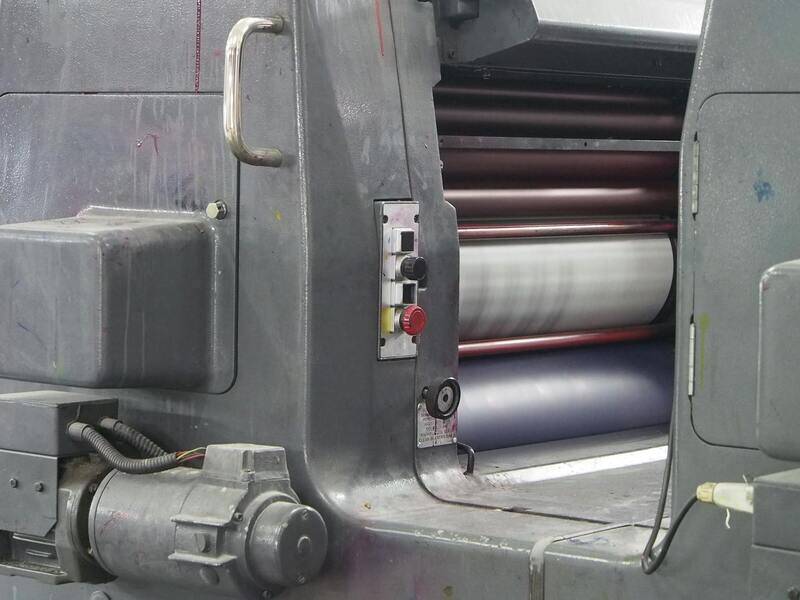
Among the array of printing methods, digital printing, offset printing, and screen printing are prominent in card production. Digital printing enables quick turnaround and high-resolution images, ideal for short runs, customization, and on-demand printing. Offset printing excels in producing large quantities with consistent quality, suitable for bulk orders of standard designs. Screen printing offers vibrant, opaque colors and is often used for specialty designs requiring thick inks or textured effects.
Techniques such as dye sublimation are particularly popular for photo ID cards, allowing high-quality, full-color images to be transferred onto specialized cards with heat. Injection molding and embossing provide three-dimensional features like raised text or patterns, adding tactile and visual differentiation. Additionally, holographic hot stamping and foil printing introduce metallic finishes and security elements that enhance both aesthetic appeal and protection against tampering.
Design Considerations for Card Printing
Designing effective printed cards involves balancing aesthetics, functionality, and security. Clear, legible text and intuitive layouts ensure ease of use, especially in identification and access control contexts. Color schemes should align with branding guidelines or organizational themes, using contrast and harmony to achieve visual impact while maintaining readability.
Incorporating security features within the design—such as microtext, holograms, or fluorescent inks—adds layers of protection against counterfeiting. Designers must also consider orientation, element placement, and the integration of images or logos to optimize space and visual flow. High-resolution graphics and vector-based artwork are essential to maintain sharpness during printing, ensuring professional and polished results.
Customization Options and Finishing Touches
Personalization elevates printed cards, transforming them from generic tools into branded or unique items. Embossing or debossing can add tactile elements, while foil stamping introduces metallic accents that highlight logos or key features. Overlaminate films or protective coatings safeguard printed images from scratches, UV rays, and chemical exposure, extending the lifespan of the card.
Finishing touches such as rounded corners, beveled edges, or matte and gloss laminates enhance both the aesthetic and tactile experience. For security-centric cards, features like holographic overlays, microtext patterns, and tactile printing serve dual functions—improving visual appeal and deterring unauthorized duplication. Custom layouts incorporating transparent sections, metallic borders, or branded motifs further augment the card's visual significance and memorability.
Quality Control and Standards
Ensuring consistent quality begins with rigorous inspection at each stage of production. Color accuracy is maintained through calibration of printing devices, while dimensional precision guarantees proper fitting and handling. Enhanced inspection processes include visual checks for print clarity, alignment, and integrity of security features, alongside testing for durability and resistance under simulated environmental conditions.
Manufacturers adhere to industry-established standards concerning thickness, edge smoothness, and overall finish. Certification processes may include adherence to environmental regulations, safety standards, and material compositions to meet the expectations of clients and end-users. Continuous staff training and investment in advanced equipment allow for high-quality output and rapid troubleshooting, fostering trust and satisfaction in the printing services provided.
Comprehensive Guide to Card Printing: Ensuring Top-Quality Results
When it comes to producing professional and durable cards, selecting legitimate production methods is paramount. Utilizing certified techniques and resources not only guarantees the optimal quality of the finished product but also enhances its security and longevity. Reliable card printing involves multiple stages, from material selection to final inspection, all aligned with established industry standards.
Official Methods of Card Production
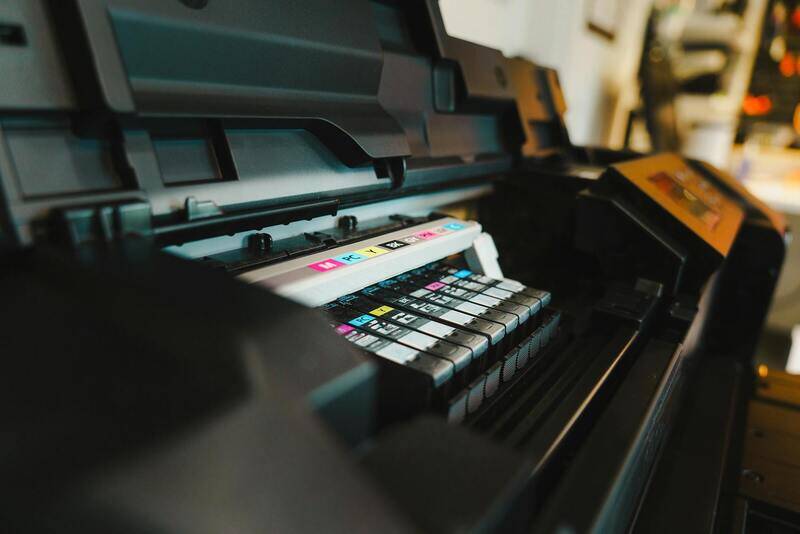
For authentic and dependable card printing, adherence to proven processes is essential. These include precise digital printing, high-quality offset printing, and specialized techniques such as dye sublimation or holographic foiling, which serve various security and aesthetic purposes. Each method is supported by certified equipment and rigorous quality checks to maintain uniformity and precision.
Materials That Uphold Quality and Durability
Using durable materials is critical for producing long-lasting cards that withstand everyday wear and environmental factors. PVC remains the most common substrate due to its flexibility and resilience, but other materials such as composite PVC, polyester, or PETG are also employed depending on the application. These substrates are often complemented with protective overlays, laminates, or varnishes, applied through legitimate processes like UV coating or hot foil lamination, to increase scratch resistance and UV stability.
Advanced Technologies and Techniques
Modern card printing leverages a range of technologies that facilitate high fidelity in color, security features, and customization. Digital printing offers quick turnaround with high resolution, suitable for personalized or small batch runs. Offset printing is ideal for bulk production with consistent output. Furthermore, techniques such as RFID encoding, microtext, hologram embedding, and tactile printing rely on specialized equipment and proprietary processes to deliver comprehensive security solutions.
Design Strategies for an Impressive Card
Creating an effective card design involves careful consideration of layout, branding, readability, and security features. Designers use vector graphics, high-resolution images, and carefully chosen color schemes to produce visually compelling cards. Incorporating elements like watermarks, transparent sections, and metallic foils not only enhances aesthetic appeal but also adds layers of security. Proper alignment and margin settings are maintained through precision printing machinery calibrated to official standards.
Options for Customization and Final Enhancements
To elevate the appearance and utility of cards, various finishing options are available. These include rounded corners, beveled edges, matte or gloss lamination, and edge trimming, all applied through approved processes to ensure consistency. Special features such as holographic overlays, microtext patterns, and embossed logos can be added to reinforce the card’s uniqueness and security. Custom layouts with brand motifs, transparent windows, or metallic accents also contribute to making each card distinctive and memorable.
Maintaining Quality and Meeting Standards
Quality assurance involves rigorous inspection at multiple stages from material procurement to final output. Calibration of printers guarantees color accuracy, while dimensional checks ensure correct fitting and handling. Visual inspections are conducted for print clarity, alignment, and features like holograms or microtext. Durability testing simulates daily usage conditions to verify resistance against scratches, UV exposure, and chemical contact. Adherence to industry standards regarding thickness, edge smoothness, and finish quality is maintained through strict protocols and certification compliance, fostering trust in the produced cards.
Investing in staff training and utilizing advanced equipment forms the backbone of consistent quality. These practices enable rapid troubleshooting and process optimization, maintaining high standards. Certification and adherence to environmental regulations affirm the responsible production of secure and reliable cards tailored to diverse needs.
Emerging Trends in the Card Printing Industry
The industry is evolving with innovations such as RFID and NFC integrations that enable contactless data transfer and enhanced security features. Eco-friendly materials and sustainable printing processes are gaining prominence, reducing environmental impact without compromising quality. Additionally, advancements in security features—like nano-text, dynamic holograms, and biometric authentication—are setting new benchmarks for card safety and uniqueness. These developments pave the way for smarter, more secure, and environmentally conscious card solutions in the future.