Overview of Card Printing Services
Card printing services encompass the professional production of various types of cards used across multiple industries and for personal purposes. These services are essential for creating high-quality, durable, and visually compelling cards that serve as a means of identification, branding, or personal expression. Businesses rely on custom business cards, membership cards, and loyalty cards to foster brand recognition and facilitate customer engagement. Retail establishments and service providers utilize printed cards for access control, gift cards, and promotional campaigns, enhancing customer experience and retention. On a personal level, individuals may opt for custom greeting cards, identification cards, or event passes to add a personal touch to special occasions. The significance of card printing services lies in their ability to produce professional-grade cards that communicate trust, professionalism, and creativity efficiently. Leveraging advanced printing techniques and diverse materials, these services can meet specific requirements for durability, aesthetics, and functionality. Expertly printed cards can leave lasting impressions, boost brand image, and fulfill various operational needs with precision and quality. As businesses and consumers increasingly seek customized solutions, the demand for reliable and innovative card printing services continues to grow, highlighting their integral role in modern communication and branding strategies.
Whether for corporate branding, event management, or personal souvenirs, the importance of selecting the right card printing service provider cannot be overstated. Choosing a reputable company ensures the production of consistent, high-resolution, and visually appealing cards that meet specific needs. As printing technology advances, providers now offer a broader range of options, from traditional card stocks to innovative finishes and customization features. This section underscores the vital role played by card printing services in facilitating effective visual communication and operational efficiency across diverse applications.
Materials and Finishes Available
Choosing the appropriate materials and finishes is crucial in ensuring that your printed cards meet both aesthetic and functional requirements. High-quality card printing services typically offer a diverse selection of materials, each suited for different purposes and environments. Common options include standard cardstock, which provides durability and a professional appearance, as well as specialty materials like plastic, PVC, or laminated surfaces for enhanced longevity and water resistance. Manufacturers often use premium substrates that resist tearing, warping, and fading, ensuring your cards maintain their integrity over time.

Popular Finishing Options
- Glossy Finish: Adds a vibrant shine that enhances colors and details, ideal for promotional and business cards that need to stand out.
- Matte Finish: Offers a subdued, non-reflective surface that lends a sophisticated touch, often preferred for corporate and minimalistic designs.
- Soft Touch Coating: Provides a luxurious, velvety feel to the card surface, emphasizing quality and tactile appeal.
- UV Coating: Protects the card with a glossy layer that resists scratches, dirt, and fingerprints, extending its lifespan.
- Embossing and Debossing: Creates raised or recessed patterns or text for added texture and depth, making the cards more memorable.
Specialty Materials
For customized applications requiring extra durability and unique aesthetics, specialty materials such as transparent plastic, foil-stamped finishes, or magnetic stripe surfaces are available. These options are particularly suitable for ID cards, membership cards, and loyalty cards that demand high security or interactive features.

Overview of Card Printing Services
Professional card printing services encompass a wide range of options designed to meet the diverse needs of businesses and organizations. These services utilize advanced printing technologies and high-quality materials to produce functional, durable, and visually appealing cards. Whether for identification purposes, loyalty programs, access control, or promotional activities, choosing the right printing partner ensures the final product aligns with organizational standards and branding goals.
Established providers offer comprehensive solutions from initial design to finished product, often including custom finishes, specialty materials, and security features. The process begins with a detailed consultation to understand specific requirements, followed by proofing, printing, and any necessary value-added features. This seamless approach guarantees consistency, high quality, and timely delivery, supporting your operational efficiency and branding consistency.

Advanced digital and offset printing techniques employed in these services ensure sharp graphics, vibrant colors, and precise details. As a result, businesses can achieve a professional look while maintaining cost efficiency through economies of scale. Additionally, compliant and secure printing practices help safeguard sensitive data and meet industry standards, providing peace of mind for organizations handling confidential information.
Types of Cards Offered
The scope of card printing services extends to various card types, each tailored for specific applications. Standard options include business cards and membership cards, which emphasize brand identity and durability. Identification cards and access badges focus on security features and tamper resistance, often incorporating holograms, smart chips, or magnetic stripes. Promotional and gift cards combine visual appeal with functional features, such as prepaid balances or interactive elements.
Depending on the purpose, customizable options allow for specific designs, security elements, or data encoding. High-quality printing ensures these cards withstand daily handling, environmental factors, and repeated use, maintaining their professional appearance over time.
For organizations requiring specific functionalities or security, specialized card types are available, such as RFID cards, smart cards with embedded chips, or environmentally resistant options. This diversity in offerings allows businesses and institutions to select the most appropriate card type to enhance their operational processes and security protocols.
Printing Techniques and Technologies
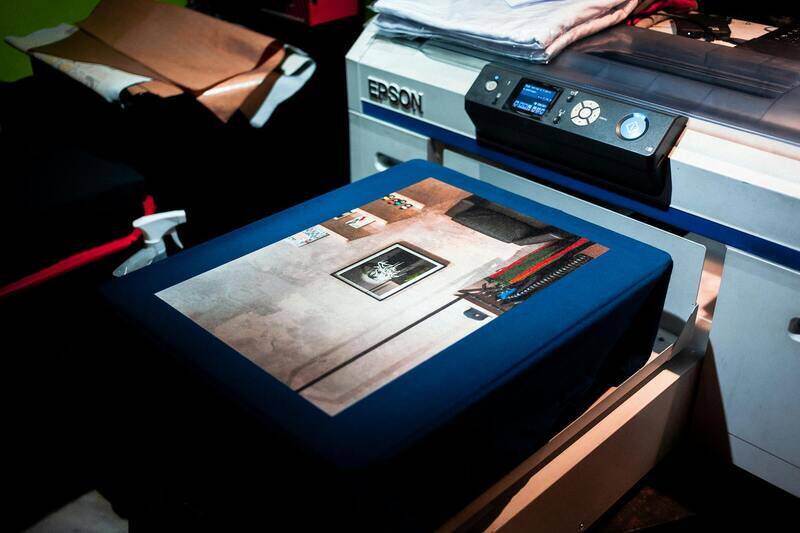
To achieve superior quality and durability in card printing, a variety of advanced printing techniques are employed by professional service providers. Digital printing remains a popular choice for short runs and customized orders, offering flexibility and fast turnaround times. It allows for high-resolution images and complex color gradients, making it ideal for personalized cards with intricate designs or variable data.
Offset printing provides cost efficiency for larger quantities, producing sharp, vibrant images with consistent quality. This method is suitable for printing large volumes of standard cards where uniformity is essential. Notable for its precise color reproduction, offset printing ensures brand consistency across promotional materials.

Hot-stamp foil printing introduces metallic or holographic finishes, adding a premium touch and enhanced security features to the cards. This technique is often used for luxury designs or to incorporate tactile effects that improve the card's visual appeal.
Emerging technologies, such as UV printing and direct-to-card (DTC) printing, are revolutionizing the industry by enabling high-definition images directly onto various substrates. Additionally, embedded security features like microtext, holograms, and smart chips are integrated during the printing process to safeguard against counterfeiting and tampering.
Design Considerations for Card Printing
Design plays a crucial role in the effectiveness of printed cards. Clear branding, proper logo placement, and consistent color schemes help convey professionalism. For identification cards, inclusion of high-resolution photos and legible text is essential to facilitate quick recognition.
To optimize the visual impact, designers must consider contrast, font size, and layout, ensuring readability across different lighting and usage environments. Additionally, incorporating security elements like holograms, UV features, and magnetic stripes enhances both protection and authenticity.
Customization and Personalization Options
Modern card printing services offer extensive customization options to meet specific organizational or personal needs. Variable data printing allows for personalization of each card with unique names, ID numbers, or barcodes, ideal for employee IDs or event badges.
Design customization includes choice of card shapes, finishes, and special effects such as embossing, spot UV coating, or matte versus gloss surfaces. Magnetic stripes, smart chips, and RFID tags are added based on functional requirements, enabling features like contactless payments or access control.
Choosing a Card Printing Service Provider
When selecting a provider, it is vital to assess their range of offerings, quality standards, and technological capabilities. Reputable companies utilize state-of-the-art equipment and adhere to strict quality control processes to ensure the final product meets professional standards.
Experience in handling various card materials, finishes, and security features indicates a provider's versatility and expertise. Customer reviews and portfolio samples can offer insights into their reliability, turnaround times, and customer service quality.
Cost Factors and Ordering Process
Pricing for card printing services varies depending on the complexity of design, material choice, card quantity, and added security features. Bulk orders often benefit from discounted rates, making large-scale production more economical.
The ordering process typically involves submitting finalized artwork, specifications for materials and finishes, and desired security features. Most providers offer online ordering platforms that streamline the submission and track order progress, ensuring transparency and efficiency throughout production.
Materials and Finishes Available
When selecting card printing services, understanding the array of materials and finishes is essential to achieve the desired durability, aesthetics, and functionality. Standard card materials include PVC, a versatile and cost-effective option known for its robustness and flexibility. Polycarbonate offers enhanced strength and resistance to bending or impact, suitable for high-security applications. PET (polyethylene terephthalate) provides excellent clarity and chemical resistance, making it ideal for transparent or semi-transparent cards.
Beyond base materials, the finish choices significantly influence the card's appearance and tactile feel. Matte finishes lend a sophisticated, non-reflective surface that minimizes fingerprints and glare, while gloss finishes impart a vibrant, shiny surface that makes colors pop. Soft-touch coatings provide a luxurious, velvety feel, elevating the tactile experience. Additionally, specialty textures such as embossed patterns or tactile elements can add a distinctive touch, enhancing both form and function.
Specialty surface treatments further customize the final product. Spot UV coating highlights specific areas like logos or security features with a shiny, protective layer that enhances visual appeal and resists wear. Matte lamination can be applied to add a subdued elegance and resistance to fingerprints, while soft-touch lamination provides a velvety surface ideal for premium cards. These finishes not only enhance visual differentiation but also contribute to the longevity of printed cards, maintaining their professional appearance over time.
Printing Techniques and Technologies
The right printing technology ensures high-quality, precise, and durable cards. Digital printing, especially dye-sublimation and UV printing, offers fast turnaround times and excellent color fidelity, making it suitable for small to medium orders with complex graphics or photographic elements. Offset printing, while having a longer setup process, is cost-efficient for large-volume productions and delivers sharp images with consistent quality.
Advancements in security printing include holographic overlays, microtext, and UV inks that reveal hidden features under specific light conditions. Embossing and debossing add tactile dimension to card elements, such as logos or borders, creating a sense of depth and authenticity. Incorporating magnetic stripes, contactless RFID chips, or smart chips enhances functionality while maintaining a sleek appearance.
Laser engraving is another popular method for personalizing cards with unique, tamper-evident serial numbers or intricate security designs. The precision and permanence of laser-etched images make them difficult to alter, providing an additional layer of security. Combining multiple printing techniques allows for a comprehensive approach, blending aesthetics, durability, and security to meet diverse application needs.
Materials and Finishes Available
Choosing the right material for card printing is fundamental to ensuring durability, aesthetics, and functionality. Commonly used materials include PVC (polyvinyl chloride), which offers excellent durability and flexibility, making it ideal for ID cards, membership cards, and access control cards. PET (polyethylene terephthalate) is another robust option, known for its resistance to chemicals and environmental stressors, suitable for prolonged outdoor use. For luxury or special-purpose cards, materials like Teslin or polyethylene can be selected, providing enhanced features such as environmental resistance and lightweight properties.
Finish options further enhance the visual appeal and tactile experience of printed cards. Matte finishes offer a sophisticated, non-reflective look that minimizes fingerprints and glare, perfect for professional identification cards. Gloss finishes, on the other hand, add vibrancy and depth to colors, making images and logos stand out prominently. Soft-touch coatings provide a premium feel while offering additional protection against scratches and wear. For a high-security application, embossing or special textures can be integrated into the surface, adding a layer of physical security and aesthetic appeal.
Printing Techniques and Technologies
Modern card printing employs a variety of innovative techniques to meet specific needs for quality, security, and functionality. Digital printing solutions such as dye-sublimation allow for vibrant, full-color images with a seamless appearance, ideal for production runs that require complex graphics or photographic elements. UV printing offers sharp details, durability, and resistance to scratches, making it suitable for high-usage cards. These technologies enable quick turnaround times and customization options, essential for businesses with dynamic branding needs.
Offset printing remains a cost-effective choice for large-volume projects, delivering consistently sharp images and high-quality finishes. It is particularly advantageous when large quantities of uniform cards are needed, such as membership or loyalty cards. Advancements in security printing incorporate features like holographic overlays, microtext, UV reactive inks, and holograms, adding layers of protection that are difficult to replicate or tamper with. Embossing and debossing techniques create three-dimensional elements such as logos or borders, enhancing both security and visual appeal.
In addition, emerging techniques such as laser engraving are used to personalize cards with unique serial numbers, logos, or security designs that are resistant to tampering. Combining multiple printing approaches allows for a tailored solution that balances aesthetic qualities with functional security features, meeting the diverse requirements of various industries.
Comprehensive Guide to Official and Reliable Card Printing Methods
Utilizing Official and Proven Card Printing Methods
For businesses and individuals seeking durable, high-quality cards, adhering to official and proven printing methods is essential. These methods ensure that the final product not only meets visual and branding standards but also maintains structural integrity and safety features necessary for cards that serve as identification, membership, or financial instruments.
One of the most established techniques involves offset printing, which has been a preferred choice for producing large quantities of cards with consistent quality. This method employs plates and rubber blankets to transfer ink onto the card surface, allowing for detailed images and sharp text reproduction. Offset printing is particularly economical for high-volume orders, offering a high level of accuracy and repeatability, making it suitable for corporate IDs, loyalty cards, or packaged membership cards.
Digital printing technologies, such as dye-sublimation and UV printing, are increasingly popular for short runs and customized designs. Dye-sublimation printing infuses dye into the card material, resulting in vibrant, fade-resistant images that are ideal for full-color graphics and photographic elements. UV printing involves curing inks with ultraviolet light, producing durable, scratch-resistant images with precise detail, perfect for cards with complex designs or high-usage applications.
Security features play a critical role in official card printing. Techniques such as holographic overlays, microtext, UV-reactive inks, and holograms are integrated into the printing process to add layers of protection against counterfeiting. Embossing and debossing create three-dimensional effects that give cards a tactile dimension, enhancing their visual impact and security. Sophisticated methods like laser engraving are used to personalize cards with serial numbers, logos, or intricate security patterns, providing a tamper-resistant element to official documents.
Including these official methods in your card production workflow ensures a high quality, secure, and professional-looking final product that aligns with industry standards and functional requirements. Choosing a reputable provider that employs a combination of these techniques guarantees the durability, security, and visual appeal of your cards.
Choosing a Card Printing Service Provider
When selecting a professional card printing service, it is essential to evaluate providers based on their adherence to established manufacturing standards and their ability to deliver consistent quality. Reputable companies employ a comprehensive approach, integrating advanced printing techniques with high-grade materials to produce cards that meet precise specifications and performance expectations.
Experience and specialization in the field of official card production are critical indicators of a reliable service provider. These organizations typically have extensive portfolios showcasing a variety of card types, including corporate ID badges, membership cards, access control cards, and official documentation. Their expertise ensures that the final product not only aligns with aesthetic preferences but also fulfills functional and security requirements.
To achieve the desired quality and durability, the best providers utilize top-tier equipment and cutting-edge technologies such as dye-sublimation, UV printing, laser engraving, and holographic overlays. These methods safeguard against wear and tear, bolster security features, and enhance visual appeal. Additionally, such providers often work with a range of recognized and approved materials, including PVC, PET, Teslin, and polycarbonate, each selecting based on the intended use and longevity needs of the card.
Customer support and flexibility in customization are also vital factors. A reputable provider offers tailored solutions, advice on material choices, and guidance on optimal design configurations to help clients realize their vision fully. Transparent communication regarding project timelines, pricing, and quality assurance measures further completes the service experience.
In an industry where integrity and precision matter, choosing a card printing service that maintains strict quality control and compliance with industry standards guarantees a final product that is both functional and secure. This commitment to excellence ensures that your cards will stand the test of time and uphold the integrity of your organization or brand.