Understanding Custom Business Cards
Custom business cards are a foundational element of professional branding strategies, serving as tangible representations of an individual’s or company's identity. Unlike generic cards, custom designs allow businesses to convey unique brand messages, values, and aesthetics that set them apart in competitive markets. They are crafted with the intention of leaving a memorable impression on clients, partners, and prospects, facilitating networking and fostering trust.
The primary purpose of custom business cards extends beyond contact information. They function as a personalized marketing tool, encapsulating a brand’s personality through specific design elements, color schemes, and material choices. This tailored approach helps reinforce brand recognition and demonstrates professionalism and attention to detail. High-quality custom cards can also serve as a reflection of a company’s commitment to quality and excellence.
In today's digital age, where online interactions predominate, the significance of physical, bespoke business cards remains vital. They act as a physical reminder of a professional relationship, often acting as a bridge between digital contacts and tangible connections. Additionally, custom business cards can be used to showcase creativity, especially when incorporating innovative design features that align with a company's brand ethos.
The importance of investing in custom business cards lies in their ability to communicate authenticity and establish credibility. The process of designing and producing these cards involves careful consideration of various elements such as layout, typography, and imagery to ensure they accurately represent the brand's identity. When executed correctly, custom business cards become a powerful tool in carving a distinct presence in crowded marketplaces, leaving lasting impressions that can translate into future opportunities.

Materials and Finishes Available
When creating custom business cards, selecting the right materials and finishes plays a crucial role in conveying your brand's message and ensuring durability. Premium options such as thick cardstock, matte, gloss, or satin finishes provide different tactile sensations and visual effects, allowing you to tailor the card's feel to your industry and branding style. Cardstocks with a weight of 14pt or higher are generally preferred for a substantial, high-quality appearance, while specialty materials like textured paper, recycled stock, or even transparent and metallic options can offer unique aesthetic appeal. Incorporating finishes such as spot UV coating, embossing, or foil stamping enhances visual interest and tactile engagement, making your cards stand out even further.
Consider the environment and sustainability when choosing materials. Eco-friendly options, such as recycled papers or plant-based finishes, complement brands committed to environmental responsibility. The choice of material should align with your brand's identity, industry standards, and the impression you want to leave with recipients.
Personalization and Unique Features
Personalization extends beyond inserting individual contact details. It encompasses custom shapes, die-cut designs, textured surfaces, and innovative features that embody your brand’s personality. Die-cut business cards, which are cut into shapes that reflect your business or industry, can be particularly memorable. Embossing and debossing add a tactile depth, creating a visual hierarchy that guides the recipient’s attention toward key elements like your logo or contact info. Incorporating custom patterns, textured finishes, or even integrating elements like QR codes or NFC chips can further personalize your cards, making them more interactive and engaging.

Personalized business cards serve as a reflection of your brand’s unique identity, making a lasting impression that fosters recognition and recall. The ability to customize every aspect—from materials and finishes to shapes and embedded features—provides an opportunity to distinguish yourself in a competitive marketplace.
Printing Technologies and Quality
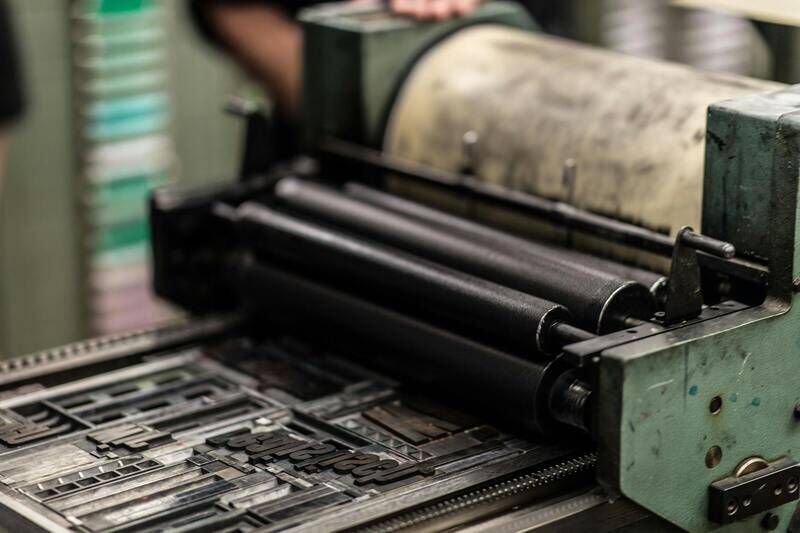
The quality of your custom business cards hinges on the printing technology employed. Offset printing, renowned for its high precision and consistency, is ideal for large quantities requiring accurate color matching and sharp details. Digital printing offers a quick turn-around and flexibility for smaller batches or personalized designs. For premium finishes, techniques such as letterpress or foil stamping are often used to achieve a tactile, luxurious feel. UV coating or lamination can provide additional protection against wear and tear, ensuring the card remains pristine over time.

The choice of printing method impacts not only the aesthetic quality but also the durability of your cards. Selecting a reputable printing service that utilizes state-of-the-art technology ensures that your vision is accurately translated into a tangible product that exudes professionalism and quality.
Pricing and Ordering Process
Understanding the cost factors involved in producing custom business cards helps in making informed decisions. Price variations depend on the number of cards, selected materials, finishes, and printing techniques. Most printing services offer tiered pricing based on batch size, with discounts available for larger orders. The ordering process typically involves uploading your design or working with in-house designers to develop a concept, choosing your specifications, and providing necessary artwork files. Lead times can range from a few days to a couple of weeks, depending on complexity and quantity.
Many print providers facilitate online ordering with instant quoting tools, sample proofs, and online design tools to simplify the process. Clear communication about your requirements, details, and timelines ensures a smooth experience from order placement to delivery.
Best Practices for Distribution and Maintenance
To maximize the impact of your custom business cards, developing an effective distribution strategy is essential. Handing out cards at networking events, including them in shipping parcels, or leaving them in strategic locations enhances visibility. Regularly updating and replacing your cards to reflect current branding ensures they remain relevant and professional. Protecting your cards through proper storage—such as using cardholders or dedicated decks—prevents physical damage and preserves their appearance over time.
Balancing distribution efforts with branding continuity fosters consistent recognition. Keeping digital copies of your cards and utilizing digital contact exchange options also support seamless networking while maintaining a professional image.
Materials and Finishes Available
Selecting the appropriate material and finish is crucial in creating custom business cards that effectively represent your brand. A range of options exists to meet different aesthetic preferences and functional needs, each contributing uniquely to the overall impression conveyed by your cards.
Common Card Materials
- Standard Card Stock: The most widely used material, typically 14-16 pt thickness, offering durability and a professional feel.
- Premium Papers: Higher-grade papers such as linen, textured, or recycled stock impart a distinctive tactile experience and eco-friendly appeal.
- Plastic Cards: PVC or PET cards offer a waterproof, durable alternative suitable for frequent handling and long-term use.
- Specialty Materials: Wood, metal, or plastic composite cards create a striking, unconventional appearance and tactile sensation, ideal for brands seeking distinctive branding tools.
Finishing Options
The finish applied to your business card can significantly influence its visual impact and durability. Here are some prevalent options:
- Matte Finish: Offers a smooth, non-reflective surface that provides a sophisticated look, reducing fingerprints and glare.
- Gloss Finish: Adds a shiny, vibrant appearance that enhances colors and details, making designs pop visually.
- Soft Touch Finish: Provides a velvety, luxurious feel that enhances tactile quality and perceived value.
- Embossed and Debossed Effects: Add texture by raising or recessing design elements for a tactile dimension and visual intrigue.
- Spot UV Coating: Applies a high-gloss finish to specific areas, such as logos or key graphics, creating contrast and emphasizing important details.
Specialty Finishes
Beyond basic options, advanced finishes like foil stamping, laser cutting, or magnetic coatings can further customize your cards. These enhancements can elevate your branding by adding unique, high-end details that set your cards apart from competitors.
Choosing the right combination of material and finish depends on your brand identity, budget, and intended primary use. Consulting with printing professionals can help align your choices with your overall branding strategy, ensuring each card leaves a lasting impression.
Understanding Custom Business Cards
Custom business cards serve as a powerful tool in establishing a memorable professional presence. They go beyond standard designs, offering an opportunity to express unique brand identities through tailored visuals, materials, and features. These cards are not only about conveying contact information but also about reflecting your company's ethos, professionalism, and creativity. When crafted with thoughtful consideration, custom business cards can leave a lasting impression on clients, partners, and potential collaborators, ultimately supporting relationship-building efforts and elevating your brand stature.
Design Considerations for Custom Business Cards
The design phase plays a crucial role in determining how your business card communicates your brand message. Every element, from layout to typography, needs to align with your overall branding strategy. Considerations should include visual hierarchy, balance between text and graphics, and the use of space to ensure clarity and impact. Incorporating brand-specific colors, logo placement, and consistent font choices reinforces recognition and trustworthiness. Additionally, designing with usability in mind ensures that the card is not only attractive but also practical—easy to read and simple to store in wallets or cardholders.
Opting for unique design features such as rounded corners, textured patterns, or innovative fold styles can further distinguish your card. It's important to develop a design that harmonizes aesthetic appeal with functional clarity. Collaborating with experienced designers or using professional design tools can help create a cohesive visual story that resonates with your target audience.
Materials and Finishes Available

The choice of materials is fundamental in defining the look, feel, and longevity of your custom business cards. Classic options include card stocks such as matte, glossy, or textured finishes. Thicker stocks provide durability and a premium feel, enhancing the perceived value of your brand. Specialty materials like velvet, linen, or translucent plastics can create striking tactile impressions that set your cards apart from conventional options.
Finishing techniques further enhance visual appeal and durability. Matte finishes lend a sophisticated, non-reflective surface resistant to fingerprints. Glossy finishes amplify colors and detailed designs, making visuals pop. Soft touch finishes offer a velvety texture that evokes a sense of luxury. Embossing or debossing introduces tactile dimensions and visual interest by raising or recessing specific design elements. Spot UV coatings can highlight logos or key graphics with a glossy sheen, adding contrast and focus. Specialty finishes such as foil stamping, laser cut patterns, or magnetic coatings can elevate branding, making your cards not just informative but memorable keepsakes.
Personalization and Unique Features
Personalization transforms standard business cards into distinctive branding tools. Incorporating textures, such as embossed logos or textured backgrounds, enhances tactile engagement. Unique patterns or die-cut edges can introduce visual interest and facilitate easier identification. Die cuts are custom shapes that reflect your brand’s personality—circular, rounded, or custom contours that align with your logo or industry theme. Additional features like QR codes embedded seamlessly into the design can provide direct links to digital portfolios or contact information, blending tradition with technology.
Printing Technologies and Quality
Choosing the right printing technology is essential for achieving high-quality results. Offset printing is ideal for large batches, offering consistency and sharpness. Digital printing allows for quick turnarounds and cost-effectiveness for smaller runs or highly customized designs. Sublimation printing is suitable for producing vibrant, full-color graphics on various materials. Employing professional printing services ensures color accuracy, precise registration, and durable finishes that withstand handling over time. High-resolution output and eco-friendly inks can also enhance your branding efforts, reflecting a commitment to quality and sustainability.
Pricing and Ordering Process
Pricing for custom business cards varies according to material choice, finishing options, design complexity, and order volume. Typically, bulk orders reduce the unit cost, making large-scale distribution more economical. Establishing clear specifications before placing an order helps streamline the process and avoid unexpected costs. Many printers offer online tools or consultation services to assist in selecting suitable options, reviewing proofs, and ensuring alignment with branding standards. Confirming lead times, delivery schedules, and revision policies upfront ensures a smooth ordering experience.
Best Practices for Distribution and Maintenance
Effective distribution involves strategic placement, including handing out cards during networking events, meetings, and industry conferences. Keeping an ample supply readily accessible helps facilitate spontaneous exchanges and expands your professional reach. To maintain your cards’ pristine condition, store them in dedicated cases away from excessive moisture or direct sunlight. Regularly review and update your cards to reflect current branding, contact info, or services. When sharing sensitive or outdated cards, consider recycling or replacing them promptly to uphold a professional image. Ensuring your physical cards are well maintained and thoughtfully distributed reinforces your commitment to quality and professionalism.
Understanding Custom Business Cards
Custom business cards serve as a vital tool for establishing and reinforcing professional identities. They are tangible representations of your brand, offering a unique opportunity to showcase your company's visual language, contact details, and key messages. By investing in custom designs, organizations can differentiate themselves in a competitive landscape, making a memorable impression that encourages further engagement. Customization extends beyond mere aesthetics; it encompasses choosing the right materials, finishes, and features that align with your brand values and professional tone. Properly crafted business cards can reinforce credibility, foster trust, and promote brand recall among potential clients, partners, and colleagues.
Design Considerations for Custom Business Cards
Effective design is at the core of impactful custom business cards. It’s essential to balance visual appeal with clarity to ensure the information is easily digestible at a glance. When designing, consider the following aspects:
- Brand Consistency: Maintain branding elements such as logo, color palette, and typography to ensure coherence across all marketing materials.
- Layout and Hierarchy: Use a logical layout that highlights key information such as your name, job title, and contact details, followed by secondary information.
- Whitespace: Incorporate sufficient whitespace to prevent clutter and improve readability.
- Font Selection: Choose legible fonts that reflect your brand personality, ensuring size and spacing facilitate easy reading.
- Imagery and Graphics: Use high-resolution images and relevant icons that enhance visual interest without overwhelming the overall design.

Materials and Finishes Available
The choice of materials and finishes significantly influences the tactile experience and visual impact of your business cards. Options include:
- Standard Cardstock: A versatile, cost-effective base suitable for most applications.
- Premium Papers: Thicker or textured options such as linen, matte, or glossy finishes add a touch of sophistication.
- Specialty Materials: Incorporate transparent, metallic, or recycled materials for a distinctive look and feel.
- Finishing Techniques: Matte, gloss, soft-touch coatings, or UV varnishes can enhance durability, tactile sensations, and visual depth.

Personalization and Unique Features
Adding personalized and innovative features to your custom business cards can significantly boost their appeal and functionality. Popular enhancements include:
- Embossing and Debossing: Adds tactile dimension by raising or recessing elements such as logos or text.
- Spot UV Coating: Highlights specific areas with a shiny finish, drawing attention to key design elements.
- Edge Painting: Colored edges provide a pop of color and a premium feel.
- Die-Cutting: Custom shapes break away from traditional rectangular cards to create memorable silhouettes.
- Incorporation of QR Codes: Facilitates quick access to digital portfolios, websites, or contact listings.
Such features not only enhance the tactile and visual appeal but also embed practical functionality, making your business cards more engaging and useful for recipients. When selecting these options, consider their coherence with your overall branding strategy and the context in which your cards will be used. Combining innovative features with high-quality materials ensures that your business cards stand out while reflecting professionalism and attention to detail.
Understanding Custom Business Cards
Custom business cards serve as a tangible representation of your brand, reflecting professionalism and attention to detail. When opting for personalized designs, it is essential to choose methods that uphold authenticity and quality. Authentic customization involves working with reputable printing providers that employ consistent quality standards and transparent processes. This ensures that your cards meet industry benchmarks and offer reliable results. Using legitimate sources for your custom business cards also guarantees compliance with industry regulations, safeguarding your brand’s integrity.
Authentic Design Methods
- Collaborating with certified printing companies that use certified equipment and processes.
- Utilizing approved design templates and adhering to industry-standard dimensions and file formats.
- Choosing materials and finishes from recognized brands and suppliers that comply with relevant regulations.
When designing your business cards, always verify the credentials of your printing partner. Ensure they provide documentation or proof of adherence to quality assurance standards. This not only guarantees the use of genuine materials but also ensures the application of authentic printing techniques that result in clear, durable, and visually appealing cards.

Confirming Material Sources and Printing Equipment
Reliable suppliers procure their materials from accredited vendors that comply with safety and quality standards. Legitimate printers invest in certified printing equipment that guarantees precise color matching, sharp details, and durable finishes. When ordering, request verifiable documentation of material authenticity and equipment calibration reports. Such transparency underscores the legitimacy of the printing process and ensures that your custom business cards adhere to industry best practices.
Ensuring Print Accuracy and Consistency
Authentic printing establishments implement strict quality control protocols. These include calibration checks, color management systems, and routine equipment maintenance. By selecting a provider with a proven track record, you ensure consistency across multiple batches, which is vital for maintaining brand uniformity. Authenticity also extends to the use of standard templates and verified artwork files, reducing the risk of errors or misrepresentations in your final product.
Verifying Certifications and Compliance
Part of working with legitimate printing services involves reviewing their certifications, such as ISO standards or industry-specific compliance marks. These credentials affirm their commitment to quality management and environmental safety. Choosing providers with recognized certifications helps guarantee that your custom business cards are produced through verified and authorized processes, bolstering their durability and visual fidelity.
Best Practices for Working with Reputable Printers
- Request detailed quotations and proof of certification before placing an order.
- Review sample cards to assess print quality, color fidelity, and material authenticity.
- Discuss your design and material choices thoroughly, ensuring aligns with recognized standards.
- Establish clear communication channels to monitor the production process and address any discrepancies promptly.
- Keep records of contracts, invoices, and certifications as evidence of compliance and quality assurance.
Additional Considerations for Authenticity
Always verify the reputation of the printing service through industry reviews and client testimonials. Authentic providers often participate in industry associations or hold memberships that reinforce their commitment to high standards. Transparent communication regarding the origin of materials and the adherence to recognized manufacturing protocols further distinguishes legitimate providers from unverified sources. In all steps, prioritizing transparency and documented quality controls will ensure that your custom business cards are both genuine and of exceptional quality.
Distribution and Maintenance of Custom Business Cards
Effective distribution and diligent maintenance are essential to maximizing the impact of your custom business cards. Proper management ensures your contact details remain current and your cards continue to reflect your professional image. Adopting consistent practices can help streamline your networking efforts and enhance your brand reputation.
Strategies for Effective Distribution
- Targeted Distribution: Identify key individuals and groups within your industry or network who can benefit from your services or partnerships. Focus on conferences, trade shows, and professional gatherings where your target audience is present.
- Personalized Approaches: When handing out cards, tailor your interactions to create memorable impressions. Include a brief conversation or context before presenting your card to reinforce your professional relationship.
- Follow-up System: Maintain a record of contacts and follow up after initial exchanges. This can involve sending a personalized email or connecting via social media, complementing your physical distribution efforts.
- Digital Complementation: Incorporate digital methods such as QR codes on your cards. This allows recipients to instantly access your website, portfolio, or digital contact card, expanding your reach beyond physical distribution.
Maintaining and Updating Your Custom Business Cards
Regularly reviewing and updating your business cards preserves their effectiveness and professionalism. Key practices include:
- Current Information: Ensure contact details, titles, and service offerings are accurate. Update your cards immediately upon any role changes or new contact information.
- Design Refresh: Periodically assess your card’s design to keep it contemporary and aligned with your brand identity. Subtle updates can enhance visual appeal and relevance.
- Inventory Management: Keep track of your stock to avoid running out or retaining outdated versions. Establish reorder points based on your distribution volume.
- Safe Storage: Store your cards in a dedicated, professional-looking holder or organizer to prevent damage or loss. Handle them carefully to maintain pristine quality for potential future use or reprinting.
Best Practices for Card Usage and Longevity
In addition to distribution, proper handling extends the lifespan and perceived value of your custom business cards:
- Use Judiciously: Distribute cards thoughtfully, ensuring each contact has a meaningful reason to receive your information. Over-distribution can dilute your brand impact.
- Protect Against Wear: When carrying cards, use protective sleeves or cases to prevent scratches, stains, and bending. Keep them away from moisture and excessive handling.
- Encourage Referrals: Ask your contacts to pass your card along if they see potential connections. This broadens your network organically.
- Integrate with Marketing: Combine your card distribution with other marketing activities such as social media campaigns and email outreach for a synergistic effect.

Legal and Ethical Aspects of Custom Business Cards
While designing and distributing custom business cards, adherence to certain legal and ethical standards is essential to maintain professionalism and protect your brand integrity. Ensuring compliance not only sustains your reputation but also fosters trust with clients and partners.
Respect for Copyright and Intellectual Property
When creating your business card design, it is vital to use original artwork, fonts, and images or those for which you hold appropriate licenses. Unauthorized use of copyrighted elements can result in legal complications and damage your brand's credibility. Always verify the licensing agreements of any third-party resources incorporated into your design.
Brand Consistency and Integrity
Your business card should align with your overall branding strategy. This includes consistent use of logos, color schemes, typography, and messaging. Deviating from established brand guidelines can lead to confusion among your audience and dilute your brand identity. Maintaining consistency across all communication channels fortifies brand recognition and trustworthiness.
Honest Representation of Contact Details and Services
It is crucial to present accurate and truthful information on your business cards. Misleading or outdated information can undermine your credibility and create misunderstandings. Regularly update your cards whenever there are changes in contact details, services, or branding to ensure the accuracy of your professional presentation.
Ethical Use of Designs and Information
Adopt a fair approach when designing your business cards. Avoid mimicking competitors' branding or using designs that could be mistaken for another company’s. Respect privacy guidelines when including personal or client information, ensuring you have consent before sharing sensitive data. Ethical practices in design and distribution affirm your commitment to professional standards and foster positive business relationships.
Disposal and Reprinting Respect
When disposing of outdated or damaged business cards, do so responsibly to prevent misuse. Reprinting should reflect current branding and contact information, avoiding the circulation of obsolete versions that could cause confusion or misrepresentation. Maintaining a process for regular review and updates underpins ethical business practices.