Types of Custom Cards and Their Uses
Custom card printing offers a versatile solution for a variety of professional and personal applications, leveraging unique designs and tailored features to meet specific needs. Among the most prevalent types are business cards, gift cards, and loyalty cards, each serving distinct functions within commercial and social contexts.

Business Cards: Essential tools for professionals and companies, business cards serve as portable representations of an individual's or organization’s brand. Crafted with attention to aesthetic detail and material quality, they reinforce brand identity, facilitate networking, and leave a lasting impression. High-quality finishes and custom shapes can set a business card apart from standard options, enhancing recognition and credibility.
Gift Cards: Widely used in retail and hospitality, gift cards are prepaid cards that facilitate transactions up to a set amount. They are often customized with branding, promotional graphics, or personalized messages to boost engagement and customer loyalty. Their flexible design options enable businesses to incorporate seasonal themes, special offers, or custom denominations, making each card a tailored gift or incentive tool.
Loyalty Cards: Designed to encourage repeat business, loyalty cards track customer purchases and reward frequent patrons with discounts, points, or exclusive offers. Customization allows these cards to feature unique branding, security elements, and visual cues that motivate ongoing engagement. Durable materials and thoughtful design ensure longevity and usability over time.
Additional Custom Card Types and Uses
- Event Access Cards: Admission passes for conferences, concerts, or corporate events, often featuring secure holograms or QR codes.
- Membership Cards: Issued by clubs, gyms, or associations, these cards uphold brand consistency while providing ease of access.
- Preview and Promo Cards: Used for marketing campaigns, these cards showcase design concepts or promotional messages to attract prospective clients.
The diverse array of custom cards caters to a broad spectrum of purposes, emphasizing the importance of choosing the right type aligned with specific objectives. Crafting these cards with precision and tailored features can significantly enhance branding efforts, customer engagement, and operational efficiency.
Materials Used in Custom Card Printing
Choosing the appropriate material for custom card printing is crucial to ensuring the final product meets the desired standards of durability, aesthetics, and functionality. The most common materials include various types of plastics, papers, and specialty substrates. Each material offers unique benefits that can enhance the overall impact of the card.
Plastic cards, typically made from PVC or polycarbonate, are favored for their robustness and professional appearance. They resist bending, water damage, and general wear and tear, making them ideal for loyalty, membership, or access cards that require frequent handling. Polycarbonate, in particular, provides enhanced security features and a high-gloss finish that can elevate branding.
Paper-based cards are often selected for their cost-effectiveness and versatility. They are suitable for event badges, promotional cards, or temporary uses. Higher-grade cardstock options, including coated or laminated papers, can offer enhanced durability and a premium look. These materials can be printed with vibrant inks and are compatible with various finishing techniques to produce eye-catching designs.
Specialty substrates expand creative possibilities, allowing for textured finishes, holographic effects, or transparency. For example, clear acrylic or PET materials can add a modern, sleek touch, while metallic foils or embossed elements create tactile appeal. Such materials are frequently used in luxury branding or high-security applications, where visual distinction and durability are paramount.
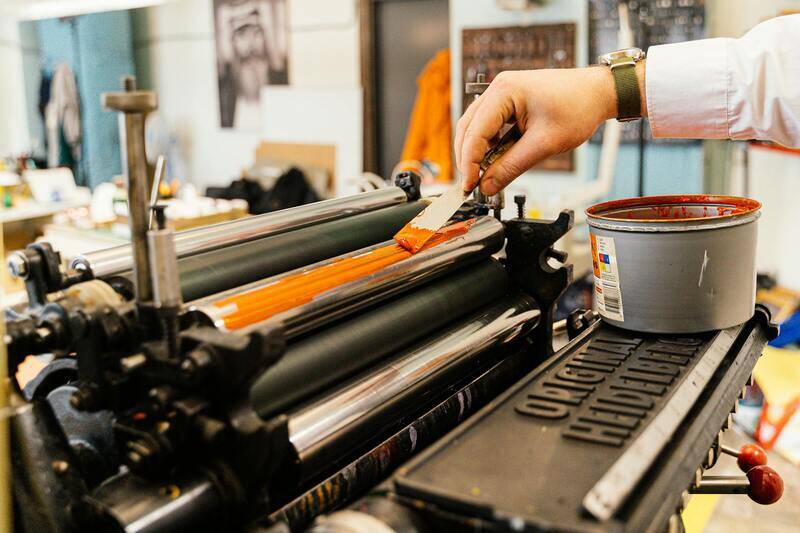
Material selection influences not only the look and feel of the card but also its lifespan, security features, and the printing methods compatible with it. Understanding these factors ensures the final product effectively supports its intended purpose and withstands the conditions it will face during use.
Materials Used in Custom Card Printing
When selecting materials for custom card production, it is crucial to consider the intended application, durability requirements, and desired aesthetic. The primary options include PVC, high-quality paper, and specialty substrates, each offering unique benefits tailored to specific needs.
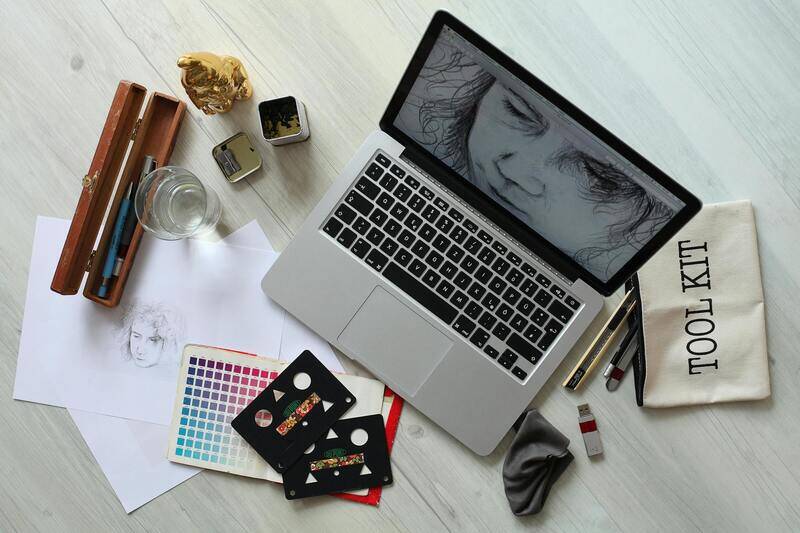
PVC remains the most popular choice due to its robustness, water resistance, and ability to incorporate comprehensive security features. This material offers high durability, making it suitable for frequent handling or long-term use, such as membership or access cards. It supports various printing techniques, including offset, digital, and lamination, allowing for detailed and vibrant designs.
High-quality paper-based cards are favored for their versatility and cost-effectiveness. They serve well in event badges, promotional giveaway cards, or temporary identifiers. When opting for paper materials, selections such as coated or laminated cardstock can significantly enhance longevity and give a premium feel. These options can be printed with vibrant inks and finished with embossing, hot stamping, or matte/gloss coatings to elevate their visual appeal.

Specialty substrates introduce a new level of customization, ideal for luxury branding or high-security applications. Examples include clear acrylic, PET, holographic films, or metallic foils. These materials allow for innovative textures, transparent or semi-transparent effects, and tactile embossed features. Embossing, debossing, or foil stamping on these substrates creates distinguished visuals and enhances tactile interaction.
The choice of material impacts not just the aesthetic but also the durability and security aspects of the card. For example, holographic or embossed elements can serve as authenticity markers, while metallic finishes can add a high-end look. Understanding how each material interacts with the printing process ensures the final product aligns with its functional and branding goals, offering both visual appeal and resilience under demanding conditions.
Printing Techniques for Custom Cards
To achieve the desired visual impact and tactile quality, selecting appropriate printing techniques is crucial in custom card production. Digital printing offers versatility and rapid turnaround, making it ideal for small batches or designs that require frequent updates. It ensures sharp image reproduction and vibrant color fidelity, suitable for promotional cards, event passes, or personalized branding elements.
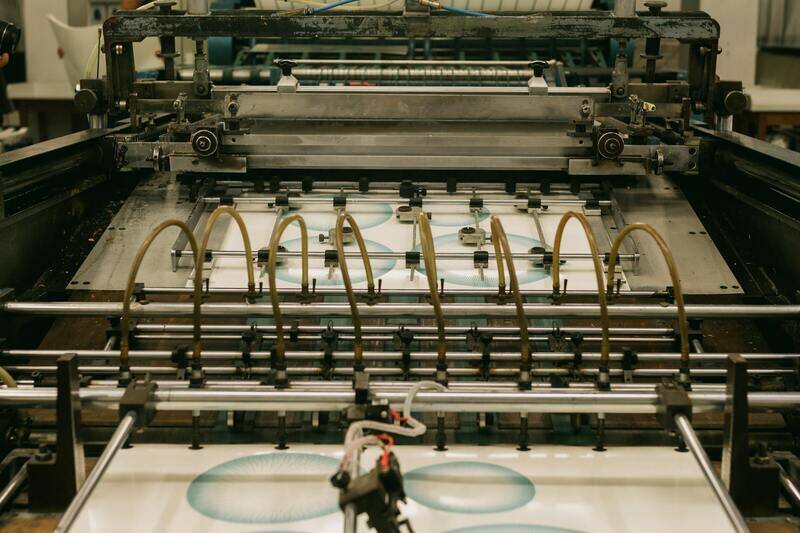
Foil stamping introduces metallic or pigmented foils onto the card surface, creating eye-catching accents and a sense of luxury. This technique is often employed for logos, text, or decorative elements that need to stand out. The process involves applying a heated die to transfer foil onto the material, which results in a reflective, textured finish that enhances visual appeal.
Embossing and debossing add tactile dimension to custom cards by raising or indenting areas of the design. These techniques are commonly used to emphasize brand logos or intricate patterns, providing a tactile experience that complements visual design. When combined with spot UV coating, certain areas of the card can be glossed to create contrast and draw attention to specific elements.

Spot UV coating is a specialized varnish that targets specific areas on the card, adding a glossy finish that contrasts with matte or uncoated regions. This technique is highly effective for highlighting text, logos, or decorative motifs. The precise application enhances the overall aesthetic by providing depth and visual interest through selective sheen.
Incorporating these techniques allows for a high degree of customization, enabling brands to convey their identity with distinctive visual and tactile features. The thoughtful combination of printing methods can elevate the appearance of custom cards, making them memorable and impactful for recipients.
Customization Options and Special Features
Integrating unique features into custom cards enhances their functionality and visual appeal, offering a tailored experience that aligns with branding objectives. Such features serve to distinguish cards from standard options, creating a memorable impression and adding practical value for the end user.
Rounded Corners
One of the simplest yet highly effective customization options is the addition of rounded corners. Unlike traditional sharp-edged cards, rounded corners provide a softer aesthetic and improve durability by reducing the likelihood of wear and tear. They also contribute to a more polished and modern appearance, making cards easier to handle and less prone to damage over time.
Holograms and Security Features
Holographic elements can be embedded into custom cards to add a layer of sophistication while serving security purposes. Holograms are difficult to counterfeit due to their complex manufacturing process and visual complexity. They often feature dynamic visuals, color-changing effects, or intricate designs that enhance authenticity. Additional security features, such as microtext, ultraviolet ink, and tamper-evident seals, can be incorporated to safeguard against duplication and ensure the integrity of the card.
Laser Cutting and Die-Cutting
Advanced laser cutting techniques allow for precise, intricate designs and shapes that go beyond standard rectangular or oval forms. Laser-cut cards can feature complex patterns, custom silhouettes, or internal cut-outs that add a distinctive tactile and visual element. Die-cutting provides similar flexibility, enabling the creation of customized shapes that align with branding themes or specific functional requirements.
Magnetic Strips and Smart Chips
For functional purposes, magnetic strips and embedded smart chips are popular features in access cards, membership cards, or loyalty cards. Magnetic strips provide a simple method for storing data, facilitating easy access control or transaction logging. Smart chips enable advanced features such as encryption, contactless transactions, or traceability, adding value and security to the card. These features are embedded during the printing process, ensuring seamless integration without compromising the card’s aesthetic.
Embedding Decorative Features
Additional decorative enhancements like foils, embossing, and spot UV coatings can be combined with these features to create multi-dimensional designs. For instance, applying metallic foils over a laser-cut pattern can produce a luxurious reflective effect, while embossed elements can add tactile richness to the overall design. The strategic use of these features allows brands to craft highly personalized and visually compelling cards that serve both aesthetic and functional roles.
Types of Custom Cards and Their Uses
Custom cards serve a broad spectrum of professional, personal, and organizational needs, ranging from business identification to promotional branding. Standard categories include business cards, ID cards, membership cards, gift cards, and access control cards. Each type offers unique features tailored to its specific application. For instance, business cards often emphasize branding and visual appeal, while ID cards focus on security and functionality. Gift cards combine branding with a transactional element, often requiring durable materials and secure encoding. Access cards, used in corporate or residential security systems, demand advanced embedding of smart chips or magnetic strips to facilitate secure and efficient access control.
Materials Used in Custom Card Printing
Selection of the appropriate material is critical to achieving durability, appearance, and functional requirements. Common materials include PVC, PET, and composite substrates crafted for specific purposes. PVC remains the most popular choice due to its affordability, flexibility, and resistance to wear, making it ideal for business, membership, and gift cards. PET offers enhanced environmental benefits, characterized by higher durability and resistance to bending or scratching. For cards requiring additional rigidity or specialty finishes, composite materials combine layers of PVC and other plastics to provide strength and aesthetic appeal. In high-security applications, such as access cards, specialty materials compatible with embedded chips or magnetic strips are used to support integrated features.

Design Considerations for Custom Cards
The visual impact of custom cards hinges on thoughtful design choices. Key considerations include branding consistency, readability, and incorporating tactile elements that enhance user experience. Color schemes should align with branding guidelines, using high-quality inks and finishes to ensure vibrancy and longevity. Typography must be legible, especially for vital information such as names, titles, or security codes. Incorporating layered designs with embossed or debossed elements adds dimension and sophistication. Additionally, the use of contrast and strategic placement of logos or icons ensures quick recognition and clarity. Designers should also consider the ergonomics and comfort of handling, especially for larger or uniquely shaped cards.
Printing Techniques for Custom Cards
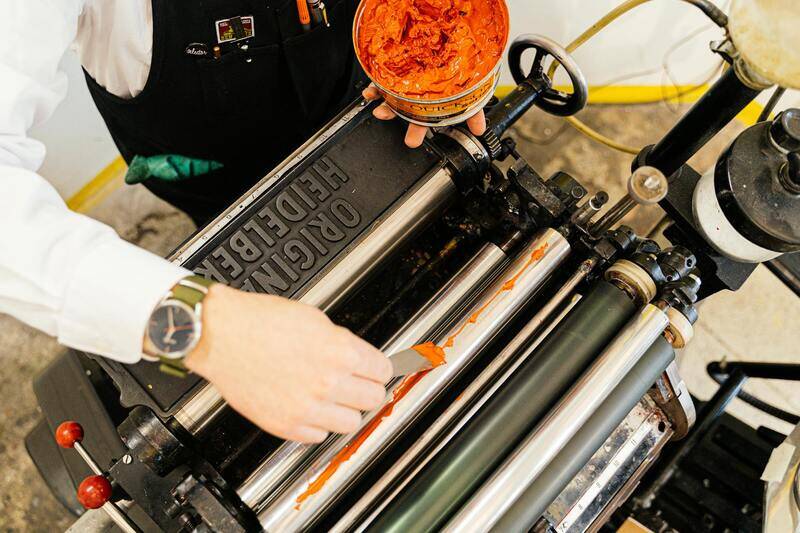
Advanced printing methods are essential for producing detailed, vibrant, and durable custom cards. Digital printing offers rapid turnaround and high-resolution output, suitable for small to medium orders with intricate designs. Offset printing provides superior color accuracy and consistency, making it ideal for larger batches and projects demanding precise color matching. Spot UV coating adds a glossy, reflective finish to specific design elements, enhancing visual appeal and tactile differentiation. Foil stamping introduces metallic accents that elevate luxury branding, while embossing and debossing create textured effects that add depth. Laser engraving is commonly used for personalization, such as adding names or serial numbers directly onto the surface, providing a permanent and sophisticated finish. Combining these techniques allows for a high level of customization that aligns with brand aesthetics and functional needs.

Types of Custom Cards and Their Uses
Custom cards serve a wide array of purposes across various industries, each tailored to specific functional and aesthetic requirements. Business cards remain the most common, providing professionals with a tangible way to share contact information and leave a lasting impression. Diplomatic and loyalty cards are designed with security features and durability in mind, often used in environments requiring protection against forgery or wear. ID cards and access badges feature high-resolution branding and security elements to ensure proper identification within corporate or event settings. Additionally, promotional and gift cards are crafted for retail and marketing campaigns, emphasizing vibrant visuals and ease of use. Collectible cards, such as those used in gaming or commemorative collections, emphasize intricate designs and premium finishes to appeal to enthusiasts and collectors alike. Recognizing the specific purpose informs the selection of materials, design, and printing techniques, resulting in custom cards that effectively communicate brand identity and meet end-user expectations.
Materials Used in Custom Card Printing
The choice of materials in custom card printing significantly impacts the card's durability, appearance, and tactile experience. PVC remains the most popular base material, offering flexibility, resistance to water and wear, and ease of printing detailed graphics. PET (polyethylene terephthalate) provides added strength and chemical resistance, making it suitable for cards expected to endure frequent handling. Thicker options such as PVC or composite materials are chosen for high-end or luxury cards, imparting a premium feel and sturdiness. Paper-based options may be used for temporary or disposable cards, such as event passes, but generally lack the longevity of synthetic alternatives. Special finishes like matte, gloss, or satin coatings are applied to enhance appearance, reduce glare, or provide fingerprint resistance. For specific purposes, textured finishes or embedded security features—such as holograms or metallic fibers—further elevate the functionality and aesthetic appeal of custom cards, creating a compelling combination of form and function.

Design Considerations for Custom Cards
Design is a crucial factor in ensuring custom cards are both functional and visually appealing. When developing a card's layout, designers must prioritize clear visibility of key information such as names, titles, or security codes. The strategic use of color, contrast, and typography enhances readability and brand recognition. Incorporating visual hierarchies guides the viewer’s eye toward the most critical elements of the card. Logos and icons should be positioned for quick recognition, supporting seamless identification. For cards with security features, embedded elements such as microtext, holograms, or watermarks add layers of protection while maintaining aesthetic integrity. Ergonomics is also vital—considering weight, size, and shape ensures ease of handling, especially for cards that are part of larger sets or need to fit into specific wallets or holders. Mockups and prototypes allow for evaluation of visual harmony, tactile feedback, and overall usability before mass production.
Printing Techniques for Custom Cards
Advanced printing methods are instrumental in achieving high-quality, durable custom cards. Digital printing stands out for its ability to produce vibrant images and intricate details with quick turnaround times, making it ideal for small to medium orders. Offset printing excels in delivering consistency and color accuracy across larger batches, suitable for high-volume projects. Spot UV coating applies a clear, glossy finish to specific areas, creating contrast and tactile variation that enhances visual dynamics. Foil stamping introduces metallic accents—either as borders, logos, or highlighting key features—adding a luxurious touch. Embossing and debossing create three-dimensional textures that evoke sophistication and reinforce branding elements. Laser engraving allows for permanent personalization, such as serial numbers or names, directly etched onto the card surface with exceptional precision. Combining these techniques results in a custom card that aligns perfectly with branding strategies while offering functional advantages such as security, durability, and aesthetic appeal.

Customization Options and Special Features
Customization extends beyond basic design to include a variety of special features that elevate the functionality and appeal of custom cards. Metallic foils, holographic overlays, and embossed elements add a layer of luxury and tactile interest, often used for premium branding. Magnetic stripes, contact chips, or QR codes incorporate technological features for secure access or data transfer. Transparent or semi-transparent sections can create unique effects, while rounded or uniquely shaped edges improve ergonomics and aesthetic presence. Clear overlay layers or scratch-off panels enhance interactivity and security. Custom finishes such as matte, gloss, or velvet coatings influence the visual mood and durability of the card surface, allowing brands to create a distinct sensory experience. Additionally, consider incorporating microprinting or microtext for added layers of verification. These features, carefully integrated into the design, can enhance security, brand identity, and user engagement, providing a comprehensive solution for diverse needs.

Quantity, Cost, and Turnaround Time
Determining the optimal quantity for printing involves balancing budget, project scope, and timeline. Small orders—ranging from 50 to 500 pieces—typically benefit from digital printing due to its affordability and quick turnaround, often completed within a few days. For larger batches exceeding 1,000 units, offset printing becomes more economical and ensures consistent color fidelity across all cards. The cost per unit decreases as quantity increases, but additional expenses may arise from optional enhancements or premium finishes. Turnaround time can vary from as little as 24 hours for simple digital prints to several weeks for intricate designs involving multiple techniques and finishes. Planning ahead and consulting with printing providers is essential to accommodate deadlines while maintaining quality standards. Bulk orders with complex features, such as security elements or specialty coatings, may require extended processing times—thus, early coordination ensures the delivery aligns with project schedules and budget constraints.
Types of Custom Cards and Their Uses
Custom cards are versatile tools tailored to meet a wide range of needs across various industries. Business cards remain the most common, serving as tangible representations of professional identity and branding. They are crafted to make memorable first impressions and facilitate networking opportunities. Customer loyalty cards, on the other hand, are designed to foster repeat business and enhance customer engagement through visually appealing and durable cards embedded with security features or tracking mechanisms. Event and invitation cards are customized to match specific themes and brand identities, often involving intricate designs and premium finishes to elevate the occasion.
Other types include membership cards, which often incorporate security elements like magnetic strips or chips for access control, and gift or reward cards that require secure credit-like features. Additionally, there are promotional cards, which serve as marketing tools with eye-catching graphics and limited-time offers, and identification cards used by institutions for secure access and verification. Each custom card type is tailored not only in appearance but also in functionality, ensuring that the card serves its intended purpose effectively.
Materials Used in Custom Card Printing
The choice of material significantly influences the durability, appearance, and functionality of custom cards. Typical materials include:
- PVC (Polyvinyl Chloride): The most common material for standard business and membership cards, offering durability, flexibility, and a smooth surface suitable for vibrant printing.
- ABS (Acrylonitrile Butadiene Styrene): Known for its toughness, ABS is ideal for cards that require enhanced durability under harsh conditions.
- PET (Polyethylene Terephthalate): An eco-friendly alternative that provides excellent resistance to heat and chemicals, suitable for environmentally conscious branding.
- Specialty materials: Include metallic foils, transparent plastics, or textured substrates, which are used to create luxury or high-security cards with unique tactile and visual effects.

Design Considerations for Custom Cards
Effective custom card design requires balancing visual appeal with functionality. Key considerations include layout, color schemes, typography, and branding consistency to ensure the card aligns with corporate image or event themes. Incorporating recognizable logos, brand colors, and succinct contact details enhances recognition and recall. It’s also important to consider the placement of security features, such as holograms or microtext, so they do not compromise the overall aesthetics but still serve their purpose.
Design should also account for readability and user experience. For instance, font sizes and contrast should ensure information is legible at a glance. Forethought should be given to the placement of critical data, such as names, IDs, or membership numbers, especially for cards with embedded chips or magnetic strips. An elegant yet functional design enhances both the perceived value and practical usability of the custom card.
Printing Techniques for Custom Cards
Understanding the printing methods best suited for specific needs is crucial. Digital printing offers advantages for short runs and quick turnarounds, producing high-quality images with detailed color gradients. Offset printing, however, excels in large volume production with consistent color fidelity and cost-effectiveness at scale.
Additional techniques include:
- Silkscreen printing: Ideal for adding simple logos or symbols with bold, opaque colors.
- Hot stamping and foil printing: Used to apply metallic or matte finishes for a luxurious appearance.
- Embossing and debossing: Creates tactile effects, adding texture and dimension to the design.
- Lamination and coating: Adds protection against scratches, UV damage, and general wear, extending the card’s lifespan.

Customization Options and Special Features
Modern custom cards offer a wide range of personalization options, from color schemes to security enhancements. Features such as embedded chips, magnetic strips, or barcode systems can be integrated to increase functionality. Visual enhancements include holograms, metallic foils, and embossing, which amplify the card’s appeal and security.
Special finishes like matte, gloss, or satin coatings can dramatically alter the card’s look and feel. UV coatings provide extra durability and shine, while edge painting adds an additional layer of visual interest. For security-conscious applications, microtext, UV-visible inks, and tamper-evident holograms can be incorporated seamlessly into the design, ensuring the card’s authenticity without compromising aesthetics.
Quantity, Cost, and Turnaround Time
Arranging the appropriate quantity involves assessing project scope and budget. Smaller batches—between 50 and 500 units—are usually suited for digital printing, offering faster processing times and lower setup costs. Larger orders exceeding 1,000 units benefit from offset printing, which lowers the per-unit cost and retains high-quality results across all cards.
Cost considerations include design complexity, materials, and desired finishes. Additional features, such as security elements or specialty coatings, tend to increase overall expenses. Proofing and production times can vary from as little as 24 hours for straightforward digital prints to a few weeks for intricate designs with multiple advanced features. Early planning and consultation with the printing provider ensure timely completion aligned with project deadlines, especially for bulk orders involving complex customization.