Importance of Business Cards in Professional Branding
Business cards continue to serve as a fundamental element of professional branding, providing a tangible connection between individuals and their associated organizations. They embody the first impression a potential client or partner perceives, encapsulating essential information such as name, role, contact details, and company branding in a compact form. An effectively designed business card not only communicates professionalism but also demonstrates attention to detail, fostering trust and credibility within competitive markets.
In a world increasingly dominated by digital communications, the physical presence of a well-crafted business card emphasizes personal connection. It makes networking seamless by offering a quick and memorable way to exchange contact information. Moreover, a distinctive business card can differentiate a business from competitors, ensuring that potential clients remember your brand long after initial interactions. The strategic design and consistent presentation of business cards serve as powerful tools for reinforcing a brand’s identity and enhancing overall corporate image.
The importance of business cards extends beyond mere contact exchange. They act as physical ambassadors of a brand’s values and aesthetics, helping to establish trust and familiarity. With proper design and high-quality printing, business cards contribute significantly to professional reputation and facilitate ongoing relationships that are vital for business growth.
Key Elements of a Memorable Business Card
- Clear and Legible Typography: Ensures all vital information is easily readable at a glance.
- Consistent Brand Colors and Logo: Reinforces brand recognition and visual identity.
- Balanced Layout: Creates an organized look that guides the recipient’s eye naturally across the card.
- Quality Materials: Reflects professionalism and durability, impacting the card's tactile impression.
- Unique Design Features: Adds distinctive elements that differentiate your card from competitors.
Investing in a strategic, well-designed business card underscores a company’s commitment to quality and professionalism, making it an indispensable asset in any business interaction.
Design Principles for Business Cards
Effective business card design hinges on harmonizing several core principles that ensure the final product not only looks professional but also leaves a memorable impression. When approaching the design process, it’s crucial to prioritize clarity and readability. This entails selecting optimal layout arrangements that allow information to flow logically, guiding the recipient’s eye from the company logo through contact details seamlessly. Incorporating generous whitespace prevents clutter and fosters a clean, sophisticated appearance.
Color schemes must align with existing branding strategies. Consistent use of brand colors and hues that evoke appropriate emotions reinforce brand recognition and convey the desired message. Typography choices should combine aesthetics with functionality; clear, legible fonts facilitate easy reading, even at a glance. Mixing a primary font for headings with a complementary font for details creates visual hierarchy without compromising coherence.
Maintaining branding consistency across all elements of the business card fortifies brand identity and ensures professionalism. This includes the strategic placement of logos, taglines, and other visual cues that serve as brand signatures. The overall layout should balance visual appeal with practicality, with design elements thoughtfully aligned to avoid distractions while highlighting key information.

Choosing Materials and Finishes
Material selection plays a pivotal role in the tactile quality and durability of business cards. Premium cardstock options—such as matte, gloss, or textured finishes—can significantly impact the perceived value of a card. Thicker stocks convey durability and reinforce the idea of quality, while finishes like matte or soft-touch coatings enhance tactile experience and visual appeal.
Consider eco-friendly materials if sustainability aligns with brand values. Recycled paper or biodegradable options can communicate environmental responsibility and appeal to eco-conscious clients. For a distinctive look, specialty materials such as transparent plastics, metal cards, or embossed surfaces can provide a unique tactile and visual sensation, setting your business apart in a competitive marketplace.
Custom Features and Special Effects
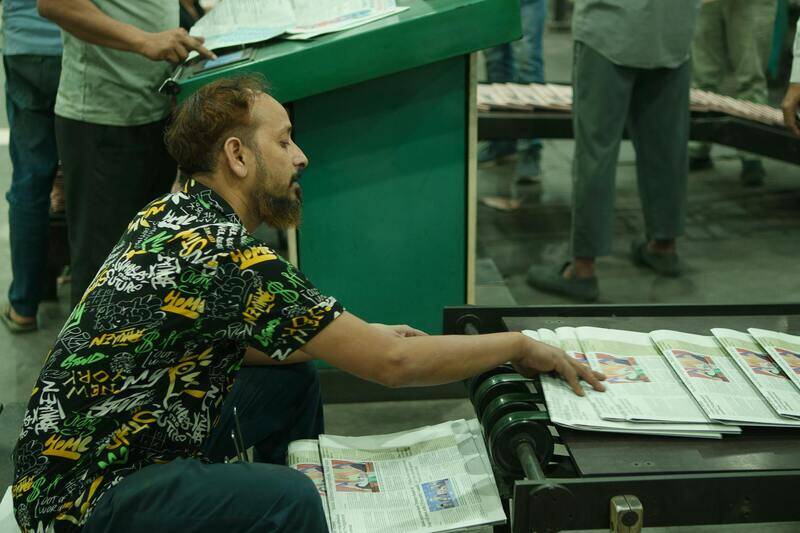
Incorporating custom features can elevate a business card from a simple contact tool to a memorable branding piece. Techniques such as foil stamping add a metallic sheen that catches light and draws attention, perfect for logos or key design elements. Spot UV coating can accentuate specific areas, creating a contrasting glossy effect against matte backgrounds.
Embossing and debossing introduce tactile dimensions, making logos or patterns stand out physically, encouraging interaction. Holographic effects, die-cut shapes, and raised elements further enhance visual interest and tactile appeal, making the card a true reflection of innovation and style.
Matching Business Card Design with Brand Identity
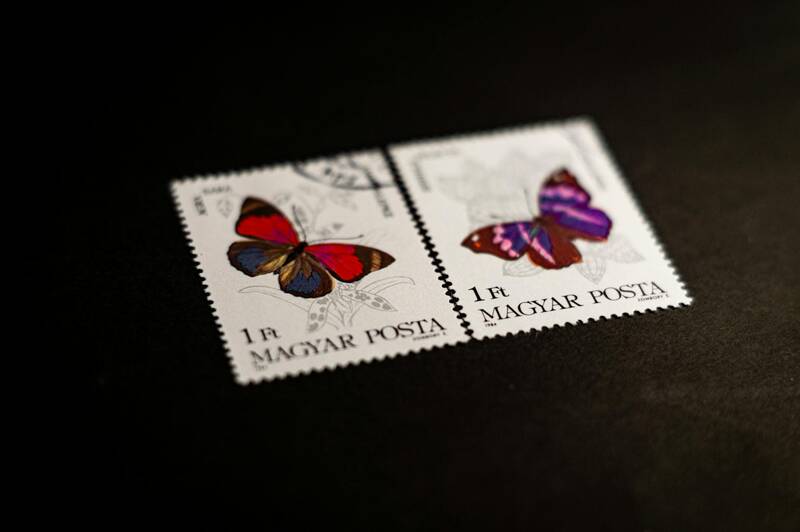
The alignment of your business card design with overall brand identity is fundamental to creating a cohesive brand message. Every visual element—from color palette to typography—must reflect the brand’s core values and personality. For companies emphasizing professionalism and reliability, a minimalist and clean design approach is ideal. Conversely, brands wanting to evoke creativity and vibrancy might opt for bold colors and dynamic layouts.
Developing a style guide or branding template that specifies acceptable fonts, color codes, and imagery ensures consistency across all printed materials. This strategic alignment ensures that every touchpoint, including business cards, reinforces brand recognition and trust.

Choosing Materials and Finishes
When selecting materials for your business cards, it is essential to consider not only durability but also the tactile and visual impact they create. Common options include thick cardstock, which provides a sturdy feel that exudes professionalism. For a more premium aesthetic, options such as textured paper, linen finishes, or uncoated stock can add a unique touch that helps your card stand out in a sea of standard designs.
Finishes further enhance the look and feel of your business cards. Matte finishes are preferred for a subdued, sophisticated appearance and are excellent for cards featuring intricate designs or darker color palettes. Glossy finishes, on the other hand, impart a vibrant shine that enhances colors and makes images pop, ideal for visually rich designs. Satin or semi-gloss finishes offer a balanced option, providing a smooth sheen without excessive reflection.

Special textures such as embossed patterns or soft-touch coatings deliver a luxurious tactile experience that encourages interaction and makes a memorable impression. Additionally, laminated layers can improve the card’s resistance to wear and tear, extending its lifespan and maintaining a pristine appearance over time.
Specialized Finishes and Creative Enhancements
- Spot UV Coating: Adds a glossy accent to specific areas, highlighting key design elements like logos or contact information.
- Foil Stamping: Incorporates metallic foils in gold, silver, or other colors to create a shimmering effect that emphasizes luxury and exclusiveness.
- Textured Effects: Include linen, felt, or natural textures that provide tactile interest and reinforce a brand’s identity, especially for high-end markets.
- Letterpress and Debossing: Create physical impressions that add dimension and sophistication, ideal for brands seeking a vintage or artisan feel.
In the pursuit of a memorable business card, combining high-quality materials with innovative finishes ensures your card makes a lasting impression while aligning with your brand’s personality and objectives.
Choosing the Right Printing Techniques for Business Cards
When aiming for a high-quality, professional finish, selecting the appropriate printing technique is crucial. Each method offers unique advantages that can highlight your brand’s personality and ensure durability. Offset printing remains a popular choice for bulk orders due to its consistency and sharp color reproduction, making it ideal for designs with complex color schemes and detailed graphics. Digital printing, on the other hand, provides quick turnaround times and flexible customization options, suitable for smaller quantities or personalized cards.
For designs that demand texture and tactile impact, letterpress and thermography are excellent options. Letterpress printing creates a striking embossed effect that adds depth and sophistication, often used by luxury brands and high-end professionals. Thermography simulates an embossed look through a raised ink process, offering a cost-effective alternative with a notable three-dimensional quality.

Achieving flawless quality requires meticulous review processes before final production. Proofing is essential to verify color accuracy, layout, and finishing details. Some printing services provide digital proofs that allow for expedited approval, while in-depth physical proofs may be necessary for complex designs or specialty finishes. Consistent quality control throughout the printing process ensures that the final product aligns precisely with your specifications and brand standards.
Advanced quality assurance measures include color calibration checks, substrate consistency assessments, and finishing inspections. Regular communication with the printing provider helps address any potential issues early, reducing the risk of errors and ensuring that your business cards are crafted to the highest standard. This attention to detail reinforces your brand’s professionalism and commitment to excellence.
Color Accuracy and Consistency
Maintaining color accuracy is critical for brand recognition and aesthetic appeal. Using color matching systems such as Pantone guides ensures that the printed colors precisely match your brand palette. Consistent color reproduction across multiple batches sustains a professional look and avoids visual discrepancies that could diminish brand impact.
Durability and Long-Lasting Quality
Opting for high-quality materials and finishes enhances the longevity of your business cards. Laminated or coated surfaces shield against moisture, scratches, and general wear, ensuring your card remains pristine over time. Selecting thicker cardstock not only offers a more substantial feel but also reduces the risk of bending or tearing, particularly when handling large volumes or frequent exchanges.
Aligning Business Card Design with Your Brand Identity
Ensuring your business card design accurately reflects your brand’s identity is fundamental for recognition and trust. Incorporating brand-specific elements such as logos, color schemes, and typography creates a cohesive visual language that resonates with your target audience.
- Logo Placement: Position your logo prominently to foster immediate brand recognition. Consider its size and location to ensure it stands out without overwhelming other essential contact details.
- Typography: Choose fonts that complement your brand personality, whether it's modern, traditional, playful, or elegant. Consistent typography across all branding materials reinforces brand uniformity.
- Color Palette: Use your brand colors strategically to evoke the desired emotional response and maintain visual harmony across your business stationery.

It's beneficial to work with graphic designers who understand branding principles to ensure your business cards align perfectly with your overall marketing strategy. They can help craft designs that are not only visually appealing but also effective at communicating your brand message.
Effective Distribution and Presentation of Business Cards
How your business cards are distributed can greatly influence networking success. Carrying an ample supply during meetings, conferences, and casual encounters ensures you're always ready to make a memorable impression. Consider pairing your cards with professional accessories like branded cardholders or portable cases to maintain their pristine condition.
When presenting your business card, choose an appropriate moment and handle it with care. Offering the card with a firm handshake and making eye contact demonstrates professionalism and confidence. Personalizing the exchange by briefly explaining your role or business can reinforce your message.
- Strategic Placement: Distribute cards to relevant contacts rather than indiscriminately. Targeted exchanges strengthen connection quality and potential collaborations.
- Follow-up: After initial contact, make sure to follow up with personalized messages referencing the meeting, which solidifies relationships and keeps your brand top of mind.
- Consistency in Presentation: Ensure your cards reflect a professional image that complements your overall branding approach, including well-organized layouts and high-quality finishes.
Implementing Secure and Authentic Printing Methods
When it comes to producing business cards that truly represent your brand, employing secure and verified printing methods is essential. These methods not only guarantee the durability and visual appeal of your cards but also protect your design investments from unauthorized reproductions or counterfeiting.
Using official printing channels ensures that the materials and processes meet industry standards, providing consistent quality across all your business cards. Certified printers utilize reputable inks and premium cardstock that meet safety and environmental regulations, reaffirming your commitment to quality and sustainability.
Additionally, opt for printers that employ advanced security features such as embedded holograms, micro-text, or unique serial numbers embedded within the design. These measures help authenticate each card, reducing the risk of duplication or misuse. For businesses concerned with brand protection, partnering with recognized printing companies that employ secure data handling and verification processes is a prudent choice.

Choosing recognized and certified printing providers also ensures compliance with industry standards. This guarantees that your business cards are produced using reliable technology, with quality assurance checks at each stage of the printing process. Such diligence preserves your company's professional image and demonstrates a serious commitment to quality to your clients and prospects.
Furthermore, reliable print providers offer transparent quality assurance protocols, including color calibration, finishing consistency, and inspection routines. These steps ensure that every batch of business cards meets the highest standards before delivery, minimizing defects and reprints.
Partnering with trusted vendors who specialize in official printing methods often provides additional support, including design verification, sample approvals, and custom options tailored to your specific needs. This comprehensive approach balances design integrity with production security, resulting in business cards that are both visually striking and authentically representative of your brand.
Ultimately, implementing verified and secure printing methods enhances your professional image, ensures the longevity of your business cards, and affirms your dedication to quality and brand integrity.
Methods to Ensure Authenticity and Security in Business Card Printing
When aiming to produce business cards that not only leave a memorable impression but also reflect a high standard of authenticity, utilizing official and proven printing methods is essential. This involves selecting processes that adhere strictly to established industry protocols, ensuring your card's credibility and durability. By opting for local and well-established printing vendors, businesses can leverage advanced security features embedded into the manufacturing workflow, thereby maintaining brand integrity and fostering trust among clients and partners.
One vital official method of ensuring security is the implementation of watermarking. Watermarks embedded into the design provide an additional layer of verification, making counterfeiting or unauthorized duplication significantly more challenging. These watermarks are designed to be visible only under specific lighting conditions or when viewed at certain angles, providing discreet yet effective proof of authenticity.
In addition to watermarks, the use of holographic overlays or foil stamps also plays a key role in securing business cards. These features are created with sophisticated printing machinery that certifies their legitimacy, adding a premium finish while preventing replication. Holograms can incorporate company logos or unique identifiers, making duplication virtually impossible without specialized equipment.

Furthermore, secure printing processes often utilize serial numbers or unique QR codes that link directly to verifiable digital records. This digital authentication method allows recipients to confirm the legitimacy of the card through a secure online portal, reducing the risk of counterfeit credentials circulating within the industry.
Partnering with reputable print service providers that utilize certified printing technologies ensures consistent quality and validation at every step. These providers follow strict manufacturing standards, including proper calibration of printing equipment, rigorous inspection routines, and adherence to color management protocols. Such practices guarantee that each batch of business cards upholds the highest standards, providing an official endorsement of your brand’s professionalism and security integrity.

Implementing official methods of security not only elevates the perceived value of your business cards but also creates a trustworthy foundation that enhances your overall brand reputation. These practices serve as a testament to your commitment to authenticity, helping to differentiate your business in a competitive marketplace and providing recipients with confidence in your professionalism.
Distribution Strategies and Best Practices
Maximizing the impact of your professionally designed business cards requires strategic distribution techniques that align with your networking goals. Effective sharing of business cards involves more than just handing them out; it centers on timing, context, and understanding your audience.
Identify Key Opportunities for Distribution
- Attend industry conferences, trade shows, and business networking events where potential clients and partners are present.
- Engage in one-on-one meetings, consultations, and seminars, providing your card at moments when your services or products are most relevant.
- Utilize public spaces such as coworking hubs, business centers, or local community events to reach informal contacts or emerging professionals.
Timing and Presentation
Present your business cards confidently during introductions, ensuring you establish eye contact and convey professionalism. When exchanging cards, do so with both hands or with a firm grip, indicating respect and genuine interest. Tailor your approach depending on the setting—be more formal at industry events, and more casual during casual meetings or social gatherings.
Follow-Up Strategies
Immediately after distribution, make notes on the back of each card to remind yourself of the context of the meeting and potential next steps. Prompt follow-up messages, whether via email or phone, reinforce the connection and demonstrate your commitment to building professional relationships.
Personalized and Strategic Placement
- Place your business card strategically in relevant areas such as brochures, welcome kits, or community boards to increase visibility.
- If providing to a business or establishment, request permission to leave your card where it will be seen by your target audience.
- Use customized sleeves or presentation cases for important meetings, emphasizing the professional quality and value of your card.
Building a Digital and Physical Card Ecosystem
Integrate your physical business cards with digital contact methods, such as QR codes linking directly to your professional profile or portfolio. This dual approach caters to different preferences and enhances your accessibility.

Effective Distribution Strategies and Best Practices
Once you have invested time and resources into creating a high-quality business card, the next critical step is its effective distribution. Strategic placement and confident exchange can significantly enhance your professional outreach and brand recognition. Recognizing the contexts in which to share your cards and establishing consistent practices ensures your contact information reaches potential clients, partners, or collaborators with maximum impact.
Tailoring Your Approach for Different Settings
Adjust your method of distribution based on the environment. During industry conferences or professional networking events, present your card with both hands, maintaining eye contact to reinforce sincerity and professionalism. At more casual gatherings, a relaxed yet confident approach can foster a genuine connection. Always ensure your cards are easily accessible—using a dedicated business card holder or a well-organized pocket allows for swift, seamless exchanges.
Strategic Placement in Relevant Environments
- Business Centers and Co-Working Spaces: leave your cards in designated areas such as reception desks or shared resource stations where visitors can access them conveniently.
- Partnership Locations: request permission to leave your cards at partner businesses, especially in high-traffic areas like reception areas or customer service desks.
- Event Sponsorships and Community Boards: utilize community bulletin boards or sponsor-related displays to feature your cards, ensuring they are prominently visible to targeted audiences.
Utilizing Presentation Tools and Displays

Integrating Digital Methods for Broader Reach
Complement your physical card distribution with digital methods to broaden your network. Incorporate QR codes into your cards, linking directly to your online portfolio, professional profiles, or contact forms. This dual approach caters to different preferences and expedites the process of establishing ongoing communication.
Maintaining Consistency and Follow-Up
Consistency in the presentation and distribution of your business cards fortifies your brand image. Take notes about the context of each exchange—whether via a handwritten remark or digital note—to personalize follow-ups. Promptly reaching out with tailored messages after meetings indicates professionalism and reinforces the initial connection, transforming casual exchanges into meaningful business opportunities.