Understanding Custom Brochures
Custom brochures are specialized printed materials designed to communicate a company's products, services, or brand story in a visually appealing and informative manner. Unlike generic flyers or templates, custom brochures are tailored to reflect the unique identity of a business, allowing for a personalized approach that resonates with target audiences. They serve as essential marketing tools in various industries, providing an in-depth presentation of offerings while reinforcing brand recognition.
At their core, custom brochures are versatile documents that combine compelling visuals with strategic messaging. They can be crafted in multiple formats—bi-fold, tri-fold, or multi-panel designs—enabling businesses to organize information effectively. Their primary function is to capture interest, educate potential clients, and inspire action, whether that involves making a purchase, signing up for a service, or establishing a brand connection.
The role of custom brochures extends beyond simple advertisement; they act as tangible representations of a company's professionalism and commitment to quality. When done correctly, these printed materials enhance credibility, leave a lasting impression, and serve as a physical touchpoint that reinforces marketing campaigns. This makes them especially valuable during trade shows, corporate presentations, direct mailing, and in-store displays.
Distinctive Features of Custom Brochures
- Personalized Design: Tailored to match brand aesthetics and campaign goals.
- High-Quality Printing: Utilizes premium materials and techniques for a professional finish.
- Strategic Content Placement: Organized to guide readers naturally through the message.
- Flexible Formats: Available in various fold styles and sizes to fit different marketing needs.
- Durability and Longevity: Designed to withstand handling and environmental factors, ensuring prolonged visibility.
The Strategic Value of Custom Brochures
Custom brochures are integral to a comprehensive marketing strategy, providing detailed information in a format that encourages engagement and retention. When aligned with branding and messaging strategies, they serve as a powerful tool for building trust, demonstrating expertise, and fostering customer relationships, all while supporting the overall marketing objectives of a business.
Design Elements of Custom Brochures
Creating effective custom brochures hinges on strategic design choices that align with a company’s brand identity and marketing objectives. Key design elements include layout, color schemes, typography, imagery, and graphical elements. Each component plays a vital role in ensuring the message resonates and captivates the target audience.
Layout and structure should facilitate a logical flow of information, guiding viewers seamlessly through the content. Strategic use of whitespace enhances readability and prevents visual clutter, making the brochure easier to navigate. Consistent branding elements, such as logo placement and color palettes, reinforce brand recognition while maintaining visual harmony.
Typography choices should reflect the brand personality—professional, modern, or creative—while ensuring readability across all formats. Complementary imagery and icons serve to illustrate key points, evoke emotional responses, and make the content more engaging. Attention to detail during the design process ensures each element contributes purposefully toward delivering a compelling narrative.
Choosing the Right Materials and Printing Techniques
The selection of materials and printing techniques directly influences a brochure's durability, tactile appeal, and overall impression. High-quality paper options—such as gloss, matte, or textured finishes—offer different tactile experiences and visual effects that complement the design.
Advanced printing techniques, including embossed details, UV coating, foil stamping, and spot gloss, can elevate the sophistication of the final product. These methods add texture, sheen, or highlight specific areas, making key messages or visuals stand out. For longevity and consistent quality, it is vital to work with reputable printing providers who use state-of-the-art equipment and environmentally responsible practices.

Customization Options and Innovative Features
Modern custom brochures offer a myriad of customization options to align precisely with branding and campaign goals. These include various fold types like bi-fold, tri-fold, Z-fold, and gate-fold, each offering unique ways to organize information.
Innovative features such as die-cut shapes, textured finishes, augmented reality integration, and interactive elements can create a memorable tactile experience or digital interaction that leaves a lasting impact. Such innovations enable brands to stand out in competitive markets by providing unique, engaging, and immersive communication tools.
Best Practices for Content and Messaging
Effective content in custom brochures should be concise, targeted, and action-oriented. Crafting compelling headlines and clear calls to action encourages reader engagement and guides them toward desired responses. Use persuasive language that communicates value and fosters trust, supported by credible data, testimonials, or case studies.
Organize information hierarchically, emphasizing key messages upfront and providing sufficient details for interested prospects. Incorporate visual cues, such as icons and infographics, to simplify complex concepts, making the content accessible and engaging.
Consistency in tone, style, and messaging across all marketing materials ensures that the brochure complements broader branding efforts, reinforcing the company’s value proposition at every touchpoint.
Understanding Custom Brochures
Custom brochures serve as a versatile and potent tool in a company's marketing arsenal, allowing businesses to communicate their unique brand story, products, and services effectively. Unlike generic templates, custom brochures are tailored to align perfectly with the company's visual identity, messaging, and strategic goals. They provide an opportunity to showcase brand personality through design elements, layout, and content, ensuring that every aspect resonates with target audiences. The art of creating impactful custom brochures involves meticulous planning, detailed customization, and innovative design tailored to specific campaign objectives.
One of the critical advantages of custom brochures is their flexibility. They can be crafted in various formats and folds, such as bi-fold, tri-fold, Z-fold, or gate-fold, each serving different purposes. For example, a tri-fold brochure can be an excellent choice for detailed product descriptions, while a gate-fold might be more suited for impactful presentations or portfolios. Additionally, customized features like die-cut shapes, textured finishes, or augmented reality integrations can make brochures not only visually appealing but also highly engaging. These techniques enable brands to create memorable tactile or digital experiences that resonate long after the initial interaction.
Benefits of Using Custom Brochures
Employing custom brochures allows businesses to differentiate themselves in crowded markets. Through tailored design and messaging, a company can effectively highlight its unique selling propositions, foster brand recognition, and establish credibility among prospective clients. Customization enhances the relevance of the content, ensuring that each message aligns directly with the audience's interests and needs.
Furthermore, custom brochures can be crafted to perfectly fit specific industry requirements or campaign themes, whether for product launches, trade shows, or community outreach. Their tangible quality can evoke a sense of professionalism and trustworthiness, making a compelling first impression. The ability to incorporate innovative features—such as textured finishes for a premium feel, die-cut shapes that emphasize unique aspects, or interactive digital elements—serves to elevate a company's marketing strategy beyond standard practices.
Design Elements of Custom Brochures
Effective custom brochure design hinges on several fundamental components:
- Layout: A clean, organized layout guides readers naturally through the content, emphasizing key messages and reducing cognitive overload.
- Typography: Clear, legible fonts aligned with brand identity enhance readability and reinforce brand personality.
- Color Schemes: Strategic use of colors evokes emotions, highlights calls to action, and maintains visual harmony with existing branding.
- Imagery: High-resolution images and illustrations support written content and help tell stories visually.
- Branding Consistency: Maintaining consistent logo placement, color usage, and tone reinforces brand recognition across all marketing collateral.
Choosing the Right Materials and Printing Techniques
The selection of materials significantly influences the feel, durability, and overall impact of a custom brochure. Premium papers with thicknesses ranging from 170gsm to 300gsm contribute a luxurious tactile experience, suitable for high-end branding. Special coatings, such as matte, gloss, or soft-touch finishes, can refine the visual appeal and protect printed surfaces from damage.
Advanced printing techniques further elevate brochure quality. Offset printing offers high precision and consistency for larger orders, while digital printing is suitable for smaller runs with quick turnaround times. Techniques like embossing, debossing, foil stamping, or UV coating add tactile or visual accents, drawing attention to specific design elements or messages. Choosing the right combination of materials and techniques hinges on campaign goals, budget, and the desired perception of the brand.
Customization Options and Innovative Features
Modern customization options extend beyond traditional formats, enabling brands to create truly unique promotional tools. Die-cut shapes can break free from conventional rectangular formats, adding visual intrigue and functional benefits, such as rounded edges or windows revealing underlying content. Textured finishes—such as linen, embossing, or velvet touch—enhance sensory engagement, making the brochure memorable to touch.
Augmented reality (AR) integration and interactive print features are emerging as cutting-edge methods to bridge physical and digital experiences. For example, scanning a QR code within the brochure can trigger a virtual tour or demonstrate a product in action. These features encourage user interaction, increase engagement time, and foster a deeper connection with the audience.
Best Practices for Content and Messaging
Crafting compelling content for custom brochures involves clarity, persuasion, and precise targeting. Headlines should be attention-grabbing, succinct, and aligned with campaign objectives. The body content must be concise yet informative, guiding the reader logically through benefits, features, and value propositions. Calls to action (CTAs) should be prominent and compelling, directing recipients towards desired responses such as contacting, visiting a website, or making a purchase.
Incorporating visual cues like icons, infographics, and bullet points simplifies complex concepts and enhances comprehension. Credible data, testimonials, and case studies serve to bolster trust and credibility, reinforcing the message's authenticity. Maintaining consistency in tone and style across the brochure ensures cohesiveness with broader branding strategies and fosters recognition.
Costs and Ordering Process
Pricing for custom brochures varies depending on design complexity, size, materials, finishing techniques, and quantity. While intricate designs with premium finishes incur higher costs, economies of scale can reduce the per-unit price for larger orders. The ordering process typically involves selecting specifications, submitting design proofs, and confirming production details. Mature print service providers streamline this process, ensuring quality control and timely delivery, thus allowing brands to meet tight campaign schedules effectively.
Materials and Finishing Touches That Elevate Custom Brochures
When it comes to producing impactful custom brochures, selecting appropriate materials and finishing techniques is fundamental to achieving desired visual appeal, durability, and tactile experience. The choice of paper type directly influences the brochure's overall feel and presentation, making it crucial to consider options that align with brand image and campaign goals.
- Paper Types: Options range from matte and gloss finishes to textured papers like linen or silk, each imparting a distinct tactile sensation. Glossy papers enhance color vibrancy and sharpness, ideal for brochures showcasing rich imagery. Matte papers offer a sophisticated, non-reflective surface that reduces glare and lends a refined appearance. Textured papers can add depth and a premium touch, especially suitable for luxury brands or artistic presentations.
- Weight and Thickness: Heavier paper stocks, such as 170gsm or higher, communicate quality and durability, making them suitable for presentations or high-end marketing materials. Thinner stocks may be chosen for cost-effective, bulk distribution or minimalist designs without sacrificing elegance.
Finishing Techniques for a Professional and Lasting Impression
Beyond paper selection, finishing techniques significantly enhance the visual impact and longevity of custom brochures. These methods serve both aesthetic and protective purposes, ensuring that the brochures withstand handling and environmental factors while maintaining their visual integrity.
- UV Coating: Applying a UV coating provides a high-gloss, durable finish that accentuates images and text. It offers resistive properties against scuffs and moisture, ideal for brochures exposed to handling in busy environments.
- Matte or Matte-Lamina: A matte finish reduces glare and imparts a subtle, sophisticated appearance. Lamination adds an extra layer of protection, preventing fingerprints and scratches, which is especially beneficial for frequently handled materials.
- Spot UV and Varnishes: For emphasizing specific sections such as logos, headlines, or images, spot UV coatings create a tactile contrast that draws attention. Varnishes can add a subtle gloss or matte layer selectively, allowing for creative visual effects.
- Embossing and Debossing: These techniques add a three-dimensional texture to specific design elements, lending a tangible richness that elevates the perceived quality of the brochure. Embossing raises parts of the design, while debossing creates indentations, both offering a memorable tactile experience.
Incorporating Innovative Printing Techniques to Distinguish Your Brochure
To set custom brochures apart in competitive markets, employing advanced or innovative printing techniques can be advantageous. These methods not only improve aesthetic appeal but also demonstrate technical expertise and a commitment to quality that resonates with discerning audiences.
- Oversized and Die-Cut Designs: Moving beyond standard dimensions, oversized brochures or creatively die-cut shapes capture attention visually and physically, making the brochure a memorable tactile object.
- Metallic and Foil Printing: Adding metallic inks or foil stamping can create eye-catching highlights, especially for premium branding, event invitations, or high-value product promotions.
- Transparent and Lenticular Printing: Incorporating transparent elements or lenticular effects offers dynamic visual experiences, engaging viewers through movement or depth in the print.
- Unique Binding and Folding Techniques: Innovative folds like gate-folds, accordion, or multi-panel designs can add functionality and intrigue, encouraging viewers to explore the brochure more thoroughly.
Selecting Appropriate Printing Methods for Your Custom Brochure
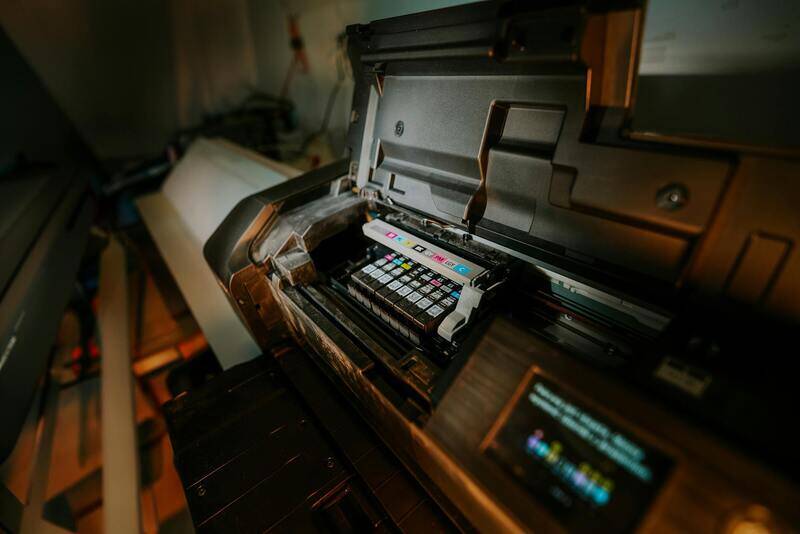
When developing a custom brochure, choosing the right printing method is essential to ensure the final product aligns with your brand image and campaign goals. Several official printing techniques are known for their precision, durability, and ability to produce high-quality visuals, making them ideal options for professional marketing collateral. Here are some of the most reputable and widely used methods:
- Offset Printing: This traditional printing process is renowned for its high-volume capabilities and exceptional color accuracy. It utilizes metal plates to transfer ink onto the paper, resulting in sharp images and consistent quality. Offset printing is particularly suitable for large runs of custom brochures, offering cost efficiency without compromising print quality.
- Digital Printing: Ideal for short to medium runs, digital printing involves directly printing from digital files onto the chosen material. It offers quick turnaround times and the flexibility for quick modifications, making it perfect for personalized brochures or small batches. Advances in digital press technology have improved color fidelity and print resolution, ensuring professional results.
- Letterpress and Engraving: For creating tactile effects and a sense of luxury, these techniques involve pressing designs into the paper surface. Letterpress provides a classic, tactile impression, while engraving produces highly detailed images with a distinct embossed feel. These methods are often reserved for premium projects requiring a sophisticated aesthetic.
Leveraging Eco-Friendly and Sustainable Printing Options
In today’s environmentally conscious market, selecting eco-friendly printing options not only demonstrates corporate responsibility but also appeals to eco-aware consumers. Modern printing companies offer various sustainable solutions that adhere to strict environmental standards, including:
- Recycled Paper Stocks: Using papers made from post-consumer waste reduces environmental impact and can add a unique textured appearance to your brochures.
- Vegetable-Based Inks: These inks are free from petrochemical solvents, offering a biodegradable and less toxic alternative that produces vibrant colors and sharp images.
- Energy-Efficient Printing Technologies: Advanced presses that use less energy contribute to reducing overall carbon footprint, aligning with sustainable business practices.
Ensuring Quality Through Official Certification and Quality Control
To guarantee that your custom brochures meet high quality standards, it is important to collaborate with printing professionals who adhere to industry certifications and rigorous quality control measures. These include:
- ISO Certification: Certifications such as ISO 9001 verify that the printing company maintains consistent quality management systems, ensuring reliable outcomes for your print projects.
- Color Management Protocols: Utilizing standardized color profiles and calibration ensures color consistency across different batches and presses, which is critical for brand accuracy.
- Material Certification: Reputable printers source materials certified for their sustainability, safety, and compliance with industry standards, adding an extra layer of trust and quality assurance.

Choosing the Right Printing Partner for Your Custom Brochures
When selecting a printing company to produce your custom brochures, it is crucial to assess their adherence to established standards and their commitment to high-quality outputs. Reputable printing firms employ a range of official procedures that ensure your brochures are produced accurately, durably, and in line with your specifications.
Verification of Industry Certifications
One of the key indicators of a reliable printing partner is their possession of recognized industry certifications. These certifications serve as a testament to the company's adherence to strict quality management and operational protocols. For instance, ISO 9001 certification demonstrates that the printer maintains a robust quality management system geared toward consistent results and customer satisfaction. Such credentials offer assurance that every brochure undergoes rigorous quality checks at each stage of the production process.
Rigorous Quality Control Measures
Proper quality control processes involve multiple checkpoints, from material selection to final output inspection. Experienced printers utilize calibrated equipment and standardized protocols, including color management systems, to ensure color accuracy and consistency. Materials used in printing, such as paper stocks and inks, are sourced from certified suppliers who meet strict safety and sustainability standards. These measures collectively contribute to the durability, visual appeal, and professional finish of your custom brochures.
Material and Inks Certification
High-quality output begins with trustworthy materials. Top-tier printing companies prioritize sourcing papers that hold certifications for environmental sustainability and safety, such as FSC or PEFC. Likewise, inks are selected based on their compliance with industry safety standards, often favoring vegetable-based or soy inks for their eco-friendliness. Proper certification and sourcing procedures ensure that your brochures not only look appealing but also meet industry safety and environmental benchmarks.

Utilizing Standardized Color Management
To maintain brand consistency, professional printers use standardized color management protocols. These processes involve calibration of printing equipment and utilization of industry-standard color profiles, ensuring that the printed colors match your digital designs precisely. Consistent color reproduction is essential for brand integrity and visual cohesion across all marketing materials.
Sample Verification and Proofing
Before mass production, official printers often provide printed proofs for client review. This step allows for inspection of color accuracy, layout, and overall quality to ensure the final product aligns with your expectations. Approving these proofs through a structured review process is a critical step facilitated by experienced printing providers committed to delivering reliable outcomes.
Order Monitoring and Final Inspection
Throughout the production process, official methods include continuous monitoring and final inspection to detect and rectify issues immediately. This meticulous oversight guarantees that each set of brochures meets the predetermined quality standards, ensuring consistency and professionalism in the finished product.
Partnering with a printing service that employs these government-approved procedures and official certification schemes enhances confidence in the final deliverables. It also ensures that your custom brochures uphold your brand image and convey your message effectively through high-quality print materials.
Ensuring Consistent Quality Through Proven Printing Methods
Achieving high-quality custom brochures necessitates adherence to strict production standards and utilization of official printing procedures. Reputable printing providers employ advanced calibration techniques to maintain color consistency across all printed materials. Calibration involves adjusting printing equipment to reproduce colors accurately, ensuring that the final product aligns perfectly with the digital design files. Standardized color management protocols, including the use of industry-recognized color profiles, are fundamental in maintaining brand integrity and delivering visually cohesive marketing collateral.
Detailed sample verification forms a critical step before full-scale production. During this phase, clients receive printed proofs or samples that reflect the exact quality, color fidelity, and layout of the final brochures. The review process allows stakeholders to inspect these samples meticulously, confirming that all design elements meet expectations. Once approved, the production process proceeds, aided by high-resolution printing techniques that guarantee sharpness, clarity, and the true reproduction of colors and images.
Throughout the manufacturing cycle, official printing houses implement continuous monitoring systems. These procedures involve real-time inspections to identify any deviations or inconsistencies early, facilitating immediate corrections. Final inspections are conducted after printing completion to verify that every brochure adheres to specified standards. This thorough oversight instills confidence in the printed product's quality, ensuring each piece reflects the professionalism of your brand and effectively communicates your messaging.

Effective Quality Assurance for Reputable Brochure Printing
Partnering with established printing providers that utilize formalized quality assurance procedures guarantees a reliable end product. Such methods include detailed calibration routines, precise proofing protocols, and rigorous inspection stages. These practices are essential in delivering custom brochures that effectively represent your brand image, appeal to your target audience, and stand out in competitive markets. Ensuring each brochure passes meticulous quality checks aligns with maintaining brand prestige and achieving marketing goals.

Ensuring Secure Handling in Your Custom Brochure Orders
To guarantee the integrity and confidentiality of your custom brochure projects, it is essential to engage with reputable printing partners that uphold strict security measures throughout the production process. Reputable print service providers implement comprehensive protocols to safeguard your proprietary content, designs, and sensitive information. These measures often include secure digital file transfers, encrypted communication channels, and access controls within their production facilities.
When submitting your designs, utilize official online portals or secure FTP servers that facilitate encrypted data exchange to prevent unauthorized access. Confirm that your chosen service provider employs rigorous document management systems, ensuring that your files are stored securely and only accessible to authorized personnel involved directly in the printing process.
Additionally, request transparency regarding their operational security policies. Legitimate providers typically have detailed confidentiality agreements, data protection policies, and staff training on handling client information. Such precautions assure that your creative assets are managed responsibly and with integrity, reducing risks associated with data breaches or misuse.
Furthermore, during production, physical security measures at printing facilities—such as surveillance systems, restricted access zones, and secure storage of materials—contribute to maintaining the safety of your printed materials until delivery. These practices are vital for projects involving sensitive or proprietary content, ensuring that your branding and messaging remain protected from unauthorized disclosure or theft.

Final Delivery and Quality Assurance
To preserve the quality and confidentiality of your finished product, reputable print providers use tamper-evident packaging and secure transportation methods. Delivery options may include insured couriers, tracking services, and discreet packaging to prevent exposure during transit. Regular quality inspections before dispatch ensure that each batch meets your specifications and maintains high standards of craftsmanship.
Choosing an established printing service that adheres to these secure handling procedures ensures your custom brochures are delivered intact and as expected, reflecting professionalism and safeguarding your brand’s trustworthiness in the marketplace.