Understanding the Importance of Professional Brochure Printing
In today’s competitive marketplace, a well-crafted brochure remains a vital tool for businesses seeking to establish credibility and enhance brand visibility. Unlike digital promotions, a professionally printed brochure provides a tangible impression that can influence potential clients and partners. The quality of printing directly affects how the content is perceived, underlining the importance of selecting reputable printing services that adhere to high standards.
Effective brochure printing not only serves as a communication conduit but also reinforces brand identity through consistent use of logos, color schemes, and messaging. When executed with precision, a brochure can communicate complex information in a clear, engaging manner, fostering trust and encouraging desired actions. This visual and tactile experience can leave lasting impressions, making professional brochure printing a strategic investment in marketing efforts.
Employing official and reliable printing methods ensures each element of the brochure—from layout to materials—is produced accurately and efficiently. Customizing the printing process to match specific business goals involves selecting appropriate paper types, finishes, and printing techniques that can elevate the brochure’s appearance and durability. When done correctly, professional brochure printing not only embodies brand excellence but also speaks volumes about a company's commitment to quality and professionalism.
It is essential for businesses to understand that professional brochure printing is more than just a production task; it is a vital component of effective marketing. By partnering with authorized printing experts, organizations can ensure their brochures meet industry standards, align with brand expectations, and resonate with target audiences. This level of meticulous attention to detail fosters a credible brand image and boosts overall marketing success.
Choosing the Right Paper and Finishes
Opting for the appropriate paper stock and finishes plays a crucial role in elevating the overall appeal and longevity of your brochures. The selection process should align with your brand’s visual identity, target audience, and the message you intend to convey. For instance, gloss-coated papers can enhance vibrant colors and sharp images, making them ideal for marketing materials that require eye-catching visuals. Conversely, matte finishes offer a sophisticated, understated look that appeals to professional audiences and lends a tactile smoothness suitable for detailed text and subtle design elements.
Additionally, different finishes such as UV coating, soft-touch coating, or lamination can add extra dimensions of protection and texture, improving resistance to wear and tear while also enriching the tactile experience. UV coatings particularly provide a glossy, high-shine appearance that enhances visual impact, whereas soft-touch coatings impart a velvety texture that exudes elegance. It is essential to partner with a printing provider familiar with these options, ensuring the chosen materials align perfectly with your brand standards and marketing goals.
Design and Layout Considerations
A well-thought-out design and layout are fundamental to effective brochure communication. An uncluttered layout with strategic use of whitespace enhances readability and guides the reader's eye naturally across the content. Consistency in font choices, color schemes, and imagery reinforces brand recognition and professionalism. High-resolution images and vector graphics should be employed to maintain sharpness across different print sizes, contributing to a polished final product.
Having a clear hierarchy of information—with headlines, subheadings, and body text—helps emphasize key messages. Integration of call-to-action elements should be seamlessly embedded into the design, encouraging recipients to engage further. Working with experienced graphic designers and print experts allows for the development of layouts that are both visually striking and functionally effective, maximizing the impact of each printed piece.
Printing Techniques and Methods
The choice of printing technique directly influences the quality, cost, and production time of your brochure. Offset printing remains the gold standard for large-volume orders due to its ability to produce sharp, consistent images with high color fidelity. For smaller quantities or projects requiring rapid turnaround, digital printing offers a cost-effective alternative without compromising quality. Specialized techniques such as foil stamping, embossing, or die-cutting can introduce elements of texture and dimension, making your brochure stand out physically and aesthetically.
Moreover, some advanced methods like cold foil or UV spot coating provide unique visual effects that can significantly enhance visual appeal. Collaborating with a professional printing service ensures the right combination of methods to meet your quality expectations and technical requirements, resulting in a finished product that truly reflects your brand’s professionalism.
Color Management and Image Quality
Accurate color reproduction and high-quality images are fundamental to producing brochures that captivate and convey authenticity. Implementing precise color management protocols during printing ensures consistency across batches and prevents discrepancies that could diminish brand integrity. It involves calibrating devices and selecting appropriate color profiles, especially when working with complex multicolor designs or photographs.
High-resolution images, ideally at 300 dpi or higher, should be used to retain clarity and detail upon printing. It’s essential to work with graphic designers who understand the limitations and capabilities of professional printing processes. By doing so, you can avoid pixelation, color mismatches, and other common issues, ensuring that your brochures deliver a polished and impactful visual experience.
Quantity and Cost Optimization
Determining the optimal print quantity is a strategic decision that balances budget constraints, distribution reach, and production timelines. Larger print runs typically benefit from economies of scale, reducing the per-unit cost, but require a thorough assessment of demand and storage capacity. Shorter runs, while potentially more expensive per piece, allow for greater flexibility and rapid updates to content and design.
- Careful planning ensures minimal waste and maximizes return on investment.
- Digital printing offers cost-effective options for small to medium quantities with quick turnaround times.
- Offset printing is preferable for large volume orders due to its cost efficiency and high-quality output.
Working closely with print service providers can help identify the most cost-effective approach without compromising quality, aligning production with marketing strategies and budget planning.
Design and Layout Considerations
Creating a brochure that captures attention and communicates your message effectively requires meticulous attention to design and layout. Start by establishing a clear hierarchy of information, ensuring that key messages and calls-to-action stand out prominently. Use a balanced mix of images, text, and whitespace to avoid clutter and improve readability. Consistent branding elements such as logos, color schemes, and fonts should be integrated seamlessly to reinforce brand identity. A well-structured layout guides the reader’s eye naturally from the cover to the inside pages, facilitating easy navigation through the content. Incorporate visual cues like arrows, section headings, and icons to break down complex information into digestible parts. Typography choices must align with the tone of your message—formal for corporate brochures or more casual for creative industries—while maintaining legibility across all devices and print formats. When designing for professional brochure printing, consider the fold type—bi-fold, tri-fold, or z-fold—as it impacts how information is segmented and presented. Additionally, use high-resolution images and graphics that are optimized for print to prevent pixelation or distortion. Always incorporate enough bleed areas and margins to accommodate trimming and prevent essential content from being cut off during production.

Printing Techniques and Methods
Understanding the various printing techniques available enables the selection of the most suitable method for your brochure project. Offset printing remains the gold standard for large-volume jobs, offering exceptional print quality, color accuracy, and cost efficiency when producing thousands of copies. This method transfers ink from plates directly onto paper, ensuring sharp, consistent results across large runs. Digital printing, on the other hand, provides a flexible and cost-effective solution for small or short-run projects. It employs digital files to produce prints directly onto the paper, making it ideal for quick turnarounds and customized prints. While digital printing might have slightly higher per-unit costs compared to offset, advancements in technology have significantly improved its quality, making it suitable for a wide range of brochure types. Specialized techniques like UV coating, lamination, embossing, or spot varnishing can add texture and visual interest, enhancing the perceived value of your brochures. These finishes are applied during or after the printing process to provide durability and an upscale appearance. Choosing the right combination of printing techniques depends on your budget, project scope, and desired visual effects.
Color Management and Image Quality
Maintaining consistent and accurate color reproduction is fundamental to producing professional brochures that reflect your brand identity. Working with print service providers that adhere to color management standards such as ICC profiles ensures that colors on your digital files match the final printed output. This process involves calibration of monitors, printers, and proofing devices to establish a reliable color workflow. High-resolution images, preferably at 300 dpi, are essential to avoid pixelation and ensure sharp visuals. When preparing images for print, use color spaces like CMYK instead of RGB, as CMYK accurately simulates how colors will appear when printed. This step prevents unexpected color shifts and guarantees vibrant, true-to-life results. Proofing stages serve as critical checkpoints, allowing you to review proofs for color accuracy, layout, and content accuracy before committing to the full print run. Digital proofs provide a close approximation, while hard proofs offer the most accurate preview of the final product. Addressing color discrepancies and image quality issues early in the process safeguards against costly reprints and delays.
Understanding the Importance of Professional Brochure Printing
Executing a high-quality brochure that effectively communicates your brand message relies heavily on the choice of printing processes and materials. Professional brochure printing ensures that your visuals are sharp, colors are accurate, and the overall presentation matches your intended design. The methods used in professional printing are designed to deliver consistency and durability, making sure that your brochures leave a lasting impression on your target audience.
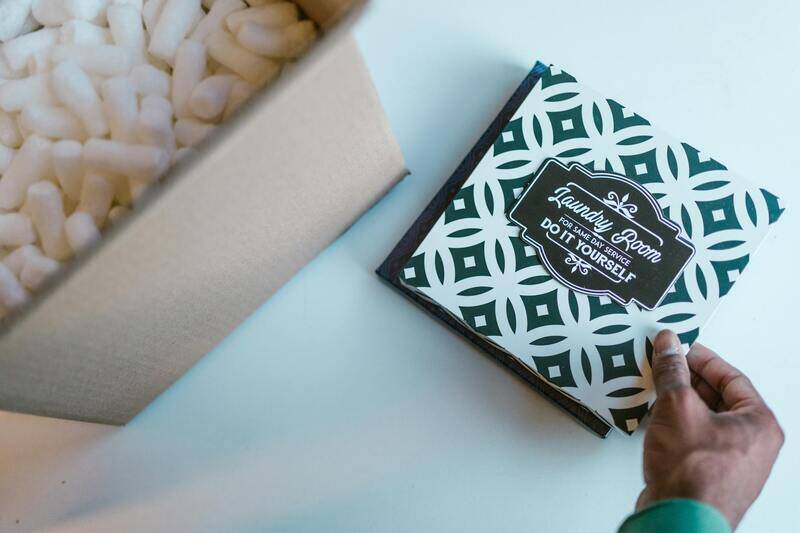
Offhand, the differences between amateur and professional printing are stark. While DIY or low-grade printing might suffice for internal drafts or casual distribution, professional brochure printing leverages advanced technology, specialized inks, and premium paper stocks to produce eye-catching, durable marketing collateral. From gloss and matte finishes to textured papers, each choice comes with strategic implications for the visual impact and tactile feel of your brochures.
Enlisting a reputable printing provider that specializes in professional brochure printing grants access to expert advice on customizing materials, choosing suitable finishes, and managing project timelines. This collaboration not only ensures that your brochure aligns with branding standards but also enhances the perceived value of your marketing material.
Material Selection and Its Impact
One of the most pivotal aspects of professional brochure printing is selecting the appropriate paper type and finishes. The paper's weight, texture, and coating influence a brochure's durability, appearance, and overall appeal. Heavier stocks like 130-170 gsm lend a sturdy feel, ideal for handing out at events or tradeshows, whereas lighter papers work well for mass mailing campaigns.
The finishes applied—such as gloss, matte, or satin—further refine the final look. Gloss finishes enhance vibrant colors and make images pop, while matte offers an elegant, non-reflective surface suitable for readable text and sophisticated aesthetics. Special finishes like spot UV coating add tactile contrast, emphasizing specific design elements, and can elevate your brochure's visual hierarchy.
Environmental Considerations and Sustainability
In today’s conscientious market environment, choosing eco-friendly materials and sustainable printing practices adds value to your brand. Many professional printers now offer recycled paper options and environmentally responsible inks. Using FSC-certified papers or vegetable-based inks not only reduces environmental impact but also resonates positively with eco-conscious consumers. This demonstrates your company’s commitment to sustainability while maintaining high-quality print standards.
Furthermore, professional printing companies often implement waste reduction practices and renewable energy sources during production, emphasizing efficiency and responsibility. Collaborating with providers that prioritize such initiatives can enhance your company's reputation and align with corporate social responsibility goals.
Visual Impact Through Finishes and Special Effects
A well-executed finish adds layers of sophistication, making your brochure stand out from competitors. Techniques such as embossing, debossing, foil stamping, and lamination can create memorable textures and visual accents that enhance engagement. For instance, foil stamping on headings or logo placements adds a metallic sheen that catches the eye, while textured finishes provide a tactile experience that invites interaction.
Incorporating these finishes requires precise application, which professional printers are equipped to handle. Their expertise ensures your design elements are enhanced correctly without compromising the structural integrity of the brochure. When thoughtfully integrated, finishes and special effects deepen the visual storytelling, bolster brand recognition, and deliver a premium feel that incites consumer trust.
Ensuring Color Consistency and High-Resolution Image Reproduction
Achieving vibrant, true-to-life colors and crisp images is paramount in professional brochure printing. To attain this, print providers utilize advanced color management systems that calibrate color profiles across all devices involved in the production process. This calibration ensures that the printed colors accurately reflect the hues envisioned during design, avoiding discrepancies that can diminish the brochure’s visual appeal.
High-resolution images are essential for maintaining clarity and detail. Files submitted for printing should typically be at least 300 DPI (dots per inch) to ensure sharpness without pixelation. Low-resolution images tend to appear blurry or pixelated upon printing, which detracts from the overall professionalism of the brochure. Therefore, it is crucial to work with high-quality images and to embed color profiles such as ICC profiles within design files.
Professional printers often employ proofing techniques, such as digital or offset proofs, to preview how colors and images will appear on the final print. This step allows for adjustments before the full run, safeguarding against costly errors and ensuring the final product aligns perfectly with brand standards.
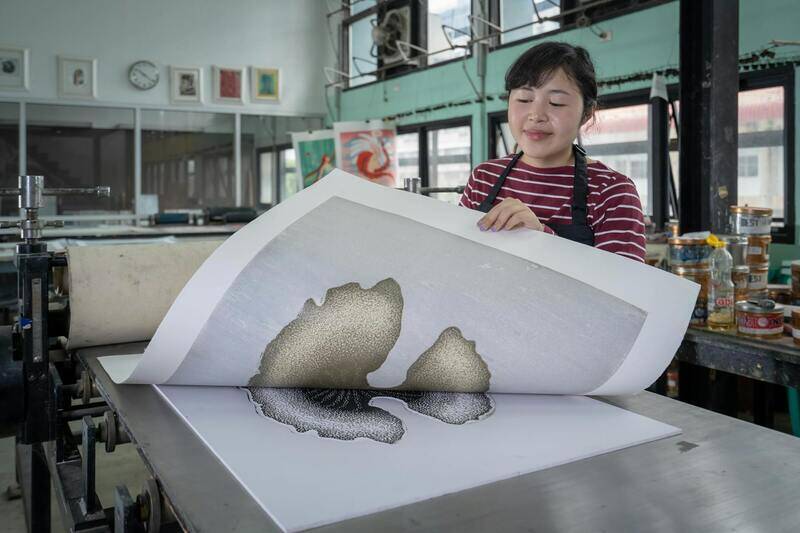

Strategies for Ensuring Accurate Color Reproduction and High-Quality Images
Achieving consistent and vibrant colors in your brochure is essential for maintaining brand integrity and attracting attention. Accurate color reproduction begins with proper color management during the design and printing phases. Designers should work within a standardized color space, such as Adobe RGB or sRGB, to ensure that colors appear as intended across different devices and print outputs. Utilizing calibrated monitors during the design process helps prevent discrepancies between on-screen visuals and printed results.
When preparing files for printing, it's crucial to embed ICC profiles and work with color-optimized images. High-resolution images, typically 300 DPI, are recommended to prevent pixelation and loss of detail. Proper image editing, including adjustments for brightness, contrast, and saturation, ensures clarity and vibrancy without over-saturation, which can lead to muddy or unnatural colors.
Moreover, selecting the right color mode—generally CMYK for printing—ensures that colors are accurately translated from digital designs to physical copies. Color proofs or sample prints serve as valuable tools for previewing how colors and images will appear on the final product. Engaging with a reputable printing service that offers proofing options helps identify and correct color issues early, saving time and costs associated with reprints.
Implementing Consistent Image Quality for Professional Results
Consistent image quality is fundamental to a polished brochure. Engineers and designers should utilize vector-based graphics for logos and icons, which provide scalability without loss of quality. Photographic elements should be sourced from high-quality providers or created with professional photography equipment to maintain sharpness and detail.
In addition to image resolution, appropriate compression and file formatting (such as TIFF or PNG) help preserve quality and prevent artifacts. Regular communication with your print provider regarding image specifications and proof approvals is essential to achieving a final product that aligns with your branding standards.
Ensuring Accurate Color Reproduction and Image Fidelity
One of the critical aspects of maintaining a professional look in brochure printing is strict color management. Selecting the right color profiles, primarily CMYK, facilitates consistent color reproduction from digital files to print. This process involves converting your digital designs, which are often created in RGB mode, into CMYK to match the printing inks accurately. Using color management tools within design software ensures that colors appear as intended across different devices and media.
Engaging in color proofing allows for a preview of how colors and images will look on the final product. Proofs can be physical samples or digital simulations provided by the printing service. This step is crucial for identifying any discrepancies before proceeding with the full run, thus preventing costly reprints and ensuring brand consistency.

Maintaining high image quality is equally essential, especially for photographic elements and detailed graphics. Utilizing high-resolution images (typically at least 300 DPI) prevents pixelation and ensures crisp visuals. Vector graphics for logos and icons are preferred because they scale seamlessly without loss of clarity, while raster images should be sourced at the highest quality possible.
Proper file formatting and compression techniques also contribute to preserving image fidelity. Formats such as TIFF and PNG are well-suited for print, as they retain detail without introducing artifacts. Clear communication with your chosen print provider about file specifications and proofing processes is pivotal in achieving a end result that meets your expectations.

Implementing Accurate Color Proofing and Quality Checks
Prior to the full production run, ordering color proofs or sample prints allows clients to verify color accuracy and overall appearance. This step ensures that color tones, saturation levels, and image details match the intended design. With professional brochure printing, proofing services are often offered as part of a comprehensive package, giving peace of mind before mass printing.
During this phase, any necessary adjustments—such as tweaking color balance or refining image sharpness—can be made to align the final product with branding standards. Regular quality checks throughout the printing process further guarantee consistency, catching issues early and preventing delays or reprints.
Ensuring Compliance and Authenticity in Professional Brochure Printing
Maintaining adherence to industry standards and regulatory guidelines is essential when engaging in professional brochure printing. This commitment not only guarantees that the final product meets quality benchmarks but also enhances your brand's credibility and trustworthiness in the marketplace. It is imperative to work with reputable printing providers who utilize authorized equipment, genuine materials, and approved ink and dye formulations, ensuring each brochure aligns with industry best practices.
Authentic printing methods encompass the use of certified presses that comply with environmental regulations and safety standards. These facilities uphold rigorous quality control protocols, such as ISO certifications and standard operating procedures, which help in delivering consistent and accurate print results. Choosing a provider with recognized credentials minimizes the risk of substandard outputs and ensures that your marketing collateral adheres to specified quality parameters.
Furthermore, legitimate print service providers employ official inks and substrates, which are tested for durability, colorfastness, and safety compliance. Ensuring that these materials are sourced from authorized suppliers guarantees that your brochures will withstand handling, environmental exposure, and the test of time, preserving your brand image effectively.
Verifying Supplier Credentials and Reputation
- Research Industry Accreditations: Look for affiliations with industry associations or certifications that validate operational standards.
- Request Sample Work: Examine physical samples or client portfolios to assess print quality and consistency.
- Check Client Testimonials: Evaluate reviews and feedback to gauge reliability and customer satisfaction levels.
- Assess Transparency: Reliable providers openly share their processes, material sources, and quality control measures.
Utilizing Secure and Authentic Materials
Using genuine, securely sourced substrates and inks ensures that your brochures are produced with integrity. These materials comply with safety standards and are less prone to issues such as color fading, smudging, or tearing. Authenticity in materials not only upholds your brand’s professionalism but also ensures compliance with environmental and safety regulations governing printing practices.
Engaging with providers who prioritize transparency in sourcing and authenticity can facilitate the production process, providing peace of mind that your printed materials are legally and ethically produced, and serve your branding goals effectively.