Types of Booklets Offered by Printing Companies
Booklet printing encompasses a wide array of formats designed to serve various commercial and promotional needs. Among the most common types are brochures, catalogs, and magazines, each tailored to specific purposes, audiences, and content structures. Brochures typically function as concise marketing tools, providing a snapshot of products or services. They are often folded into tri-fold or bi-fold designs for easy distribution and easy reading. Catalogs, on the other hand, serve as comprehensive showcases of a company's product range or services, often printed as saddle-stitched or perfect-bound booklets that can range from a few pages to several hundred. Magazines, with their glossy covers and frequent updates, are published regularly and often feature high-resolution images and detailed articles.
Different formats and binding options are available to cater to various requirements. Stapled booklets are suitable for shorter publications, while perfect binding or spiral binding provides a polished look for thicker materials. Sizes vary from standard dimensions such as A4 and A5 to custom sizes tailored to specific branding needs or design preferences. Not only do these options influence the aesthetic appeal of the final product, but they also impact usability and distribution.
Understanding the different formats available enables businesses and organizations to select the most appropriate booklet type to effectively communicate their message. From small compact brochures to large-scale catalogs, each format is designed to maximize impact and engagement with the target audience.
Types of Booklets Offered by Printing Companies
In the realm of professional printing services, a diverse range of booklet formats is available to meet various marketing, informational, and branding needs. Each type of booklet is tailored to specific purposes and audience preferences, incorporating distinct design and binding techniques to optimize presentation and usability.
Brochures stand out as concise promotional tools, often designed with a tri-fold or bi-fold layout that allows quick and efficient communication of key messages. These are ideal for product showcases, event promotions, or service introductions, typically printed on high-quality paper with vibrant color options to attract attention. Catalogs, contrasting smaller brochures, are more extensive and serve as comprehensive repositories of a company’s products or services. These are usually saddle-stitched or perfect-bound, enabling the inclusion of numerous pages while maintaining a professional appearance.
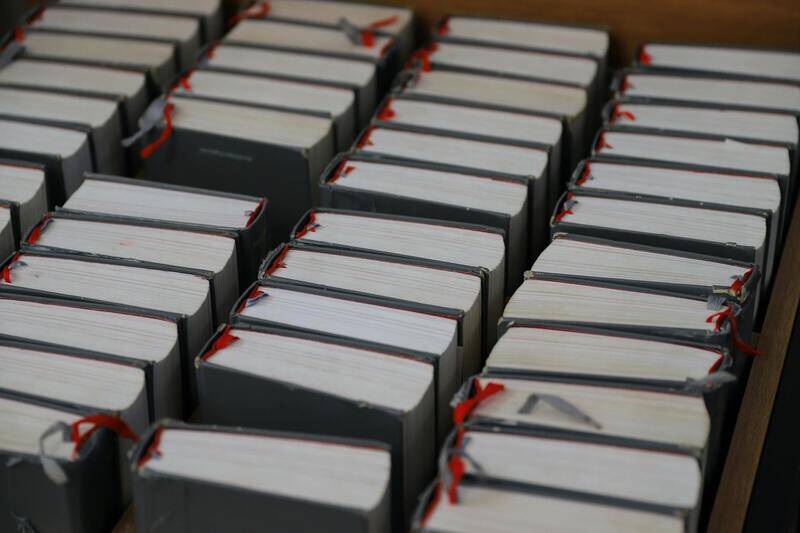
Magazines represent a specialized booklet type characterized by high-resolution imagery and glossy covers. They often feature editorial content, advertisements, and seasonal updates, catering to advertising campaigns or publication distributions for niche audiences. Magazines are typically saddle-stitched or perfect-bound, with larger dimensions and high-quality finishes that enhance visual appeal.
Binding styles and formats are chosen based on the intended longevity, appearance, and ease of distribution. For shorter runs or promotional material, staple or saddle-stitch binding offers affordability and simplicity, while perfect binding or spiral binding caters to longer, more durable formats. Size options span standard dimensions like A4 or A5, as well as custom sizes designed to align with branding strategies and design aesthetics.
Key Features and Customization Options
Modern booklet printing evolves through extensive customization to align with branding and communication strategies. Printing companies offer an array of paper choices, including matte, gloss, textured, and specialty papers that influence tactile and visual impressions. Binding styles can be tailored with options such as sewn bindings, perfect binding, spiral, or wire-o binding, each providing a different balance between durability and appearance.
Finishing touches are crucial for enhancing the final product. Options like spot UV coating, embossing, foiling, or lamination can be applied to add visual accents, protect the artwork, or improve handling. Sizes are adjustable, from standard formats to bespoke dimensions that suit specific design needs or space considerations. Custom trimming and folding techniques further allow for innovative layouts that draw attention and improve user interaction.
Factors to Consider When Choosing a Booklet Printing Company
Selecting an appropriate printing partner requires evaluating several critical factors to ensure quality, reliability, and value. A primary consideration is the company's expertise and experience in producing the specific type of booklet desired. Reviewing portfolios and past projects can provide insight into their capability to meet design specifications and quality standards.
Consistent quality assurance processes and adherence to industry standards are vital to achieving professional results. It's also important to consider the range of customization options available, such as paper types and binding styles, to match project requirements. Customer reviews, testimonials, and references can offer additional assurance of dependable service and customer satisfaction.
In addition, the company's ability to meet deadlines and handle logistics effectively impacts overall project timelines. Transparent pricing structures, detailed quotes, and flexible delivery options should align with budget constraints and distribution plans. Open communication channels and responsive customer support are equally important to facilitate smooth collaboration throughout the printing process.
Printing Technologies and Quality Assurance
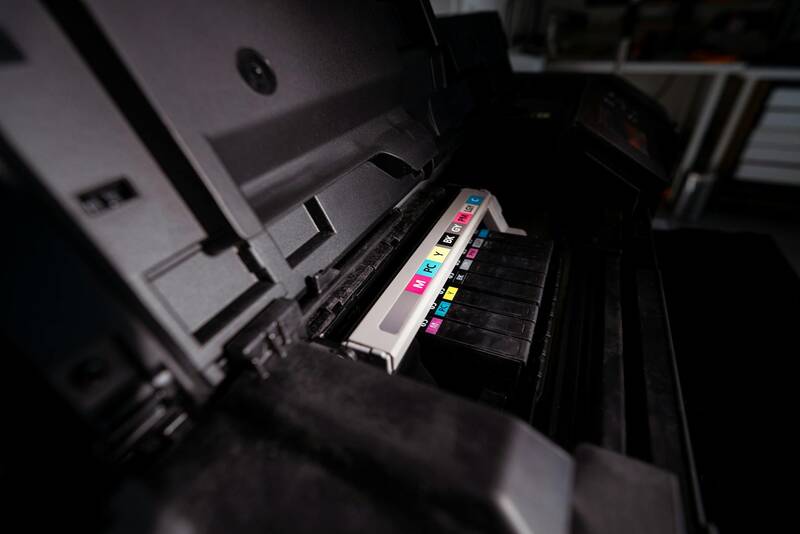
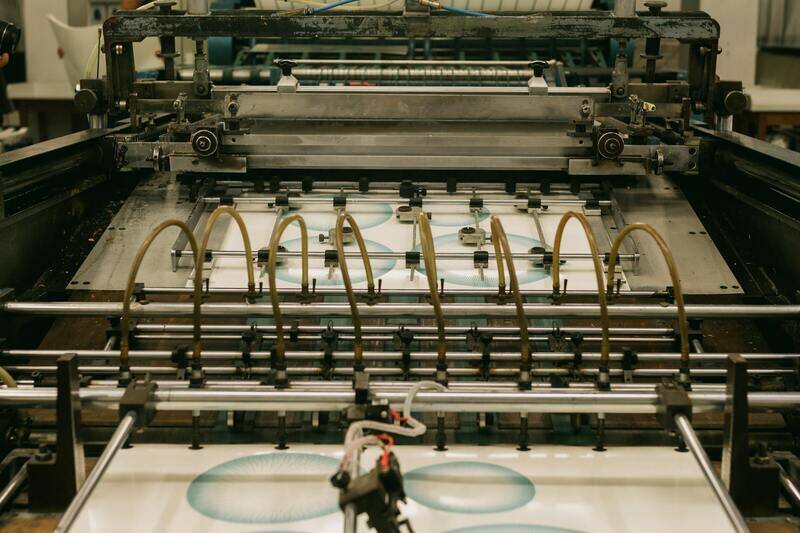
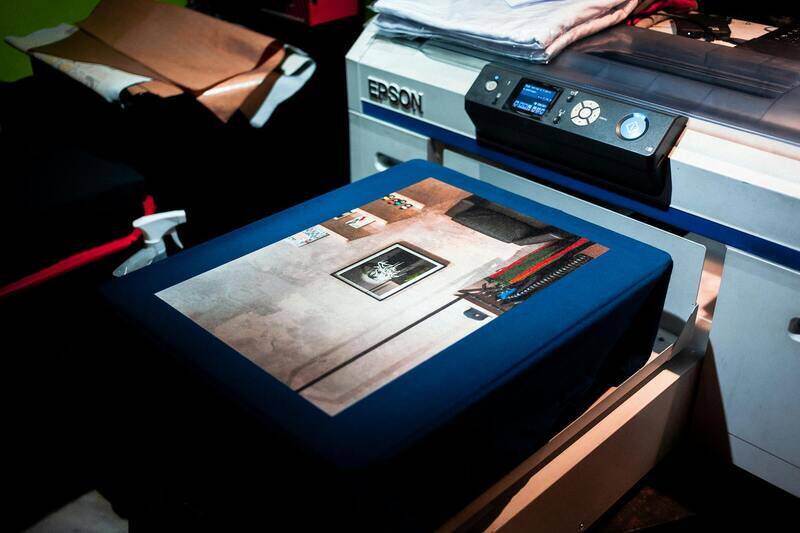
State-of-the-art printing technologies play a crucial role in delivering sharp images, accurate color reproduction, and durable finishes. Digital printing excels in short runs, personalized projects, and quick turnarounds, while offset printing remains the gold standard for high-volume, consistent, and premium-quality outputs. Many companies now utilize hybrid solutions that combine the advantages of both methods, ensuring versatility and cost-effectiveness.
Quality assurance involves rigorous checks during each production stage, from proofing and color calibration to finishing and packaging. High-resolution presses, automated colour control systems, and standardized calibration procedures contribute to maintaining uniformity across copies. Finished products undergo inspection to detect and rectify any defects before distribution, guaranteeing that clients receive flawless materials.
Pricing and Cost Factors
Pricing for booklet printing varies based on multiple parameters including page count, paper quality, binding style, and finish options. Bulk orders often benefit from volume discounts, making large projects more cost-effective. Additional costs may arise from customized features like special coatings, embossing, or unique fold lines.
Transparent quoting processes and itemized estimates are essential to understanding cost implications upfront. Comparing quotes from different vendors, considering the quality of materials and services offered, and evaluating the value added by each provider facilitate informed decisions aligned with budget constraints.
Lead Times and Delivery Options
Effective project management involves clear communication about lead times and delivery schedules. Standard turnaround times range from a few days to several weeks, depending on project scope and complexity. Rush orders are frequently accommodated, albeit at higher costs, to meet urgent deadlines.
Delivery methods can include doorstep shipping, courier services, or in-store pickup, providing flexibility based on client needs. Tracking options and progress updates ensure transparency and help coordinate distribution efforts efficiently.
Tips for Working with Booklet Printing Companies
Providing detailed, print-ready artwork aligned with technical specifications minimizes errors and revisions. Early communication regarding project scope, expectations, and deadlines fosters a smoother workflow. Reviewing proofs meticulously before approval ensures that colors, layout, and content are as intended.
Establishing a clear point of contact, maintaining ongoing dialogue, and clarifying any uncertainties about materials or processes are best practices. Regular updates and feedback facilitate adjustments and help achieve the desired final outcome.
Selecting the Best Booklet Printing Partner
Beyond assessing technical capabilities and costs, the ideal printing partner demonstrates a commitment to quality, customer service, and innovation. Expertise in handling various booklet types and a broad choice of customization options reflect their versatility and dedication to client satisfaction. Establishing a collaborative relationship with a trustworthy provider ensures that your printed materials consistently meet professional standards and project expectations.
Types of Booklets Offered by Printing Companies
Printing companies provide a diverse range of booklet formats to meet varying business and personal needs. Stapled booklets, often used for brochures and catalogs, are the most common type, featuring pages secured with saddle stitching. Perfect-bound booklets, which utilize a glue binding along the spine, offer a professional finish suitable for annual reports, menus, and training manuals. Additionally, spiral-bound booklets provide a lay-flat option, ideal for presentations, instruction manuals, and workbooks, enabling easy flipping of pages without damaging the spine.
Custom folded booklets serve versatile purposes, often used for invitations, event programs, or marketing collaterals, allowing creative layouts with multiple panels. Multifunctional formats like saddle-stitched combined with fold-ins or unique die-cut shapes can further enhance visual appeal. Booklet printers often cater to specific size requirements, ranging from standard A4 and A5 to customized dimensions that align with branding guidelines or project specifications. The choice of paper stock varies, including options such as gloss, matte, or silk finishes, each imparting a distinct tactile and visual quality intended to resonate with the target audience.

Key Features and Customization Options
Booklet printing companies distinguish themselves through an array of customization features that cater to unique branding and presentation needs. These include:
- Cover Design & Material: Choices range from durable cardstock to soft covers, with finishes like matte, gloss, or UV coating to enhance durability and aesthetics.
- Page Count & Binding: Options include saddle stitch, perfect binding, spiral binding, or square folding, tailoring the booklet’s structure to its purpose and length.
- Printing Techniques: Standard full-color CMYK printing is common, but spot UV coating, embossing, or foil stamping can add premium effects.
- Size & Orientation: Custom sizes and orientations enable fitting content seamlessly within design constraints and style preferences.
- Design Flexibility: Incorporate die-cut windows, perforations, or interactive elements like QR codes to engage readers and communicate effectively.
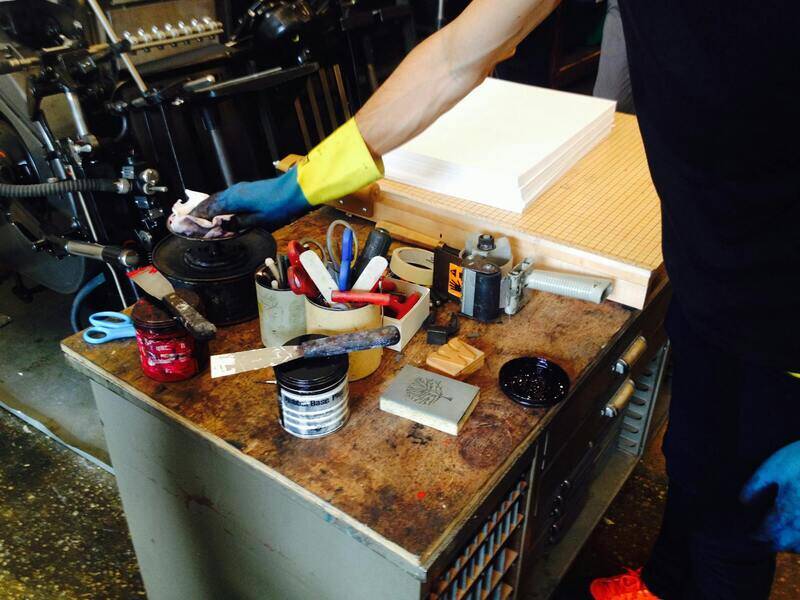
Leading print providers also offer digital proofs and sample kits to preview the final product, ensuring the output aligns with client expectations prior to mass production. With advanced digital and offset printing technologies, companies can maintain consistent color accuracy and sharp image reproduction across large quantities.
Types of Booklets Offered by Printing Companies
Booklet printing companies in Singapore provide a diverse range of options to meet various business and personal needs. The most common types include saddle-stitched booklets, perfect-bound documents, spiral notebooks, and fold-out brochures. Each type serves distinct purposes and offers unique advantages.
Saddle-stitch booklets are especially popular for brochures, event programs, and catalogs due to their affordability and ease of binding for smaller page counts, typically up to 48 pages. Perfect binding, often used for thicker publications like annual reports and magazines, provides a clean, professional appearance with a durable spine. Spiral binding is ideal for manuals, workbooks, or planners, allowing the booklet to lay flat for ease of use. Fold-out booklets or brochures, involving multiple folding techniques, are effective for marketing campaigns that require engaging, compact presentations.

Understanding the specific applications of each booklet type allows businesses to select the most suitable option that maximizes their communication impact, durability, and cost-effectiveness. Leading printing companies are equipped to produce custom sizes and configurations, accommodating bespoke projects that demand unique formats or special features.
Key Features and Customization Options
Customization plays a vital role in transforming standard booklets into compelling marketing or informational materials. Printservice Singapore emphasizes a comprehensive array of personalization features designed to meet diverse branding needs and aesthetic preferences.
- Cover Design & Material: Options range from premium cardstock, textured finishes, to soft covers with matte, gloss, or UV coatings, enhancing tactile appeal and protection.
- Page Count & Binding: Choices include saddle stitch, perfect binding, spiral binding, or unique methods like square folding, each suited to specific content length and style.
- Printing Techniques: Standard CMYK printing is complemented with techniques such as spot UV coating, embossing, or foil stamping, elevating visual impact.
- Size & Orientation: Custom dimensions and orientations ensure the final product aligns perfectly with design specifications and target presentation.
- Design Flexibility: Interactive elements like QR codes, perforations, and die-cut windows enhance engagement and functionality of the booklet.
Advanced digital and offset printing techniques enable meticulous color accuracy and sharp image reproduction across large runs, ensuring consistency from the first to the last copy. Sample kits and proofs allow clients to review layouts and finishes beforehand, reducing revisions and ensuring satisfaction.
Factors to Consider When Choosing a Booklet Printing Company
Selecting the right printing partner involves evaluating several core criteria to ensure quality, reliability, and value. Important considerations include the company's experience in producing the desired booklet type, reputation for quality, turnaround times, and the range of available services.
- Expertise and Portfolio: A proven track record of delivering diverse booklet projects indicates competence and versatility.
- Quality Assurance Processes: Look for companies that implement rigorous quality checks, use up-to-date equipment, and adhere to industry standards.
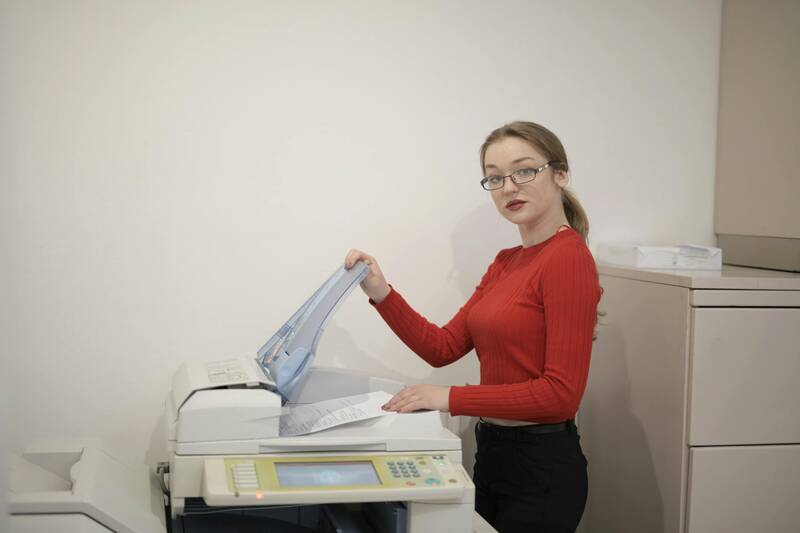
- Technological Capabilities: Advanced digital and offset presses ensure high-quality output with consistent color accuracy and sharp images.
- Customer Support and Communication: Responsive communication and transparency during the design, proofing, and production phases streamline the process.
- Pricing and Flexibility: Competitive pricing models combined with flexibility in order quantities and delivery options enhance value for money.
Additionally, reviews and testimonials from previous clients can provide insights into the company's reliability and quality standards, assisting in making an informed decision for your booklet printing needs.
Types of Booklets Offered by Printing Companies
Booklet printing companies provide a diverse array of booklet types tailored to various business and personal needs. These range from basic saddle-stitched brochures and small-scale pamphlets to large, fold-out catalogs and multi-section booklets with complex binding requirements. Common formats include saddle-stitched booklets, perfect-bound catalogs, wire-bound manuals, and spiral-bound presentation booklets. Each type serves different purposes, with specific advantages in accessibility, durability, and presentation. For instance, saddle-stitched options are cost-effective for shorter runs and easy to handle, while perfect binding offers a more polished, book-like appearance suitable for longer publications or high-end marketing materials.
Key Features and Customization Options
Modern booklet printing incorporates a broad spectrum of customization features that enhance the visual appeal and functional utility of printed materials. Choices include various paper stocks, finishes, and binding styles to align with brand identity or presentation goals. Coatings such as matte, gloss, or soft-touch can add tactile appeal, while specialty papers and textures contribute to a unique feel. Additionally, customization extends to inserting pockets, die cuts, foil stamping, embossing, and tailored cover treatments. These options enable clients to create distinctive booklets that stand out in competitive environments and effectively convey brand messages.

Factors to Consider When Choosing a Booklet Printing Company
Choosing an appropriate partner for booklet printing entails evaluating several critical aspects. Experience in producing specific booklet types ensures familiarity with technical requirements and quality standards. Reviewing the company's portfolio provides insight into their versatility and design capabilities. The company's adherence to stringent quality assurance protocols, including regular equipment maintenance and quality checks, reflects their commitment to delivering reliable results. Advanced technological infrastructure, such as digital and offset presses, guarantees consistent color fidelity and sharp imagery.
Effective communication and transparent processes during design and production reduce misunderstandings and streamline project completion. Flexible pricing and delivery options accommodate various budgets and deadlines, adding to overall value. Verified customer feedback through reviews or testimonials offers additional assurance regarding the company's reliability and level of service excellence.
Importance of Technological Capabilities
State-of-the-art printing equipment ensures high-resolution output, precise color matching, and quick turnaround times. Digital presses are particularly effective for short runs or personalized print jobs, providing flexibility and cost-efficiency. Offset presses, on the other hand, excel at large-volume orders, maintaining consistency across extensive print runs. Employing modern technology allows printing companies to implement robust quality assurance processes, ensuring each booklet meets exact specifications and quality benchmarks.
Pricing and Cost Factors
Understanding the elements that influence booklet printing costs guides clients toward optimal budget management. The print quantity directly impacts unit costs, with larger orders typically commanding lower per-unit prices. Customization options such as premium paper types, special finishes, unique binding methods, and special features like die cuts or embossing can significantly increase costs. The choice of paper stock also plays a role, with heavier, textured, or specialty papers contributing to higher expenses. Finishing techniques like foil stamping or varnishes add further cost considerations, so balancing desired quality with budget constraints is essential for achieving the best results.
Types of Booklets Offered by Printing Companies
Printing companies provide a diverse range of booklet formats designed to meet various promotional, informational, and educational needs. Standard options often include saddle-stitched booklets, perfect-bound booklets, and spiral-bound formats. Saddle-stitching involves folding sheets and securing them with staples along the spine, making it ideal for smaller page counts and providing a clean, professional look. Perfect binding, which involves gluing the pages along the spine and attaching a sturdy cover, is preferred for thicker booklets, offering a refined appearance suitable for catalogs or annual reports. Spiral binding, featuring wire or plastic coils, allows the booklet to lay flat when opened, suitable for manuals, guides, or presentation materials. Custom formats such as lay-flat binding or gatefold spreads can also be tailored to specific design requirements, ensuring each booklet aligns with its intended purpose and audience.
Key Features and Customization Options
Booklet printing companies offer extensive customization options to enhance the visual appeal and functionality of printed materials. Paper selection is a primary consideration, with choices ranging from gloss, matte, and satin finishes to textured or recycled papers, each adding a unique tactile quality. Custom covers with finishes like spot UV coating, foil stamping, or embossing can elevate the perceived value of the booklet. Inside pages can be tailored with different paper weights and thicknesses, including specialty options such as translucent or metallic paper for specific design effects. Binding methods can be customized with options like wire-o binding or thread sewing to ensure durability, especially for interactive or frequently handled booklets. Additionally, finishing touches such as rounded corners, die cuts, or fold-out sections allow for creative control, ensuring the final product aligns seamlessly with branding and design goals.

Factors to Consider When Choosing a Booklet Printing Company
Selecting the right printing partner involves evaluating multiple critical factors to guarantee a successful outcome. Experience and reputation within the industry serve as reliable indicators of consistent quality and professionalism. A company's portfolio and sample projects provide insight into their capabilities and aesthetic standards. Turnaround times are crucial, especially for projects with tight deadlines, so confirming lead times and availability of expedited services is necessary. Technical expertise and technological capabilities also play a vital role; companies equipped with advanced printing presses and quality assurance processes can better ensure high-resolution output with accurate color reproduction. Customer service and communication are equally important, as transparent dialogue can prevent misunderstandings and facilitate smooth project execution. Finally, transparency in pricing, including detailed quotes and understanding of costs associated with customization, helps in budget planning and ensures alignment with project expectations.

Printing Technologies and Quality Assurance
Modern booklet printing relies heavily on advanced printing technologies to deliver crisp, vibrant, and consistent results. Digital presses are favored for short runs and personalized projects, offering fast turnaround times and flexible customization options. In contrast, offset printing remains the standard for large-volume orders, providing high-quality output with cost efficiency and color accuracy. Ensuring consistent quality across all copies involves rigorous quality assurance procedures, including color management systems and regular calibration of equipment. Some companies implement proofing processes, such as digital or hard copy proofs, allowing clients to review the output before the full run begins. These steps help catch potential discrepancies early, minimizing waste and reprint costs. Incorporating UV coating, lamination, or foil stamping into the technology mix further enhances durability and aesthetic appeal, making each booklet not only visually impressive but also resilient to handling and environmental factors.

Pricing and Cost Factors
Understanding the variables influencing booklet printing costs enables better budgeting and project planning. The number of copies significantly impacts unit costs; larger quantities typically benefit from economies of scale, reducing the price per booklet. The complexity of design, such as the inclusion of specialty finishes, unique binding, or custom paper types, can elevate overall costs. Additionally, paper quality and stock choice play a critical role; premium, textured, or environmentally friendly papers tend to be more expensive. Finishing techniques like embossing, foil stamping, or spot UV coating add a layer of sophistication but also increase expenses. Turnaround time can influence costs, with expedited services generally commanding higher fees. Transparent pricing structures that detail these elements help clients make informed decisions, ensuring the final product meets both quality expectations and budget constraints.
Types of Booklets Offered by Printing Companies
printservicesingapore.com offers a diverse range of booklet printing options tailored to meet various business and personal needs. Standard booklets include saddle-stitched brochures, perfect-bound catalogs, coil-bound manuals, and stapled flyers. Saddle stitching involves folding sheets and sewing them through the spine with staples, ideal for thinner booklets such as event programs or product guides. Perfect binding, on the other hand, uses glue to join the pages to the cover, suitable for thicker publications like annual reports or comprehensive catalogs that require a professional look. Other specialized options include wire-o binding for easy page turning, offering durability and a polished appearance for menus or planners. Spiral-bound booklets provide flexibility, making them perfect for educational handouts or presentation materials. Additionally, some companies provide eco-friendly options with recycled paper and soy-based inks to support sustainable practices.

Key Features and Customization Options
Modern printing companies emphasize flexibility in customization to align with branding requirements and aesthetic preferences. Options frequently include custom paper stocks, from gloss, matte, to textured finishes, enhancing tactile appeal and visual impact. Variable data printing facilitates personalized content, such as customized messaging or targeted marketing messages within each booklet. Finishing touches like UV coating, lamination, embossing, foil stamping, and spot UV are frequently available. These enhancements not only improve the visual quality but also bolster the durability of the printed material, protecting it from wear and environmental factors. Designers can choose from a variety of binding styles, including saddle, perfect, or comb binding, each offering different levels of durability and presentation. Additionally, incorporating unique folding patterns, die-cut features, or embossed elements allows businesses to create eye-catching and distinctive materials that effectively communicate their message and stand out in competitive markets.

Factors to Consider When Choosing a Booklet Printing Company
Selecting the right partner for booklet printing involves several key considerations. First, evaluate the company's portfolio and experience; a track record of high-quality work and diverse project types indicates reliability and expertise. Assess their ability to meet your specific needs, whether that involves particular binding styles, paper types, or finishing techniques. Next, investigate their customer service approach, including responsiveness, willingness to provide samples, and flexibility in accommodating custom requests. Transparent communication ensures that project expectations are clearly defined and any potential issues are addressed proactively. Cost competitiveness is vital, but it should be balanced with quality assurance. Request detailed quotes that breakdown costs for different options, including paper quality, finishing, and delivery. Also, consider the company's capacity for large-volume orders and their ability to adhere to deadlines. An environmentally conscious approach might also be important. Verify their use of sustainable materials and eco-friendly printing practices, aligning your projects with corporate social responsibility goals.

Printing Technologies and Quality Assurance
Leading booklet printing companies in Singapore employ advanced printing technologies, such as digital, lithographic, and UV offset printing, depending on project scope and quality requirements. Digital printing offers quick turnaround times and cost-efficiency for smaller runs, with excellent options for variable data printing. Lithographic or offset printing provides high-quality, consistent color reproduction and is ideal for larger quantities. Quality assurance measures include rigorous color calibration processes, regular equipment maintenance, and comprehensive proofing stages. Clients are often provided with digital or physical proofs, enabling approval before the final print run begins, reducing errors and reprints. The adoption of sophisticated finishing equipment ensures precise die-cutting, embossing, foil stamping, and coating applications. These processes can be monitored closely to guarantee consistency and craftsmanship, which uphold the visual integrity and lifespan of the finished product. Consistent quality control protocols and adherence to industry standards ensure that each booklet meets defined standards of clarity, vibrancy, and durability.
Official and Reliable Methods for Booklet Printing in Singapore
For organizations seeking to produce high-quality, durable booklets, selecting reputable printing companies that adhere to well-defined operational standards is essential. These companies utilize a combination of advanced technology, stringent quality controls, and transparent processes to ensure that every print project aligns with industry best practices and customer expectations. Their approaches focus on delivering consistent results, maintaining compliance with industry standards, and providing sustainable options that align with corporate social responsibility initiatives.

Established Printing Technologies and Standardized Protocols
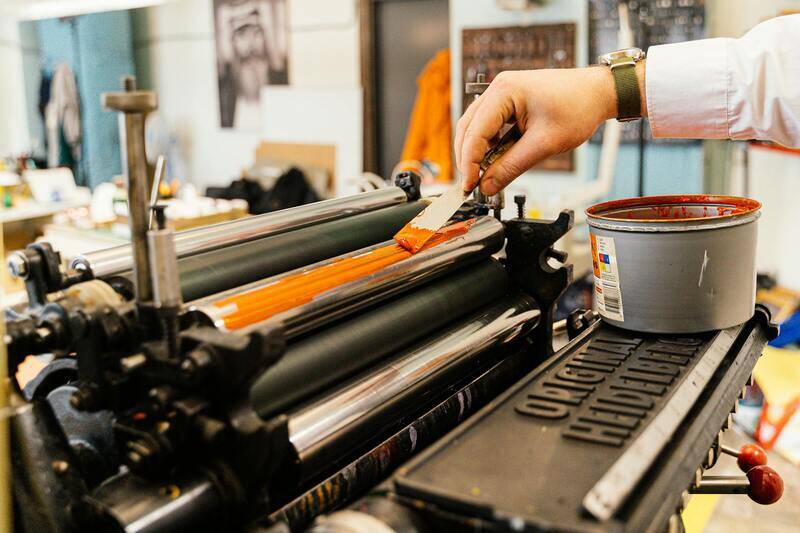
Leading providers employ established printing methods such as digital printing, lithographic, and UV offset printing, each suitable for different volumes and quality requirements. Digital printing is commonly used for short runs and projects requiring quick turnaround, utilizing computer-to-plate technology that minimizes setup times and allows for flexible modifications. Lithographic printing, renowned for its precision and high-volume efficiency, is suited for larger orders, delivering consistent color quality and detail fidelity. UV offset printing offers additional durability and vibrancy, making it ideal for projects that demand long-lasting visual impact.
Alongside technological deployment, systematic quality assurance measures are implemented to uphold standards. These include:
- Rigorous color calibration to ensure color accuracy across print batches
- Regular maintenance and calibration of printing equipment
- Multiple stages of proofing, including digital proofs and printed samples for client approval
- Comprehensive inspection protocols during and after printing to identify and correct issues
Such measures help minimize errors, reduce waste, and ensure the final booklet output matches approved specifications, thereby reinforcing trust in the printing process and output quality.
Finishing Processes and Quality Control Mechanisms
The application of advanced finishing techniques further enhances the durability and aesthetic appeal of printed booklets. Modern printing companies incorporate features such as die-cutting, embossing, foil stamping, and various coating options (matte, gloss, soft-touch), which are meticulously monitored through controlled environments and precise machinery. Continuous process validation ensures each finished piece maintains a consistent appearance and structural integrity, meeting the detailed demands of clients.
Choosing a Booklet Printing Partner
When selecting a printing company, organizations should examine several critical aspects:
- Technical Capabilities: Confirm the range of available printing methods and finishing options to match project needs.
- Industry Experience: Evaluate the company’s track record, especially with similar projects to ensure familiarity with required standards.
- Quality Certifications: Look for adherence to recognized quality assurance programs and standards that demonstrate operational competence.
- Sustainability Practices: Consider companies that implement environmentally friendly practices such as using recycled materials or eco-friendly inks, aligning with responsible business goals.
- Customer Service and Transparency: Choose partners that offer clear communication, detailed quotations, and a transparent workflow from concept to delivery.
Adherence to Legal and Industry Guidelines
Reputable booklet printing entities strictly follow legal frameworks and industry guidelines that govern intellectual property, advertising standards, and environmental obligations. These companies maintain proper licensing, use licensed materials, and comply with safety regulations. They also ensure accurate representation of content, preventing intellectual property infringements or misrepresentations, which is critical when producing promotional or informational material.
Ensuring Ethical Business Practices
Partnering with companies committed to transparency and ethical standards guarantees a smooth production process. Such entities offer comprehensive project consultations, clearly defined terms, and detailed service agreements, which include aspects like data handling, order confidentiality, and delivery commitments. This investment in integrity maximizes client confidence and project success.
By relying on established methods, recognized standards, and transparent operations, organizations can confidently utilize booklet printing companies that provide high-quality, responsibly produced products in Singapore.