Comprehensive Guide to Brochure Printing Services
Types of Brochures and Printing Options
Choosing the right brochure for your marketing campaign involves understanding the variety of formats and printing techniques available. Different types of brochures are designed to cater to specific business needs, branding goals, and target audiences. The most common formats include bi-fold, tri-fold, Z-fold, and gatefold brochures, each offering unique advantages in layout and presentation.
Bi-fold brochures are straightforward, with two panels that fold in half, making them ideal for concise messaging and clean design. Tri-fold brochures, separated into three panels, are versatile and popular for product catalogs, service menus, and informational pamphlets. Z-fold brochures open into multiple sections, providing ample space to detail complex information or features. Gatefold brochures feature large front panels that open to reveal interior content, perfect for high-impact visuals and storytelling.
When it comes to printing options, digital and offset printing are predominant. Digital printing allows for shorter runs, quick turnaround times, and cost efficiency for small batches. Offset printing, on the other hand, is suited for larger quantities, offering superior color quality and consistency. Techniques such as spot UV coating, embossing, or foil stamping can add tactile and visual enhancements, elevating your brochure’s appearance.

Design Considerations for Effective Brochures
Creating an impactful brochure requires thoughtful attention to design elements that effectively communicate your message while capturing the audience’s interest. Essential aspects include layout, visual hierarchy, typography, and imagery. A clean, organized layout ensures that information flows logically, guiding readers seamlessly through key points. Consistent use of colors aligned with your brand identity reinforces recognition and creates visual harmony.
Typography plays a vital role in readability and brand personality. Choosing clear, professional fonts in appropriate sizes helps prevent clutter and ensures that important details stand out. Incorporate headings, subheadings, and bullet points to break up content, making it easier for viewers to scan and absorb information.
Visual elements, such as high-quality images and icons, should complement the textual content without overwhelming the design. Effective imagery enhances storytelling, showcases products, and evokes emotional responses. The strategic placement of visuals and text maintains balance and ensures that each element serves a purpose.
Additionally, incorporating white space effectively prevents the design from appearing overcrowded and enhances overall readability. The layout must be versatile across different formats and sizes, especially when considering various brochure folding styles, such as bi-fold, tri-fold, or Z-fold.

Another critical factor involves the choice of color schemes and contrast. Strong contrast between text and background improves legibility, while strategic color usage can direct attention to focal points or calls to action. Consider the emotional response and brand alignment when selecting these elements.
Furthermore, embracing a consistent style across all design elements enhances brand cohesion. This includes uniform font choices, color palettes, and graphic styles. High standards of professionalism in design reflect the credibility of your business and foster trust with your target audience.

On the technical side, an optimal resolution for images and graphics is essential to ensure crisp printing quality. Vector graphics are preferred for logos and icons to maintain clarity regardless of size adjustments. The final file should be prepared according to printer specifications, often including bleed margins and CMYK color settings.
By paying close attention to these design considerations, businesses can craft brochures that are not only visually appealing but also highly effective in conveying their key messages, engaging readers, and encouraging desired actions. Collaborating with experienced designers or utilizing professional printing services with in-house design expertise can further streamline this process, ensuring a polished and professional final product.
Material and Finish Choices
Selecting the appropriate material and finish is essential to creating a brochure that not only feels premium but also withstands handling over time. The type of paper stock used can significantly influence the brochure's overall impression—ranging from lightweight, glossy finishes to thick, matte textures. Glossy paper enhances vibrant colors and sharp images, making it ideal for visually-driven brochures, while matte finishes offer a sophisticated look with reduced glare, suitable for text-heavy layouts.
Coatings and finishes further refine the brochure's appearance and durability. UV coatings provide a high-gloss, protective layer that resists scratches and stains, ideal for brochures exposed to frequent handling or outdoor environments. Soft-touch coatings, on the other hand, create a velvety surface that invites tactile interaction, elevating the perceived quality of your marketing materials. Additionally, embossing or spot UV accents can highlight key design elements or logos, adding a layer of sophistication and visual interest.
When choosing materials, consider factors such as weight, texture, and finish in relation to your target audience and distribution method. Heavier stock typically conveys higher quality but may also incur higher printing and mailing costs. Consulting with professional printers can help determine the best options aligned with your branding goals and budget constraints.
Pricing and Cost Factors
Brochure printing costs are influenced by multiple aspects, including the quantity ordered, paper quality, print complexity, and finishing options. Larger print runs often benefit from economies of scale, resulting in lower per-unit costs. Conversely, smaller quantities or highly customized finishes can significantly increase the price per brochure.
File design complexity and color requirements—such as full-color printing versus black-and-white—also impact overall cost. High-resolution images and specialized coatings may require additional setup or particular printing techniques, which can add to expenses. It's advisable to obtain detailed quotes from reputable printing services that specify all involved charges, helping you make informed decisions aligned with your campaign budget.
Turnaround Time and Delivery
Efficient turnaround times are crucial for meeting marketing deadlines and campaign launches. Many professional printing services offer various options, from standard production schedules to expedited services for urgent needs. The typical turnaround for a standard brochure printing job ranges from 3 to 7 business days, depending on order size, complexity, and finishing requirements.
Reliable delivery options include courier services with tracking capabilities, ensuring the brochures arrive intact and on time. Some providers may also offer local pickup or distribution services, which can streamline the process and reduce transit delays. When planning your project, confirm the estimated production and delivery timelines with your chosen service to align with your overall marketing schedule.
Environmental Sustainability in Brochure Printing
Many print providers now prioritize eco-friendly practices by offering recycled paper stocks and vegetable-based inks. These environmentally conscious options reduce the carbon footprint and minimize harmful chemical usage without compromising print quality. Certifications such as FSC (Forest Stewardship Council) or PEFC (Programme for the Endorsement of Forest Certification) further attest to sustainable sourcing practices.
Choosing a printer committed to sustainability not only enhances your brand's environmental responsibility but can also appeal to eco-aware consumers. Discuss sustainable options with your printing partner to identify solutions that balance quality, cost, and ecological considerations.
How to Choose a Reliable Brochure Printing Service
To ensure a successful print project, it's important to select a service provider with proven expertise, transparent pricing, and quality guarantees. Look for reviews or testimonials from other clients to gauge reliability. Assess whether the printer has the necessary certifications, state-of-the-art equipment, and a clear portfolio demonstrating their capability to produce high-quality brochures.
Effective communication and responsive customer service are also vital; they ensure your specifications are understood and met throughout the process. Request sample materials or proofing options before final printing to review color accuracy and design fidelity. A reputable printer will guide you through material choices, finishing options, and delivery arrangements, all tailored to your specific requirements.
Benefits of Using Professional Brochure Printing Services
Partnering with experienced printing professionals ensures your brochures meet high standards of quality and consistency. These services leverage advanced technology, skilled craftsmanship, and industry knowledge to produce visually compelling materials that accurately represent your brand. Professional printers can accommodate custom sizes, special finishes, and complex designs that might be challenging to replicate with home or office printers.
Moreover, professional printing providers often offer comprehensive support, from design assistance to advice on materials and finishes, streamlining the entire production process. The result is a cohesive, polished brochure designed to captivate your target audience, effectively communicate your message, and support your marketing objectives.
Material and Finish Choices
The selection of materials and finishes plays a pivotal role in enhancing the visual appeal and durability of your brochures. High-quality paper stocks can significantly impact the tactile experience and perceived value. Options range from standard gloss and matte finishes to premium textured and silk-coated papers. For brochures that require a luxurious feel, utilizing heavier stocks such as 300gsm or above can emphasize quality and sturdiness.

Choosing the Right Material
- Standard Coated Paper: Cost-effective with a smooth surface ideal for vibrant color printing.
- Uncoated Paper: Offers a natural, matte finish suitable for elegant or understated designs.
- Textured Paper: Adds a tactile element, such as linen or felt textures, to create a unique feel.
- Recycled Paper: Environmentally friendly option that appeals to sustainability-minded audiences.
Finish Options for Enhanced Appeal
- Gloss Finish: Provides a shiny, reflective surface that enhances color vibrancy and details.
- Matte Finish: Offers a muted, subdued appearance with reduced glare, ideal for a sophisticated look.
- Satin Finish: Balances shine and matte qualities for a smooth, elegant surface.
- UV Coating: Adds a durable, high-gloss protective layer that resists fingerprints and scratches.
- Spot UV: Special coating applied selectively to highlight specific areas or logos.
Moreover, embossing and foil stamping can introduce tactile and visual accents that make your brochure stand out further. Consultation with printing professionals can help identify the best combination of materials and finishes aligned with your branding and message.
Material and Finish Choices
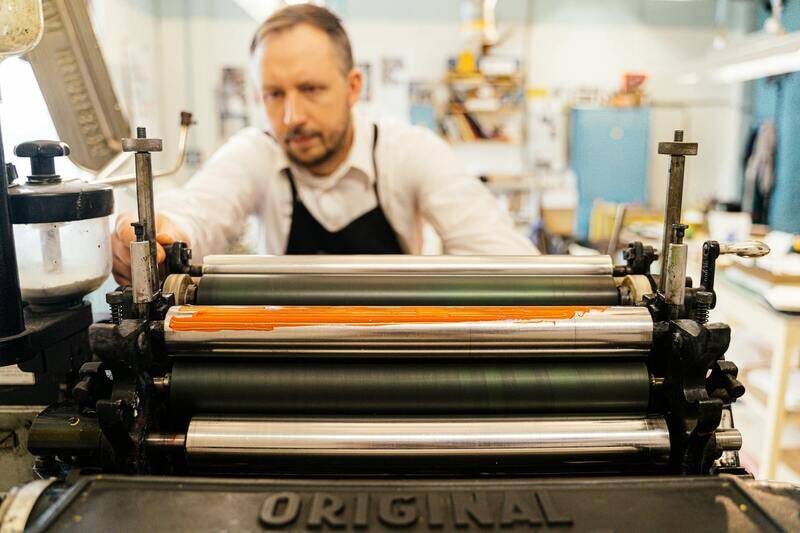
To elevate the visual appeal and durability of your brochures, selecting the appropriate material and finish is crucial. Standard coated papers, such as gloss or matte finishes, serve as versatile options that cater to a broad range of design needs and budgets. Gloss finishes amplify vibrant colors and intricate details, making images pop with clarity, which is ideal for brochures emphasizing product visuals and high-impact imagery.
Uncoated papers, on the other hand, provide a natural, subdued aesthetic that complements minimalist and elegant designs. Their matte surface reduces glare, making text easier to read and adding a touch of sophistication.
For brochures that aim to leave a tactile impression, textured papers, such as linen or felt finishes, introduce tangible depth and a distinguished feel. These are especially suitable for luxury branding or specialized marketing pieces where sensory experience enhances perceived value.
Environmentally conscious brands may opt for recycled paper options, which offer sustainability benefits while maintaining a professional appearance. Recycled papers are available in various textures and finishes, ensuring compatibility with most design intents.
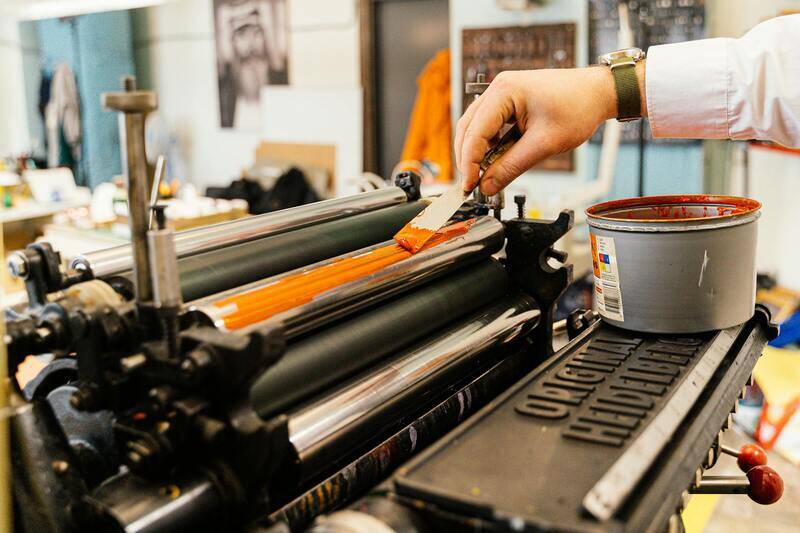
Finish options serve as the final touch that transforms a printed brochure. Gloss coatings produce a shiny surface that accentuates colors and details, perfect for vibrant, eye-catching designs. Matte finishes lend a sophisticated, muted look that minimizes reflections, ideal for elegant or professional presentations.
Satin finishes strike a balance between gloss and matte, offering a smooth surface with subtle sheen, suitable for versatile applications. UV coatings provide added durability and gloss protection, ensuring your brochure withstands handling and environmental factors.
Selective spot UV coatings can be used to highlight logos or specific design elements, creating visual contrasts that draw attention. Embossing and foil stamping are additional techniques to impart tactile and visual distinction—embossed areas can add depth, while foil accents introduce metallic sheen for a luxurious effect.
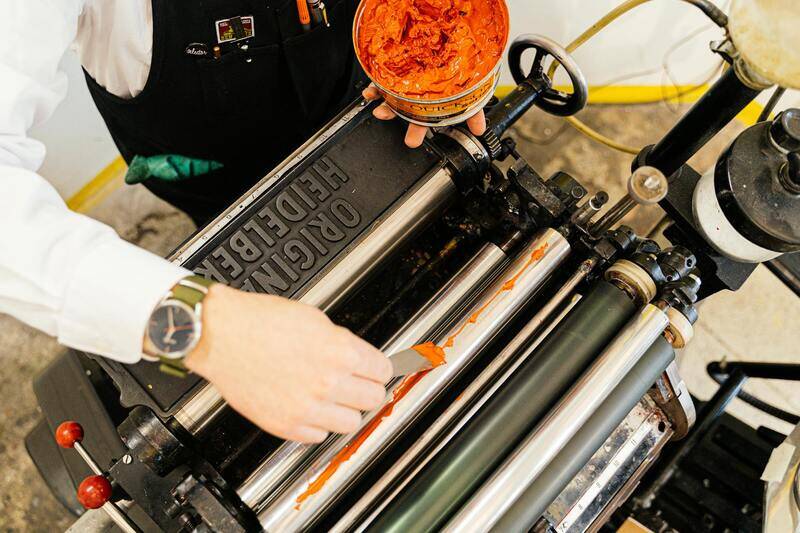
Collaborating with experienced printing professionals ensures the optimal combination of materials and finishes to match your branding objectives, message, and budget. Proper selection not only enhances aesthetic appeal but also improves the lifespan and handling of your brochures.
Types of Brochures and Printing Options
Brochures come in a variety of formats tailored to different marketing needs and design preferences. Common types include bi-fold, tri-fold, z-fold, booklet-style, and gate-fold brochures. Each format offers unique ways to organize content and engage readers effectively.
When selecting a printing option, consider the durability and visual impact desired. Popular printing techniques include digital printing, offset printing, and large-format printing. Digital printing is ideal for short runs with quick turnaround times, providing high-quality images with cost efficiency. Offset printing suits larger quantities, delivering sharp color accuracy and consistency across batches. Large-format printing is suitable for oversized brochures or display materials meant for prominent presentation.
Print Quality and Color Fidelity
High-resolution printing with vibrant color reproduction is essential for capturing attention and conveying professionalism. Techniques like spot color and CMYK printing enable precise color matching, ensuring your brand’s visual identity is accurately represented. Special effects such as UV coating, matte finish, or gloss can be applied to enhance visual appeal and tactile experience.

Design Considerations for Effective Brochures
Design plays a pivotal role in the success of a brochure. Clear, concise messaging combined with compelling visuals helps convey key information effectively. Utilizing a clean layout with strategic placement of headlines, images, and calls-to-action guides readers seamlessly through the content.
Incorporate consistent branding elements such as logos, color schemes, and typography to reinforce brand identity. Utilize space wisely to prevent clutter and ensure readability across all device types and viewing conditions.
Typography and Visual Hierarchy
Select legible fonts that align with the brand’s personality. Establish a visual hierarchy by varying font sizes and weights to highlight essential points. Well-balanced margins and spacing enhance overall readability and aesthetic appeal.
Material and Finish Choices
Paper selection significantly influences the tactile quality and durability of your brochure. Options range from matte, gloss, satin, to soft-touch finishes, each providing a distinct feel and visual effect. Thicker stocks like 150-300gsm lend a premium look and feel, ideal for high-end branding, while lighter papers can reduce costs for larger quantities.
Finish options further elevate the presentation. Gloss coatings amplify vibrant colors and details, perfect for images and graphics that need to stand out. Matte finishes produce a sophisticated, subdued effect suitable for elegant or professional presentations. Satin finishes offer a balanced sheen, combining durability with aesthetics. UV coatings protect against wear and environmental factors, extending the lifetime of your brochure. Techniques like embossing, foil stamping, and spot UV coatings add tactile and visual depth, creating memorable touchpoints for recipients.

Pricing and Cost Factors
Multiple factors influence brochure printing costs, including size, page count, volume, material quality, finish choices, and binding methods. Larger brochures with heavier stocks and specialized finishes naturally incur higher expenses. Bulk orders tend to benefit from volume discounts, reducing the per-unit cost.
Design complexity can also impact pricing. Intricate graphics, custom folds, or special effects require more time and specialized equipment, thereby increasing costs. It’s essential to balance visual demands with budget considerations, selecting options that best align with the campaign’s objectives.
Cost Optimization Strategies
- Opt for standard sizes and formats to avoid additional setup charges.
- Leverage bulk printing for large distributions.
- Choose an appropriate paper weight and finish that meet both quality and budget requirements.
- Limit the use of costly special effects to key elements that need emphasis.
Turnaround Time and Delivery
Efficient project management and established printing processes contribute to swift turnaround times. Most professional services offer standard production schedules ranging from 3 to 7 business days, with options for expedited service if needed. Confirming file readiness and artwork specifications early helps prevent delays.
Delivery options include direct courier, express shipping, or local pickup, depending on your location and urgency. Proper packaging ensures brochures arrive in pristine condition, especially when dealing with delicate finishes or multiple copies.
Manufacturers who maintain reliable production schedules and transparent communication can meet tight deadlines without compromising quality, providing peace of mind for time-sensitive campaigns.
Types of Brochures and Printing Options
When selecting a brochure printing service, understanding the variety of brochure types and available printing options is essential to match your marketing goals with the appropriate format. Common brochure styles include bi-fold, tri-fold, z-fold, gate-fold, and booklet designs. Each format offers distinct advantages in terms of space utilization, presentation style, and ease of distribution. For instance, bi-fold brochures provide a clean, straightforward layout suitable for concise messaging, while tri-fold brochures are versatile for detailed information segmented into sections. In addition to format types, printing options span from digital to offset printing, each suited for different production volumes and quality requirements. Digital printing allows for quick turnarounds and cost-effective short runs, ideal for targeted campaigns or events. Offset printing, on the other hand, excels in producing high-quality images and large quantities with consistent color accuracy, making it favorable for extensive distribution projects. Special finishing options further enhance brochures' visual appeal and durability. These include gloss, matte, or satin lamination to protect against wear and tear, and special coatings that add texture or visual effects like spot UV or embossing. These finishes can elevate the perceived value of your brochures and create a memorable tactile experience for recipients. Available paper options also influence the final product's look and feel. Lightweight papers may offer cost savings and easier handling, while thicker cardstock provides rigidity and a premium touch. Sustainable paper choices, such as recycled or FSC-certified materials, are increasingly popular for brands committed to environmental stewardship. Ultimately, aligning your brochure format, printing method, and finishing options with your campaign objectives ensures a professional presentation that effectively communicates your brand message. Consulting with experienced printing professionals helps navigate these choices, ensuring your materials meet your expectations and resonate with your target audience.
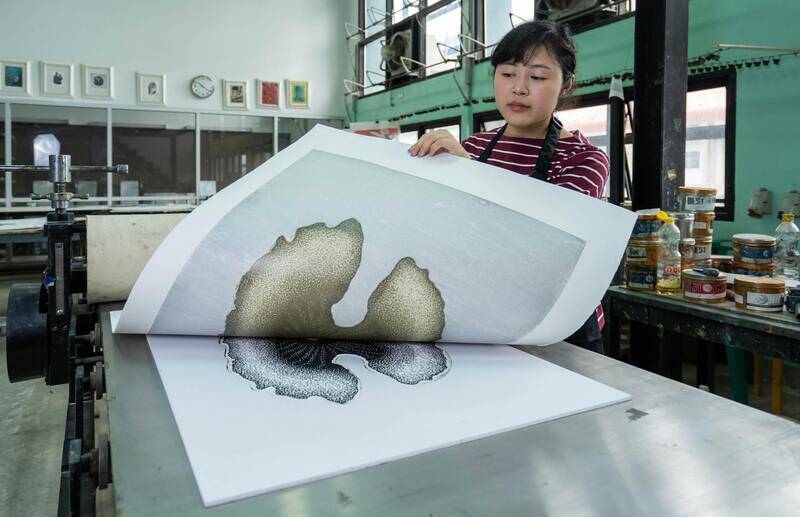
Choosing the Right Printing Company for Brochures
When selecting a brochure printing service, professionalism and reliability should be at the forefront of your decision-making process. A proven track record in delivering high-quality printed materials ensures that your marketing collateral accurately represents your brand and effectively communicates your message. Transparency in their processes, adherence to quality standards, and consistent delivery timelines are crucial indicators of a dependable partner.
It’s essential to evaluate the range of services offered. Comprehensive providers will handle everything from initial design assistance and material recommendations to finishing touches and delivery logistics. This integration helps streamline the production process, reducing delays and cost overruns. Additionally, a service that offers customizable options—including various paper weights, finishes, and custom sizes—provides flexibility to tailor your brochures to specific campaign needs.
Communication is another vital aspect. An experienced printing company maintains clear channels of communication, providing detailed quotes, regular updates, and post-production support. This open dialogue ensures alignment on expectations and quick resolution of any issues that may arise.
Assessing the Printing Facility’s Capabilities
- Technology and Equipment: Confirm that the company employs advanced printing presses suitable for your brochure requirements, whether offset or digital. Modern equipment delivers sharper images, vibrant colors, and precise details.
- Quality Control Processes: Ensure the provider has strict quality assurance protocols to catch defects early. Inspection procedures before delivery help maintain consistent standards across large batches.
- Environmental Practices: Evaluate their sustainability commitments, such as the use of eco-friendly inks, recycled papers, or waste-reduction initiatives, aligning with your brand’s environmental values.

Client Testimonials and Portfolio
Reviewing client testimonials and the provider’s portfolio offers insights into their capability and reliability. A reputable printing service will showcase successful projects and share client feedback that highlights promptness, quality, and customer satisfaction. These testimonials help gauge whether they can meet your specific expectations and project scope.
Pricing Transparency and Value
Transparent pricing structures, without hidden fees, are indicative of a trustworthy service provider. Request detailed quotes that itemize costs for printing, finishing, and delivery. While initial costs are important, consider the value derived from premium materials, advanced finishes, and eco-friendly options that can enhance your brochure’s impact.
Customer Support and Post-Printing Assistance
Efficient customer support facilitates smooth project execution. An ideal partner offers guidance from the initial consultation through final delivery, addressing any concerns throughout the process. Post-printing services, including storage or bulk deliveries, further add convenience and ensure your brochures arrive in pristine condition.