Introduction to Custom Poster Printing
Custom poster printing has become an essential tool for individuals and businesses seeking to communicate messages visually with impact and clarity. In the vibrant landscape of Singapore, where creativity and innovation thrive, personalized posters serve a multitude of purposes—from advertising a new product to celebrating a personal milestone. The versatility of custom posters allows for tailored design, size, and material options, ensuring that each print aligns with specific goals and aesthetic preferences. High-quality printing services facilitate the transformation of digital concepts into tangible, eye-catching displays that can be used both indoors and outdoors. Whether for promotional campaigns, artistic expression, or personal decoration, custom poster printing provides a cost-effective and impactful solution.
In Singapore’s competitive business environment, custom posters play a pivotal role in marketing strategies, offering a dynamic way to attract attention and convey messages succinctly. For individuals, personalized posters can commemorate special events such as birthdays, weddings, and graduations, turning memorable moments into lasting visuals. The ability to create bespoke posters that reflect unique styles, themes, and concepts makes this printing method highly popular across various sectors. With advancements in printing technology, the process becomes more accessible, providing crisp images, vibrant colours, and durable materials tailored for long-term display.
Custom poster printing also supports promotional activities in retail spaces, events, and public campaigns. Businesses leverage personalized posters for branding, special offers, and event announcements, effectively capturing audience interest and ensuring high visibility. The integration of innovative printing techniques allows for intricate designs, textured finishes, and eco-friendly options, aligning with contemporary expectations for quality and sustainability. As the demand for visually compelling advertising continues to grow, the significance of professional custom poster printing in Singapore cannot be overstated.
Types of Posters Available for Custom Printing
When exploring options for custom poster printing, it is essential to understand the different types of materials and formats available to ensure the end result aligns with your specific requirements. Each type offers unique benefits, making them suitable for various applications, whether for indoor displays, outdoor advertising, or artistic presentations.

Paper Posters
Paper posters are among the most common choices due to their affordability and versatility. They are available in numerous finishes, such as matte, gloss, or satin, each enhancing different visual effects. Paper posters are ideal for indoor environments like offices, retail stores, and event spaces. They are easy to produce in large quantities, making them suitable for promotional campaigns or event backdrops.
Vinyl Posters
Vinyl posters are renowned for their durability and resistance to elements, making them appropriate for both indoor and outdoor applications. They can withstand exposure to sunlight, moisture, and wind, preventing fading or tearing over time. Vinyl is often used in billboard advertising, outdoor signage, and vehicle wraps, providing vibrant colours and crisp visuals that grab attention from afar.
Canvas Posters
Canvas posters offer a premium appearance, closely resembling artwork or photographs displayed in galleries. They are typically stretched over wooden frames, giving a three-dimensional aesthetic that enhances visual depth. Canvas printing is popular for decorative purposes, such as home or office wall art, commemorative posters, and artistic displays. The printing process allows for high-resolution images that maintain clarity and detail even at large sizes.
Specialized Formats and Features
- Backlit Posters: Designed for illumination from behind, ideal for signs and display panels where light transmission enhances visibility.
- Eco-friendly Materials: Utilizing biodegradable or recycled substrates, these options cater to environmentally conscious projects.
- Textured and Embossed Finishes: Adding tactile elements to posters can create a more engaging visual experience.
Design Tips for Effective Custom Posters
Creating visually compelling posters hinges on thoughtful design. Prioritize clarity, contrast, and focal points to communicate your message succinctly. Use high-resolution images to prevent pixelation, and select colour schemes that align with your branding or theme. Incorporating whitespace ensures that key elements stand out, while consistent font choices reinforce legibility and style. For complex visuals, consider layering or framing techniques to add depth and interest. Lastly, always tailor your design to the dimensions of the chosen material to avoid distortion or cropping issues during printing.
Material and Printing Techniques
The choice of material directly influences the durability, appearance, and functionality of your posters. High-quality digital printing methods, such as UV printing, ensure sharp details and vibrant colours. For outdoor posters, lamination or weatherproof coatings provide additional protection against environmental factors. Textured finishes and eco-friendly inks are increasingly popular, catering to sustainability goals without compromising visual impact. Advanced techniques like wide-format printing enable the production of large-scale posters with minimal loss of detail, essential for impactful displays or promotional billboards.
Cost Factors and Budgeting
The overall cost of custom poster printing depends on multiple elements including material choice, size, complexity of design, finishing options, and order quantity. Larger formats generally incur higher costs due to increased material use and printing time. Specialized finishes like embossing or textured coatings add to expenses but enhance aesthetics. Budgeting for posters should account for potential setup fees, particularly when custom cutting or intricate designs are involved. Comparing quotes from multiple printing providers helps ensure competitive pricing without sacrificing quality.
Choosing a Printing Service in Singapore
Selecting a reputable printing partner is critical to achieving optimal results. Professional printers in Singapore often feature state-of-the-art equipment, a wide variety of materials, and experienced design support. Look for providers with clear turnaround times, quality assurances, and positive customer reviews. Consultation services can assist in selecting suitable materials and finishes best suited for your project’s purpose. Additionally, verifying their compliance with industry standards and craftsmanship ensures your poster investment yields maximum visual impact and longevity.
Applications of Custom Posters in Singapore
Custom posters serve diverse roles across various sectors in Singapore. Retail outlets utilize posters for promoting sales, new arrivals, and branding campaigns. Events such as exhibitions, concerts, and festivals rely on eye-catching signage to guide and attract attendees. In the hospitality industry, custom posters enhance ambiance and inform guests of special offers or events. Educational institutions employ posters for awareness campaigns and informational displays. Moreover, public campaigns and community initiatives benefit from personalized posters capable of communicating messages effectively across community spaces.
Tips for Maintaining and Displaying Posters
Proper maintenance extends the lifespan and visual appeal of your posters. Regular cleaning with soft cloth and mild solutions prevents dust accumulation and surface degradation. Avoid exposing posters to direct sunlight or moisture, especially if printed on sensitive substrates like paper or canvas, to prevent fading or warping. When displaying, choose appropriate mounting options such as frames, adhesives, or hooks that minimize damage and facilitate easy replacement. For outdoor posters, consider weatherproofing treatments or positioning in sheltered locations to preserve colour vibrancy and structural integrity over time.
Understanding the Printing Process and Material Choices
When selecting a provider for custom poster printing, it is crucial to understand the various printing techniques and materials available. High-quality printing methods such as digital printing, large-format inkjet, and screen printing each offer distinct advantages depending on the poster's purpose, size, and intended environment. Digital printing is ideal for quick turnaround times and detailed, full-color designs, making it suitable for promotional posters and event signage. Large-format inkjet printing, on the other hand, provides exceptional image clarity and color accuracy for large displays that must attract immediate attention. Screen printing, while more traditional, remains relevant for certain types of specialty posters, especially those requiring consistency across multiple copies.
Popular Material Options for Custom Posters
The material selected significantly impacts the durability and visual appeal of your custom poster. Common choices include:
- Vinyl: Weather-resistant and durable, ideal for outdoor use and harsh environments such as billboards and storefront displays.
- Canvas: Offers a premium, textured finish appropriate for art displays or sophisticated marketing campaigns.
- Glossy Paper: Enhances vibrant colors and sharp details, suitable for indoor posters with high visual impact.
- Matte Paper: Minimizes glare and reflections, perfect for informational posters or those requiring easy readability.
- Polyester or PVC Films: Used for waterproof or heavy-duty applications, especially in high-traffic areas.
Advantages of Custom Poster Printing Techniques
The choice of printing technique directly influences the poster’s final appearance and lifespan. For example, UV printing offers enhanced color richness and resistance to fading, which is ideal for outdoor displays. Dry toner printing provides quick turnaround times and cost-effectiveness for bulk orders, making it suitable for event promotions. Flexography and silk-screening may be employed for specialty purposes, such as branding on fabrics or textured finishes. Ensuring that the chosen method aligns with both the aesthetic goals and environmental conditions guarantees the poster's effectiveness and longevity.

Factors Influencing Cost and Overall Budget
Cost considerations in custom poster printing involve multiple factors, including size, material selection, printing technique, and order volume. Larger posters naturally require more ink and larger machinery, which can increase costs. Premium materials such as canvas or waterproof vinyl also come at a higher price point compared to standard paper. Additionally, the complexity of the design, color richness, and finishing options like lamination or mounting can influence pricing. To optimize your budget, consider balancing visual impact with durability needs and exploring bulk discounts offered by printing service providers.
Final Thoughts on Selecting a Reputable Printing Partner
Choosing a reliable printing service involves assessing their experience, portfolio, and technological capabilities. A provider with a proven track record in custom poster printing can ensure your designs are realized with precision and quality. Transparency in pricing, clear communication, and adherence to deadlines further solidify a business relationship. Moreover, facilities equipped with modern machinery capable of accommodating diverse material choices and print techniques enable customization options aligned with your specific branding or promotional needs.
Material and Printing Techniques
When it comes to custom poster printing, selecting the appropriate material and printing method is crucial for achieving desired visual impact and durability. Each printing technique offers unique advantages suited for different types of posters and display environments.
Digital Printing
Digital printing is the most common method for producing custom posters, especially for small to medium quantities. It involves transferring digital images directly onto substrates using inkjet or laser technology. This technique allows for high-resolution images with vibrant colors and sharp details. It is ideal for quick turnaround times and customization of individual posters. Digital printing works well on materials such as coated paper, photo paper, and synthetic surfaces.
Offset Printing
For larger quantities, offset printing provides cost efficiencies and consistent quality. This process involves transferring ink from plates onto a rubber blanket, then onto the printing surface. Offset printing is suitable for posters requiring precise color matching and high-volume production. It works best with coated papers and larger print runs, offering excellent color fidelity and surface finish.
Large-Format Printing
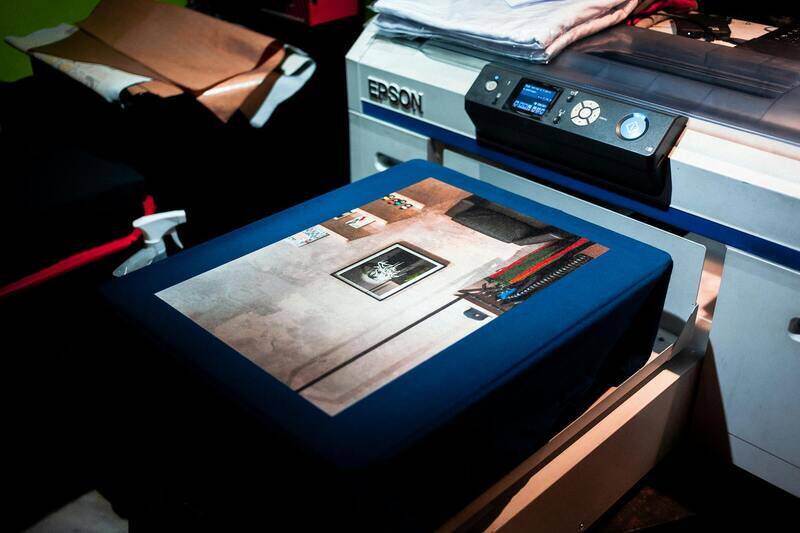
Large-format or wide-format printing caters specifically to oversized posters, banners, and display panels. This technique uses specialized printers capable of handling wide substrates like vinyl, fabric, or mesh. It employs UV or solvent inks known for their durability and resistance to weather elements, making it perfect for outdoor advertising or long-term displays.
Material Options for Custom Posters
- Paper and Poster Board: Standard or gloss finishes suitable for indoor displays; cost-effective and versatile.
- Vinyl: Waterproof, weather-resistant, perfect for outdoor signage and long-lasting displays.
- Canvas: Provides a textured, premium look; ideal for art reproductions and high-end presentations.
- Fabric: Lightweight and flexible; suitable for banners and portable displays.
The choice of material influences not only the visual appeal but also the durability and application environment of your posters. Combining appropriate printing techniques with suitable substrates ensures your posters are impactful and enduring.
Methods for Authentic Custom Poster Printing in Singapore
When seeking to produce high-quality, authentic custom posters, it is pivotal to work with recognized and reputable printing providers that utilize proven and official techniques. These methods guarantee the integrity of your design, optimal color accuracy, durability, and compliance with industry standards.
Among the most trusted printing processes is digital printing, which is especially suited for short to medium print runs. This method involves directly transferring digital designs onto the chosen substrate through advanced inkjet or laser technology. Digital printing excels in producing vibrant colors and sharp details, making it ideal for promotional posters, event advertisements, and limited editions.
For larger quantities, offset printing remains a preferred option because of its consistency and cost-effectiveness. In offset printing, the design is first transferred to a plate, then onto a rubber blanket, and finally onto the substrate. This process ensures uniform color reproduction, high resolution, and precise reproduction of complex images. Offset printing is especially beneficial for posters requiring accurate color matching and large-volume production, such as promotional campaigns or corporate branding materials.
Large-format printing is another essential method, especially for oversized posters, banners, and window displays. This technique employs specialized printers capable of handling wide-format sheets and large substrates like vinyl, fabric, or mesh materials. With UV or solvent inks, large-format printing provides weather-resistant and durable posters suitable for outdoor advertising, events, and long-term display solutions.
Practitioners of official poster printing in Singapore often utilize eco-friendly inks in their processes, aligning with sustainable practices while maintaining print quality. These inks are formulated to produce vivid, long-lasting colors while minimizing environmental impact.
When selecting an official printing method, it is crucial to consider the nature of your project, the intended display environment, and the desired lifespan of the posters. Certified printing companies employ industry-standard equipment and environmentally sound practices, which collectively contribute to producing weatherproof, fade-resistant, and visually impressive posters.
In addition to choosing the proper printing method, interpretation of provider certifications and quality assurance protocols ensures that the final product adheres to set industry benchmarks. This attention to detail helps maintain brand consistency and ensures your posters meet the highest standards of print excellence.

Choosing the Right Material for Custom Posters
When it comes to custom poster printing, selecting the appropriate material is crucial to ensure durability, visual impact, and suitability for the intended display environment. Different materials offer various benefits, and understanding their characteristics can help in making an informed decision that aligns with your project objectives.
Common Materials Used in Custom Poster Printing
- Vinyl: Known for its durability and weather resistance, vinyl is ideal for outdoor advertisements and long-term signage. Its flexibility allows for application on uneven surfaces, and it maintains vibrant colors even in harsh weather conditions.
- PVC Foam Board: This lightweight material offers a rigid surface, making it perfect for indoor displays such as exhibition panels and promotional displays. It provides excellent image clarity and is easy to install.
- Canvas: Used predominantly for artistic or high-end displays, canvas offers a textured finish that adds a sophisticated touch to posters. It is suitable for both indoor art displays and promotional visuals where a premium look is desired.
- Mesh Vinyl: Designed for outdoor applications such as banners and event signage, mesh vinyl allows wind to pass through, reducing stress on the material. It is suitable for large-format outdoor posters where durability and visibility are priorities.
- Paper and Fine Art Paper: For indoor posters, especially those intended for framing or limited display periods, high-quality paper options such as gloss, matte, or satin finishes are preferred. They offer sharp color reproduction and a sleek appearance.
Printing Techniques and Their Material Compatibility
The choice of printing technique often depends on the selected material. Digital printing is versatile and suitable for short to medium runs across various substrates. UV printing, on the other hand, allows for high-resolution images directly onto rigid surfaces like acrylic or metal, providing a sleek, modern finish.
For outdoor posters requiring weather resistance, solvent or UV inks are typically employed, ensuring longevity and color fidelity over time. Eco-friendly printing options using soy or vegetable-based inks are increasingly popular for environmentally conscious projects, balancing sustainability with vivid output quality.
Additional Considerations for Material Selection
- Display Environment: Indoor or outdoor? Exposure to sunlight, moisture, or wind impacts material choice.
- Longevity Requirements: How long will the poster be displayed? Short-term events may require less durable materials, while permanent signage benefits from weatherproof options.
- Budget Constraints: Cost-effective materials like PVC foam board or paper can reduce expenses, while premium options like canvas or metallic finishes may incur higher costs.
- Installation Method: Adhesives, frames, or mounting techniques influence the choice of rigid or flexible substrates.
Innovations in Material Technology
Technological advancements have expanded the range of printable materials. Self-adhesive films, holographic foils, and biodegradable options now provide innovative avenues for creating eye-catching and sustainable posters. These materials often require specialized printers and inks but can significantly enhance the visual appeal and environmental profile of your custom posters.
Types of Posters Available for Custom Printing
Choosing the right type of poster is essential for achieving your visual communication goals in Singapore. Custom poster printing offers a diverse range of options tailored to various applications and environments. Among the most common are:
- Standard Paper Posters: Versatile and cost-effective, these posters are ideal for indoor use, events, and temporary displays. They are available in various finishes, including gloss, matte, and satin, to enhance visual appeal and durability.
- Vinyl Posters: Known for their durability and weather resistance, vinyl posters are suitable for outdoor advertisements and signage. They can withstand moisture, wind, and sunlight, maintaining vivid color fidelity over extended periods.
- Canvas Prints: Perfect for art and decorative purposes, canvas posters offer a premium look with textured surfaces that mimic traditional paintings. They are often mounted on frames for a polished display.
- Rigid Substrates: Materials like foam board, acrylic, and metal sheets provide sturdy and professional signage solutions. These are frequently used for point-of-sale displays, gallery exhibitions, or long-term signage installations.
- Eco-friendly and Specialty Materials: Biodegradable films, holographic foils, and recyclable substrates cater to environmentally conscious projects and innovative aesthetic effects.

Design Tips for Effective Custom Posters
Creating an impactful poster involves strategic design elements that attract attention and convey your message clearly. Consider the following tips:
- Clear Hierarchy: Use size, color, and placement to prioritize key information. Your headline should be prominent, followed by supporting details.
- Concise Messaging: Keep text minimal and impactful. Use compelling language that resonates with your target audience.
- Eye-catching Visuals: Incorporate high-resolution images and vibrant colors. Ensure visuals align with your brand identity and the poster’s purpose.
- Consistent Branding: Use your company logo, colors, and fonts consistently to reinforce brand recognition.
- Effective Call-to-Action: Include clear instructions on what viewers should do next, whether visiting a website, calling a number, or attending an event.
- Balance and Composition: Maintain a harmonious layout that guides the viewer’s eye naturally across the poster.
Material and Printing Techniques
The choice of material and printing method affects both the aesthetics and longevity of your custom poster. Common techniques include:
- Digital Printing: Suitable for short-run, vibrant, and detailed posters. Printer technology such as UV, solvent, or latex inkjet ensures high-quality outputs.
- Screen Printing: Ideal for large quantities and simple designs; produces durable prints with vivid colors.
- Eco-Friendly Printing: Utilizes soy or vegetable-based inks on recyclable substrates, combining quality with sustainability.
Material choices depend on application needs, including:
- Indoors vs. outdoors
- Expected lifespan
- Budget considerations
Advanced Custom Poster Printing Techniques and Material Innovations in Singapore
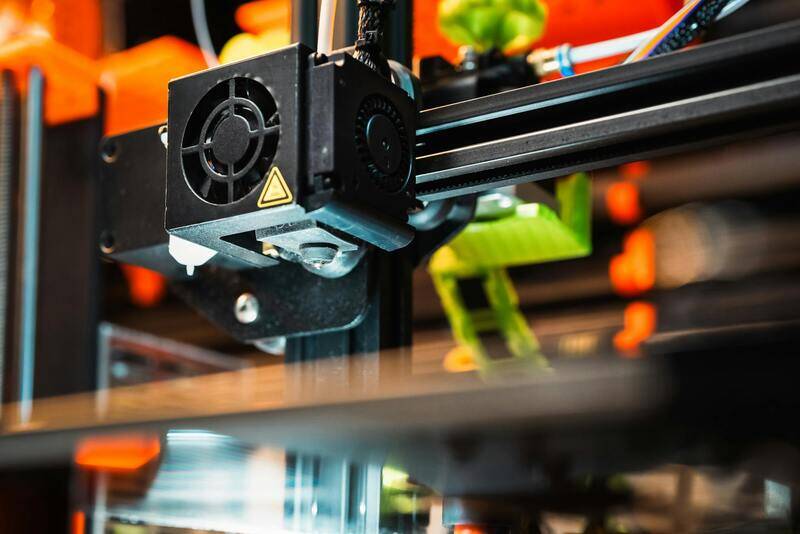
As the demand for high-quality, visually striking posters continues to grow among businesses, event organizers, and artists in Singapore, printing technology and material science have advanced significantly. These innovations allow for the creation of posters that are not only eye-catching but also durable and environmentally sustainable, tailored specifically to diverse application environments.
Cutting-edge Printing Methods Elevating Custom Posters
Recently, several sophisticated printing techniques have emerged, providing enhanced detail, color vibrancy, and longevity for custom posters. Among these, UV printing stands out for its ability to produce sharp, durable images on various substrates, including acrylic and metal surfaces. This method employs ultraviolet light to cure inks instantly, resulting in high-resolution prints with resilient surfaces resistant to scratches and UV degradation.
Latex printing, known for its eco-friendly profile, uses water-based inks that are flexible and safe for indoor and outdoor use. It delivers vibrant colors and is compatible with a wide range of materials, making it ideal for high-turnover, large-format posters that require quick production without sacrificing detail or color fidelity.
Solvent and eco-solvent printing are also prevalent, especially when outdoor durability is paramount. These techniques produce water-resistant, fade-resistant posters suitable for outdoor advertising where exposure to weather elements is inevitable. Eco-solvent printing, in particular, reduces VOC emissions, aligning with the growing emphasis on sustainability in Singapore’s printing industry.
Innovative Material Usage for Enhanced Poster Longevity

The choice of material significantly impacts the performance and appearance of custom posters. Traditional paper substrates like gloss or matte paper offer excellent image quality but may require additional protective coatings for outdoor applications. For increased durability, especially in Singapore’s humid climate, polypropylene, vinyl, and rigid substrates such as foam board or acrylic are popular options. These materials provide resistance to water, tearing, and UV rays, maintaining visual integrity over extended periods.
Moreover, innovative recyclable materials are increasingly being adopted to align with sustainability goals. Biodegradable substrates and plant-based inks are being integrated into the printing process to reduce environmental impact without compromising quality. This investment in eco-friendly options ensures that businesses can promote their brands responsibly while benefiting from superior printing outcomes.
Applying the Latest Advancements for Optimal Results
Utilizing advanced printing techniques and durable materials, clients can achieve custom posters that stand out in Singapore’s competitive market. Whether it’s for indoor displays, outdoor advertising, or art installations, selecting the right combination of technology and substrate enhances visual impact while ensuring longevity and cost-effectiveness. Consulting with experienced printing service providers allows for tailored solutions optimized to specific needs, including weather conditions, installation environments, and budget constraints.