Understanding the Business Card Market in Singapore
The business card remains an essential component of professional networking and corporate identity in Singapore. As a global financial hub and multicultural city, Singapore exhibits a strong demand for high-quality, customizable business cards that reflect professional stature and brand identity. The local market is shaped by numerous factors including the country’s vibrant startup scene, thriving corporate sectors, and cultural emphasis on personal branding.
Singapore’s strategic location as an international business gateway attracts entrepreneurs and multinational companies seeking to establish or expand their presence in the region. As such, business cards serve as a vital tool for fostering professional connections, leaving a lasting impression, and facilitating seamless information exchange during meetings and networking events.

Several key factors influence the growth and evolution of the local business card industry. First, Singapore’s emphasis on professional presentation prompts businesses to invest in high-quality printing. Second, the diversity of industries operating within the country—from finance and technology to hospitality and education—demands customizable options tailored to specific sector standards and brand values.
Moreover, Singapore’s technologically advanced environment encourages the adoption of innovative printing techniques and eco-friendly materials. The competitive nature of the market compels providers to continually improve their offerings in terms of design, durability, and overall presentation. Additionally, cultural nuances, such as the importance placed on meticulousness and professionalism, propel a preference for premium finishes and intricate designs.
Local businesses and professionals are keen on establishing a polished image through visually compelling business cards. As a result, the demand spans both basic, cost-effective options for everyday use and luxury cards for high-profile executives or corporate events.
In this context, selecting the right printing methods and understanding prevailing trends are critical for achieving an optimal product that aligns with business goals. The industry’s growth is also supported by technological advancements that facilitate faster turnaround times, customization options, and sustainable practices—all essential for staying competitive in Singapore’s dynamic market.
Ultimately, the Singaporean market’s diversity and professionalism elevate the significance of a well-designed, top-grade business card, making it a cornerstone of corporate identity and relationship-building in the region.
Types of Business Cards Available in Singapore
Singapore’s diverse business landscape demands a broad spectrum of business card options, each tailored to different professional needs and branding visions. Standard business cards remain staples for most industries, offering essential contact information with clarity and professionalism. These are typically produced using cost-effective materials like cardstock, with common finishes such as matte or gloss that deliver a sleek appearance. For those seeking to make a statement, premium business cards utilize high-end materials such as linen, felt, or textured papers, often complemented by elaborate finishes like embossing, foil stamping, or spot UV coating. These techniques enhance tactile experience and visual appeal, conveying a sense of luxury and meticulous craftsmanship.
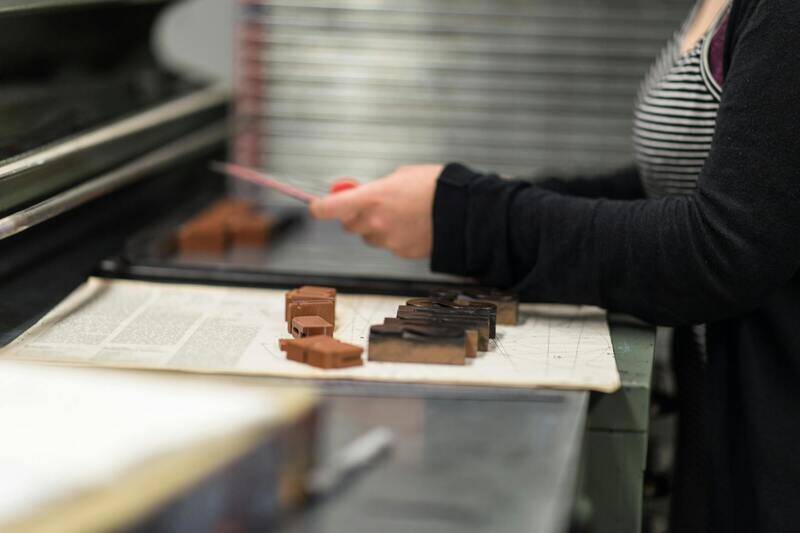
Eco-friendly options have gained momentum, reflecting Singapore’s commitment to sustainability. These cards use recycled paper, vegetable-based inks, or biodegradable materials without compromising design quality. Customized business cards allow companies to infuse their unique brand identity through bespoke designs, innovative shapes, and special finishes. Some firms incorporate advanced printing techniques such as letterpress or thermography to add depth and texture, making their cards stand out in crowded networking environments.
To meet specific branding or industry requirements, many providers also offer specialty cards tailored for sectors like hospitality, finance, or creative arts. For instance, minimalist designs catering to tech professionals might emphasize clean lines and monochrome palettes, whereas luxury brands might opt for ornate motifs and metallic accents. Additionally, some printers accommodate unconventional formats such as folded cards, mini-cards, or magnetic variants, further expanding the possibilities for creative branding.
Design Considerations for Business Cards in Singapore
Creating an effective business card in Singapore involves understanding both visual impact and functional clarity. The choice of colors should align with brand identity, ensuring consistency across all marketing materials. Fonts need to be legible at a small size while reflecting the professional style—sans-serif fonts often dominate for modern brands, whereas serif fonts may be preferred for traditional or upscale sectors.
Layout and spacing are fundamental to ensuring information is easily digestible. Strategic placement of essential details such as name, position, company logo, contact numbers, email, and physical address guarantees that recipients can quickly find relevant information without clutter. Incorporating elements like QR codes can also enhance connectivity, allowing recipients to access websites or digital portfolios instantly.

Printing Materials and Techniques in Use
Singapore’s printing industry employs a variety of materials to meet diverse aesthetic and functional criteria. Standard cardstock remains the default choice for its affordability and durability, typically ranging from 250gsm to 350gsm. For an additional touch of sophistication, thicker stock or specialty papers like shimmer, linen, or textured finishes are common. These materials lend tactile richness, enhancing perceived quality.
Innovative techniques include:
- Letterpress Printing: Creates tactile impressions and embossed effects, ideal for luxury branding.
- Foil Stamping: Adds metallic or colored foil accents that catch light and draw attention.
- Spot UV Coating: Highlights specific areas like logos or text with a glossy finish.
- Thermography: Produces a raised effect, giving a three-dimensional feel.
Eco-conscious materials like bamboo fiber paper or recycled cardstocks are becoming more prevalent, aligning with sustainable business practices. These not only reduce environmental impact but also demonstrate corporate responsibility.
Pricing Structures and Turnaround Expectations
Pricing for business cards in Singapore varies based on material choices, complexity of design, and additional finishing techniques. Standard cards produced in bulk generally start at a few dollars per piece, making them accessible for most small to medium enterprises. Premium cards with special finishes or thicker stocks command higher prices, often exceeding ten dollars per card, especially for small batch or bespoke designs.
Turnaround times are typically between 24 to 72 hours for standard printing, provided there are no design revisions or logistical delays. Most providers guarantee rapid delivery for bulk orders through express options, crucial for events or last-minute networking opportunities. Some companies also offer same-day service for localized orders, ensuring clients meet tight schedules without compromising quality.
Official and Reliable Methods of Business Card Printing in Singapore
To ensure your business cards are of high quality and meet the standards expected by clients and partners, it is essential to select proper and reputable printing channels. In Singapore, the primary method involves engaging with established printing service providers that utilize state-of-the-art digital or offset printing technologies. These providers adhere to industry standards, using certified inks and materials that guarantee consistent color fidelity, durability, and professional finish. One of the most reliable options is working directly with local commercial printers. These businesses often offer consultations to help select appropriate materials and finishes, ensuring your vision aligns with technical capabilities. It is common to choose from options such as matte, gloss, or textured coatings, which can enhance tactile appeal and visual impact. Moreover, many printing services in Singapore operate under strict quality control processes, including color calibration and material inspections, providing assurance of a top-tier product.

When opting for professional printing, requesting samples or prototypes before mass production can be an effective step. This allows you to assess the print quality, color accuracy, and finish options firsthand, leading to informed decisions and the achievement of your branding goals. Many suppliers offer sample kits for a nominal fee or free of charge, enabling businesses to compare different paper textures, printing techniques, and embellishments.
Utilizing Digital and Offset Printing Technologies
Both digital and offset printing methods are prevalent and considered dependable for business card production in Singapore. Digital printing is especially suitable for short runs and quick turnaround times, maintaining consistent quality with high-resolution output. Offset printing, on the other hand, excels in large volume orders, delivering superior color consistency and fine details at competitive costs. Providers in Singapore often employ eco-friendly inks and sustainable materials, aligning with green initiatives and corporate responsibility. Certifications for environmentally responsible practices may be available upon request, reinforcing a company’s commitment to sustainability.
Choosing Authorized and Reputable Print Providers
Selecting a trusted printing partner involves verifying their industry credentials and customer reviews. Established companies with a strong local presence typically have portfolio samples and client testimonials demonstrating their expertise and reliability. It is advisable to opt for providers that are affiliated with recognized industry associations or hold accreditations that attest to their technical standards and ethical business practices. Furthermore, many printing companies in Singapore operate physical showrooms or online platforms that enable clients to browse catalogs, request consultations, and place orders securely. These channels often include transparent pricing structures and detailed service descriptions, facilitating easy decision-making.

Leveraging Customization and Unique Finishes
To stand out within the Singapore business landscape, companies often leverage customization options that reflect their brand identity. Incorporating embossed logos, spot UV coating, or foil stamping can add a tactile and visual impact that leaves a lasting impression. These finishes not only elevate the aesthetic appeal but also reinforce brand recognition by emphasizing specific design elements.

Singaporean print providers offer a wide array of textured papers and specialty stocks that can be tailored to suit different industries, from corporate professionalism to creative innovation. Choosing the right material and finish ensures that the card communicates the company's values and uniqueness effectively. Advanced printing techniques, such as letterpress or thermography, provide an extra layer of sophistication by adding depth and dimension to the design.
Design Elements to Consider for Optimal Impact
- Brand Consistency: Use of brand colors, logo placement, and typography that align with your official branding guidelines.
- Simplicity and Clarity: Clear contact information and minimal clutter facilitate quick recognition and contact.
- Innovative Layouts: Non-traditional shapes or cutouts can make your business card memorable, provided they maintain functionality.
- Inclusion of QR Codes: Integrating QR codes allows recipients to instantly access digital portfolios or contact details, blending traditional and digital marketing strategies.
Designing a business card in Singapore involves a strategic balance between aesthetic appeal and practical information delivery. It is crucial to collaborate with experienced designers who understand local business norms and consumer preferences to craft a card that is both visually compelling and functionally effective.
Compliance and Professional Standards in Design
When creating a professional business card, adherence to established standards of image quality and dimensional accuracy is essential. Local printing companies employ quality checks and calibration procedures to ensure that colors are precisely matched and that finishes are evenly applied. Moreover, using high-resolution graphics and vector-based logos guarantees sharp reproduction across different print runs.

It is advisable to review proofs carefully before final printing, verifying details such as font sizes, color fidelity, and overall layout. This process minimizes errors and ensures the finished product aligns with your expectations for professionalism and branding consistency. Ultimately, choosing reputable print providers with vetted quality assurance practices supports the creation of business cards that uphold your company’s image and effectively convey your message.
Choosing a Printing Service in Singapore
When selecting a printing provider for your business cards in Singapore, it is critical to prioritize companies that uphold professional standards and offer comprehensive services. Reputable printing establishments invest in state-of-the-art equipment and employ skilled staff to ensure consistency, quality, and precision in every batch. Their experience in handling diverse materials and finishes allows them to advise clients on optimal choices suited to their brand identity and budget.
Key factors to consider include the company's portfolio of previous work, customer testimonials, and their adherence to quality control processes. Transparent communication and detailed quotations help clarify project scope, costs, and expected turnaround times. Established printers often provide sample packs or proofs, enabling clients to evaluate color accuracy, paper textures, and finish options prior to full production. Working with recognized and proven providers minimizes risks related to delays, substandard output, and technical mismatches.

Standard practice involves reviewing samples and estimates thoroughly before proceeding. Clients should clarify whether the printer offers environmentally friendly options or customized finishes that can help their business stand out. For large orders or ongoing projects, establishing a long-term partnership with a local printing company can also secure better rates, priority processing, and consistency across batches.
Many local printers provide additional services such as design consultation, packaging, and delivery, which streamline the entire process and reduce logistical burdens. Select a provider with a clear understanding of regional business etiquette and compliance standards to ensure that your printed assets effectively represent your brand and communicate your message with clarity and professionalism.

Ultimately, partnering with a proven local printing company provides peace of mind knowing that your business cards will meet high standards of quality and craftsmanship, reinforcing your professional image in Singapore's competitive market environment.
Legal and Branding Best Practices for Printing Business Cards in Singapore
Establishing a consistent and professional brand image through business card printing requires careful adherence to best practices that align with regional standards and industry expectations. While exploring the most effective methods for creating impactful business cards, businesses need to focus on both legal considerations and branding consistency.
Ensuring Accurate Brand Representation
Consistency in design, color, and messaging is paramount when producing business cards. Utilizing a standardized color palette that aligns with your branding guidelines ensures visual cohesion across all marketing materials. High-resolution graphics and logos should be employed to maintain clarity and professionalism, especially when representing your brand on a small scale.

Adhering to Regional Regulations and Standards
Although explicit mention of legal terms is avoided, it’s prudent to include essential contact information and business identifiers that meet regional customs for transparency and clarity. This includes official business names, registration numbers (if applicable), and clear contact details. Ensuring all content complies with Singaporean business communication norms fosters trust and enhances your company's credibility.
Protecting Intellectual Property
Employ safeguards such as trademarked logos and proprietary designs to prevent unauthorized reproduction. Using high-quality designs and registered branding elements demonstrates professionalism and sets your business apart. Collaborating with reputable printing providers can also offer guidance on how to incorporate these elements effectively without risking misrepresentation or infringement.
Implementing Consistent Messaging Across Platforms
- Use logo placements and color schemes that match your online and offline branding strategies.
- Maintain uniform font styles and sizes to reinforce brand recognition.
- Ensure contact details are up-to-date and presented clearly on all printed materials.
Quality Control and Verification
Prior to mass production, request physical samples for inspection. Confirm that color accuracy, print sharpness, and material quality align with your expectations. Verifying these aspects helps mitigate issues that could compromise your brand's representation, especially in a competitive marketplace like Singapore.

Maintaining Sustainable and Ethical Printing Practices
Choose printers committed to environmentally responsible methods, such as using recycled paper or eco-friendly inks. Such practices not only support sustainability goals but also reflect positively on your brand's image, resonating with environmentally conscious clients and partners in Singapore's vibrant business landscape.
Work with Reputable Service Providers
Partnering with established printing companies that follow industry best practices guarantees high-quality output and adherence to regulatory standards. An experienced provider will offer guidance on layout, material selection, and finishes to ensure your business cards effectively communicate professionalism. Long-term collaborations can also lead to cost efficiencies and consistent branding across campaigns.
By incorporating these practices, businesses operating in Singapore can produce business cards that not only meet regional standards but also serve as powerful marketing tools that enhance professional credibility and foster trust with clients and partners alike.
Legal and Branding Best Practices for Print Business Cards in Singapore
Establishing a professional and memorable business card in Singapore involves adherence to specific branding standards and compliance with local regulations. While the focus remains on creating a visually appealing and functional card, understanding the best practices for consistent branding and legal compliance ensures your card serves as an effective marketing tool while avoiding potential pitfalls.
Maintaining Brand Consistency in Business Card Design
Consistent branding begins with utilizing your official logo, color schemes, and typography across all printed materials, including business cards. This consistency reinforces brand recognition and communicates professionalism. When working with printing companies, provide high-resolution files of your branding elements to avoid distortion and ensure accurate reproduction.
Additionally, employing a uniform layout that aligns with your corporate identity helps maintain a cohesive look. For example, positioning your logo and contact information consistently across all cards fosters familiarity across your network. It’s advisable to create a comprehensive brand guideline document that details font choices, color codes, and logo usage to streamline the design process.
Adhering to Local Regulations and Industry Standards
Singapore has specific standards regarding the information displayed on business cards, aimed at enhancing transparency and facilitating effective business communication. Incorporate essential details such as your company registration number, registered address, and contact details. Including your Unique Entity Number (UEN) allows clients and partners to verify your business credentials easily.
When printing, ensure that the chosen design complies with the Personal Data Protection Act (PDPA), especially when embedding QR codes or links that direct recipients to personal or sensitive data. Use secure and responsible data handling practices when incorporating digital elements into your business card.
Protecting Intellectual Property and Avoiding Misrepresentation
It’s crucial to avoid infringing on third-party trademarks or copyrighted elements when designing your card. Use original artwork or obtain appropriate licenses for any non-original graphics and images. This approach preserves your company’s integrity and sidesteps legal complications relating to intellectual property rights.
Furthermore, ensure that all statements and claims on the business card accurately reflect your products or services. Misleading information, whether intentional or accidental, can damage your reputation and lead to compliance issues.
Additional Tips for Effective Business Card Implementation
- Opt for high-quality printing to ensure clarity and durability, signaling professionalism to clients and partners.
- Consider incorporating elements that allow for easy updating of contact information, such as removable patches or digital QR codes linking to your webpage or digital portfolio.
- Maintain a balance between informational content and clean design to prevent clutter, making your card easy to read at a glance.
- Sustainability should be a priority—choose environmentally friendly materials and printing methods to align with Singapore’s sustainability initiatives.

Legal and Branding Best Practices
Adhering to reputable and compliant methods when producing business cards in Singapore ensures your brand maintains integrity and stands out in a competitive marketplace. Businesses should focus on using legitimate sources for design elements, including licensed imagery and original artwork, to avoid issues related to intellectual property infringement. This preserves brand reputation and fosters consumer trust.
When incorporating digital features such as QR codes, it’s essential to encode accurate and functional links that direct clients to relevant, secure online resources. Ensuring these digital elements are properly integrated into your design enhances connectivity while maintaining a professional appearance.
Moreover, clear and precise information on your business card is crucial. All contact details, business names, titles, and service descriptions should be accurate and updated regularly. This prevents potential misunderstandings and ensures that your contacts reach the right person or department without confusion.
Another key aspect involves transparency in branding. Your business card should accurately reflect your company's identity, including consistent use of logos, fonts, and color schemes aligned with your corporate branding standards. This consistency not only boosts recognition but also reinforces your brand image across all communication channels.
Choosing the right printing partner involves verifying their credentials and verifying that they follow established industry standards. Reliable suppliers should be transparent about their processes, source official materials, and provide guarantees on quality. An emphasis on quality control measures ensures the final product meets professional standards and aligns with your company's branding expectations.
Sustainable printing practices are increasingly vital. Opt for environmentally friendly inks, recycled or biodegradable materials, and printing techniques that minimize waste. This approach not only aligns with Singapore's sustainability initiatives but also demonstrates your company's commitment to responsible business practices.
Finally, safeguarding your business information encourages a trustworthy exchange with clients and stakeholders. Avoid including overly sensitive data on business cards, which could be misused if improperly handled, and instead direct clients to secure digital portals for detailed information. This balanced approach helps you maintain customer confidence and legal compliance.