Understanding Business Card Printing in Singapore
In Singapore’s vibrant and highly competitive business landscape, a well-crafted business card serves as a vital tool for establishing professional connections and enhancing corporate identity. As a compact representation of a company's brand, an effective business card should not only contain essential contact information but also reflect the professionalism and uniqueness of the business. Recognized as an essential networking asset, business cards facilitate initial impressions and foster trust among potential clients, partners, and stakeholders.

With the increasing demand for standout and tailored cards, professional printing services have become instrumental in producing high-caliber business cards. These providers utilize advanced technologies and a diverse range of materials to ensure that each card aligns with the client’s branding goals and industry standards. Whether for startup founders, corporate executives, or small business owners, selecting the right printing approach and partner is key to achieving optimal results.
Beyond aesthetics, legitimate printing methods focus on durability and function, ensuring that each card maintains its quality over time. From traditional designs to innovative styles, Singapore’s printing service providers cater to various preferences and requirements, leveraging their expertise to deliver polished, professional products. Understanding the core aspects of business card printing — including materials, design, techniques, and cost considerations — helps businesses make informed decisions that reinforce their brand identity and expand their professional network effectively.
Choosing the Right Material and Card Stock
Business card quality heavily depends on the selection of materials and card stock, which significantly influence the card’s durability, texture, and visual appeal. In Singapore’s competitive business environment, opting for premium materials can differentiate a brand and leave a lasting impression.
Common options include standard matte or gloss finishes, which provide a smooth surface suitable for vibrant printing and easy handling. For a more luxurious feel, premium card stocks such as linen, textured, or silk finishes are available, offering tactile richness that resonates with high-end or boutique brands. Specialty materials like transparent PVC, kraft paper, or metallic foils are increasingly popular for companies seeking innovative and memorable designs.
When selecting a card stock, consider the card’s purpose, target audience, and overall branding. Thick, sturdy stocks ranging from 300gsm to 400gsm typically impart strength and durability, reducing wear and tear over time. Moreover, environmentally conscious businesses can opt for recycled or sustainable materials, supporting eco-friendly practices without compromising quality.
In addition to weight and finish, custom cut shapes and edge styles can enhance a card’s impact. Rounded corners, beveled edges, or uniquely die-cut shapes add a distinctive touch, showcasing attention to detail and originality. Each material choice should align with a clear understanding of how the card will be stored, handled, and displayed, ensuring functionality complements aesthetics.
Design Elements and Branding Considerations
The visual aspect of a business card is crucial in reinforcing brand identity. This encompasses logo placement, color schemes, font choices, and overall layout. Consistency across these elements ensures the card accurately reflects the company's personality, professionalism, and industry positioning.
For Singapore businesses aiming to stand out, integrating design elements such as embossed logos, foil stamping, or spot UV coatings can elevate the overall appearance. These techniques not only add a premium feel but also highlight key information or branding symbols, making the card easier to recognize and recall.

Color choices are vital in conveying the right message—bold hues for a dynamic, energetic vibe, or muted tones for classic professionalism. Typography should be clear and legible, with font sizes optimized for readability across different designs. Combining these elements thoughtfully results in cohesive branding that speaks to the target demographic and industry standards.
Printing Techniques and Finishes
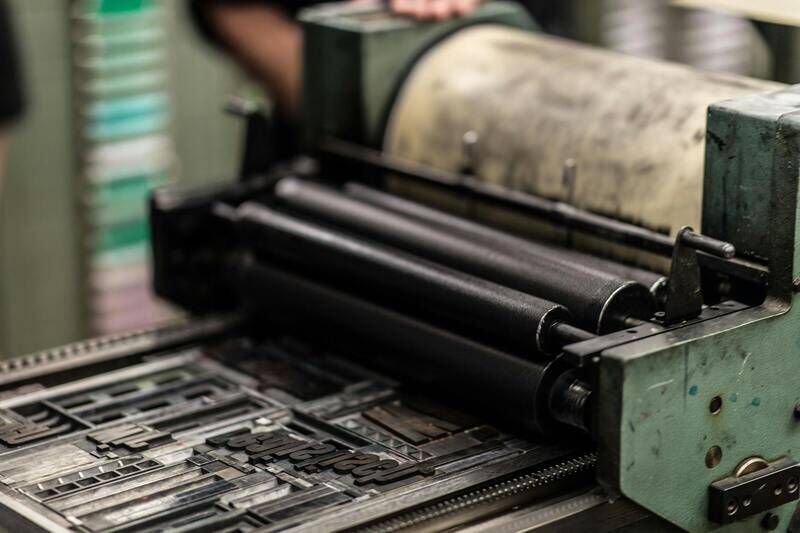
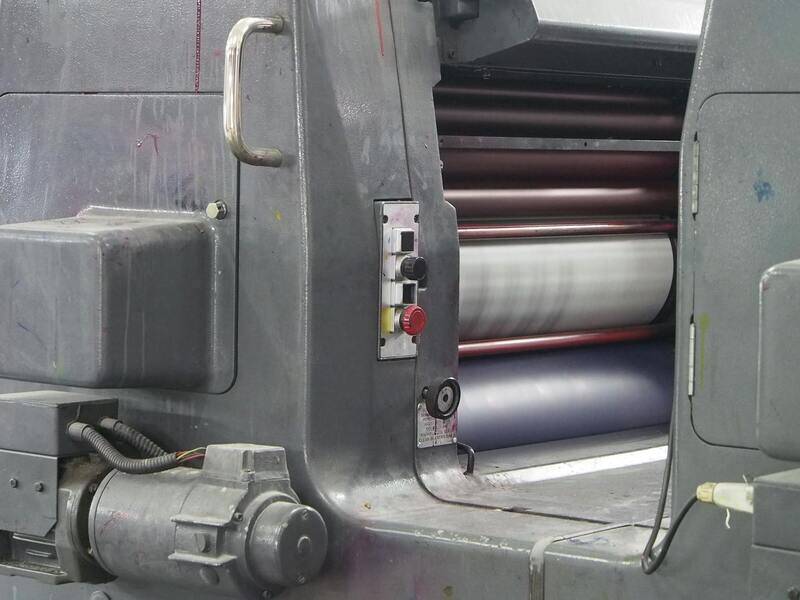
Advanced printing methods can dramatically influence the final look and feel of a business card. Traditional offset printing remains popular for its high quality and consistency, especially when printing large quantities with detailed designs. Digital printing offers flexibility and faster turnaround times, ideal for smaller batches or customized cards.
Special finishes like matte, gloss, or satin enhance visual appeal while providing protection against scratches and fingerprints. Techniques such as spot UV coating add gloss on specific areas for visual contrast, whereas foil stamping can create eye-catching metallic effects, elevating the card’s luxury quotient.
Textured finishes, including linen or velvet, enrich tactile experience, making a card memorable long after the initial exchange. Laminations and varnishes serve to bolster durability, ensuring that the card maintains its refined appearance despite frequent handling.
Quantity and Cost Factors
Cost efficiency often correlates with the number of cards ordered. Larger runs typically benefit from lower per-unit costs due to economies of scale. However, for startups or businesses seeking promotional materials, smaller quantities with customized designs may justify higher unit prices, emphasizing quality over volume.
Pricing determinants include material choice, finishing techniques, and print complexity. Standard sizes and finishes tend to be more economical, whereas specialty materials and intricate designs increase costs. It's essential to balance budget constraints with the desired impact, ensuring that expense aligns with branding objectives.
Turnaround Time and Delivery Options
Timely delivery is critical for business operations, especially when attending events or launching campaigns. Many professional printing providers in Singapore offer a range of turnaround options, from standard lead times of a few days to expedited services within 24 hours or less.
Delivery methods vary from standard courier to same-day courier services, allowing flexibility based on urgency. Some providers also offer local pickup options, which can be advantageous for quick exchanges or last-minute orders. Clear communication about production schedules and logistical arrangements is essential to meet deadlines without compromising quality.
Understanding Business Card Printing in Singapore
In Singapore, business card printing is a well-established service that caters to diverse industry needs, ensuring professionals can leave a lasting impression through high-quality materials and precise craftsmanship. The process involves several key steps, beginning with selecting the appropriate printing method, which can range from traditional offset presses to modern digital printing technology. Offset printing is ideal for large volume orders, offering consistency and cost efficiency, while digital printing provides flexibility for smaller batches and quick turnarounds.
When exploring your options, reputable printing companies in Singapore employ advanced techniques such as UV coating, embossing, and foil stamping to add texture and elegance to your cards. These finishing touches not only elevate the visual appeal but also enhance the tactile experience, making your business cards stand out in a competitive environment.
The choice of design also plays a significant role in achieving a professional and impactful card. Clear, concise information combined with strategic placement of logos and contact details ensures readability and brand recall. Incorporating brand colors and consistent fonts reinforce your corporate identity, fostering trust and recognition among clients and partners.
A critical aspect of effective business card printing is selecting the right specifications that align with your overall branding strategy. Standard dimensions in Singapore typically conform to international sizes, facilitating easy storage in wallets or cardholders. However, some businesses opt for unique shapes or sizes to distinguish themselves. These creative variations should balance aesthetics with practicality, ensuring the card remains easy to carry and handle.
Reputable printers often utilize high-quality card stocks such as gloss, matte, or textured finishes. The choice of material impacts durability, resistance to wear, and the overall tactile impression. Thicker stocks generally convey a sense of premium quality, making them suitable for executive-level branding, while lighter options may be more budget-friendly for mass distribution.

Understanding Business Card Printing in Singapore
In Singapore, the process of business card printing encompasses several key stages, from selecting appropriate materials to ensuring the final product aligns with your brand identity. Recognizing the significance of a well-crafted business card is crucial; it serves as a tangible representation of your professional image and can leave a lasting impression on potential clients and partners.

The starting point involves choosing the right printing method that matches your branding objectives and budget constraints. Modern printing techniques include digital, offset, and letterpress methods. Digital printing offers quick turnaround times and is suitable for small to medium runs, while offset printing excels in large quantities with vibrant color fidelity. Letterpress, with its tactile embossed effects, adds an element of sophistication, making it ideal for premium branding needs.
Choosing the Right Material and Card Stock
The material selected for your business cards sets the foundation for their tactile quality and durability. Reputable printing services in Singapore typically offer a range of options including gloss, matte, soft-touch, and textured finishes. Each finish provides a distinct visual and tactile effect, catering to different branding styles and target audiences.
- Glossy Finishes: Enhance colors, making images pop with a shiny surface that attracts attention.
- Matte Finishes: Offer a subdued, elegant look with a non-reflective surface, ideal for a professional appearance.
- Textured and Specialty Stocks: Include linen, leatherette, or embossed textures, adding tactile appeal and a premium feel.
Thicker stocks generally convey a sense of quality and durability, making them suitable for executive-level representations. Conversely, lighter stocks may be more practical for bulk distributions, especially in industries where cost-efficiency is prioritized.
Besides aesthetics, environmental considerations are increasingly influencing material choices. Eco-friendly options such as recycled paper or vegetable-based inks are available, supporting sustainable business practices without compromising quality.

Design Elements and Branding Considerations
An effective business card design integrates your company's branding elements seamlessly. This includes logo placement, color schemes, typography, and layout. Consistency with your overall branding strategy ensures recognition and reinforces your corporate identity.
Designing a compelling card also involves balancing aesthetics with functionality. Information such as your name, position, contact details, and social media handles should be clear and legible. Using complementary fonts and strategic spacing enhances readability while maintaining visual harmony.
Optimizing for Cultural Sensitivity
Singapore's diverse cultural landscape underscores the importance of culturally sensitive designs and messaging. Business cards should respect local customs and preferences, which may influence color choices, symbols, and language. For instance, incorporating bilingual information or culturally appropriate motifs can demonstrate respect and understanding of the local market.
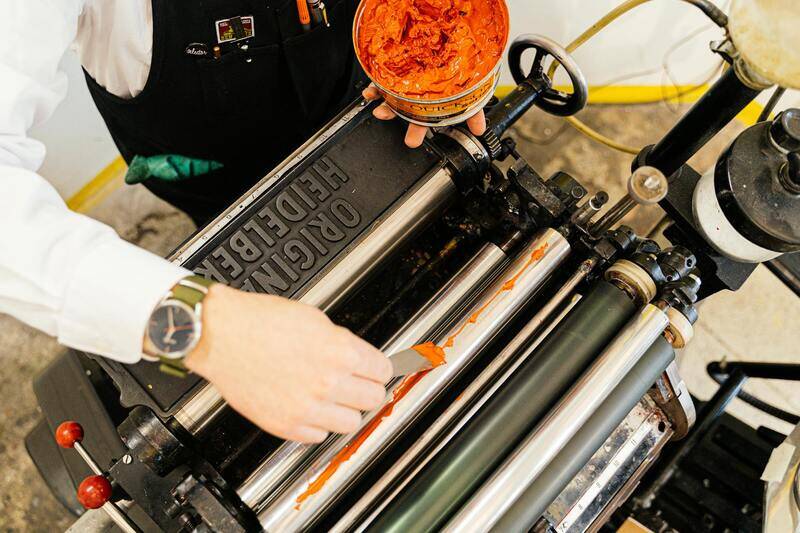
Ultimately, high-quality business card printing in Singapore combines strategic material selection, thoughtful design, and cultural awareness. Partnering with experienced printers ensures these elements are executed flawlessly, resulting in a professional card that not only reflects your brand but also reinforces your credibility within Singapore’s vibrant business environment.
Legal and Cultural Aspects of Business Cards in Singapore
When creating business cards for the Singaporean market, it is essential to consider the various legal and cultural nuances that influence how your card is perceived and accepted. Ensuring that your business card complies with local standards not only reflects professionalism but also facilitates smoother networking and business transactions within the multicultural environment of Singapore.
One of the primary considerations involves the inclusion of accurate and appropriate information. It is standard practice to include the company name, your name, designation, contact details, and sometimes a physical address and email. Maintaining transparency through accurate details helps foster trust and avoids potential misunderstandings or misinterpretations.
Languages used on business cards should be carefully selected to suit your target audience. Bilingual designs, commonly featuring English and Mandarin or Malay, are prevalent and appreciated in Singapore’s diverse context. Proper translation and cultural sensitivity in language choice can significantly enhance communication effectiveness and demonstrate respect for the local customs.

Material selection plays a role beyond aesthetics; some surface finishes and materials may have specific connotations or preferences within different cultural groups. For example, premium finishes like embossing, foil stamping, or matte textures often convey a sense of sophistication, aligning with local business etiquette and expectations.
Additionally, thoughtful attention should be paid to symbols and motifs used in the design. Certain colors, images, or icons may carry specific meanings or associations within different cultures. For instance, red is considered auspicious and prosperous, while certain geometric patterns may be linked to traditional symbolism. Being mindful of these subtle cues can help ensure your business card resonates positively with your audience.
From a legal standpoint, printing sensitive information such as licensing details, certifications, or regulatory identifiers should be verified according to industry standards and local regulations. This not only demonstrates compliance but also reassures clients and partners of your credibility and commitment to operating within Singapore’s business framework.
Overall, integrating cultural awareness and proper informational content into your business card design enhances its effectiveness and brand perception. Partnering with experienced printing providers familiar with Singapore’s local customs ensures your cards are not only visually appealing but also culturally appropriate and compliant with relevant norms.
Legal and Cultural Aspects of Business Cards in Singapore
When creating business cards for the Singapore market, it’s essential to acknowledge the diverse cultural landscape and the subtle nuances that influence professional interactions. While designing and printing, understanding the cultural significance attached to certain symbols, colors, and motifs can significantly enhance the impact of your card. For example, incorporating red hues or auspicious symbols can foster a sense of prosperity and good fortune, aligning with local customs and business etiquette.
In practice, this means selecting design elements that resonate well with the multicultural audience in Singapore. For instance, minimalist styles often match the preferred aesthetic among many Singaporean professionals, but adding elements like traditional motifs or culturally relevant icons can make your card stand out positively. It’s also prudent to avoid symbols or images with potentially ambiguous interpretations, ensuring your design remains universally appropriate and respectful.
Beyond visual elements, the accuracy and clarity of the information presented on your business card are paramount. Precise contact details, correct titles, and authoritative certifications help establish credibility and trust with clients and partners. When featuring certifications, licenses, or regulatory identifiers, verify their current validity and presentation according to the standards set by relevant Singaporean authorities or industry bodies. This diligence not only demonstrates professionalism but reinforces your commitment to transparency and compliance within the local business environment.

In addition, understanding the etiquette surrounding exchanging business cards—known locally as "visiting cards"—can facilitate smoother interactions. Offering your card with both hands or using a respectful gesture underscores professionalism and cultural awareness. Receiving a card also warrants careful handling, showing appreciation by examining it thoughtfully before storing it appropriately.
Since Singapore is a global business hub, including multilingual elements can be advantageous, especially if your clientele is diverse. Incorporating Chinese, Malay, or Tamil translations alongside English may broaden your reach and demonstrate respect for multicultural nuances.
Ultimately, crafting a business card that thoughtfully integrates local customs and provides trustworthy, precise information reinforces your brand’s integrity. Working with experienced printing providers familiar with Singapore’s cultural sensitivities ensures your business cards not only look professional but also resonate positively within the local corporate environment and social expectations.
Understanding Business Card Printing in Singapore
When considering how to effectively showcase your brand in Singapore's vibrant business landscape, selecting the appropriate method for business card printing is essential. The process involves a careful balance of material choice, design elements, and understanding local preferences. High-quality business cards serve as tangible representations of your professionalism, making first impressions last. Collaborating with reputable printing providers like printservicesingapore.com ensures access to a wide array of printing options tailored to meet specific needs, from standard to premium finishes. It is also important to be aware of the standards and conventions prevalent in Singapore, including the use of culturally respectful design elements, to ensure your cards resonate well with local clients and partners.
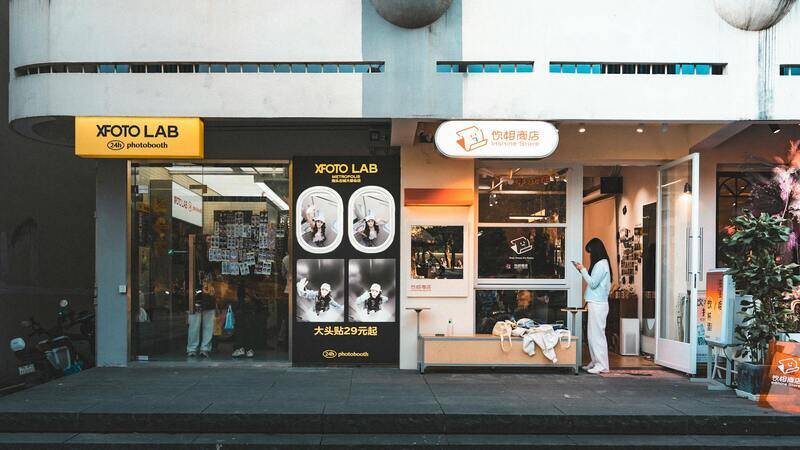
Choosing the Right Material and Card Stock
The choice of material significantly influences the durability, feel, and overall impression of your business cards. In Singapore, common options include:
- Standard cardstock: Cost-effective and suitable for bulk printing, offering a smooth surface ideal for detailed designs.
- Heavyweight paper: Provides a premium feel and more substantial quality, often used for high-end branding purposes.
- Recycled materials: An eco-friendly choice that demonstrates corporate responsibility, increasingly valued in Singapore’s conscientious market.
- Special textures and finishes: Options like linen, textured matte, or gloss finishes add tactile interest and professionalism to your cards.
When selecting your card stock, consider the impression you wish to convey and the longevity needed for your business interactions. Durable materials withstand frequent handling, ensuring your contact details remain intact and legible over time.
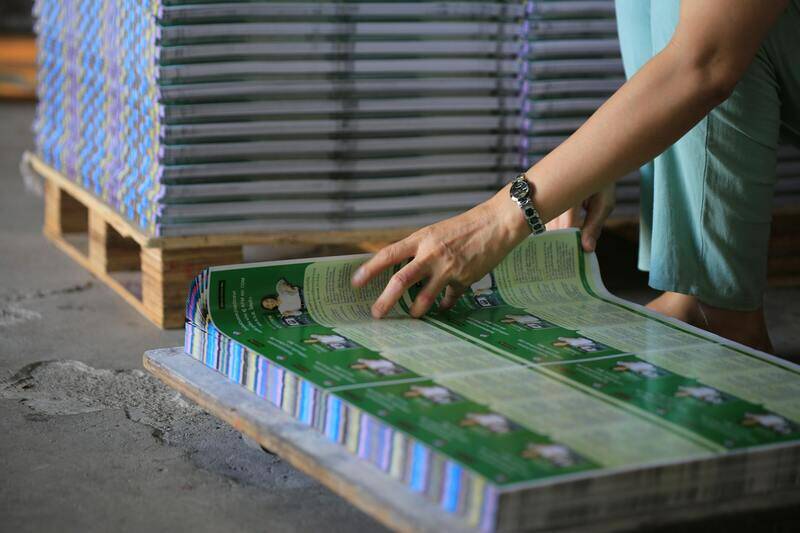
Design Elements and Branding Considerations
Your business card’s design must reflect your brand identity while aligning with local customs. Incorporate elements like your logo, brand colors, and fonts consistently to reinforce recognition. In Singapore’s multicultural environment, including multilingual text—such as Chinese, Malay, or Tamil translations—can broaden your appeal and demonstrate cultural sensitivity.
- Clarity and simplicity: Avoid clutter; focus on essential information such as name, title, contact details, and company logo.
- Visual hierarchy: Use size and color contrasts to emphasize your most important details.
- Inclusion of cultural symbols: Subtle patterns or motifs that resonate with local customs can make your card stand out.
- Consistent branding: Keep fonts, colors, and logos aligned across all marketing materials.
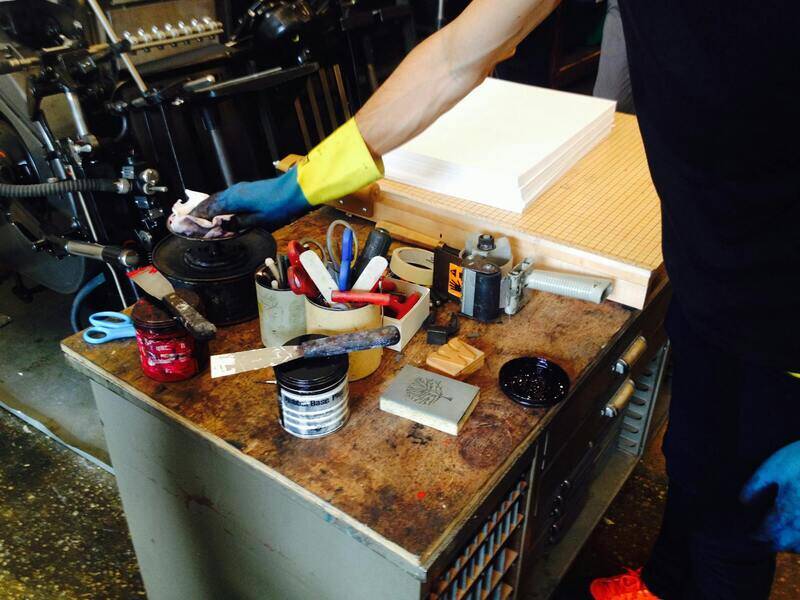
Printing Techniques and Finishes
Printing technology impacts the quality and aesthetic of your business cards. Popular techniques in Singapore include:
- Offset Printing: Ideal for large volumes, providing sharp, consistent images and text with high-quality color reproduction.
- Digital Printing: Suitable for small batches and quick turnaround times, offering flexibility and cost efficiency.
- Letterpress or embossing: Adds tactile dimension, giving your cards a distinctive and luxurious texture.
- Spot UV coating: Highlights specific design elements with a glossy finish, creating visual depth.
Finishing options such as matte, gloss, or soft-touch coatings further enhance the look and feel, making your business cards memorable and pleasant to handle.
Quantity and Cost Factors
Determining the right quantity involves evaluating your expected distribution frequency and budget constraints. Bulk orders generally reduce the unit cost, making them economical for companies with extensive networking needs. Conversely, small quantities may be preferable when testing new designs or entering new markets. Factors influencing costs include:
- Material quality and finishing techniques
- Design complexity and color use
- Volume of cards ordered
- Turnaround time and delivery preferences
Working with an experienced provider ensures transparency in pricing and the ability to customize orders efficiently, aligning with your marketing budget without compromising quality.
Legal and Cultural Aspects of Business Cards in Singapore
When considering the production and distribution of business cards in Singapore, understanding the local customs and expectations is paramount. Business cards are more than just contact information; they serve as a reflection of professionalism, respect, and cultural awareness.
In Singaporean business culture, presenting a well-crafted and thoughtfully designed card is viewed as a sign of respect and attentiveness. It is customary to exchange cards during initial meetings, with care taken to present the card with both hands and to receive the same attentiveness in return. This gesture underscores the importance of humility, mutual respect, and the value of personal relationships in professional settings.
Design considerations should align with local preferences, incorporating elements that resonate culturally or reflect Singapore's vibrant, multicultural identity. For example, incorporating subtle motifs related to local symbols or using understated but elegant color schemes can enhance the impression made on counterparts.
Furthermore, the information displayed on business cards must be accurate and appropriately formatted. Include essential details such as your full name, company name, position, contact number, email, and physical address where applicable. It is also common to include company logos and brand elements that reinforce brand recognition and professionalism.

Given Singapore’s status as a global business hub, businesses are encouraged to maintain high standards of quality in their printed materials. This not only demonstrates credibility but also aligns with the international image that companies wish to project. Ensuring that the cards are printed with durable materials using reputable printing techniques guarantees longevity and a positive impression during handovers.
Ultimately, understanding and respecting cultural nuances and maintaining high standards of quality and professionalism in business card design and production contribute significantly to building trust and fostering successful business relationships within Singapore's dynamic market environment.