Overview of Colour Printing
Colour printing is a fundamental component of the printing industry that transforms digital images and designs into tangible, vibrant physical representations. It involves reproducing a broad spectrum of colours onto various substrates, such as paper, fabric, or plastic, using specialized printing technologies. This process ensures that the final printed materials accurately reflect the original digital design in terms of colour fidelity, detail, and visual appeal. In Singapore, a city known for its dynamic business environment and creative industries, colour printing plays an essential role across numerous sectors, including advertising, marketing, packaging, and corporate branding.
The significance of colour printing lies in its ability to produce impactful visuals that attract attention and evoke emotions. Businesses use colour printing for a variety of purposes, from promotional brochures and posters to packaging and labels. The ability to reproduce precise and consistent colours is critical for maintaining brand identity and ensuring that marketing materials stand out in a competitive marketplace. As technology advances, colour printing has become more sophisticated, enabling higher resolutions, more accurate colour matching, and faster production times, all of which benefit companies seeking to deliver quality materials efficiently.
Within the printing services industry in Singapore, colour printing is a key service that demands a combination of technical expertise, high-quality materials, and cutting-edge machinery. The variety of techniques available allows for tailored solutions depending on the specific application, budget, and turnaround requirements. From small-scale custom prints to large-format banners, colour printing continues to evolve, offering businesses and creative professionals tools to bring their visions to life with clarity and vibrancy.

Types of Colour Printing Technologies
Various technologies underpin modern colour printing, each suitable for different applications and printing volumes. Understanding these technologies helps businesses choose the most appropriate method to achieve their desired results efficiently and cost-effectively.
- Offset Printing: Known for high quality and cost efficiency in large-volume jobs, offset printing uses plates to transfer ink onto paper. It produces sharp images with consistent colour accuracy, making it ideal for brochures, magazines, and packaging materials.
- Digital Printing: This method employs digital files directly onto substrates without the need for plates. It offers quick turnaround times and is suitable for short runs, personalized prints, or projects requiring frequent updates.
- Flexography: Commonly used for packaging and labels, flexography uses flexible relief plates and fast-drying inks to produce vibrant, high-speed prints on a variety of surfaces.
- Inkjet Printing: Using tiny droplets of ink ejected directly onto the material, inkjet printing provides high-resolution images and is often used for promotional banners, posters, and prototypes.
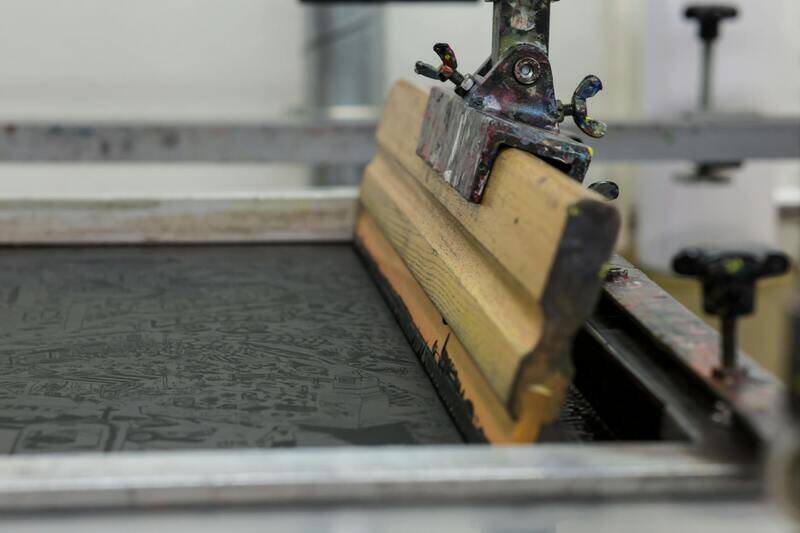
- Screen Printing: Ideal for larger, bold designs on textiles, plastics, or metals, this technique involves pushing ink through a mesh screen onto the substrate.

Overview of Colour Printing
In today's competitive landscape of Singapore's printing industry, colour printing plays a vital role in delivering visually compelling products that meet diverse business needs. With advancements in technology, various methods have emerged to facilitate high-quality, accurate, and efficient colour reproduction. Selecting the right technique depends on factors such as volume, material, desired finish, and budget constraints.
Several primary technologies underpin modern colour printing, each tailored for specific applications and production scales:
- Offset Printing: The industry standard for large-volume print jobs, offset printing offers superior colour consistency and sharp detail. It employs metal plates to transfer ink onto a rubber blanket, which then casts the image onto paper. Its cost-efficiency for bulk orders makes it a popular choice for magazines, catalogs, and packaging materials.
- Digital Printing: Noted for immediate turnaround, digital printing eschews traditional plates in favor of directly transferring digital images onto substrates. This method excels in short runs, personalized prints, and projects where frequent updates are necessary. It also allows for variable data printing, enabling unique customization within each piece.
- Flexography: Often used in packaging and label production, flexography employs flexible relief plates and fast-drying inks. It is highly adaptable, capable of printing on a broad range of substrates such as plastics, metallic films, and paper, producing vibrant and durable images at high speeds.
- Inkjet Printing: Known for high resolution and versatility, inkjet printing deposits tiny ink droplets directly onto the printing surface. This technology is ideal for promotional banners, posters, and prototype models, offering excellent colour gradation and detail precision.
- Screen Printing: Perfect for bold, large-area designs on textiles, plastics, and metallic surfaces, screen printing involves pushing ink through a mesh screen onto the material. Its durability makes it suitable for apparel, signage, and custom merchandise.
Each of these methods supports different industry requirements, from high-volume production to detailed, personalized prints. The choice of technology can significantly impact the final outcome, cost, and production time, emphasizing the importance of understanding these options for optimal results.
Color Accuracy and Calibration
Maintaining consistent colour quality across various printing jobs is critical for brand integrity and customer satisfaction. Precise calibration of printing devices ensures that colours are reproduced accurately and reproducibly, regardless of the substrate or run. This process involves setting standard colour profiles and conducting regular color management protocols, including:
- Utilizing color management software that aligns monitor displays with printed outputs.
- Calibrating printers periodically using spectrophotometers or color calibration tools.
- Implementing standardized colour profiles, such as ICC profiles, tailored to different substrates and inks.
- Performing test prints to identify deviations and make necessary adjustments.
Such meticulous calibration helps prevent colour mismatches, reduces waste, and guarantees that the final product aligns with the original design intent.
Materials Used in Colour Printing
Varieties of materials are employed to achieve specific visual effects, durability, and functionality in colour printing projects. Common substrates include:
- Paper Stocks: From glossy and matte papers to recycled and specialty papers, selecting the appropriate type influences colour vibrancy and overall appearance.
- Plastic Films: Used in packaging, labels, and signage, these surfaces require compatible inks that adhere well and withstand environmental exposure.
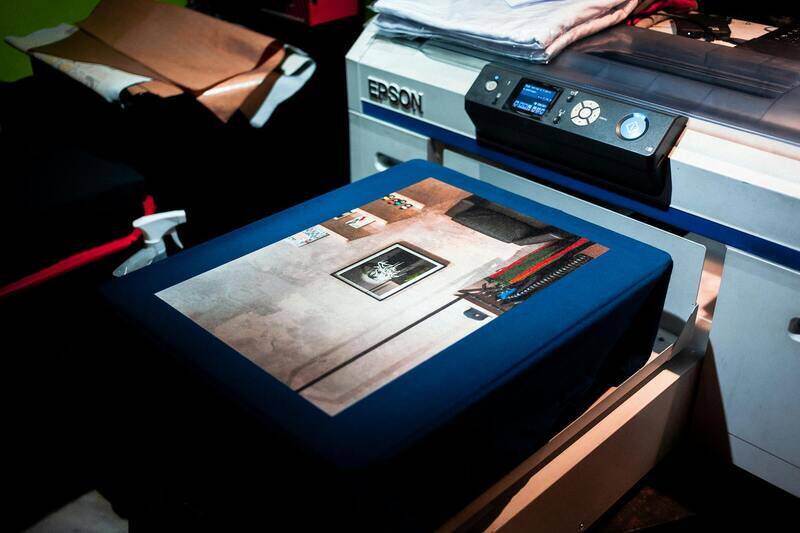
- Textiles: T-shirts, banners, and apparel benefit from textile-compatible inks and printing techniques like screen printing or direct-to-garment methods.
- Metals and Rigid Boards: Display and industrial applications often necessitate printing on metals or thick substrates, demanding specialized inks and surface preparation.
Understanding the properties of these materials enables printers to optimize colour performance, durability, and cost-effectiveness of their projects.
Color Accuracy and Calibration
Achieving precise and consistent color reproduction is fundamental in high-quality colour printing. Variations in factors such as lighting conditions, printer performance, and substrate types can significantly affect the final output. To mitigate these issues, careful calibration of printing equipment and strict color management practices are essential.
One of the primary methods employed is the use of color calibration tools, such as spectrophotometers, which measure the color values of printed samples and compare them with the intended design. Regular calibration ensures that the printer’s output remains true to the original color specifications over time, facilitating consistency across different print runs.
Implementing standardized colour profiles, particularly ICC (International Color Consortium) profiles, enables printers to align their color output with industry-wide standards. These profiles account for variables such as substrate types and ink properties, ensuring that colors are rendered accurately regardless of the medium used. This practice is particularly vital in branding and commercial printing, where color precision directly impacts brand integrity and visual recognition.
In addition to calibration, workflow management software that handles color correction and monitoring can streamline the process. Such software offers real-time adjustments, helping print professionals identify issues early and reduce the wastage of materials. Conducting test prints before large production runs allows for further fine-tuning, catching any discrepancies that might cause color shifts or inconsistencies.
Setting up a robust color management system not only enhances output quality but also minimizes costs associated with reprints and material waste. For clients and designers, this guarantees that the printed product matches the digital proof, preserving design integrity and client satisfaction.
Overall, maintaining color accuracy through systematic calibration and management practices is an investment that results in superior quality prints, stronger brand consistency, and optimized workflow efficiency in colour printing projects.
Materials Used in Colour Printing
Choosing the appropriate materials is crucial for achieving high-quality colour prints that meet specific project requirements. The selection of substrates influences not only the visual appeal but also the durability and interaction of inks with the media. Common materials include various types of paper, cardstock, and specialty substrates, each offering unique characteristics that affect colour vibrancy, sharpness, and longevity.
Paper and Cardstock
Standard coated papers are popular choices in colour printing due to their smooth surface and ability to produce vivid colours. Glossy finishes enhance colour depth and brilliance, making them ideal for promotional materials and high-impact visuals. Matte papers, on the other hand, provide a softer, non-reflective surface suitable for text-heavy documents or art prints where subtlety and colour accuracy are key. Cardstock offers a thicker, more durable option for business cards, event invitations, or product packaging, where durability and colour richness are essential.

Specialty Materials
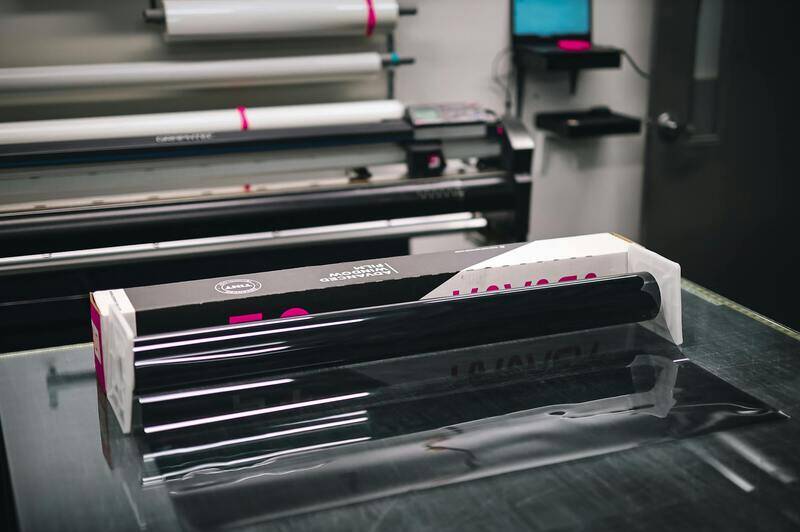
In addition to traditional paper options, specialty materials such as vinyl, fabric, transparent films, and metals are increasingly used in colour printing to achieve unique visual effects and textures. Vinyl and adhesive-backed films are suitable for outdoor signage and vehicle wraps, where colour fastness and weather resistance are critical. Fabric printing caters to promotional apparel and custom textiles, with inks designed to penetrate and set into the material for lasting colour retention. Transparent and semi-transparent films are used for overlay effects in packaging and decorative displays, requiring precise colour control to maintain clarity and vibrancy.
Influence of Material Choice on Colour Output
The interaction between ink and substrate greatly impacts the final colour quality. Porous materials like uncoated papers tend to absorb inks differently than coated or glossy surfaces, which reflect more light and enhance colour saturation. Specialty substrates may require tailored ink formulations or specific printing techniques to optimize colour fidelity and adhesion.
Considerations for Material Selection
- Application: The end-use determines whether durability, vibrancy, or texture is prioritized.
- Compatibility: Ensure the substrate is suitable for the chosen printing technology and inks.
- Cost: Budget constraints might influence the choice of materials without compromising essential quality standards.
- Environmental Impact: Prefer eco-friendly options that align with sustainability goals, such as recyclable or biodegradable substrates.
Optimal material selection, combined with precise colour calibration, ensures that printed outputs meet client expectations and maintain visual consistency across different projects and media.
Advanced Techniques for Ensuring Colour Consistency in Printing
Achieving uniform and vibrant colours across various print runs hinges on meticulous calibration and process control. Industry-standard practices involve using sophisticated colour profiling tools and software to create accurate colour profiles tailored to each printer, substrate, and ink combination. These profiles serve as a reference, ensuring that colours reproduced digitally align with the intended hues in the final output.
printers often employ standardized colour management workflows, including the use of ICC profiles that communicate colour attributes between devices. Regular calibration routines, which encompass adjusting the printer’s ink density, mechanical components, and image processing settings, are vital to maintaining consistency. Such practices minimize colour shifts caused by environmental factors, wear and tear, or material variations.
High-precision measurement instruments like spectrophotometers and densitometers are integral to quality control. These tools objectively quantify colour output and facilitate adjustments to match target colour standards. Implementing a robust quality assurance protocol ensures every batch of prints aligns precisely with client specifications and industry standards.
Importance of Standardized Colour Spaces
Using standard colour spaces such as sRGB, Adobe RGB, or CMYK ensures compatibility across different devices and media. CMYK is primarily used in professional printing, where colour fidelity from digital design to physical output is critical. Converting artwork to these colour spaces before printing guarantees predictable results, especially when dealing with complex colour gradients and subtleties.
Implementing Colour Proofing and Soft Proofing
Before commencing full-scale production, creating colour proofs—both digital (soft proofs) and printed (hard proofs)—helps identify discrepancies early. Soft proofing involves viewing the design on calibrated monitors that replicate the printing environment, allowing adjustments without additional costs. Hard proofs, on the other hand, are tangible samples produced using actual printing conditions, serving as benchmarks for final output quality.
Ensuring Colour Stability Through Controlled Environment
Maintaining a controlled printing environment—regulating temperature, humidity, and light conditions—is essential to prevent variations in ink behaviour and substrate reactions. Stable conditions are especially important during long print runs or when using sensitive substrates that react to environmental fluctuations, which can alter colour appearance.
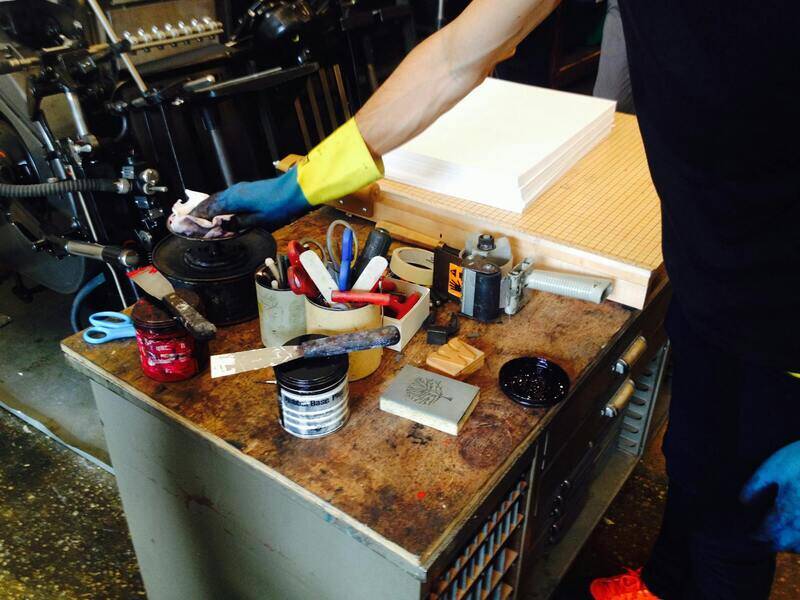
Training staff in proper calibration procedures and colour management protocols further enhances consistent outcomes. Continuous documentation and monitoring of calibration processes help trace deviations and facilitate corrective actions, ensuring the integrity of colour reproduction over time.
Materials Used in Colour Printing
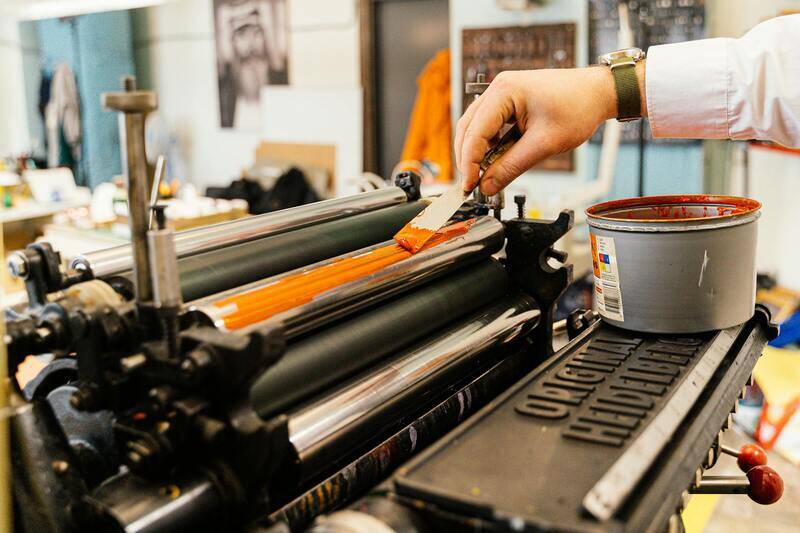
Choosing the appropriate materials is fundamental to achieving vivid, accurate, and durable colour prints. The substrates, including paper, cardstock, vinyl, fabric, and various plastic films, each offer unique properties that influence the final output. For instance, coated papers with smooth surfaces tend to produce sharper images and more precise colour reproduction, making them ideal for high-quality brochures, posters, and photographs. Conversely, uncoated papers may result in softer colour tones, suitable for casual marketing materials. Different print methods may require specific substrates to maximize efficiency and result quality. For example, wide-format UV printing performs well on rigid materials like foam boards and acrylic, often used for signage or display units. Similarly, fabric materials require specialised inks compatible with textile printing processes to ensure colour vibrancy and longevity. Surface textures also play a critical role. Glossy finishes enhance colour brightness and contrast, while matte surfaces provide a subdued, elegant look with less glare. Some substrates incorporate metallic or transparent elements, adding dimension and visual interest to colour printed designs.
Design Considerations for Colour Printing
Effective design is crucial for optimising colour output and ensuring the final product meets aesthetic expectations. Designers should consider color harmony, contrast, and saturation to create impactful visuals that translate well from digital to physical formats. It’s vital to employ colour management tools and software that are colour profile-aware, ensuring consistency across different devices and print runs. When preparing digital artwork, designers must work within specific colour spaces, such as Adobe RGB or sRGB, and convert files to the printer’s colour profile to avoid undesirable shifts. Designing with colour gradients and subtle hues requires careful attention to prevent banding or loss of detail. Incorporating ample bleed and safe margin zones helps prevent unwanted cropping or white borders after trimming. Additionally, understanding how different substrates affect colour rendering allows for better choice of inks and finishing techniques. Embossing, lamination, and varnishes can further enhance colour depth and durability, particularly for premium branding materials.
Official Methods for Enhancing Colour Printing Quality
For businesses and individuals seeking to ensure vibrant, accurate, and consistent colour reproduction in their printing projects, reliance on proven, legitimate techniques is essential. These methods prioritize precision and durability, maintaining high standards throughout the printing process.
One fundamental approach involves comprehensive color calibration of printing devices. Calibration ensures that printers produce colour outputs that match digital designs precisely. Regular calibration routines utilize standardized color charts, such as those based on ISO or industry-specific profiles, to adjust device settings accordingly. This process helps mitigate color drift caused by factors like printer wear, environmental conditions, or material variations.
In addition to device calibration, employing advanced color management software can significantly enhance output predictability. These tools design workflow pipelines that utilize embedded color profiles, facilitating seamless conversion between different colour spaces (e.g., RGB to CMYK). This conversion is crucial because digital images typically use RGB colour space, whereas printing inherently relies on CMYK inks. Proper management prevents colour mismatches and ensures consistent results across multiple print runs.

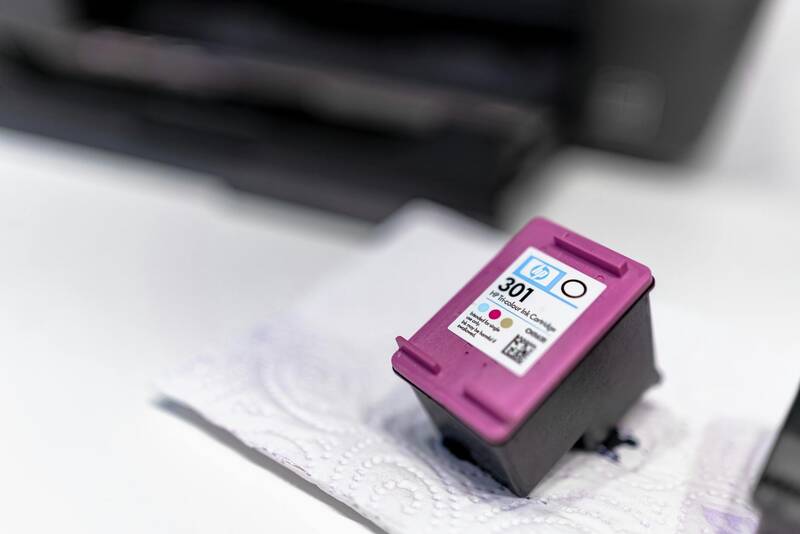
Choosing high-quality inks tailored to specific substrates is another key factor. Manufacturers offer a wide range of inks with varying formulations designed for durability, vibrancy, and compatibility with different materials. Using the right ink type—including UV-curable, solvent-based, or aqueous inks—ensures colour stability and longevity, especially for outdoor signage or long-term branding materials.
Proper substrate preparation also plays a vital role in colour fidelity. Surfaces must be clean, smooth, and free of contaminants to allow uniform ink adhesion. In some cases, applying primer or special coating prior to printing can enhance colour vibrancy and protect underlying layers from damage.
Quality-assured finishing techniques, such as precise lamination, clear varnishing, or embossing, can further improve the visual depth and durability of printed colours. Finishes not only elevate aesthetic appeal but also protect colours from environmental factors such as UV exposure, moisture, and abrasion.

Implementing these meticulous, standard-approved practices ensures that colour printing outcomes are consistent, vibrant, and professionally executed, fulfilling the expectations of clients and elevating brand presentations. By adhering to these proven methods, print providers in Singapore and beyond uphold the integrity of their colour reproductions and sustain their reputation for excellence in print quality.
Ensuring High-Quality Colour Printing: Official Methods and Best Practices
Precision Color Matching and Standardized Color Management Systems
Achieving precise and consistent colour reproduction in professional printing requires the implementation of advanced color management systems (CMS). These systems integrate standardized colour profiles, such as ICC profiles, which enable accurate translation of colours across different devices and substrates. By calibrating printers, monitors, and proofing equipment regularly, print service providers can maintain colour consistency throughout the production process.
Color matching processes involve using colorimeters or spectrophotometers for precise measurement. These instruments analyze sample prints and compare them against predefined standards, guiding adjustments to ink formulations, printing parameters, or media choices. This rigorous approach minimizes colour deviations, ensuring that the final output aligns perfectly with clients’ specifications or brand guidelines.

Implementation of Industry-Standard Proofing Techniques
Proofing is a critical step that validates colour accuracy before the full print run. When manufacturers employ official proofing methods, such as contract proofs or digital match prints, they simulate the final output using industry-accepted standards. These proofs serve as reference points, allowing clients to review and approve colours with confidence.
Digital proofing technologies, including soft proofing on calibrated monitors and high-quality inkjet or toner-based proof printers, provide rapid and cost-effective ways to preview colours. For larger projects or sensitive materials, physical proofs created with approved colour profiles offer the most reliable preview, reducing the risk of costly colour corrections during production.
Adherence to Certified Printing Standards and Protocols
Using officially recognized standards, such as ISO 12647 or GRACoL, ensures that processes meet established criteria for colour reproduction, consistency, and quality. These standards define parameters for ink density, dot gain, halftone screening, and colour gamut limits, guiding print providers in maintaining systematic quality throughout production.
Official training and certification programs for operators also reinforce adherence to these standards, fostering an environment of professionalism and technical competence. By following certified procedures and maintaining comprehensive documentation, printing establishments demonstrate their commitment to delivering trustworthy, high-standard colour outputs.
Quality Control and Inspection Protocols
Consistent quality control involves regular inspection of printed samples at various stages of production. Official inspection methods include visual assessment under controlled lighting and quantitative measurements using densitometers or spectrophotometers. These tools help identify issues such as colour shifts, registration errors, or ink inconsistencies.
Maintaining detailed records of inspection results and corrective actions ensures traceability and continuous improvement. Integrating automated inspection systems where applicable can further enhance reliability, enabling early detection of problems and reducing waste or rework.
Training and Certification of Printing Personnel
Ensuring that staff members are trained in official colour management techniques and standards is fundamental. Accredited training programs provide in-depth knowledge on calibration procedures, colour profiling, substrate preparation, and quality assurance protocols. Well-trained personnel are better equipped to handle complex colour workflows, execute meticulous adjustments, and uphold high standards consistently.
The continuous professional development of team members, supported by industry certifications, affirms a print company's dedication to excellence and adherence to best practices. Employers investing in staff training reinforce their commitment to producing reliable and vibrant colour prints that meet the highest official standards.