Overview of Large Picture Printing
Large picture printing refers to the process of creating oversized images designed for display in prominent public or private spaces. This form of printing is characterized by its ability to produce images that are visually impactful and capable of capturing attention from a distance. Typically, these prints serve as focal points in environments such as retail outlets, corporate offices, exhibitions, and outdoor advertising campaigns. The primary goal of large picture printing is to convey messages effectively through high-quality visuals that can be appreciated even when viewed from afar.
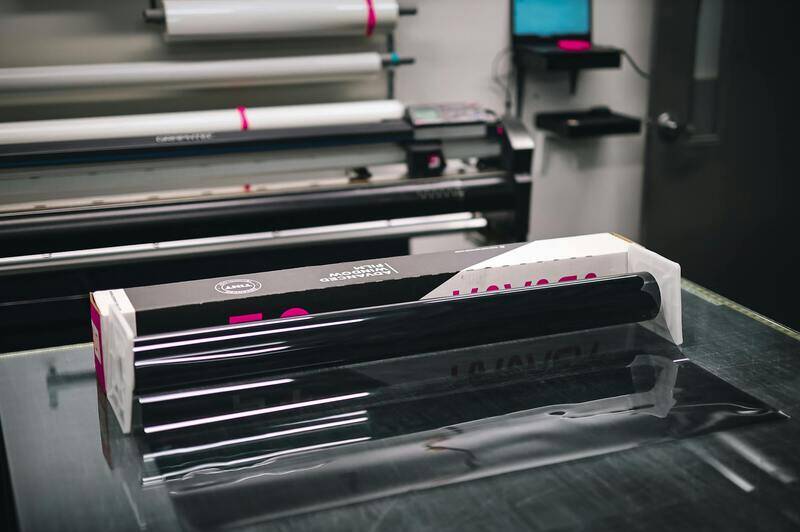
The importance of high-quality output in large picture printing cannot be overstated. A well-executed large print can enhance brand visibility, communicate complex messages, and create an immersive experience for viewers. Using advanced printing technology ensures that colors remain vibrant and details are sharp, which is essential for maintaining the integrity of the original design. Moreover, the durability of large prints is crucial, especially for outdoor applications where exposure to weather elements can affect the longevity of the display.
Common applications of large picture printing include:
- Billboards and outdoor advertisements
- Event and trade show banners
- Interior wall murals
- Point-of-sale displays
- Photographic murals for interior decoration
The selection of appropriate printing methods and materials directly impacts the overall visual appeal and durability of the final product. Ensuring that the printing process aligns with the environmental conditions and lighting of the display area is essential for achieving optimal results. As demand for high-quality large format images continues to grow, professional printing services specializing in large picture printing play a pivotal role in delivering consistent, professional-grade outputs that meet diverse client needs.
Materials Used in Large Picture Printing
Choosing the right materials is fundamental to producing high-quality large pictures that are both visually striking and durable. The most common substrates include vinyl, fabric, paper, and rigid materials such as foam board, acrylic, and metal panels. Each material offers unique advantages tailored to specific display environments and purposes.
Vinyl banners, for example, are highly flexible and weather-resistant, making them ideal for outdoor advertising and prolonged exposure to elements. They can endure rain, sunlight, and wind without significant deterioration, ensuring longevity and consistent visual appeal. Fabric materials, especially those used in backlit displays or interior murals, provide a softer aesthetic with vibrant color reproduction. They also tend to have more vivid textures that enhance visual depth.
Rigid materials like foam board and acrylic are frequently employed for mounted displays and exhibition panels. Their robustness makes them suitable for indoor environments where stability and a premium look are essential. Metal panels, such as aluminum or stainless steel, are favored for industrial or high-end architectural applications, offering both durability and a sleek, modern finish.
The choice of material also influences the visual impact; matte surfaces reduce glare for indoor displays, while gloss finishes enhance color vibrancy and sharpness. Anti-reflective coatings can be applied on specific materials to improve visibility in brightly lit areas. It is crucial to select the appropriate material based on the intended use, environmental exposure, and the desired aesthetic outcome.
When selecting printing media, consideration should be given to factors such as UV resistance, water resistance, and ease of installation. Additionally, the compatibility of the material with printing technology—such as solvent or UV-curable inks—is essential to ensure the final print's quality and durability. Collaborating with professional printing services can provide valuable insights into the most suitable materials for specific projects, ensuring that the end product meets expectations in terms of aesthetics, functionality, and longevity.
Overview of Large Picture Printing
Large picture printing encompasses a range of specialized printing processes designed to produce expansive visuals that maintain high resolution and color fidelity across vast surfaces. This form of printing is integral to many sectors, including advertising, interior design, art exhibitions, and corporate branding, where impactful visual representation is vital. The primary objective is to generate images that captivate viewers and withstand environmental challenges over time.
Utilizing advanced digital and traditional printing technologies, large picture printing can be customized to fit diverse specifications, from indoor murals to outdoor billboards. It offers unmatched flexibility in scale, enabling the reproduction of artwork, photographs, or graphic designs at sizes that preserve detail and clarity. The choice of technique and material depends on factors such as placement environment, desired durability, and budget considerations.
Types of Large Printing Techniques
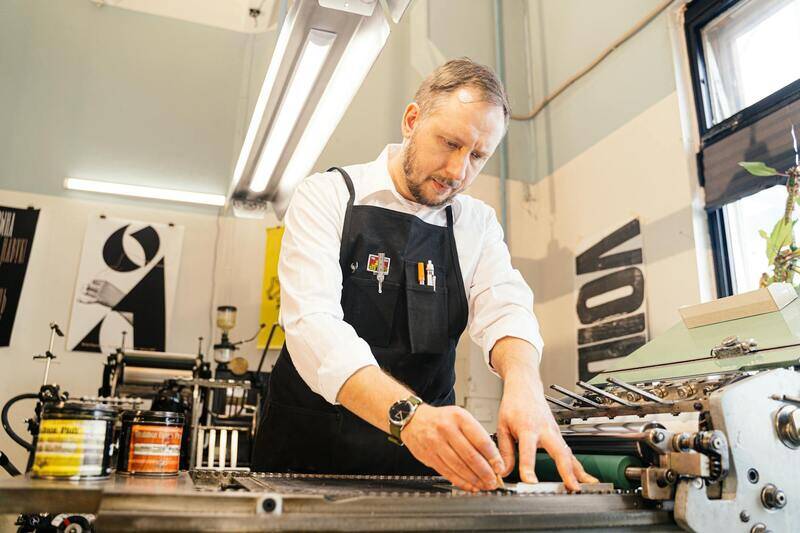
Several methods facilitate large picture printing, each suited for specific applications and materials:
- Solvent and Eco-Solvent Printing: Ideal for outdoor banners and signage, these techniques utilize solvent-based inks that provide excellent weather resistance and vibrant colors. They are suitable for flexible substrates like vinyl and canvas.
- UV Printing: This technology employs ultraviolet light to cure ink instantly, allowing direct printing onto rigid surfaces such as acrylic, metal, and wood. It delivers sharp images with a durable finish, perfect for architectural features and art displays.
- Latex Printing: Known for its eco-friendliness and flexibility, latex printing produces high-quality images with excellent stretch and weather resistance, making it suitable for large banners and vehicle wraps.
- Giclée and Pigment Printing: While traditionally used for fine art reproductions, advanced giclée printers can produce large images on canvas or fine art papers with a high degree of detail and color stability.

Materials Used in Large Picture Printing
Material selection is crucial in large picture printing, influencing both aesthetic qualities and durability. Common media include:
- Vinyl: Highly versatile and weather-resistant, vinyl is perfect for outdoor banners, murals, and vehicle wraps. It can be printed with various finishes, including matte and gloss, for different visual effects.
- Fabric: Suitable for soft signage, banners, and indoor fabric wall art, fabric can produce vibrant, textured visuals with a premium feel. It often requires special printers capable of handling fabric substrates.
- Canvas: Often used for art reproductions and gallery-quality displays, canvas provides a textured finish that enhances the artistic appeal of large prints. It is generally coated with a protective layer to prevent damage from UV rays and moisture.
- Paper and Fine Art Media: Used mainly in indoor settings, high-quality papers and fine art substrates ensure detailed reproductions with accurate color rendition.
Choosing the right material depends on the location of the display, environmental factors, and the desired aesthetic. Material compatibility with printing technology, such as UV or solvent inks, also impacts the final product’s longevity and appearance.
Materials Used in Large Picture Printing
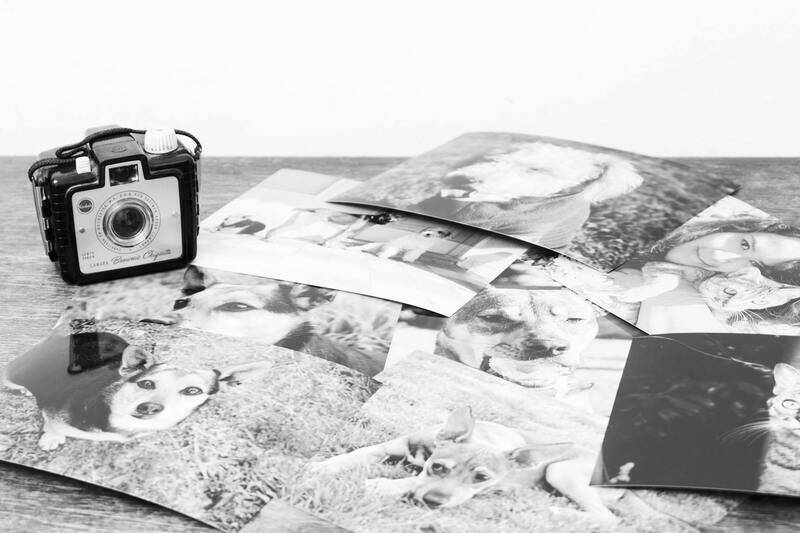
Selecting the appropriate material for large picture printing is essential to achieve the desired visual effect, durability, and suitability for the intended environment. The choice of media impacts not only the aesthetic appeal but also the longevity and maintenance requirements of the final product.
Vinyl
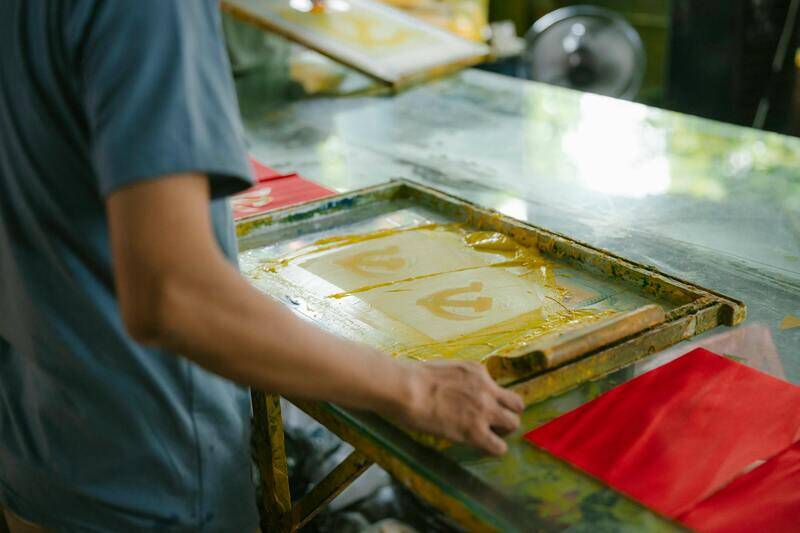
Vinyl remains a popular choice for large format prints due to its high versatility and weather resistance. It is extensively used in outdoor signage, banners, murals, and vehicle wraps. Vinyl surfaces can be printed with a variety of finishes, including matte for reducing glare or gloss for vibrant, eye-catching visuals. The flexible nature of vinyl allows for installations on curved surfaces and complex structures, making it ideal for large-scale outdoor displays that need to withstand environmental elements over extended periods.
Fabric
Fabric materials are favoured for soft signage, indoor banners, and artistic wall art. The textured surface of fabric conveys a sense of depth and softness, often producing more vibrant and nuanced colors. These materials are typically handled with specialized printers capable of printing directly onto textiles, allowing for high-resolution images that add a tactile quality to large installations. Fabric prints are often used for event backdrops or gallery displays, where visual impact combined with a soft finish is desired.
Canvas
Canvas media is most commonly associated with fine art reproductions and gallery-quality displays. It provides a textured finish that enhances the artistic aspect of the image, replicating the qualities of traditional paintings. Canvas prints are usually coated with protective layers to prevent UV damage and moisture, extending their lifespan both indoors and in controlled outdoor environments. The durability and aesthetic appeal of canvas make it suitable for prominent display pieces, visual storytelling through murals, or art exhibits that require a high level of detail and texture.
Paper and Fine Art Media
High-quality papers and fine art substrates are predominantly used for indoor large prints requiring detailed color accuracy and resolution. These materials are ideal for reproductions of artworks, photographic displays, and detailed maps. They often involve pigment-based inks that provide a wide color gamut and excellent longevity when matched with proper protective coatings. The choice of paper or fine art media depends heavily on the intended viewing environment, with archival qualities being a priority for preservation purposes.
Material Compatibility and Environmental Considerations
Optimizing large picture quality involves aligning material properties with the chosen printing technology—be it UV, solvent, or aqueous inks. Compatibility affects not only the visual results but also the print’s resistance to environmental factors such as UV exposure, moisture, and temperature fluctuations. For outdoor applications, weather-resistant materials like vinyl or laminated fabrics are recommended. Indoor settings benefit from materials like fine art papers or fabric, which offer enhanced color stability and aesthetic refinement.
Ultimately, the decision on material selection should factor in the display location, environmental conditions, maintenance needs, and budget constraints. An understanding of these elements ensures that the large printed image maintains its visual integrity and impact over time, providing a compelling and durable display.
Design Considerations for Large Prints
Creating impactful large pictures necessitates meticulous attention to design elements that ensure the final print captures the intended visual narrative. When designing for large-scale printing, resolution plays a crucial role; images should ideally be prepared at a minimum of 300 DPI at the final print size to maintain clarity and detail. Vector graphics are preferred for designs involving logos or illustrations due to their scalability without loss of quality, whereas raster images must be high-resolution to prevent pixelation.
Color choices should be deliberate, considering the viewing environment and desired mood. Bright, vibrant colors can draw attention and evoke strong emotional responses, but they must be calibrated accurately to appear consistent across different viewing conditions. Using color profiles compatible with the printing process helps in achieving precise color reproduction, especially important for artwork, branding, or photographic displays.
Composition and layout are equally vital. Large prints often serve as focal points within a space, so balance, proportion, and visual hierarchy should guide the design process. Incorporating negative space can prevent the image from appearing cluttered, ensuring viewers are drawn to the main elements. When designing for indoor displays, consider how ambient lighting influences the visibility and vibrancy of the print; matte finishes can reduce glare, while gloss finishes enhance colors but may produce reflections.
Furthermore, integrating protective elements such as lamination or UV coatings during printing can extend the lifespan of the artwork or display, safeguarding against environmental damage and handling. Attention to detail during the design phase ensures that the large picture not only looks stunning upon installation but also maintains its visual impact over time.
Design Considerations for Large Prints
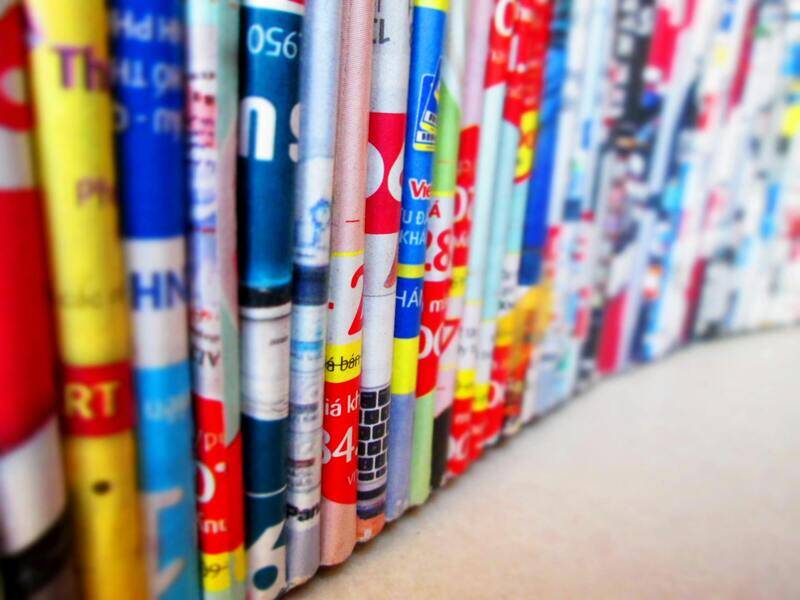
When preparing artwork or photographs for large picture printing, meticulous attention to design elements ensures the final output is compelling and visually balanced. Key factors include image resolution, composition, and material selection. Adequate resolution is vital; images should be at least 300 DPI at the final print size to maintain clarity and detail, avoiding pixelation that can detract from the visual quality.
In terms of composition, large-scale displays function as focal points within a space. This requires thoughtful layout planning—ensuring that the main subject is prominent and that visual hierarchy guides the viewer's eye naturally across the piece. Negative space can be strategically employed to prevent visual clutter, creating a balanced design that allows viewers to absorb the image without distraction. Consideration should also be given to the placement within the intended environment, taking into account factors such as lighting and viewing angles.
Material Choices for Design Durability and Visual Impact
Choosing the right substrate is essential for achieving the desired aesthetic and longevity. Common materials include:
- Canvas: Offers a textured, artistic feel, suitable for murals or gallery displays.
- Vinyl: Durable and weather-resistant, ideal for outdoor signage and banners.
- Aluminum: Provides a sleek, modern look with excellent durability and resistance to environmental elements.
- Paper-based materials: Used primarily for indoor applications like posters and photographic displays, especially when combined with protective coatings.
Designers should consider how different substrates interact with print finishes—such as matte, gloss, or satin—to enhance visual effects and durability. For example, matte finishes can reduce glare in brightly lit environments, whereas gloss finishes can amplify color vibrancy and depth.
Color Management for Consistent Results
Ensuring accurate color reproduction in large picture printing involves calibration of the digital file and careful handling of color profiles during printing. Incorporating professional color management workflows allows consistent rendering across different devices and outputs. This process involves using standardized color profiles (such as Adobe RGB or sRGB) during editing and ensuring the printer employs calibrated inks and profiles aligned with the chosen material.
High-quality color management not only guarantees the visual integrity of photographic or artwork reproductions but also preserves branding elements that depend on precise color matching. For prints intended for commercial displays, consistent color rendering is crucial for maintaining brand standards and viewer impact.
Optimizing Visual Impact
To maximize the visual appeal of large pictures, attention should be given to layout and viewing distances. Large prints with high contrast and vivid colors tend to attract greater attention from afar, making them suitable for expansive commercial or public spaces. Conversely, detailed images require viewers to approach closely, emphasizing clarity and fine details.
In addition, the final print can be enhanced with protective coatings or lamination to safeguard it from environmental wear while maintaining visual quality. Choosing the appropriate coating depends on the projected display environment and desired longevity, with options ranging from UV coatings to anti-scratch layers.
Installation and Maintenance of Large Prints
Proper installation is crucial for maintaining the visual impact and structural integrity of large picture prints. Given their size and weight, professional mounting techniques are recommended to prevent damage and ensure stability. This involves selecting appropriate hardware, such as heavy-duty rails, straps, or specialized frames, that can support the dimensions of the print safely. Additionally, environmental considerations play a significant role; for outdoor displays, weatherproofing measures like sealed frames and protective coatings are essential to mitigate exposure to elements such as UV rays, moisture, and temperature fluctuations.
Handling large prints requires careful planning to avoid creases, tears, or distortions during transportation and installation. This includes using suitable transportation containers, padded coverings, and protective film during movement. Once at the installation site, professionals ensure that the print is correctly aligned and tensioned, preventing sagging or warping over time.
Ongoing maintenance is vital to preserve the quality of large prints, especially in settings with high exposure to environmental factors. Routine cleaning involves gentle dusting with soft, non-abrasive cloths and, if necessary, mild cleaning solutions compatible with the print material and ink used. Avoiding harsh chemicals or abrasive materials prevents surface damage and color fading.
Additionally, periodic inspections should be conducted to identify any signs of deterioration, such as bubbling, peeling, or fading. Prompt repairs or touch-ups can extend the lifespan of the print significantly, maintaining its original visual appeal. Environmental controls like UV filters, climate regulation, and protective coverings further enhance longevity, particularly in high-traffic or outdoor environments.
Maintaining optimal lighting conditions, with appropriate lighting angles and intensity, also plays a role in showcasing large images effectively. Using diffused or LED lighting minimizes glare and highlights details without compromising the visual clarity of the artwork or signage.
By following these installation and maintenance practices, organizations and individuals can enjoy vibrant, high-quality large picture displays that stand the test of time, whether in commercial, public, or private spaces. Proper handling, protective measures, and routine care collectively ensure that each large print retains its intended visual impact long-term.
Installation and Maintenance of Large Prints
Proper installation of large picture prints is crucial to ensure their visual impact and longevity. This process begins with selecting an appropriate mounting method that suits the print material and environment. For indoor applications, framing with UV-protective glass or acrylic provides mechanical protection and enhances visual clarity. Wall mounting should utilize sturdy anchors that can support the weight of the print while ensuring it remains securely fixed in place. Outdoor installations require weather-resistant mounting hardware and surfaces that can withstand environmental fluctuations.
Once installed, maintaining large printed visuals involves regular cleaning and inspection routines. Dust accumulation can diminish the vibrancy and clarity of the image; therefore, gentle dusting with soft, lint-free cloths is recommended. For stubborn dirt, use mild cleaning solutions specifically designed for the material—avoid abrasive chemicals or scrubbers that could scratch or damage the surface. When cleaning outdoor large prints, particularly banners or vinyl wraps, it's essential to schedule periodic inspections to identify any signs of wear, such as tears, fading, or peeling.
Environmental factors significantly influence the condition of large prints. UV exposure, humidity, and temperature fluctuations can accelerate deterioration. Installing UV filters or applying protective coatings during the printing process can substantially enhance resistance to fading. In outdoor settings, periodic reapplication of protective sprays or laminates helps prolong the lifespan of the print.
Environmental Control and Protective Measures
- UV Filters: Blocking harmful ultraviolet rays to prevent color fading.
- Climate Regulation: Ensuring stable temperature and humidity levels to minimize material stress.
- Physical Barriers: Installing covers or shields to guard against debris, rain, and other environmental contaminants.
- Routine Inspections: Regularly checking for signs of deterioration and addressing issues promptly.
Lighting Considerations
Proper lighting enhances the visual impact of large images. Using diffuse LED lighting reduces glare and evenly illuminates the artwork or signage. Adjustable lighting allows fine-tuning to highlight specific details without causing reflections or shadows. Maintaining consistent lighting conditions also preserves the integrity of the color presentation over time.

It is essential to plan the placement of large prints in a manner that minimizes environmental stress factors. For example, avoiding direct sunlight exposure or positioning prints away from heat sources helps prevent premature fading and surface damage. Additionally, supporting structures should be sturdy enough to prevent movement or accidental impacts that could cause damage.
Long-Term Preservation Strategies
Conservation involves a combination of protective coverings, environmental controls, and meticulous handling. Archival-quality materials, such as acid-free backing and UV-resistant framing components, contribute to preserving the print's vibrancy. When not on display, storing large prints in controlled environments—preferably rolled on acid-free tubes or flat with protective covers—reduces risk of deformation and deterioration over time.
Engaging professional conservators for routine maintenance and assessment can further preserve the integrity of high-value or historically significant large prints. Proper documentation of the printing and installation process also facilitates ongoing care and potential restoration efforts.