Large Format Photography Printing: Techniques, Materials, And Best Practices
Understanding Large Format Photography Printing
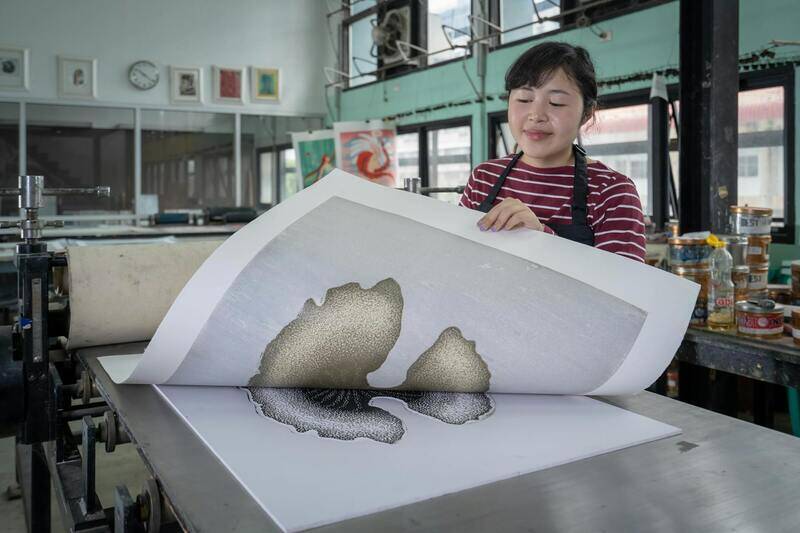
Large format photography printing refers to the process of creating high-quality, expansive images suitable for various professional, artistic, and commercial applications. This specialized printing technique enables photographers, artists, and businesses to produce visual displays that command attention and convey intricate details. The significance of large format printing extends across several industries, including advertising, interior design, fine arts, and exhibitions, where impactful visual presentation is essential.
The primary advantage of large format photography print lies in its ability to maintain sharpness, color depth, and clarity even at expansive dimensions. This makes it ideal for wall murals, billboard advertisements, gallery exhibitions, and retail displays. The method also allows for custom framing, mounting, and material options to enhance aesthetic appeal and ensure durability.
In artistic pursuits, large format prints serve as powerful mediums for visual storytelling and far-reaching creative expression. Professional photographers frequently leverage this printing method to showcase their work at events and art shows, providing viewers with an immersive experience. Meanwhile, commercial entities utilize large format prints to create brand visibility and environmental graphics, transforming spaces with visually compelling content.
The process involves high-resolution image capture, meticulous file preparation, and precise printing execution, all of which contribute to producing vibrant, life-sized representations of digital or analog images. Given their substantial size, these prints often become focal points within gallery settings, public spaces, or corporate environments. Their capacity to engage audiences visually and emotionally underscores the importance of selecting suitable printing techniques and materials.
Photography printed at large scale accentuates details and color vibrancy, making it a compelling visual statement in any setting.
The evolution of printing technologies over recent years has expanded possibilities for delivering high-quality large format images efficiently and with precision. As a result, more people and businesses now recognize the importance of partnering with specialized printing providers to meet their unique display needs. From crisp billboard displays to intricate art reproductions, large format photography printing offers a versatile and impactful solution for producing visually arresting, professional-grade images at an impressive scale.
Choosing the Right Printing Materials and Media
Selecting appropriate materials is crucial for achieving the desired visual impact and durability in large format photography printing. The choice of media influences not only the aesthetic quality of the final product but also its longevity and suitability for specific display environments.
Commonly utilized media include fine art papers, canvas, vinyl, and polyester films. Each offers unique characteristics tailored to different presentation goals.
Fine Art Paper: Ideal for detailed photographs and art reproductions, fine art paper provides a textured surface that enhances depth and detail. It is suitable for gallery displays and collectors, offering archival qualities that preserve prints over time.
Canvas: Known for its textured surface resembling traditional painting, canvas imparts a timeless appeal to photographic prints. It is often used for creating fine art reproductions, portraits, or decorative pieces in interior design.
Vinyl: This versatile and durable material is suitable for outdoor signage and large-scale advertising. Vinyl offers weather resistance and vibrant color reproduction, making it practical for banners and environmental graphics.
Polyester Films: These are lightweight and flexible, perfect for wrap-around applications and situations where a smooth, glossy finish is desired. They can also be laminated for extra protection against UV rays and moisture.
The choice between these materials relies heavily on the intended display environment, anticipated exposure to elements, and the desired visual style. Professionals often recommend using high-quality media sourced from reputable suppliers to ensure consistency, color fidelity, and long-term preservation.
Selection of diverse media options suited for large format photography printing
Optimizing Image Resolution and File Preparation
Achieving high-quality results begins with proper image resolution and meticulous file preparation. Large format printing demands images with sufficient pixel dimensions to maintain clarity and detail when scaled up to substantial sizes.
Resolution: For large prints, a minimum resolution of 150 DPI at the final print size is recommended. However, for most applications, 300 DPI ensures sharpness, especially for detailed images or artworks.
File Format: Use non-compressed formats such as TIFF or high-quality JPEG to preserve image integrity. Files should be prepared with correct color profiles, preferably Adobe RGB or sRGB, to facilitate accurate color reproduction.
Color Management: Before sending files for printing, perform soft-proofing and color checks. Embedding ICC profiles ensures that the colors in your digital files match the printed output closely.
Image Editing: Remove any artifacts, adjust contrast, brightness, and saturation as needed, and ensure that the image is correctly cropped and aligned. Consistent sharpening for output can enhance details without overprocessing.
Proper image resolution and file preparation are essential to ensure sharp and vibrant large format prints
Understanding Large Format Photography Printing
Large format photography printing transforms digital images into striking visuals that dominate any display space. This process demands not only high-quality images but also a comprehensive understanding of printing techniques, materials, and color management to achieve vibrant, long-lasting outputs. The key to exceptional large format prints lies in meticulous attention to detail, from image resolution through to finishing options, ensuring that every aspect aligns with the desired visual impact.
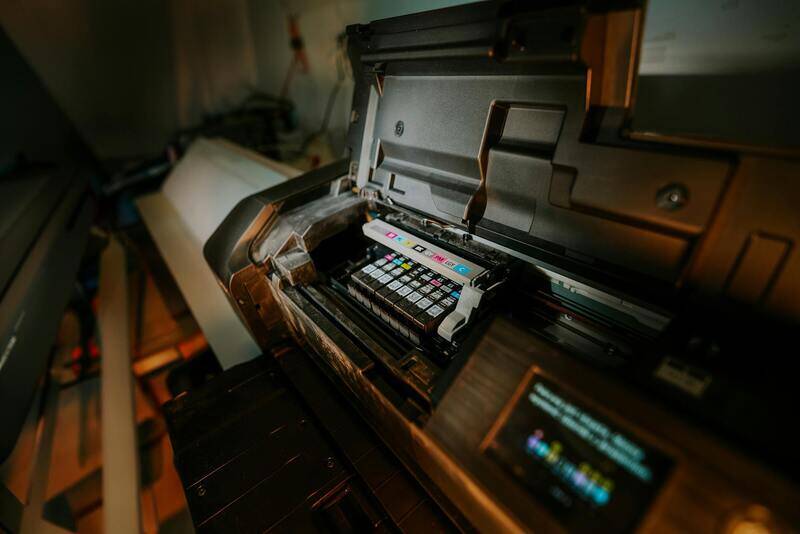
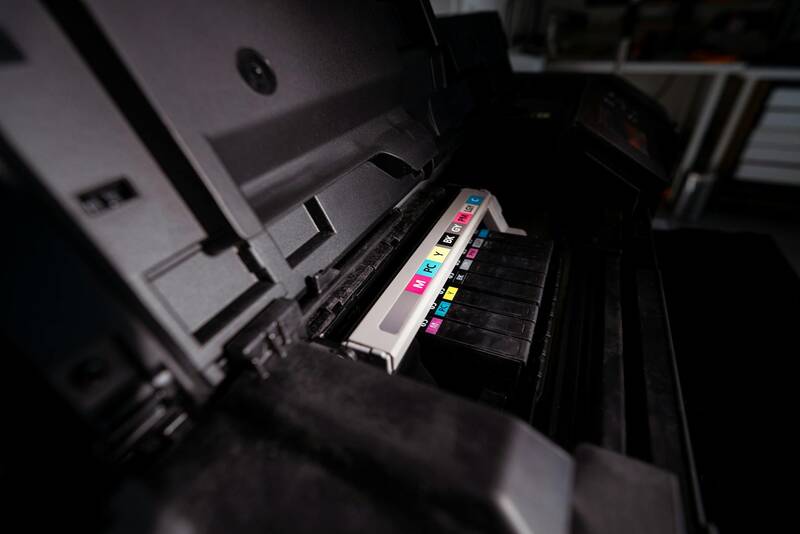
When embarking on large format printing, it’s crucial to recognize the importance of selecting appropriate printing technologies. Advanced inkjet printers, equipped with UV-resistant inks and capable of producing high dpi outputs, stand at the forefront of this field. These printers utilize multiple ink channels to reproduce a broad spectrum of colors and tonal variations, ensuring your photographs retain their depth and richness on a grand scale. The choice of printer influences the overall quality, longevity, and color fidelity of the print, making it vital to partner with a provider equipped with state-of-the-art equipment.
High-quality large format printers utilize multi-channel ink systems to produce vivid, detailed images on various media types.
Beyond technology, understanding the nuances of print resolution is fundamental. For large-scale images, a resolution of at least 150 DPI, scaled appropriately to the final size, guarantees image sharpness without pixelation. Achieving this requires careful file preparation—resizing images while maintaining aspect ratio and ensuring pixel dimensions are sufficient to support the desired print size. High-resolution file formats like TIFF or high-quality JPEG, embedded with accurate ICC color profiles, form the backbone of a successful print process.
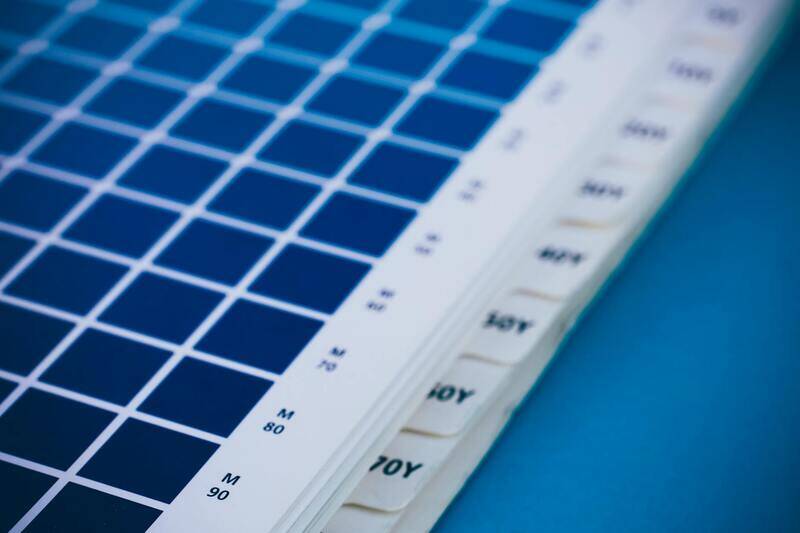
Effective color management practices, including soft-proofing and calibration, are essential to bridge the gap between digital images and their physical reproductions. Embedding consistent color profiles such as Adobe RGB or sRGB ensures that colors are accurately represented. It’s equally important to perform color checks and soft-proofing before printing to anticipate and correct any discrepancies, thus maintaining the integrity of the original artwork or photograph.
Color calibration ensures consistent and accurate color reproduction across various large format printing projects.
Furthermore, image editing plays a pivotal role before printing. Adjustments for brightness, contrast, saturation, and sharpening should be performed thoughtfully to enhance details without over-processing, which could compromise the image’s natural look. Cropping and alignment also need to be precise, ensuring that the composition remains balanced and visually appealing when enlarged.
Ultimately, successful large format photography printing relies on a combination of technical expertise, high-quality materials, and precise file management. This blend guarantees that your images will be rendered with clarity, vibrancy, and durability, providing impressive visual impact and preserving the integrity of the artwork for years to come.
Expert Techniques for Implementing Finishing and Mounting of Large Format Prints
Once a large format photograph has been printed with precision and vibrant color accuracy, the next critical step involves proper finishing and mounting. These processes not only enhance the visual appeal but also ensure durability and ease of display over time. Selecting appropriate finishing options depends on the intended use, environment, and aesthetic preferences, making it essential to understand available techniques and materials for optimal presentation.
Various Finishing Options for Large Format Photography
Finishing techniques can dramatically alter the final presentation, offering a range of textures and protective layers that cater to different display needs:
Glossy Finish: This finish amplifies color vibrancy and sharpness, ideal for high-impact displays where a luminous effect enhances the photograph’s details. However, it may be prone to reflections and fingerprints, requiring careful handling.
Matte Finish: Known for its non-reflective surface, matte finishes reduce glare and are suitable for viewing in brightly lit spaces. They also hide fingerprints and smudges better, offering a sophisticated, subdued look.
Satin or Semi-Gloss Finish: Combining the qualities of both glossy and matte, satin finishes provide rich color depth with minimal glare, making them versatile for various display environments.
Mounting Techniques to Enhance Durability and Presentation
Mounting not only secures the print but also contributes fundamentally to its aesthetic appeal. Several mounting methods are prevalent in large format photography:
Gallery Wrap: In this technique, the print extends beyond the edges of the stretcher bars, creating a seamless, modern look. It is especially popular for canvas prints, providing a clean, frameless presentation that emphasizes the image itself.
Matting and Framing: Adding a mat border and framing provides additional protection and visual separation from walls. Custom-made frames can complement the photograph's style and enhance its display, but require careful selection to avoid detracting from the artwork.
Adhesive Mounting: For posters or paper prints, adhesive mounting onto foam board or plexiglass offers a sleek, lightweight option that is easy to install. This method often requires specialized adhesives that do not cause warping or damage over time.
Hinging and Float Mounting: Techniques that allow the print to 'float' within a frame or mount, creating a suspended, three-dimensional effect. Suitable for high-end displays, this approach emphasizes the artwork’s presence while safeguarding it from environmental damage.
Protective Coatings and Varnishes
Applying suitable protective coatings can significantly extend the lifespan of large format photographs. UV-resistant varnishes shield against sunlight, preventing fading, while anti-scratch coatings preserve clarity and surface integrity. Selecting a durable, non-reflective layer tailored to the environment in which the print will be displayed ensures long-term vibrancy and preservation.
Protective coating application on a large format photograph enhances lifespan and maintains visual impact.
Ultimately, choosing the correct finishing and mounting options requires considering both aesthetic preferences and environmental factors. Well-executed finishing and mounting techniques not only elevate the visual allure of large format prints but also safeguard them against common damages, ensuring they remain stunning for years of display.
Understanding Large Format Photography Printing
Large format photography printing involves more than just enlarging an image; it requires meticulous attention to detail, quality materials, and precise printing techniques to produce stunning, high-resolution images that accurately reflect the photographer's vision. This process must ensure sharpness, color fidelity, and durability, especially given the prominence of large-scale displays. Photographers and clients alike need to understand the intricacies of selecting suitable printing methods that align with their artistic and practical needs, while also recognizing the importance of choosing reputable printing providers equipped with advanced technology and extensive expertise.
Key Considerations for High-Quality Large Format Prints
Resolution and Image Quality: The foundation of a striking large format print is an image of sufficiently high resolution. Files should ideally be prepared with a DPI (dots per inch) that ensures detail is preserved when enlarged, commonly around 300 DPI or higher for close viewing, though larger prints may be printed at lower DPIs depending on the viewing distance.
Color Management: Accurate color reproduction is crucial. This involves an effective calibration protocol for monitors, printers, and proofing materials, ensuring consistency from digital file to final print. Proper color management workflows help maintain the intended hues, tones, and contrasts.
Material Selection: The choice of printing media impacts the visual quality, durability, and overall presentation. Popular media include fine art papers, canvas, vinyl, and backlit films, each offering unique textures and finishes suitable for different display environments and artistic preferences.
File Preparation and Formatting: Files should be prepared in formats compatible with large scale printing, such as TIFF or high-quality JPEGs, with attention paid to color profiles, layers, and bleed margins. Ensuring files are correctly formatted minimizes the risk of distortions or unwanted artifacts during printing.
Choosing the Optimal Printing Technology
Advancements in printing technology offer a variety of options for producing large format images with exceptional clarity and color depth. The most commonly used methods include:
UV-Direct Printing: Ideal for outdoor and industrial applications, UV printing allows direct application onto a broad range of substrates, offering high durability and vibrant color reproduction.
Solvent and Eco-Solvent Printing: Suitable for banners, vehicle wraps, and other outdoor displays, these methods provide excellent color vibrancy and weather resistance.
Giclée Printing: Known for its fine detail and color accuracy, giclée is preferred in fine art applications, producing prints with a broad color gamut and longevity.
Modern large format printing technologies ensure vibrant, detailed, and durable photographic displays.
Ensuring the highest standards in image resolution, media quality, and printing techniques lays the groundwork for achieving professional-grade large format photographs. Collaborating with experienced printing providers who possess state-of-the-art equipment and a thorough understanding of color management and material compatibility is essential for producing artwork that captivates viewers and withstands the test of time.
Finishing Options and Mounting Techniques
To maximize the visual impact and longevity of large format photographs, selecting appropriate finishing and mounting options is essential. These processes not only enhance aesthetic appeal but also contribute to the durability and ease of display in various environments.
Lamination
Lamination involves applying a protective film over the printed image, providing resistance against scratches, UV rays, moisture, and general wear. There are different types of lamination—matte, gloss, and satin—each offering distinct visual effects. Matte lamination reduces glare and fingerprints, ideal for exhibition environments, while gloss lamination enhances color vibrancy and depth. Satin finish provides a balanced sheen suitable for versatile display conditions.
Framing
Framing is a traditional and effective way to showcase large photographs, offering structural support and a polished presentation. Frames come in diverse styles, materials, and colors, allowing for customization to match the artwork’s theme or intended display setting. Skilled framing ensures that the print remains stable, protected from environmental damage, and easy to handle and hang.
Mounting Techniques
Proper mounting secures the print to a rigid backing, preventing warping or sagging over time. Common methods include:
Dry Mounting: Uses heat and pressure to adhere the print to foam board or core material, creating a flat and firm surface.
Wet Mounting: Employs adhesives applied with water or solvent to bond the print to rigid substrates, offering a smooth finish with minimal air bubbles.
float mounting: The print is mounted slightly away from the frame edge, creating a visual “floating” effect that accentuates the artwork.
Considering the display environment and the nature of the photograph will inform the best finishing and mounting approach. For outdoor or high-traffic displays, protective lamination combined with sturdy mounting options ensures the artwork withstands environmental stresses and handling.
Different finishing and mounting options highlight the versatility in presenting large photographic prints.
Understanding Large Format Photography Printing
Large format photography printing involves the meticulous process of producing high-resolution, expansive images that retain their clarity and vibrancy even when scaled to significant sizes. This process is essential for artists, photographers, and commercial entities aiming to display their artwork or promotional visuals prominently. Achieving optimal results requires attention to multiple facets, including the choice of printing technology, media, and finishing techniques, all designed to produce durable and visually striking displays.
High-quality large format prints capturing intricate details and vibrant colors
Selecting Appropriate Materials for Large Format Prints
The foundation of a successful large format print lies in the selection of suitable materials. Common options include:
Vinyl: Durable and weather-resistant, ideal for outdoor displays or high-traffic areas.
Canvas: Offers artistic texture and depth, suitable for gallery presentations.
Backlit Films: Designed for illuminated displays, enhancing brightness and color vibrancy.
Fine Art Papers: Provides a textured or smooth finish, delivering a sophisticated aesthetic for fine art reproductions.
Choosing the right media depends on the intended display environment, longevity requirements, and aesthetic preferences. The quality of the material directly impacts the endurance of the print and the fidelity of color reproduction.
Understanding Printing Technologies and Their Impact
Advancements in printing technology have significantly enhanced the quality and efficiency of large format outputs. Key technologies include:
UV Cure Printing: Utilizes ultraviolet light to instantly cure inks, resulting in vibrant colors, high durability, and resistance to scratches and weathering.
Solvent and Eco-Solvent Printing: Known for excellent color gamut and outdoor resilience, suitable for banners, murals, and signage.
Latex Printing: Combines durability with environmentally friendly inks, offering flexible applications and a wide color range.
Piezoelectric Inkjet Technology: Provides precise ink deposition, delivering sharp details and smooth color transitions ideal for photographic reproductions.
Modern large format printers utilizing advanced inkjet technology for detailed, vibrant prints
Ensuring Color Accuracy and Consistency
Color fidelity is critical in large format photography printing. To achieve accurate reproduction of hues, saturation, and tonal gradations, professional printers employ:
Calibration Devices: Regular calibration of printers and monitors ensures consistent color output.
Color Profiles: Use of standardized ICC profiles tailored to specific media and printing processes helps maintain color integrity.
Color Management Software: Facilitates precise control over color workflows, from file preparation to final print.
Quality Control Procedures: Implementing rigorous monitoring during printing minimizes discrepancies and ensures high-quality results.
Maintaining consistency across multiple prints ensures that photographic work remains true to the original artistic vision, especially for large installations or series.
Calibration tools and color management software essential for precise large format printing
Understanding Large Format Photography Printing
Large format photography printing involves the reproduction of high-resolution images onto substantial media sizes, often exceeding typical print dimensions. This process requires meticulous attention to detail, from selecting the appropriate materials to employing advanced printing techniques that preserve the integrity and vibrancy of photographic works. Achieving optimal clarity, color accuracy, and durability hinges on understanding the nuances of large-scale printing, which often uses specialized machinery capable of handling expansive media while maintaining precision at a microscopic level.
High-resolution large format printer precisely reproduces intricate photographic details
Key Factors in Large Format Printing
High-Resolution Image Files: Ensuring images have sufficient pixel density, typically at least 150-300 DPI at the final print size, is crucial for sharp details.
Material Compatibility: Different media such as canvas, vinyl, or fine art paper respond differently to printing techniques; selecting the right one enhances longevity and appearance.
Printer Capabilities: Using printer models equipped with advanced inkjet or piezoelectric technology enables detailed and vibrant output necessary for photographic reproductions.
Color Management: Consistent color reproduction involves calibrating devices, employing accurate ICC profiles, and implementing thorough quality control measures.
Challenges Unique to Large Format Printing
Reproducing photographs at large scales comes with specific challenges, including managing ink bleed, maintaining color consistency across expansive surfaces, and preventing distortions or artifacts that can detract from image fidelity. Careful preparation, including proper file setup and color calibration, ensures the final product remains true to the original vision, with detailed, crisp visuals and accurate color gradation.
Applying the Appropriate Printing Methods
Modern large format photographic printing emphasizes using advanced inkjet and UV printing technologies. These methods provide the resolution and color depth necessary for high-quality images, alongside durability suitable for both indoor and outdoor display. As technology progresses, printers capable of offering seamless color transitions, fine detail rendering, and variable media compatibility become ideal choices for high-caliber photographic printing projects.
Image Placeholder Fabrication of a large photographic print using state-of-the-art large format printers
Implementing best practices in file preparation, such as embedding color profiles, converting images to the device's preferred color space, and ensuring appropriate resolution settings, directly influences the outcome. Professionals also routinely perform test prints to verify color accuracy and image quality before executing final large-scale runs. Moreover, employing specialized finishing techniques like lamination or UV coating can enhance durability and appearance, making the prints more resistant to fading, scratches, and environmental factors.
Ensuring Durability and Long-Term Preservation
Proper Mounting and Framing: Using high-quality materials and techniques prevents warping and offers additional protection against environmental influences.
Environmental Control: Display environments should be monitored for humidity, temperature, and UV exposure to prolong print life.
Routine Maintenance: Regular cleaning of display surfaces and protective coverings minimizes damage and preserves color vibrancy over time.
Proper storage and mounting extend the lifespan of large format photographic prints