Understanding Large Format Photo Paper
Large format photo paper refers to specialized printing media designed for creating high-quality images on surfaces significantly larger than standard photo prints. This type of paper is commonly used in professional photography, advertising, art reproduction, and visual displays where impactful, detailed imagery is essential. Its purpose is to produce vibrant, sharp, and durable prints suitable for both indoor and outdoor applications, often serving as wall displays, banners, or gallery pieces.
These sheets typically range from sizes that exceed 24 inches in width and extend to widths of 60 inches or more, accommodating large-scale prints without the need for paneling or stitching. The importance of using appropriate large format photo paper lies in its influence on image clarity, color accuracy, and longevity. The material is engineered to hold inks effectively, prevent color bleeding, and withstand environmental stressors such as UV exposure, moisture, and handling.

In various industries, these papers serve multiple functions. Photographers rely on them to showcase portfolios with crisp detail and true-to-life colors, while graphic designers and artists use large format printing for creating compelling visual statements. Additionally, large photo prints are valued in architectural and interior design projects, where decorative wall art can significantly enhance spaces. Given their substantial size, these printed images are typically produced through professional-grade printing devices utilizing specialized inks and media to ensure that every detail is accurately rendered and remains vivid over time.
Material compositions and qualities
Choosing the appropriate large format photo paper depends heavily on its material composition and the qualities it offers. Most high-quality photo papers are made from either cotton, resin-coated paper, or polyesters. Cotton-based papers are renowned for their archival stability, texture, and luxurious feel, making them ideal for gallery exhibitions and professional portfolios. Resin-coated papers, on the other hand, provide a smooth surface and high ink opacity, resulting in vibrant color reproduction and sharper details, which is valuable for commercial displays and high-detail photographic prints.
The surface finish also influences the final appearance and durability of the print. Glossy finishes enhance color vibrancy and contrast, capturing fine details with sharpness, but they are more prone to fingerprint marks and glare. Matte finishes eliminate reflections and provide a softer, more subdued aesthetic that works well in environments where glare is problematic or for art pieces that seek a more subtle presentation. Satin or semi-gloss finishes strike a balance, offering reduced glare with enhanced color depth.
Environmental resilience is crucial; many large format photo papers are manufactured with UV-resistant coatings or embedded with anti-fading properties to prolong the life span of the prints against UV light exposure and environmental pollutants. Such features are particularly beneficial for outdoor signage or artwork meant for long-term display.

Material compositions and qualities
Choosing the appropriate material for large format photo paper is essential to achieving optimal print quality and durability. The core material typically involves a variety of paper bases, such as resin-coated (RC), fiber-based, or hybrid substrates, each with distinct characteristics that influence the final output.
Resin-coated papers feature a polyethylene layer that provides a smooth surface, resulting in vibrant color reproduction and glossiness. They’re often used for high-impact signage and photographic reproductions that demand detail and sharpness. RC papers are lightweight, warp-resistant, and dry quickly, making them suitable for extensive roll printing processes.
Fiber-based papers, made from cotton or alpha cellulose, offer a classic, textured finish that enhances the depth and richness of photographic images. These papers excel in artworks, gallery prints, and archival-quality displays, as their natural fiber composition provides resilience against environmental factors when properly treated. They often have a matte or textured surface that adds a tactile dimension to the finished piece.
Hybrid materials combine features of both RC and fiber-based papers, delivering a balance of durability, appearance, and cost-efficiency. They tend to be versatile across various printing applications, maintaining high resolution while providing a suitable surface finish.
In addition to base material, coatings and surface treatments play a vital role. UV coatings offer protection against fading and environmental damage, extending the lifespan of prints exposed to sunlight or outdoor conditions. Anti-scratch or anti-fingerprint coatings are also available, safeguarding the aesthetic quality of the print over time. These protective features are especially relevant for displays, murals, or signage that require frequent handling or exposure to elements.

The choice between coated or uncoated paper depends on the intended display environment and the desired visual effect. Coated papers tend to produce sharper details and more vivid colors, while uncoated options offer a softer, more artistic look. Recognizing the strengths of each material ensures that the final print aligns with both aesthetic goals and practical needs for longevity and resilience.
Understanding Large Format Photo Paper
Large format photo paper is a specialized media designed to accommodate high-resolution images on expansive surfaces, making it an ideal choice for professional photographers, artists, and graphic designers aiming to produce impactful visual displays. These papers are engineered to hold detailed inkjet or dye sublimation prints, ensuring that every nuance of color and texture is preserved at larger sizes. The selection of proper large format photo paper involves evaluating several key factors, including material composition, surface finish, coating, and compatibility with printing equipment, all aimed at achieving the highest quality output with durability and aesthetic appeal.

Material Compositions and Qualities
The base material of large format photo paper significantly influences its appearance, longevity, and usability. Commonly used materials include resin-coated (RC) paper, fiber-based paper, and innovative hybrid options. Resin-coated papers consist of a paper base layered with a resin layer on the surface, offering advantages like quick drying times, smooth finish, and resistance to smudging. They are particularly suitable for vibrant, detailed images that require sharp definition. Fiber-based papers are crafted from natural or synthetic fibers, providing a tactile, matte, or textured surface, and are favored for archival-quality displays due to their resilience against environmental stressors when properly treated. Hybrid papers blend features from both, balancing durability, visual quality, and cost-effectiveness, making them versatile for various printing applications.
In addition to the base composition, coatings and surface treatments are crucial for enhancing performance. UV coatings provide additional protection against fading caused by sunlight and environmental factors, extending the lifespan of outdoor or frequently handled displays. Anti-scratch and anti-fingerprint coatings safeguard the surface, preserving clarity and vibrancy over time. Recognizing how these material qualities influence the final print helps ensure that the chosen medium aligns with specific display contexts, whether for fine art, commercial signage, or personal projects.
Factors to Consider in Material Choice
- Durability: Consider environmental exposure and handling; fiber-based and coated papers tend to offer better resilience.
- Image Sharpness and Color: Coated papers generally deliver crisper details and more vivid colors.
- Aesthetic Finish: Matte, gloss, or textured surfaces each impart a different visual quality, enabling customization to artistic intent.
- Cost and Accessibility: Cost varies based on material and coating; hybrid options can offer a balance for diverse project needs.
Understanding these elements empowers users to select the appropriate large format photo paper, ensuring that the final image meets both aesthetic standards and functional requirements. Whether creating gallery displays, advertising billboards, or custom murals, the choice of material plays a pivotal role in achieving a successful outcome.
Choosing the Right Large Format Photo Paper for Your Printing Needs
Understanding Large Format Photo Paper
Large format photo paper is specially designed to produce high-resolution, vibrant images on surfaces larger than standard sizes. It serves a broad spectrum of applications, from fine art reproductions to commercial signage. The selection process involves understanding the paper’s core attributes, such as material composition, surface finish, and compatibility with various printers. Recognizing these aspects ensures that each print maintains clarity, color fidelity, and durability, meeting the specific demands of different display environments.
Types of Large Format Photo Paper
The market offers a diverse range of large format photo papers, each suited to different artistic and practical requirements:
- Glossy Photo Paper: Designed to accentuate color vibrancy and sharpness, glossy papers are ideal for photographs that require a high level of detail and brilliance.
- Matte Photo Paper: With a non-reflective surface, matte paper reduces glare, making it suitable for artworks needing subdued colors or for display in brightly lit environments.
- Semi-Gloss/Satin Paper: Combining elements of glossy and matte finishes, semi-gloss papers provide a balance of vivid color reproduction with reduced reflections.
- Textured and Fine Art Paper: These papers feature surface textures like watercolor or linen, adding a tactile feel that enhances artistic presentation.
Material Compositions and Qualities
Material selection significantly influences print performance and longevity. Common compositions include coated and uncoated papers, each offering distinct benefits:
- Coated Papers: These feature a surface layer that enhances color clarity, sharpness, and contrast. Coatings also provide protection against moisture, scratching, and environmental effects, extending the lifespan of your prints.
- Uncoated Papers: Often made from fiber-based materials, uncoated options tend to have a softer, more subdued appearance. They are preferred for artistic printmaking or projects emphasizing texture.
The surface treatment of the paper, such as matte, gloss, or satin finish, further impacts visual appeal and tactile quality. These qualities can be customized based on the intended display environment, whether for indoor galleries or outdoor signage.
Printer Compatibility and Selection
Effective printing begins with matching the large format photo paper to an appropriate printer. Inkjet printers are predominantly used for high-quality photographic prints on large format paper, offering precise color control and rich detail reproduction. Compatibility considerations include:
- Maximum roll or sheet width supported by the printer, ensuring it accommodates the chosen paper size.
- Ink adhesion characteristics specific to the paper’s coating, which influence color vibrancy and longevity.
- Print resolution capabilities, with higher dpi (dots per inch) translating into sharper images with finer details.
- Printer settings, such as bleed margins, color profiles, and drying times, tailored to optimize output for specific paper types.
Investing in a versatile printer compatible with a range of large format photo papers enables flexibility for different project demands, from detailed fine art editions to large-scale banners.
Printing Techniques and Best Practices
Optimal printing of large format photos requires precise attention to detail and an understanding of the printing process. Selecting the right printing method ensures that the final output accurately reflects the original image's vibrancy, depth, and detail. Inkjet printing remains the most prevalent technology for producing high-resolution photographic prints on large format photo paper, owing to its ability to render subtle color gradations and fine details effectively.
To achieve the best results, it is essential to calibrate the printer appropriately. This involves setting the correct color profiles aligned with the specific type of large format photo paper selected. Proper calibration helps in maintaining color fidelity and consistency across multiple prints. Additionally, selecting suitable ink sets that complement the paper’s coating properties enhances longevity and vibrancy.
Printing parameters such as resolution, typically measured in dots per inch (dpi), play a critical role in the clarity and detail of the output. Higher dpi settings, such as 1440 or 2880 dpi, are ideal for detailed photographic images, especially when printing on high-quality large format papers. More delicate or textured papers may require adjustments to drying times and ink density settings to prevent smudging or ink pooling.
It is advisable to print test strips or small batches before commencing large-scale projects. This allows for fine-tuning of printer settings to match the specific characteristics of the chosen paper, such as surface finish or coating type. Uniform ink application without oversaturation minimizes issues like color bleeding or print curling, ensuring the durability of the artwork or signage.
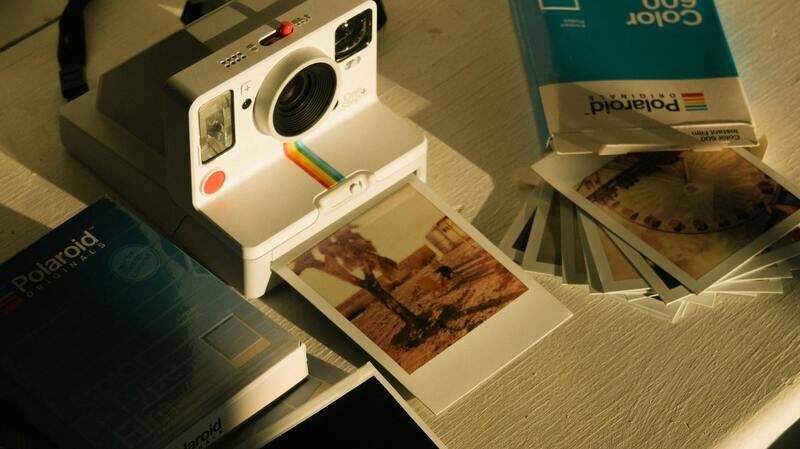
Moreover, employing proper drying and curing techniques post-printing can significantly enhance the final appearance. Ensuring adequate drying time prevents smudging and maintains image integrity, which is crucial for prints intended for display or archival purposes. Using protective coatings or laminates can further safeguard prints against environmental damage, extending their lifespan and preserving color fidelity over time.
Handling printed materials with care during transportation and installation is vital to preventing scratches, smudges, or bending. When mounting large prints, using professional-grade adhesives and supports helps maintain the print’s integrity, especially for high-value photographic artwork or professional signage.
By adhering to these best practices, printers and artists can maximize the quality and durability of their large format photo prints, ensuring they meet both aesthetic standards and longevity expectations. Continuous learning about new printing techniques and technological advancements further enhances the potential of large format photo paper, providing a competitive edge in various visual display applications.
Understanding Large Format Photo Paper
Large format photo paper serves as the foundational material for creating high-impact, vibrant photographic prints and displays. Its significance lies in its ability to reproduce fine details and a wide color gamut, ensuring that photographs maintain their clarity, depth, and authenticity when scaled to larger sizes. To fully harness its benefits, familiarity with the key aspects of large format photo paper—such as composition, surface finish, and coating—is essential. Not only does this knowledge assist in selecting the appropriate paper for specific projects, but it also influences printing outcomes and overall presentation quality.
Types of Large Format Photo Paper
Within the realm of large format printing, a variety of photo papers are available, each tailored to different applications and aesthetic preferences. These include:
- Glossy Photo Paper: Known for its shiny finish, glossy paper enhances color vibrancy and offers a smooth surface suited for landscape, commercial, or display photographs where detail and color punch are priorities.
- Matte Photo Paper: With a non-reflective surface, matte paper provides an elegant, subdued appearance that minimizes glare and fingerprints—ideal for fine art reproductions or archival displays.
- Satin or Semi-Gloss Photo Paper: Combining attributes of both glossy and matte finishes, satin paper offers a smooth, reflective surface while reducing glare, making it a versatile choice for various display environments.
- Canvas-Like Photo Paper: Offering a textured surface akin to traditional canvas, this type delivers a more artistic feel, popular for gallery displays and photographic art projects.
Material Compositions and Qualities
The performance and durability of large format photo paper largely depend on its material composition. Common base materials include resin-coated (RC) and smooth, fiber-based papers, each with distinct characteristics.
- Resin-Coated (RC) Paper: Featuring a plastic coating that promotes moisture resistance and quick drying, RC papers are preferred for vibrant, high-resolution images with sharp detail. They are suitable for applications requiring fast turnaround and long-term display.
- Polyethylene or Polyester Base: Known for enhanced durability and moisture resistance, these materials are often used in specialized displays or outdoor signage.
- Fiber-Based Paper: Made from cellulose fibers, this type offers a traditional, fine art feel with excellent archival qualities—ideal for high-end gallery reproductions.
Printer Compatibility and Selection
Choosing the right large format photo paper greatly depends on the compatibility with existing printing equipment. Not all printers are designed to handle every type of material or thickness, making adherence to manufacturer specifications vital for optimal output. Inkjet printers are most commonly used for large format photo printing—particularly those equipped with high-quality, wide-gamut inks for detailed color rendering.
When selecting a printer, consider its ability to support the weight and surface characteristics of the chosen paper. Features such as adjustable print heads for precise ink application, high-resolution capabilities, and software support for color management should be prioritized. Additionally, certain papers require specific ink types—pigment-based inks offer longevity and resistance against fading, making them an excellent choice for archival applications.

Printing Techniques and Best Practices
Maximizing the quality of large format photo prints involves employing advanced printing techniques coupled with precise calibration. Ensuring the printer's color profile matches the paper type helps achieve true-to-life color reproduction and consistent results across different print runs.
Key practices include:
- Proper pre-print calibration of the printer, including color and density settings.
- Using high-resolution images—preferably 300 dpi or higher—to maintain detail at large sizes.
- Employing appropriate ink coverage and avoiding oversaturation, which can cause issues like bead formation or curling.
- Post-print drying under controlled conditions to prevent smudging or artifacts.
- Applying protective coatings or laminates to extend the lifespan and resist environmental influences such as UV damage or moisture.
Handling prints with care during transportation and installation also preserves their aesthetic and structural integrity, safeguarding your investment in high-quality large format photo displays.

Understanding Large Format Photo Paper
Large format photo paper serves as the foundation for creating expansive, high-quality photographic displays. Its primary function is to reproduce images with clarity, vibrancy, and durability on a scale suitable for exhibition, commercial use, or personal art projects. The choice of paper significantly influences the final output's appearance and longevity, making it essential to understand the properties that define this specialized printing medium. When selecting large format photo paper, factors such as weight, thickness, surface texture, and ink affinity must be carefully considered to ensure optimal compatibility with your printing requirements.
Types of Large Format Photo Paper
Among the variety of options available, the most prevalent types include:
- Glossy: Known for its high sheen, glossy paper enhances color vibrancy and sharpness. It is ideal for images requiring a vivid, dynamic appearance but is prone to fingerprints and reflections.
- Matte: Featuring a non-reflective surface, matte paper offers a softer, elegant finish with excellent color reproduction and reduced glare. It is well-suited for detailed, fine-art reproduction.
- Semi-gloss or Satin: Combining properties of glossy and matte, semi-gloss paper provides a balanced finish with moderate glossiness, making it versatile for various display environments.
- Metallic or Pearl: These specialty papers imbue images with a luminous, metallic sheen, enhancing depth and texture for artistic effects.
Material Compositions and Qualities
The core material of large format photo paper typically involves high-quality cellulose, resin-coated, or fiber-based substrates. Each offers distinct advantages:
- Resin-coated (RC) paper: Features a coated surface that facilitates quick drying, smooth handling, and excellent image sharpness. Ideal for commercial and exhibition printing where gloss and clarity are prioritized.
- Barriera or fiber-based paper: Provides a textured, museum-quality feel with enhanced archival properties, suited for fine art reproductions and critical displays.
Additionally, professional-grade papers often incorporate advanced coatings to improve color gamut, reduce ink bleed, and extend the lifespan of prints. Surface textures can vary from smooth, glossy finishes to textured matte surfaces that emulate traditional photographic papers.
Printer Compatibility and Selection
Ensuring your printer aligns with the specifications of the chosen large format photo paper is vital for achieving high-caliber results. Most professional-grade wide-format printers support specific media types, which are usually indicated on their compatibility charts. Considerations include:
- Print head technology: Piezoelectric print heads work well with a variety of media types, providing precise ink deposition needed for detailed images.
- Maximum media width: Confirm that the printer can handle the size of your photo paper, especially for large-format applications exceeding 24 inches in width.
- Ink compatibility: Use pigment-based inks that are compatible with the paper’s coating to ensure vibrant color reproduction and durability.
- Paper feeding and handling: Look for printers with robust media feeding systems to prevent jams or misalignment during long printing sessions.
Printing Techniques and Best Practices
Optimal results depend on meticulous execution of printing techniques tailored to large format media:
- Calibration: Regular calibration of color profiles and printer settings ensures consistent output, respecting the inherent characteristics of the paper.
- Resolution: Use high-resolution images (minimum 300 dpi) to maintain fine details at large scale without pixelation.
- Ink coverage: Avoid over-saturating areas, which can lead to issues such as ink bead formation or curling. Precise control over ink density is crucial.
- Drying and finishing: Allow ample drying time post-printing in controlled environments to prevent smudges or warping. Applying protective coatings can further enhance lifespan.

Applications and Display Options
Large format photo paper is extensively used across various sectors, including:
- Gallery exhibitions: Showcasing fine art, photographic series, or commercial displays with impact.
- Advertising and marketing: Creating vibrant banners and backdrops for events.
- Interior decoration: Enhancing spaces with custom-sized photographic wall art.
- Archival documentation: Preserving photographic records intended for long-term display or study.
These applications require not only high-quality output but also appropriate mounting and framing techniques. Protective laminates can extend durability and resist environmental damage, ensuring longevity in display environments.
Maintenance and Storage Considerations
Proper handling of large format photo prints is essential to retain their visual qualities over time:
- Storage: Keep prints flat in a climate-controlled environment, away from direct sunlight, moisture, and extreme temperature changes. Use acid-free sleeves or storage containers to prevent chemical degradation.
- Cleaning: When necessary, gently dust prints with soft brushes or cloths, avoiding abrasive materials that could damage the surface.
- Display: Mount prints on acid-free backing and frame with UV-protective glass to minimize fading caused by light exposure.
Regular inspection and proper environmental controls will preserve the integrity and vibrancy of your large format photographs, maintaining their professional appearance for years to come.