Overview of Big Format Printing
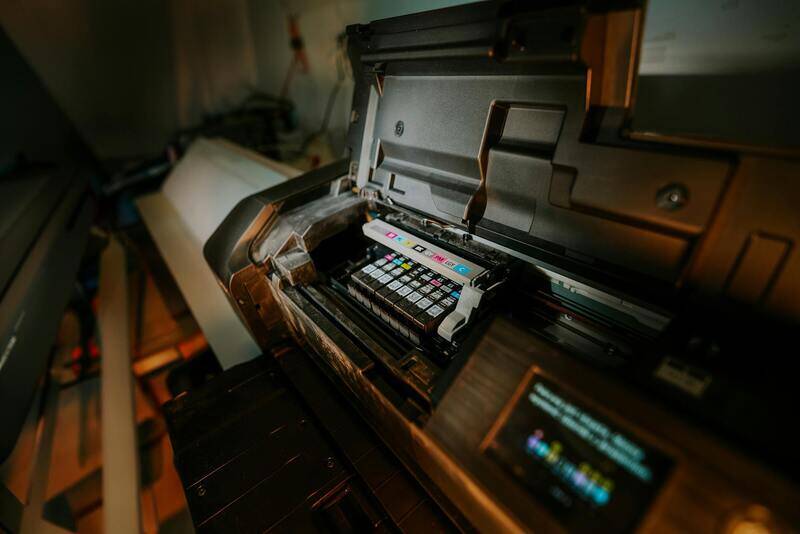
Big format printing, also known as large-scale printing or wide-format printing, is a specialized segment within the printing industry that focuses on producing high-quality images and graphics on large surfaces. This form of printing typically involves the use of expansive printers capable of handling media widths that exceed traditional printing standards, often ranging from 24 inches up to several meters. The primary purpose of big format printing is to create visual displays that are impactful and visible from significant distances, making it an essential tool for a variety of industries including advertising, retail, events, architecture, and interior design.
Within the broad scope of printing, big format printing is distinguished by its ability to produce banners, billboards, posters, wall murals, vehicle wraps, trade show displays, and other promotional materials that require large and detailed visuals. Its significance lies in its versatility and capacity to communicate a company’s branding or message effectively on an eye-catching scale. As digital technology advances, the capabilities of big format printing continue to expand, allowing for stunning visuals with vibrant colors, fine detail, and durable finishes suitable for both indoor and outdoor environments.

The scope of big format printing has widened considerably due to demand for customized and large-scale visual communication solutions. Whether it’s a corporate branding campaign, a decorative mural, or a retail backdrop, the ability to produce high-quality, large-format images efficiently and consistently makes this printing method indispensable in contemporary marketing and display strategies. Its importance is further emphasized by the increasing need for sustainable, fast, and cost-effective production methods that meet the evolving expectations of clients and audiences alike.
Advances in printing technology, including eco-friendly inks and cutting-edge digital presses, have also contributed to the growth of big format printing. These innovations allow manufacturers to deliver vibrant visuals with long-lasting durability while minimizing environmental impact, meeting the standards of modern businesses committed to sustainability. As a result, big format printing not only fulfills aesthetic and commercial requirements but also aligns with global trends toward responsible and resource-efficient production.
Ultimately, big format printing remains a vital component of visual communication. Its capacity to produce visually striking, high-impact materials on a variety of substrates ensures its continued relevance across numerous applications, making it an essential service for organizations seeking to make a significant impression in today's visually driven world.
Types of Big Format Printing Technologies
Understanding the various printing technologies is essential for selecting the most suitable method for your large-scale projects. Each technology offers unique advantages and is compatible with specific materials, ensuring optimal results tailored to the intended application. The two most prevalent types of big format printing include inkjet and solvent-based printing, both of which have evolved significantly to meet diverse industry needs.
Inkjet Printing
Inkjet technology remains the dominant choice for high-quality large-format prints. This method utilizes tiny nozzles that spray droplets of liquid ink directly onto the substrate. Its precision allows for detailed images and vibrant color reproduction, making it ideal for indoor signage, fine art reproductions, and backlit displays. Modern UV-curable inkjet presses have further enhanced durability, enabling prints to withstand exposure to sunlight, moisture, and other environmental factors.

One of the key advantages of inkjet printing is its ability to produce consistent high-quality results on a wide range of materials, including vinyl, fabric, canvas, and plastic. The versatility and speed of digital inkjet presses also facilitate quick turnaround times, which is crucial in fast-paced advertising campaigns and event setups.
Solvent and Eco-Solvent Printing
Solvent-based printing offers higher durability and weather resistance, making it suitable for outdoor applications such as vehicle wraps, billboards, and building facades. This technique uses solvent-rich inks that chemically bond with the substrate, providing long-lasting and fade-resistant images. Eco-solvent variants reduce the environmental impact while maintaining similar performance levels.
Although solvent printing may involve longer curing times and require more ventilation during production, its resilience against wind, rain, and UV exposure underscores its importance in outdoor advertising. Choosing between solvent and eco-solvent approaches depends on project specifications, environmental considerations, and substrate compatibility.
Both inkjet and solvent technologies have incorporated advanced features such as white ink capabilities, super-high resolution options, and multi-layer printing, thus expanding creative possibilities. As technology continues to advance, newer methods such as UV flatbed printing are gaining traction, offering even greater flexibility for printing directly onto rigid materials without the need for secondary mounting or finishing.
Digital Flatbed Printing
This method involves printing directly onto rigid surfaces like wood, metal, glass, and foam boards. Flatbed printers utilize UV-curable inks that are instantly dried and cured during the process, offering crisp, detailed images on non-porous substrates. Its ability to handle diverse materials makes it popular for creating customized retail displays, signage, and decorative panels.
By employing multiple printing heads and adjustable vacuum beds, digital flatbed printers streamline the production of complex, multi-layered visuals on bulky materials. This technological approach combines high-quality output with increased production efficiency, making it indispensable for bespoke large-format projects.
Overview of Big Format Printing
Big format printing encompasses a broad spectrum of large-scale printing techniques used to produce impactful visual displays on various substrates. This printing method is vital for creating promotional banners, billboards, wall coverings, and exhibits that demand high visual impact and durability. As businesses seek to elevate their brand visibility and engage audiences effectively, big format printing emerges as a strategic solution to deliver vibrant, eye-catching graphics capable of transforming spaces and drawing attention from afar.

With the versatility to adapt to different environments and material types, big format printing allows for customization that meets specific project requirements. Whether it’s indoor decor or outdoor advertising, this printing technique ensures that messages are displayed prominently without compromising quality or durability. Its ability to produce highly detailed images on a grand scale sets it apart from traditional printing methods, making it indispensable for both commercial and institutional applications.
Types of Big Format Printing Technologies
Various technologies underpin the capabilities of big format printing, each suited to particular applications and substrates. The most common methods include inkjet-based systems, digital flatbed printing, and solvent and eco-solvent printing, each offering distinct advantages in terms of quality, speed, and versatility.
Inkjet Large Format Printing
This method utilizes high-precision inkjet heads to deposit ink onto substrates such as vinyl, fabric, or paper. It is renowned for producing highly detailed images with vibrant colors and smooth gradations. Modern inkjet printers incorporate features like white ink canisters, enabling printing on transparent or colored materials, and multi-layer printing options that add depth and texture to visuals.
Digital Flatbed Printing
Designed for rigid surfaces, digital flatbed printers directly print onto materials like acrylic, aluminum, wood, and foam boards. Using UV-curable inks, these printers provide sharp images with excellent adhesion and resistance to environmental elements. The ability to handle thick, non-porous materials makes flatbed printing ideal for creating bespoke signage, decorative panels, and customized retail displays.

Advanced features such as multi-layer and white ink printing expand the creative potential of flatbed printers, allowing for intricate designs and layered effects. The integration of automatic media handling and vacuum bed systems enhances production efficiency, making it possible to deliver complex projects with consistency and precision.
As technological advancements continue, newer methods like UV LED printing are gaining popularity, offering faster curing times, energy efficiency, and improved print quality on a wider variety of substrates. The adoption of hybrid systems that combine multiple printing techniques further broadens the scope for customized outputs, catering to diverse industry demands.
Proper Preparation and Design Optimization for Large-Scale Prints
Creating high-quality big format prints requires meticulous attention to design setup and preparation. To ensure the final output meets expectations, designers must optimize their artwork considering resolution, color fidelity, and layout. Since large prints are viewed from various distances, resolution settings should be appropriate to avoid pixelation; typically, a minimum of 150-300 dpi at the final print size is recommended, depending on viewing distance. High-resolution images retain sharpness and detail when scaled up, preventing blurry or pixelated visuals.
Color management plays a critical role in achieving consistent and vibrant results across different substrates and printing sessions. Utilizing color profiles and calibration tools helps match digital colors accurately to physical outputs, ensuring brand consistency and visual appeal. When designing for big format printing, it’s beneficial to consider the environment where the display will be installed. Brightness, contrast, and color vibrancy should be calibrated to stand out effectively in various lighting conditions.
Layout considerations include the strategic placement of key visual elements to maximize impact and readability. Margins, bleed areas, and safe zones must be incorporated into the design to prevent unintended cropping or distortion during the printing and installation processes. Moreover, vector graphics are preferred for logos and text because they scale without loss of quality, whereas raster images need careful resolution management.
Choosing the Right Materials for Big Format Printing
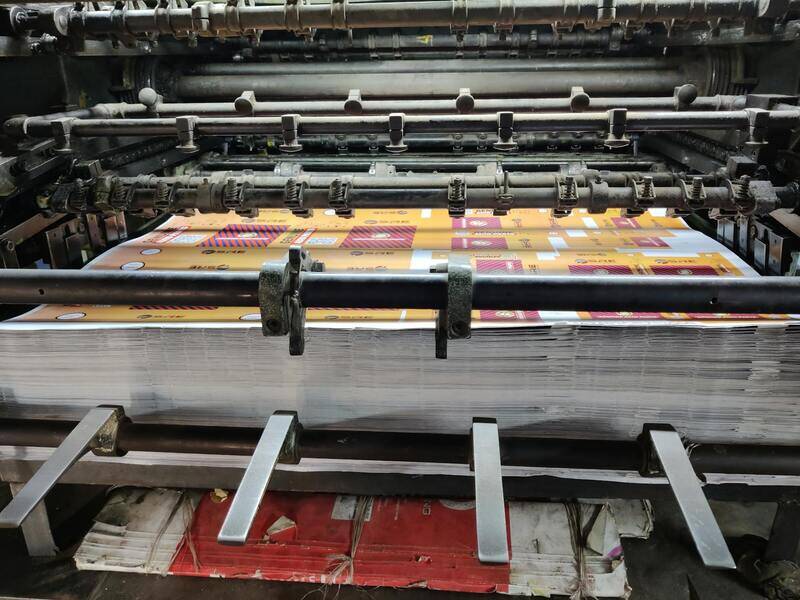
The selection of substrates is fundamental in determining the durability, appearance, and application suitability of large-format prints. Common materials include vinyl, fabric, mesh, acrylic, PVC foam boards, and laminated papers. Each material offers unique benefits and is suited to specific environments and usage scenarios.
- Vinyl: Highly versatile and weather-resistant, ideal for outdoor banners, murals, and vehicle wraps.
- Fabric: Provides a soft appearance, suitable for indoor displays, trade show exhibits, and art installations.
- Acrylic and PVC boards: Rigid, durable, and often used for signage, informational displays, and decorative panels.
- Mesh fabric: Allows for wind passage, making it suitable for large outdoor banners on scaffolding or fences.
Additional considerations include the substrate’s ability to handle inks and finishing processes like lamination or mounting. Compatibility with the chosen printing technology ensures the best adhesion, color vibrancy, and longevity of the finished product.

Integration of Finishing Techniques to Enhance Large-Scale Prints
Finishing touches significantly contribute to the aesthetics and durability of large-format prints. Laminating with gloss, matte, or satin finishes protects the print from scratches, UV damage, and environmental wear, extending its lifespan. Edging, grommets, and hemming are common methods to facilitate installation and anchoring.
Cutting techniques such as contour cutting allow for custom shapes and intricate designs, especially useful in promotional displays and branded installations. Additionally, mounting options—including direct mounting, framing, or tensioning systems—are selected based on the application environment, whether indoors or outdoors.
Seamless assembly becomes crucial when dealing with murals or expansive displays. Skilled installation ensures that large panels align perfectly, with minimal visible seams and distortion. Proper handling and transportation precautions are essential to prevent damage before installation.

Maintenance and Upkeep of Large-Scale Prints
Long-term preservation of big format prints hinges on routine maintenance and appropriate cleaning practices. Dirt, dust, and environmental pollutants can diminish visual quality over time. Gentle cleaning with non-abrasive cloths and mild solutions preserves the integrity of the printed surface.
For outdoor banners and signage, periodic inspections for weather-related damage are recommended. Prompt repairs, such as re-tensioning or replacing damaged panels, help maintain visual impact and structural stability.
Storage considerations also play a role if prints are intended for reuse or transport. Rolling or flat storage in controlled environments prevents warping, fading, or surface scratches.
Applications of Big Format Printing
Big format printing has become an essential element across diverse industries, offering impactful visual communication that captures attention at various scales. The versatility of this method enables it to serve a broad spectrum of applications, from advertising displays to cultural exhibitions and corporate branding.
Advertising and Promotional Campaigns
Large-scale banners, posters, and billboards are staple components of outdoor advertising strategies. Their high visibility and ability to convey compelling messages make them invaluable for brand promotion, product launches, and event marketing. High-resolution printing ensures that details remain crisp even at great distances, elucidating brand visuals effectively.
Event and Exhibition Displays
Trade shows, concerts, and other large-scale events utilize extensive backdrops, standees, and signage to create immersive environments. Custom wraps and murals enhance visual storytelling, effectively drawing visitors' focus and reinforcing brand identity. The durability of these prints is critical, especially when exposed to varying environmental conditions.
Interior Decor and Architectural Features
Interior design increasingly incorporates large-format prints as decorative elements. Wallpapers with intricate patterns, photographic murals, and custom art installations personalize commercial and residential spaces. Architects and designers leverage large prints to visualize concepts and add aesthetic appeal to their projects.
Signage and Wayfinding
From storefront signs to navigational aids within complex facilities, big format printing provides clear, impactful signage solutions. The ability to produce vibrant, weather-resistant signs ensures that wayfinding information remains visible and effective over extended periods.
Cultural and Artistic Exhibits
Museums, galleries, and cultural centers utilize large prints to feature artwork, historical displays, and educational panels. These expansive visuals facilitate engaging storytelling and enhance visitor experience through high-quality reproductions of artworks and photographs.
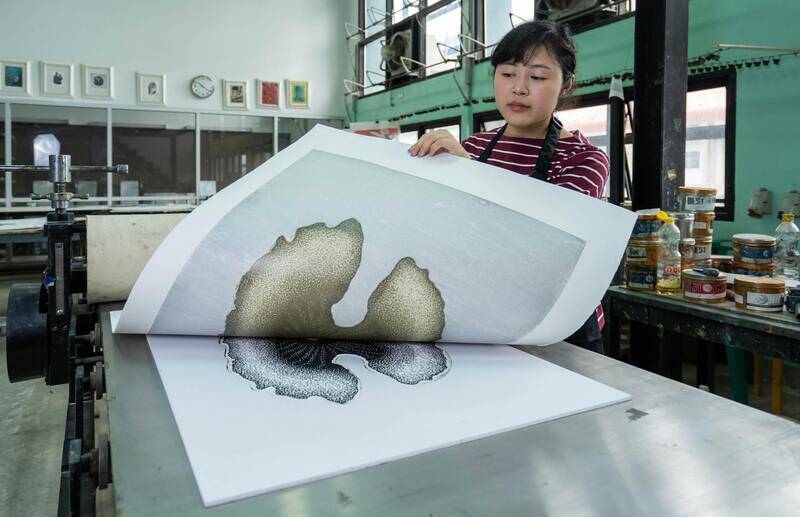
As technology continues to evolve, the capacity for detailed, vivid, and durable large format prints expands, opening new opportunities for creative expression and effective communication across industries.
Types of Big Format Printing Technologies
Choosing the appropriate printing technology is fundamental to achieving high-quality large format prints that meet specific project requirements. Among the most prevalent methods are inkjet printing, solvent and eco-solvent printing, UV printing, and dye sublimation techniques. Each technology offers unique advantages in terms of color vibrancy, durability, substrate compatibility, and environmental considerations.
Inkjet printing remains the most versatile and widely used method for big format applications. It operates by propelling tiny droplets of ink onto a substrate with high precision, enabling detailed images and smooth color gradations. Industrial inkjet printers are capable of handling wide rolls of material, making them suitable for projects ranging from banners to fine art reproductions. Innovations like latex-based inks have improved print longevity and eco-friendliness, aligning with sustainable practices.
Solvent and eco-solvent printing technologies are particularly favored for outdoor signage. They utilize solvent-based inks that penetrate substrates, offering excellent adhesion and weather resistance. Eco-solvent printers reduce the emission of volatile organic compounds, making them a preferred choice for enclosed environments and projects requiring environmentally conscious solutions. These systems also handle a variety of tough surfaces such as vinyl, canvas, and rigid substrates.

UV printing employs ultraviolet light to instantly cure inks upon contact with the substrate. This technique provides exceptional print quality on rigid surfaces such as glass, metal, and acrylic. UV printing is ideal for creating signage, point-of-sale displays, and decorative panels due to its ability to produce vibrant colors and precise details on non-porous materials.
Dye sublimation, often used for fabric printing, involves transferring dye onto materials via heat and pressure. This method yields vivid, durable prints with a soft finish, making it perfect for textiles such as curtains, flags, and soft signage. The choice of technology depends on the intended use, substrate, and environmental conditions where the final product will be displayed.
Common Materials and Substrates Used
Big format printing spans a broad range of materials, each offering specific characteristics suited for distinct applications. The selection of the substrate influences the print's appearance, durability, and compatibility with environmental factors.
- Vinyl: Widely used for banners, vehicle wraps, and outdoor signage due to its weather resistance and flexibility. Calendered vinyl is more cost-effective, while cast vinyl offers superior conformability for complex surfaces.
- Canvas: Preferred for fine art reproductions, murals, and interior décor. Canvas provides a textured finish that adds depth and visual interest to printed images.
- Aluminum and Metal Sheets: Suitable for durable outdoor signage, architectural elements, and decorative panels. These rigid substrates can be printed directly with UV printers to produce sleek, modern looks.
- Foam Board and Acrylic: Commonly used for point-of-sale displays, exhibition panels, and indoor signage. They allow for lightweight, vibrant displays with clean edges.
- Fabric and Textile: Ideal for banners, curtains, and soft signage. Fabric printing emphasizes high color fidelity and longevity, especially when treated with appropriate coatings.

Design Considerations for Large-Scale Prints
The success of big format printing projects heavily depends on meticulous design planning. Several critical aspects ensure that the final output aligns with project goals and maintains visual impact:
- Resolution and Image Quality: High-resolution images are essential to prevent pixelation when enlarging. Designers should work with vector graphics or high DPI images to ensure clarity and sharpness.
- Color Management: Accurate color reproduction can be achieved through proper color profiling and calibration of monitors and printers. Consistency in color schemes enhances brand recognition and visual appeal.
- Viewing Distance: Consider the distance from which the print will be viewed. For large banners or murals, less detail may be necessary as viewers will generally see the image from afar, allowing for broader design strokes.
- Material and Substrate Selection: Match the design intricacies with suitable substrate properties to optimize durability and visual effect. For example, intricate details may be better suited on rigid materials like acrylic or metal.
- Lighting and Environment: Lighting conditions significantly affect how large prints are perceived. Designs should be optimized in terms of contrast and brightness to withstand varying lighting scenarios.
Employing professional design software that supports high-resolution exports facilitates precise and efficient creation of large-format artworks. Collaboration with experienced designers can lead to innovative visual solutions that maximize the potential of big format printing technologies.
Choosing a Printing Service for Large-Scale Projects
Selecting a reputable printing provider is paramount to ensuring the success of your large format printing endeavors. To achieve optimal results, consider the following key factors:
Assessment of Printing Quality
- Review samples of previous large format projects to evaluate color accuracy, resolution, and overall finishing quality.
- Ensure the provider utilizes advanced printing technologies capable of delivering vibrant, sharp images without pixelation or distortion.
- Verify that their workflow includes calibration protocols for monitors and printers to maintain consistent color output.
Turnaround Time and Project Management
- Discuss project timelines upfront to align expectations, especially for time-sensitive campaigns or events.
- Opt for providers with an efficient production process and clear communication channels to monitor progress and swiftly address any concerns.
- Inquire about their capacity to handle large orders without compromising quality or speed.
Budget Considerations
- Obtain detailed quotes that include all aspects of the project, from design preparation to final delivery.
- Compare costs across providers while ensuring that lower prices do not sacrifice quality or reliability.
- Ask about volume discounts or package deals for multiple projects or repeat collaborations.
Additional Evaluation Criteria
- Confirm that the printing service offers a variety of substrates and finishes suitable for your specific application, such as outdoor durability or matte finishes.
- Assess their customer service reputation and willingness to provide consultation or technical support during the project.
- Ensure compliance with industry standards and that the provider’s facilities meet necessary safety and environmental regulations.

By carefully considering these factors, you can select a printing partner capable of executing large format projects with precision, consistency, and professionalism. Collaborating with experienced providers not only guarantees the visual impact of your banners, murals, or displays but also streamlines the entire production process, leading to successful and impactful outcomes for your brand or event.
Exploring Official Methods for Large-Scale Printing
Choosing the right method for big format printing involves understanding the core processes and ensuring they align with industry standards for quality, durability, and safety. High-quality large-format prints rely heavily on the use of proven printing techniques such as UV printing, solvent printing, eco-solvent printing, dye sublimation, and latex printing. Each of these methods has specific applications depending on the substrate, desired finish, and environmental considerations.
UV printing, for instance, utilizes ultraviolet light to instantly cure inks upon contact with the substrate, eliminating the need for drying time and allowing for printing on various rigid and flexible materials. This method provides vibrant colors and detailed images with exceptional adhesion, making it ideal for signage, displays, and custom art installations.
Solvent and eco-solvent printing processes involve inks with solvent-based carriers, which enhance ink adhesion on non-porous surfaces like vinyl and banner fabrics. Eco-solvent inks are formulated to meet environmental standards while maintaining color richness and durability, making them suitable for outdoor advertisements and long-term displays. Latex printing, on the other hand, employs water-based latex inks that offer flexibility and environmental benefits, perfect for both indoor and outdoor signage with high resolution and fast turnaround times.
For handling the production of large images and artworks, digital large-format printers equipped with wide-format printing heads are essential. They enable high-precision printing over extensive areas, maintaining image fidelity and color consistency. These printers often incorporate advanced color management systems and can support a range of media types, further ensuring the accuracy of the final product.
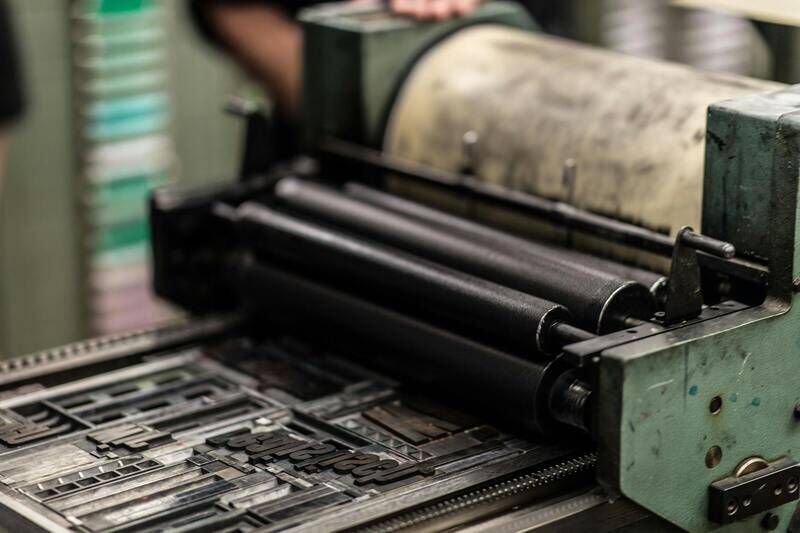
Moreover, the process begins with meticulous digital file preparation—ensuring images are correctly scaled, color profiles are calibrated, and resolution settings optimize output quality. Working with manufacturers or service providers that adhere to strict calibration standards guarantees that prints meet expected specifications and conform to industry expectations.
To ensure the deployment of these methods correctly, employing fully certified equipment regularly maintained and operated by skilled technicians is vital. Such best practices uphold consistent quality, reduce waste, and mitigate risks associated with color discrepancies, adhesion issues, or material incompatibility. Documented quality control protocols, including sample testing and color proofing, serve as further validation methods before full-scale production begins.

Legitimate printing professionals also follow strict safety and environmental standards during operation. This includes compliance with regulations regarding chemical disposal, ventilation, and exposure limits, which are critical for maintaining safe working environments and aligning with industry best practices.
In conclusion, the incorporation of certified, proven printing techniques combined with rigorous quality control measures constitutes a foundational approach for executing any large-format printing project reliably. These practices not only uphold high standards of excellence but also foster long-term partnerships grounded in trust and professionalism in the print industry.