Overview of Large Photo Printing Services
Large photo printing services play a vital role in transforming digital images into stunning, high-quality physical displays suitable for a variety of contexts. These services cater to individuals, photographers, artists, businesses, and institutions seeking to produce impactful visual representations. They encompass an extensive range of print sizes, from sizeable posters and murals to gallery-quality canvases, allowing clients to create eye-catching visuals that capture attention and evoke emotion.
At their core, large photo printing services are designed to preserve the integrity and vibrancy of original digital files while delivering a tangible product that meets specific aesthetic and functional needs. Whether the purpose is personal decoration, advertising, or art installation, the goal remains consistent: to provide an accurate and durable reproduction of the image. Such services often specialize in printing on diverse materials, including canvas, vinyl, acrylic, and large-format photo paper, to suit different environments and display requirements.
The scope of large photo printing extends beyond mere size, emphasizing the quality and longevity of the output. High-resolution images are essential for producing detailed, sharp prints that can be viewed up close without loss of clarity. As the demand for visually compelling large-format displays grows, service providers leverage advanced printing technologies and premium materials to ensure each print meets professional standards.
From retail displays and corporate branding to personal home galleries and event banners, large photo printing services accommodate a broad spectrum of applications. Clients can choose from a variety of finishes such as matte, gloss, or satin to match their aesthetic preferences and environmental conditions. As a result, these services provide a versatile solution for anyone looking to make a significant visual impact with their images.
Understanding the capabilities of large photo printing helps clients select the right service for their needs, ensuring that the final product aligns with expectations regarding quality, durability, and visual appeal. Advances in digital printing technology continue to push the boundaries of what is achievable, making large photo printing an essential component of visual communication and artistic expression in various sectors.
Types of Large Photo Printing Formats and Materials
When selecting a large photo printing service, understanding the variety of formats and materials available is essential to achieve the desired visual impact and longevity. Different formats cater to specific display environments and aesthetic preferences, while materials influence the durability, texture, and overall presentation of the final product.
Common Printing Formats
- Posters: Ideal for promotional displays, event advertising, or decorative wall art. Usually printed on high-quality paper or vinyl, posters are versatile and cost-effective for large-scale displays.
- Canvas Prints: Perfect for transforming photographs into fine art pieces, canvas prints offer a textured finish that adds depth and a sophisticated look. They are often stretched over wooden frames, making them suitable for interior decor.
- Acrylic Prints: These prints feature vibrant color reproduction with a sleek, modern appearance. Printed on glossy acrylic surfaces, they are highly durable and resistant to moisture, making them suitable for both indoor and outdoor settings.
- Vinyl Banners and Wall Coverings: Designed for large advertising or branding needs, these materials are flexible, weather-resistant, and easy to install.
- Aluminum and Metal Prints: Offering a contemporary aesthetic, metal prints are scratch-resistant and provide a reflective surface that enhances color vibrancy and contrast.

Material Considerations
Choosing the appropriate material impacts not only the visual appeal but also the durability and maintenance of the print. High-quality photo papers provide sharp details and vibrant colors but may be less suitable for outdoor exposure unless coated for weather resistance. Canvas materials offer a textured, artistic finish and are durable for indoor settings, while acrylic and metal surfaces are optimal for high-gloss, weather-resistant displays. The selection hinges on whether the piece will be exhibited indoors or outdoors, the desired aesthetic, and budget considerations.
Summary
Matching the right format and material to the intended display environment, aesthetic preference, and longevity expectations ensures that large photo prints will effectively serve their purpose. A professional printing provider utilizes advanced equipment and quality materials to bring clients' visions to life, aligning with specific application needs and ensuring lasting visual impact.
Understanding Different Printing Techniques and Technologies
To achieve the best results in large photo printing, selecting the appropriate printing technique is crucial. Modern large photo printing services employ various cutting-edge technologies to meet diverse client needs. Inkjet printing remains a popular choice due to its ability to produce detailed, vibrant images with a wide color gamut. High-quality dye-based inkjet printers are particularly suited for photographic images, offering smooth color gradations and fine details that are essential in large-format prints.
Another advanced method is UV printing, which involves applying UV-sensitive inks that are instantly cured with ultraviolet light. This process enables printing directly onto rigid surfaces like acrylic, metal, or wood, resulting in durable, weather-resistant large photos suitable for outdoor environments. UV printing also allows for vibrant, high-definition images with excellent adhesion and scratch resistance.
Solvent and eco-solvent printing are also prevalent in large-format printing services. These techniques use solvent-based inks that penetrate the material surface, making them ideal for banners, signage, or outdoor displays that require weather resistance and longevity. Eco-solvent options are environmentally friendlier, emitting fewer volatile organic compounds, yet still deliver high-quality output.
Digital sublimation printing is another sophisticated process, especially when transferring images onto specially coated substrates such as ceramic tiles or fabrics. This technique produces vibrant, fade-resistant images that are perfect for decorative purposes or personalized gifts.
Providers often combine these technologies depending on the project specifications and material requirements. Advanced printers equipped with multiple heads and color channels enable the production of consistency and accuracy across large formats, ensuring your images are sharp, color-accurate, and durable.
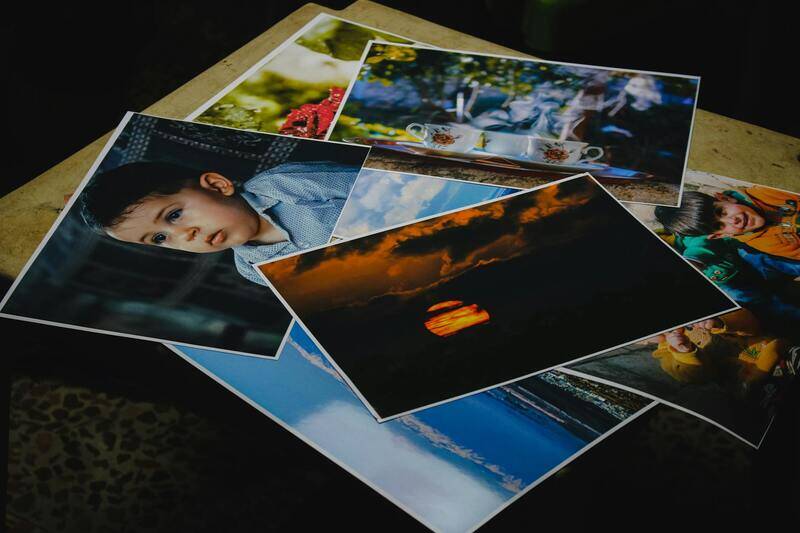
Investing in providers with cutting-edge technology guarantees that you receive a product that meets the highest standards of quality, longevity, and visual impact. Whether printing on glossy, matte, or textured surfaces, the right technique will significantly influence the final appearance and functionality of your large photo print.
Understanding the Official Methods for Large Photo Printing
When it comes to creating high-quality large photo prints, utilizing reputable and official printing methods is essential to achieve professional results and ensure the longevity of your images. These methods often involve precise technological processes that emphasize color fidelity, material durability, and detail accuracy. Here, we delve into the established techniques used by leading large photo printing services to produce exceptional visual outputs.
High-Resolution Digital Printing
The cornerstone of official large photo printing is high-resolution digital printing technology. Modern inkjet printers used in professional environments are equipped with multiple print heads capable of producing detailed images at resolutions of 720 dpi or higher. This technology ensures that every pixel is rendered with clarity, reducing pixelation and enhancing image sharpness, especially in large formats. The use of archival-quality inks during digital printing further guarantees color consistency and resistance to fading over time, making the prints suitable for both indoor and outdoor displays.

Screen and Lithographic Techniques
Although more common in commercial printing, screen printing and lithography are also employed for certain large-format photo reproductions, especially when specific color effects or textures are desired. Screen printing involves applying layers of ink through a mesh screen onto the substrate, allowing for vivid colors and unique surface effects. Lithographic printing, or offset printing, transfers ink from a plate to a rubber blanket before onto the final material, offering consistent color accuracy across large batches. These techniques are often used in producing limited-edition photographic reproductions and art prints where color fidelity and permanence are critical.
UV Printing for Durability
UV printing has gained traction as a legitimate method for large photo outputs requiring weather resistance and durability. This process involves curing UV-sensitive inks immediately upon application, producing a hard, scratch-resistant surface with vibrant colors. UV printing is particularly suitable for outdoor displays, signage, and decorative panels, where preserving image integrity against environmental elements is vital.
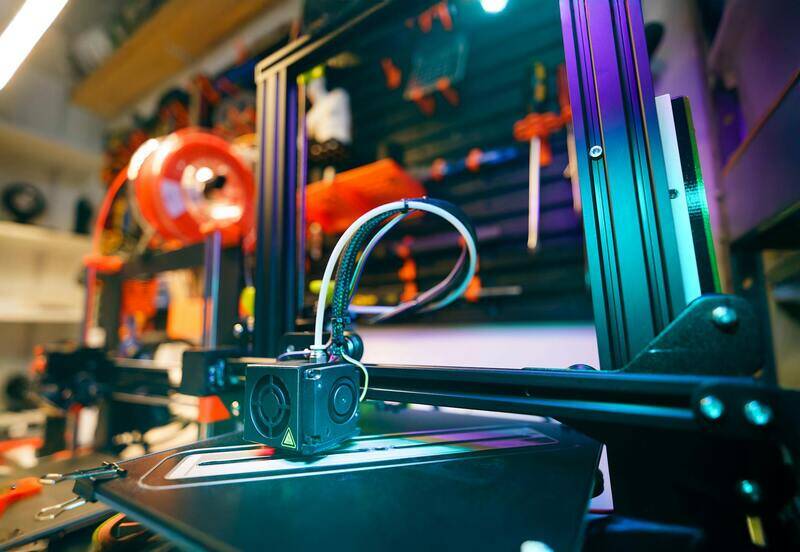
Material Selection and Coating
The choice of substrate material plays a decisive role in the authentication of large photo prints. Common materials include photographic paper, canvas, vinyl, acrylic, and aluminum. Official printing services often combine these substrates with specialized coatings that enhance durability, UV resistance, and surface texture. For example, a gloss coating can amplify vibrancy, while matte options reduce glare, and textured finishes can add depth and artistic appeal. The use of UV coatings or laminate layers provides additional protection, ensuring the print remains pristine over years of display.
Color Management and Testing
Maintaining color accuracy is a cornerstone of professional large photo printing. Reputable providers utilize color management systems, calibrating monitors, printers, and substrates to ensure consistent color reproduction. Advanced color profiling and proofing processes are employed to match the final output precisely to the original digital image, minimizing discrepancies and enhancing the visual impact. The integration of spectrophotometers in the workflow allows for exact measurement of ink colors, ensuring fidelity and repeatability across batches.
Specialized Equipment for Large-Format Printing
Only high-end, professionally calibrated printers equipped with multiple ink channels and larger media handling capabilities are suitable for large photo printing. These machines often include advanced features such as stabilized bed levels, automated material feeding, and real-time quality sensors. Such equipment guarantees that every print adheres to strict standards of sharpness, color accuracy, and durability, regardless of size and material complexity.
By prioritizing established printing techniques and state-of-the-art technology, consumers can be assured that their large photo prints will not only meet aesthetic expectations but will also last for years with minimal maintenance. Choosing services that adhere to these proven methods ensures a seamless process from digital file preparation to the final display-ready product.
Printing Techniques and Technologies
When it comes to large photo printing, the choice of printing technology significantly influences the quality, durability, and overall visual impact of the final product. Each method offers distinct advantages that cater to various needs, preferences, and display environments.
Common Printing Methods
- High-Resolution Inkjet Printing: This technique is the most widely used for large photo prints due to its ability to produce detailed, high-quality images with vibrant color accuracy. Modern inkjet printers utilize multiple ink channels, including glossy, matte, light cyan, light magenta, and black, to recreate subtle color gradations and achieve photo-realistic results. The precision control over ink deposition ensures sharp images with minimal graininess, even at expansive sizes.
- Dye Sublimation Printing: Ideal for producing vibrant, durable images on specially coated substrates such as fabric or rigid polymer surfaces. Dye sublimation involves converting dye inks into gas, which then permeates the material, resulting in seamless, weatherproof prints. This method is especially popular for commercial signage, banners, and photographic displays that require high color vibrancy and longevity.
- UV Printing: UV flatbed printing employs ultraviolet light to instantly cure UV inks onto rigid surfaces like glass, metal, or wood. This process allows for direct printing onto non-porous materials, making it suitable for large-scale wall murals, custom displays, and decorative panels. UV printing provides excellent adhesion, scratch resistance, and the ability to print in vibrant, opaque colors.
Advantages of Each Technique for Large Photo Printing
- Inkjet: Offers the highest level of detail and color fidelity, making it the top choice for photographic reproductions. It also provides a wide selection of media options, including canvas, fine art paper, and vinyl.
- Dye Sublimation: Ensures extremely smooth color transitions and high durability, suitable for long-term displays both indoors and outdoors.
- UV Printing: Excels in printing directly onto thick or unconventional surfaces, providing versatility for creative and functional installations.
Technology Selection Tips
Understanding the specific demands of your project—such as required longevity, surface material, and display environment—can guide the selection of the most appropriate printing technology. For instance, if you need a high-resolution photographic print for framing, inkjet printing is typically preferred. For outdoor banners or signs exposed to the elements, dye sublimation or UV printing may offer better durability and weather resistance.
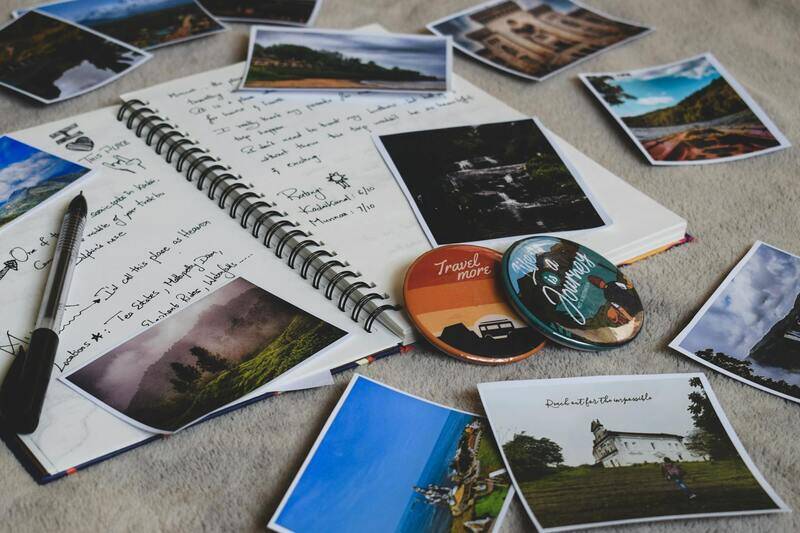
Choosing a reputable printing service that employs state-of-the-art technology ensures your large photo prints will meet stringent quality standards. Professional providers maintain their equipment regularly and stay updated with the latest advancements to deliver products that are vivid, sharp, and built to last.
Overview of Large Photo Printing Services
Large photo printing services provide a specialized solution for individuals and businesses seeking high-quality, expansive photographic reproductions. These services are equipped with advanced technology to print images in various sizes that go beyond standard formats, allowing for impactful displays in both residential and commercial spaces. Professional large photo printing not only emphasizes image clarity and color fidelity but also offers durability and longevity, ensuring that prints maintain their visual appeal over time. Whether for decorating interiors, creating promotional displays, or producing artwork, these services cater to diverse needs with precision and craftsmanship.

The selection of appropriate materials and printing techniques by reputable providers guarantees vibrant, detailed, and long-lasting results. Customers benefit from expertise in choosing the right format, material, and finish to suit their specific project requirements. Many professional services also offer consultation to optimize image preparation and to advise on the best printing options available, thereby elevating the final product to meet exacting standards.
Types of Large Photo Printing Formats and Materials
Understanding the different formats and media options is key to achieving the desired visual impact and durability of your large photo prints. Common formats include:
- Diagonal Sizes: ranging from 24x36 inches to oversized 60x90 inches or larger, depending on space and purpose.
- Aspect Ratios: maintaining proportions to ensure accurate image representation without cropping or distortion.
As for materials, the choice hinges on where and how the print will be displayed:
- Canvas: ideal for a textured, artistic look often used in galleries or home décor.
- Fine Art Paper: prized for high fidelity and color richness, suitable for photographic reproductions.
- Vinyl: excellent for outdoor applications due to durability and water resistance.
- Acrylic and Glass: used for sleek, modern finishes with enhanced color vibrancy and depth.
Choosing the Right Size and Resolution for Large Photos
Proper sizing and resolution are fundamental to producing large-format images that are sharp and visually striking. The general rule is that the resolution should be at least 150 pixels per inch (ppi) at the final display size to ensure clarity. For instance, a 40x60 inch print would require an image resolution of approximately 6000x9000 pixels. Oversized images with insufficient resolution can result in pixelation or blurriness, detracting from the visual impact.
Careful assessment of the image quality prior to printing is essential. If the original photograph is of lower resolution, professional editing might improve visual quality through sharpening or noise reduction, but enlargements should be approached cautiously. Many print providers use advanced software to simulate high-resolution enlargements, enabling customers to preview the expected output quality before proceeding.
Color Accuracy and Photo Editing for Large Prints
Achieving color fidelity is critical to ensure that the printed image matches the original photograph or artwork. Professional printing services often utilize color calibration tools and color management workflows to maintain consistency between digital images and physical prints. Automated and manual color corrections, including adjustments for brightness, contrast, and color balance, are performed to optimize visual impact.
In addition, high-quality photo editing software allows for retouching, cropping, and enhancement before printing, ensuring the final product aligns with the creator's vision. Ensuring the image is in the correct color space, typically Adobe RGB or sRGB, further guarantees accurate color reproduction across different media and devices.

Printing Techniques and Technologies
Several advanced printing technologies underpin professional large photo printing, each suited to different needs:
- Inkjet Printing: The most prevalent method for photographic prints, offering exceptional detail and extensive color gamut. High-quality inkjet printers utilize multiple ink cartridges to produce vibrant, precise images on various media.
- Dye Sublimation: Ideal for producing durable, vibrant images on materials like fabric or coated surfaces. This technology is renowned for seamless color transitions and long-lasting results, especially for promotional items and fabric banners.
- UV Printing: Suitable for printing directly onto diverse surfaces such as metal, glass, or wood. UV printers cure the ink using ultraviolet light, providing high-resolution images with excellent adhesion and resistance.
Choosing the appropriate technology depends on project requirements, such as the intended display environment, the media used, and desired longevity. Leading print service providers invest in state-of-the-art equipment and regularly calibrate their machines to ensure consistency and quality standards are met, resulting in vivid, sharp, and durable large-scale photographs.
Maintaining and Caring for Large Photo Prints
Proper maintenance and care are essential to ensure that large photo prints retain their vibrant appearance over time. Given their size and visual prominence, these artworks require specific handling procedures to prevent damage and deterioration.
Protection from Environmental Factors
- Ultraviolet Light: Exposure to direct sunlight can cause fading and color shift. Display large photo prints in areas with controlled lighting or use UV-protective glass or acrylic shields.
- Humidity Levels: Fluctuating humidity can lead to warping, mold growth, or adhesion issues. Maintain a stable environment, ideally between 40-50% relative humidity, especially for paper-based prints.
- Temperature: Avoid placing large photos in areas with extreme temperature variations. Consistent room temperature extends the lifespan of the print and its mounting materials.
Handling and Cleaning
- Handling: Always handle prints with clean, dry hands or wear cotton gloves to prevent fingerprints, oils, or dirt from transferring onto the surface.
- Cleaning: Use soft, dry microfiber cloths for light dusting. For stubborn dirt, gently use a slightly damp cloth, avoiding excess moisture that can damage the media or ink layers.
- Mounting and Framing: Opt for professional framing with appropriate uv-protective glass or acrylic. Ensure that mounting materials are acid-free to prevent chemical interactions that could discolor the print.
Storage and Transport
- Storage: When not on display, store large photo prints flat in acid-free portfolios or rolled with protective sheets, avoiding folds and creases. Keep in a cool, dry, and dark environment.
- Transport: For shipping or transport, use sturdy, flat containers or tubes with adequate padding. Ensure the print is supported evenly to prevent bending or punctures.
Regular Inspection
Periodic checks for signs of deterioration, such as fading, discoloration, or physical damage, allow for timely intervention. Consult professional conservators or restorers for significant issues to preserve the integrity of the print.
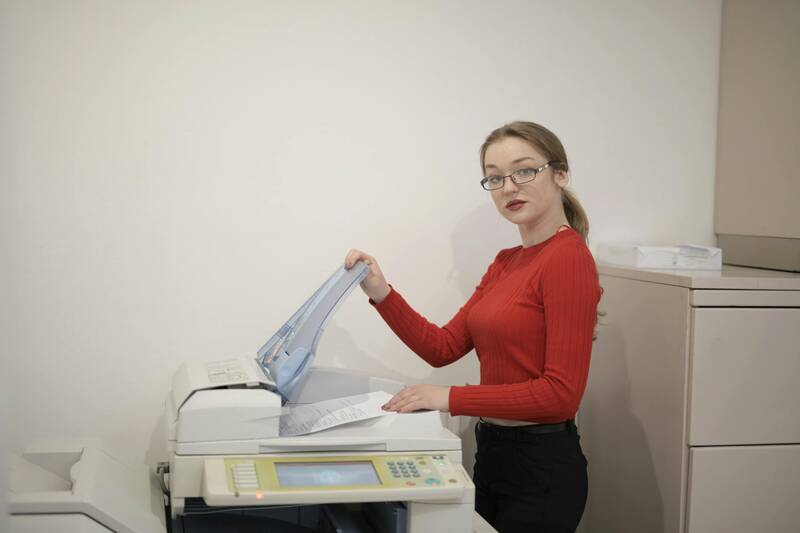
Selecting a Reliable Large Photo Printing Service
Choosing a trusted provider is crucial for achieving high-quality results that meet your expectations. Look for companies with a proven track record, transparent process, and comprehensive portfolio demonstrating their expertise in large photo printing.
Assess the service provider based on several key criteria:
- Expertise and Experience: Ensure the provider specializes in large-format printing and has experience working with different materials and formats.
- Technical Capabilities: Confirm the availability of advanced printing technologies such as high-resolution inkjet, UV, or dye sublimation printers, along with calibration for color fidelity.
- Material Selection: A reputable service offers a wide range of high-quality media options suitable for various display environments and durability requirements.
- Customer Support: Reliable communication, clear project timelines, and responsive assistance are indicative of professional service.
- Reviews and Portfolio: Review customer feedback and examine sample works to gauge the consistency and quality of the final products.
Additionally, inquire about the service's post-printing options, such as custom framing, mounting, and finishing. Transparent pricing, detailed quotations, and a straightforward ordering process further contribute to a seamless experience.
Complete Care and Preservation of Large Photo Prints
Proper maintenance and handling are vital to ensuring the longevity and vibrancy of your large photo prints. These high-quality reproductions, often displayed prominently in homes, galleries, or commercial spaces, require specific care to maintain their visual appeal over time.
Handling Large Photo Prints with Care
- Use Clean Hands or Gloves: Always handle prints with clean, dry hands or wear lint-free gloves to prevent smudges, oils, or dirt from transferring onto the surface.
- Avoid Excessive Touching: Minimize direct contact with the image area to reduce the risk of damage or fading caused by oils or dirt.
- Use Proper Support: When moving or installing large prints, support the entire surface to prevent bending, creases, or warping.
- Transport Carefully: Use protective packaging, such as rigid tubes or flat, padded containers, to safeguard the print during transit.
Cleaning and Maintenance Tips
- Dust Regularly: Gently remove dust using a soft, lint-free cloth or a gentle brush. Avoid abrasive materials that could scratch the surface.
- Avoid Moisture and Harsh Chemicals: Keep prints away from direct contact with water or cleaning agents. Use specialized cleaning products recommended for photographic or fine art prints if necessary.
- Monitor Environmental Conditions: Keep prints in a stable environment with controlled temperature and humidity levels to prevent warping or deterioration.
- Frame with UV-Protective Glazing: When framing large photos, consider using UV-protective glass or acrylic to shield against light-induced fading.
Proper Display and Storage
- Optimal Placement: Avoid areas with direct sunlight, high humidity, or extreme temperature fluctuations. Indoor environments with controlled conditions are ideal.
- Hanging Techniques: Use appropriate mounting hardware to evenly distribute weight and prevent stress on the material. Avoid nails or hooks that could damage the print surface.
- Storage during Non-Display Periods: Store large photos flat in a cool, dry, and dark place, ideally in acid-free folders or boxes, to prevent environmental damage.
Professional Restoration and Reframing Services
If your large photo print shows signs of damage or aging, consulting a professional for restoration can extend its lifespan and restore its original vibrancy. Reframing services with UV-resistant backing and protective overlays can also refresh the presentation while adding an extra layer of protection.