Importance of Business Cards Design
In today’s competitive business environment, the design of a business card transcends mere contact details. It serves as a tangible reflection of a company's brand identity and professionalism. A well-crafted business card can leave a lasting impression and foster immediate recognition among potential clients, partners, or collaborators. The visual appeal, layout, and overall aesthetic of a business card are instrumental in conveying credibility and attention to detail, which are vital attributes sought after in most industries.
Beyond its visual appeal, a business card functions as a mini marketing tool. It succinctly communicates key information about your brand, including your company name, logo, contact information, and even a tagline or unique value proposition. When designed effectively, it provides a snapshot of your business ethos and helps differentiate you from competitors. A strategic approach to business card design enhances brand consistency, ensuring that every touchpoint with clients and prospects reinforces your corporate identity.
Furthermore, the importance of a professional business card extends to networking scenarios. When exchanged confidently, it acts as an ambassador for your brand, fostering trust and credibility. In many professional settings, the quality and design of the business card can influence the recipient's perception of your business’s caliber and trustworthiness. As an extension of your brand, it is essential that your business card aligns with your overall marketing strategy and exemplifies the standards you uphold.

Investing in high-quality, thoughtfully designed business cards signifies your commitment to professionalism and attention to detail. Whether attending a conference, meeting a new client, or participating in industry events, your business card is often the first point of tangible interaction with your contacts. Ensuring its design accurately reflects your brand image can significantly influence future opportunities and foster lasting business relationships.
Choosing the Right Material and Finish
When selecting materials for business cards, durability and tactile quality are paramount. High-quality cardstock options, such as thick matte or gloss finishes, provide a premium feel and ensure longevity. For businesses seeking a distinctive edge, specialty materials like linen, textured paper, or even transparent plastic can create a memorable sensory experience, reinforcing the uniqueness of your brand. The choice of material should complement the overall design and industry standards, enhancing both visual appeal and durability in everyday use.

Finish options further elevate the card's aesthetic. Matte finishes reduce glare, providing a subtle, elegant appearance that works well for professional services, while glossy finishes deepen color vibrancy, ideal for vibrant logos and graphics. Soft-touch coatings offer a luxurious feel, making your cards stand out through tactile enrichment. Laminated finishes can add extra protection against wear and tear, ensuring your business cards stay pristine over time.
Design Best Practices for Business Cards
To craft compelling business cards, adhere to principles that bolster clarity, hierarchy, and visual harmony. Prioritize a clean layout that balances text and imagery, avoiding clutter that can detract from key information. Use contrasting colors to emphasize important elements such as your name and contact details, ensuring they are easily scannable. Consistency with your brand's color palette, typography, and logo positioning fosters recognition and professionalism.
- Minimalism: Embrace simplicity by limiting elements; less clutter enhances readability.
- Hierarchy: Strategically size and position information to guide the recipient's eye naturally.
- Whitespace: Appropriately generous spacing improves clarity and elegance.
- Alignment: Maintain consistent alignment for a cohesive look.
Additionally, consider the integration of subtle design motifs or patterns that subtly reflect your industry or brand personality without overwhelming the primary information. Choosing appropriate font styles and sizes ensures readability across various devices and lighting conditions.
Trends in Business Card Design
Staying current with industry trends can make your business cards more engaging. Incorporating minimalist aesthetics with bold typography and striking color schemes is increasingly popular. Geometric patterns, asymmetrical layouts, and the use of negative space are also trending, providing a modern sophistication that appeals to contemporary audiences.
Furthermore, tactile innovations such as embossed elements, foil stamping, and spot UV coatings deliver visual and tactile dynamism, making cards memorable and engaging. Layered designs with cut-outs or unusual shapes are gaining popularity, especially for brands seeking to stand out in crowded marketplaces. These trends demonstrate the importance of aligning design choices with brand identity and target audience expectations to create impactful business tools.
Customizing Business Cards for Different Industries
Business cards can and should be adapted to suit different industry standards and brand identities. For instance, creative agencies may opt for vibrant colors, unconventional shapes, and inventive layouts to showcase innovation and creativity. In contrast, financial service firms tend to favor classic, understated designs with subdued color palettes that evoke trust and stability.
Trade industries, such as construction or manufacturing, might incorporate rugged textures or metallic accents to convey strength and reliability. Conversely, tech companies often lean towards sleek, minimalist visuals with futuristic fonts and metallic finishes that reflect innovation and cutting-edge solutions. Tailoring your business card design to industry expectations enhances relevance and helps establish immediate rapport with your target audience.
Printing Services and Cost Considerations
Choosing a reputable printing service guarantees high-quality output, smooth color reproduction, and precise finishing. When budgeting, consider both the base cost per unit and additional expenses for premium features like special finishes, custom shapes, or specialty materials. Bulk printing often reduces unit costs and is recommended for companies requiring large quantities for events or ongoing marketing efforts.

Additional costs may include design setup fees, delivery charges, and extra services such as embossing or foil stamping. It’s critical to request samples beforehand and review proofs to ensure that final products meet your specifications. Investing in quality printing and finishes enhances the perceived value of your business cards and supports your brand reputation effectively.
Tips for Distributing and Using Business Cards Effectively
Strategic distribution ensures your business cards reach the right contacts at the right occasions. Always carry a sufficient supply during networking events, meetings, and conferences. When exchanging cards, do so confidently and ensure the card is presented clean and unwrinkled, reflecting professionalism. Follow up promptly with new contacts, referencing information from your card to reinforce recognition.
Consider incorporating QR codes for quick digital connections or linking to your online portfolio or social media. Placing your business cards near point-of-sale or at event booths maximizes exposure. Utilization extends beyond simple exchanges; incorporate your business cards into direct mail campaigns, gift hampers, or as part of promotional packages. The strategic use of your business cards amplifies your brand’s reach and leaves a lasting impression on potential clients and partners.
Choosing the Right Material and Finish
When selecting materials for business cards, the goal is to balance durability, aesthetic appeal, and cost-effectiveness. Common choices include standard cardstock, which offers a versatile base suitable for most designs, and specialty stocks such as matte, gloss, or textured papers that add tactile interest and sophistication. Thick cardstock options provide a sturdy feel that conveys quality, making a memorable impression on recipients.
Beyond the base material, finishes play a vital role in enhancing the visual and tactile impact of your cards. Laminated finishes are popular for their durability and resistance to wear and tear, protecting the design from smudges and moisture. Matte finishes lend a subtle, refined appearance, characterized by a smooth, non-reflective surface that reduces glare and fosters a professional look. Conversely, gloss finishes impart vibrancy and sharpness, ideal for high-resolution images and bold colors, making your design stand out vividly.
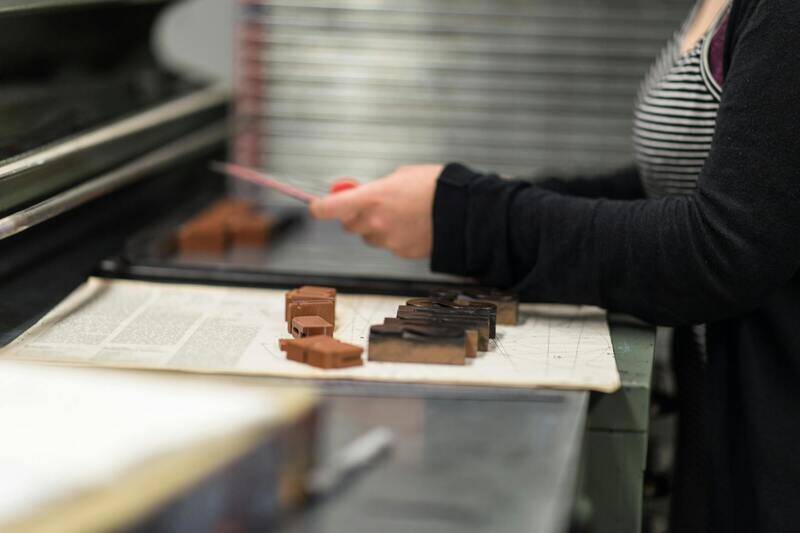
For clients seeking a distinctive feel, specialty finishes such as embossed textures, soft-touch coatings, or foil accents can elevate the tactile experience, reinforcing a premium brand image. These options, though often more costly, tend to leave a lasting impression and communicate attention to detail. It’s essential to select a material and finish that aligns well with your brand identity, target audience, and budget considerations.
Ultimately, assessing your card’s intended usage and the impression you want to make will guide your choice of material and finish. When evaluating options, request samples and review how each option interacts with your design, ensuring that the final product effectively reflects your brand’s professionalism and aesthetic standards.
Design Best Practices for Business Cards
Creating a business card that effectively captures your professional identity requires meticulous attention to design principles. When devising your card layout, maintaining consistency in spacing, alignment, and visual hierarchy ensures a clean and organized appearance. Proper spacing between elements prevents overcrowding, making each detail easily digestible and enhancing overall readability. Alignment should be precise, whether you opt for centered, left, or right alignment, to foster a sense of order and professionalism.
Choosing an appropriate font size and style plays a crucial role in readability; typically, sans-serif fonts are preferred for clarity, especially when viewed quickly. The hierarchy of information—such as your name, title, contact details, and company slogan—should be visually distinct, guiding the viewer’s eye naturally across the card. Use bold or contrasting colors strategically to emphasize key information without overwhelming the overall aesthetic.
Incorporating whitespace effectively can help prevent a cluttered look and make important elements stand out. Consistent use of brand colors, logos, and imagery ensures your card aligns with your corporate identity, reinforcing brand recognition. When designing, consider both front and back layouts—using the back for additional contact options, QR codes, or a compelling visual can maximize the utility of your business card.

Always review your design through multiple perspectives, and perform test prints to evaluate how colors, fonts, and spacing translate to the physical card. This stage is crucial to identify potential adjustments before final production, ensuring that your business card effectively communicates your brand message and leaves a positive impression.
Design Best Practices for Business Cards
Creating an effective business card involves meticulous attention to design details that communicate professionalism and brand identity clearly. When selecting fonts, prioritize legibility by choosing clean, sans-serif typefaces and ensuring that font sizes are appropriate for quick reading. Consistent font use across the card reinforces brand cohesion, while strategic use of bold or contrasting colors can highlight essential information such as your name or contact details. The layout should have a logical flow, guiding the viewer’s eye naturally from your name to your role, and then to your contact information. Incorporating whitespace is a fundamental aspect of a balanced design. Adequate spacing prevents clutter and allows critical elements to stand out, creating an aesthetically pleasing and easily navigable layout. The alignment of text and graphics should be precise; whether opting for centered, left-aligned, or justified text, maintain consistency to foster professionalism. Images, logos, and other visual elements should be high-resolution and placed thoughtfully to reinforce brand recognition without overwhelming the overall look. Use of brand colors should be strategic—employing them to draw attention to key areas while maintaining harmony across the design. Double-sided designs can optimize space—consider adding additional contact methods, a QR code, or a striking visual on the reverse to enhance functionality. Before finalizing the design, perform comprehensive review and test prints to observe how colors, fonts, and spacing translate to physical copies. These steps help finalize a card that effectively communicates your brand message and leaves a positive impression on recipients.

Customizing Business Cards for Different Industries
Adapting business card design elements to suit specific industry requirements enhances communication effectiveness and reinforces company branding. Each sector demands a tailored approach that aligns with its audience expectations, professional standards, and brand identity. Understanding these nuances ensures your business card resonates appropriately with potential clients and partners.
Corporate and Professional Industries
For industries such as finance, law, and consulting, a clean, minimalist design exudes professionalism and trustworthiness. Utilizing a monochromatic color palette, sophisticated fonts, and understated logo placements conveys stability and reliability. The layout should prioritize clarity, with extensive white space to facilitate quick information absorption. Embedding subtle security features or premium finishes can also elevate the perceived value without compromising simplicity.
Creative and Design Sectors
Businesses within creative fields like graphic design, advertising, or media benefit from vibrant colors, innovative typography, and dynamic layouts that reflect their artistic nature. Incorporating unique textures, die-cut shapes, or custom illustrations can make the card stand out in a crowded environment. These design choices demonstrate originality and showcase the company’s innovative spirit, leaving a memorable impression.
Service Industries
For hospitality, retail, or personal services, a friendly, approachable design fosters customer trust. Bright, inviting colors combined with clear, readable fonts facilitate quick recognition. Incorporating social media handles, QR codes for scheduling, or additional contact options on the reverse side can enhance convenience and engagement. The overall aesthetic should communicate accessibility and professionalism simultaneously.

In each case, the choice of design elements should reflect the core values and personality of the business. Customized visuals, appropriate typographic styles, and industry-aligned color schemes contribute to creating a cohesive and compelling presentation tool. When considering design modifications, it’s crucial to keep the overall readability and practicality intact to ensure the card remains functional and impactful.
Integrating Industry-Appropriate Visual Elements
- Logos and Icons: Use simplified, recognizable logos that scale well on small surfaces. Icons can visually represent services or specialties, making information quickly accessible.
- Color Palette: Select colors that evoke the desired emotional response—trust for finance, creativity for design, warmth for hospitality—while maintaining consistency with brand guidelines.
- Typography: Choose fonts that align with the industry tone—sleek sans-serif fonts for modern tech firms, elegant serifs for legal or financial sectors, playful styles for youth-centric brands.
Design Considerations for Industry Engagement
- Ensure the design conveys the company's core message succinctly and visually appealingly.
- Maintain a balance between aesthetic appeal and functionality, avoiding clutter or oversaturation.
- Test different layouts and color schemes to observe how they translate into physical samples, ensuring accuracy and quality control.
Importance of Business Cards Design
Creating a well-designed business card is a strategic activity that extends beyond aesthetics. It serves as a physical embodiment of your professional identity and brand presence. A thoughtfully crafted card leaves a lasting impression, facilitates networking opportunities, and reinforces brand recognition. In competitive markets, an effective design ensures your contact details stand out amid numerous exchanges. It acts as a tangible reminder of your professionalism, attention to detail, and commitment to quality. Moreover, a compelling business card can foster trust and credibility, essential factors in establishing new business relationships. In essence, your business card design is a subtle yet powerful marketing tool that communicates your core message efficiently and memorably.

Key Elements of Effective Business Card Design
Achieving a standout business card involves meticulous attention to several crucial components:
- Logo and Visual Identity: Your logo should be prominently displayed, embodying your brand’s personality and making it instantly recognizable.
- Color Scheme: Select colors that align with your brand palette, evoke the right emotional response, and maintain visual harmony. li> Typography: Use clear, legible fonts that reflect your industry tone—be it modern, traditional, or playful. Typography should complement but not overshadow other elements.
- Contact Information: Display essential details such as name, position, phone number, email, and website clearly. Avoid clutter by prioritizing vital information.
- Whitespace: Incorporate adequate spacing to enhance readability and avoid overcrowding.
- Unique Design Elements: Incorporate subtle graphical or textural accents that add character and align with your brand’s style.

Choosing the Right Material and Finish
The tactile experience of a business card significantly impacts its perceived quality. Selecting suitable materials and finishes not only enhances durability but also complements your overall design aesthetic.
- Paper Types: Thick cardstock (300gsm or higher) offers durability and a premium feel. Matte finishes provide a sophisticated, glare-free surface ideal for minimalistic designs, whereas glossy finishes add vibrancy and appeal to colorful elements.
- Specialty Materials: Consider options such as textured or linen paper for a distinctive tactile experience or magnetic-backed cards for added functionality.
- Finishing Touches: Spot UV coating highlights specific design elements, while foil stamping adds elegance with metallic accents. Rounded corners can soften the visual profile and prevent wear and tear.

Design Best Practices for Business Cards
Adhering to proven design principles ensures your card is functional, appealing, and aligned with industry standards. Consider the following best practices:
- Consistency with Brand Identity: Maintain visual continuity with other branding assets to reinforce recognition.
- Simplicity and Clarity: Avoid overcrowding by limiting information and focusing on key elements.
- Hierarchy of Information: Use font size, weight, and positioning to guide the viewer’s eye naturally across the card.
- Alignment and Balance: Arrange elements symmetrically or along a grid for aesthetic coherence.
- Avoid Clutter: Make use of whitespace strategically to highlight critical information and design features.
- High-quality Graphics: Use vector images to ensure crispness across various sizes and printing processes.
Trends in Business Card Design
Keeping abreast of evolving design trends helps ensure your business card remains contemporary and engaging:
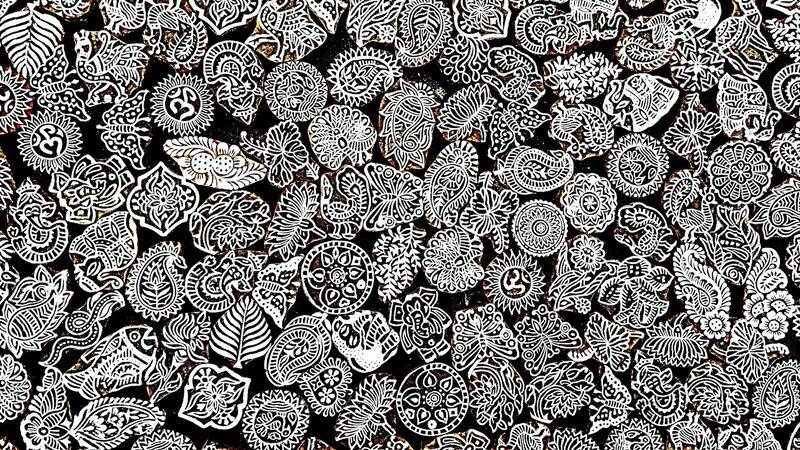
- Minimalism: Emphasizes clean layouts, ample whitespace, and essential information for a sleek appearance.
- Creative Typography: Utilizes bold, unique fonts or custom lettering to make a statement.
- Innovative Materials: Incorporates transparent plastics, metal, or recycled materials for a distinctive sensory experience.
- Interactivity: Adds QR codes or short URLs to direct recipients to your digital portfolio or landing pages.
- Bold Colors and Gradients: Uses vibrant color schemes and gradients to convey energy and modernity.
Customizing Business Cards for Different Industries
Tailoring business card design to sector-specific expectations enhances relevance and impact:
- Corporate and Financial Services: Prioritize understated elegance, muted tones, and professional typography to project stability and trustworthiness.
- Creative and Design Industries: Embrace vibrant colors, unconventional layouts, and unique textures that showcase creativity and originality.
- Hospitality and Service Providers: Use warm color palettes, friendly fonts, and inviting imagery to foster approachability.
- Technology and Innovation Sectors: Incorporate sleek, modern designs with tech-inspired elements, clean lines, and digital integration features.
- Health and Wellness: Focus on calming colors, clear fonts, and minimalist layouts that evoke cleanliness and care.

Benefits of Proper Business Card Design
Effective business card design plays a crucial role in establishing a professional image and fostering meaningful connections. When meticulously crafted, a business card acts as a tangible representation of your brand, conveying credibility, attention to detail, and consistency. A well-designed card ensures that vital information is easily accessible and memorable, increasing the likelihood of future engagement. Moreover, incorporating creative elements judiciously can set your brand apart from competitors, leaving a lasting impression on potential clients, partners, and collaborators.
Strategic Enhancement of Business Network
Beyond personal branding, a thoughtfully designed business card facilitates strategic networking. It serves as an extension of your professional persona, simplifying the exchange of contact details in diverse settings such as conferences, meetings, and industry events. When distribution is paired with compelling design features, it elevates your visibility and encourages recipients to reach out, thereby expanding your business network organically. In an increasingly digital world, printed business cards also provide a tangible, physical touchpoint that digital contacts often lack—making them invaluable for building trust and familiarity.
Aligning Design with Brand Identity
To maximize impact, business card design should align seamlessly with your overall brand identity. This includes consistent use of colors, typography, and stylistic elements that reflect your company's ethos and aesthetic. A cohesive design not only enhances brand recognition but also conveys professionalism and reliability. Whether your brand embraces a modern minimalist approach or a vivid creative flair, your business cards should encapsulate these qualities to resonate with your target audience effectively.
Leveraging Design for Industry Relevance
Tailoring business card design to suit your industry enhances both relevance and impression. For instance, conservative sectors like finance or law benefit from understated elegance, utilizing muted tones and classic fonts. Creative industries, on the other hand, thrive on vibrant colors, innovative layouts, and textured finishes that showcase originality. By customizing elements such as shape, material, and visual motifs, your business card can accurately reflect your sector’s standards and expectations, thereby strengthening professional credibility.

Optimizing Distributions for Maximum Effect
Effective distribution strategies can significantly amplify the benefits derived from well-designed business cards. This involves targeted placement during networking opportunities, ensuring that the right contacts receive your cards in contexts where follow-up is natural. Training staff on how to present and exchange cards confidently can also improve impressions. Additionally, pairing physical business cards with digital tools such as QR codes can bridge offline and online interactions, directing recipients to your website or portfolio seamlessly. Regularly updating and maintaining a supply of current cards ensures your contact information remains accurate and consistent across all platforms.
Precautions for a Professional Presentation
To uphold a professional appearance, all business cards should be stored properly and handled with care. Using protective sleeves or organizers prevents damage and maintains the card's pristine condition. When handing out your card, approach recipients with confidence, accompany the exchange with a brief introduction, and ensure that your contact details are clearly visible. Avoid overcrowding the card with excessive information; focus on essentials to keep the design clean and impactful. Personalization, such as including a brief note or tailored message, can also foster a more memorable interaction and demonstrate attentiveness.